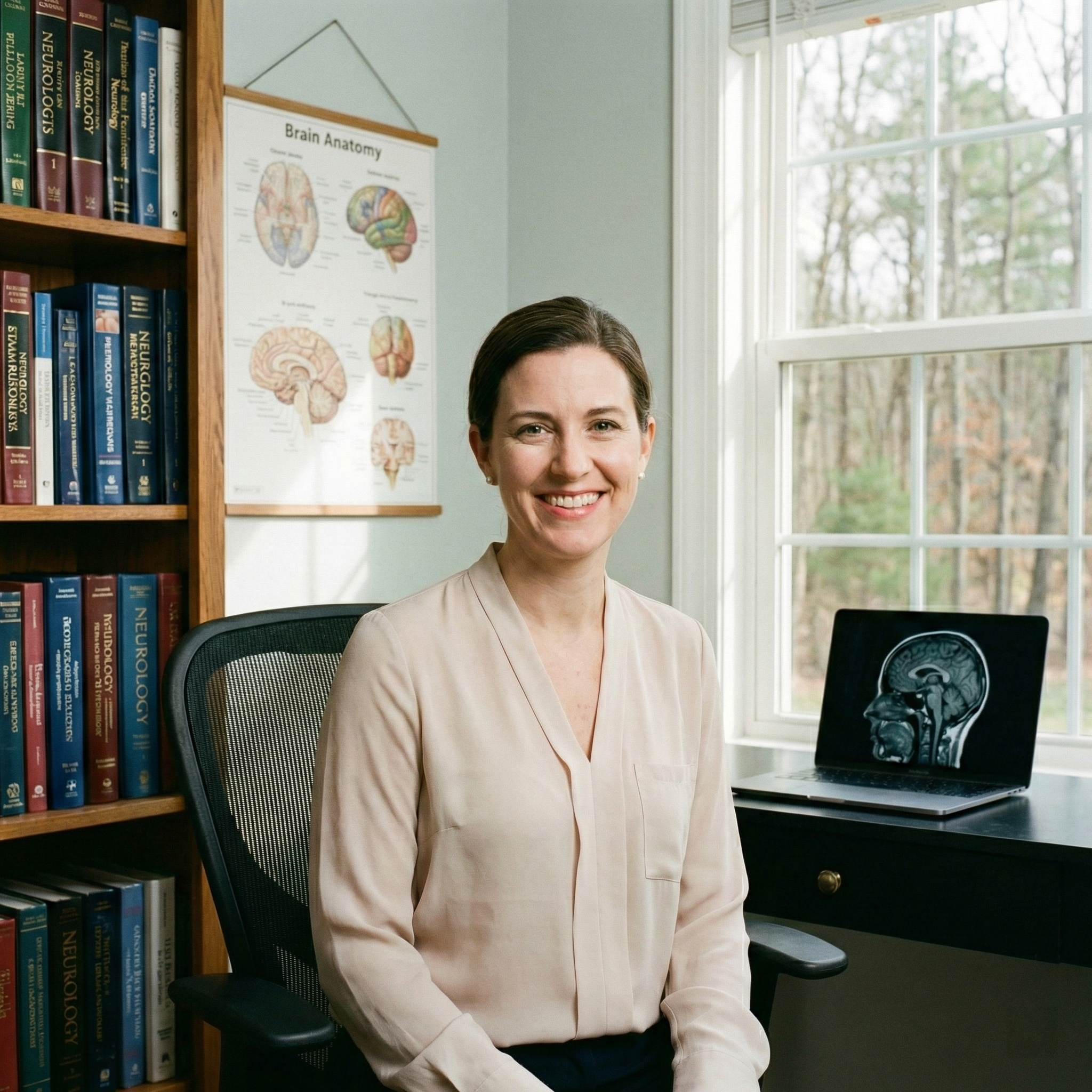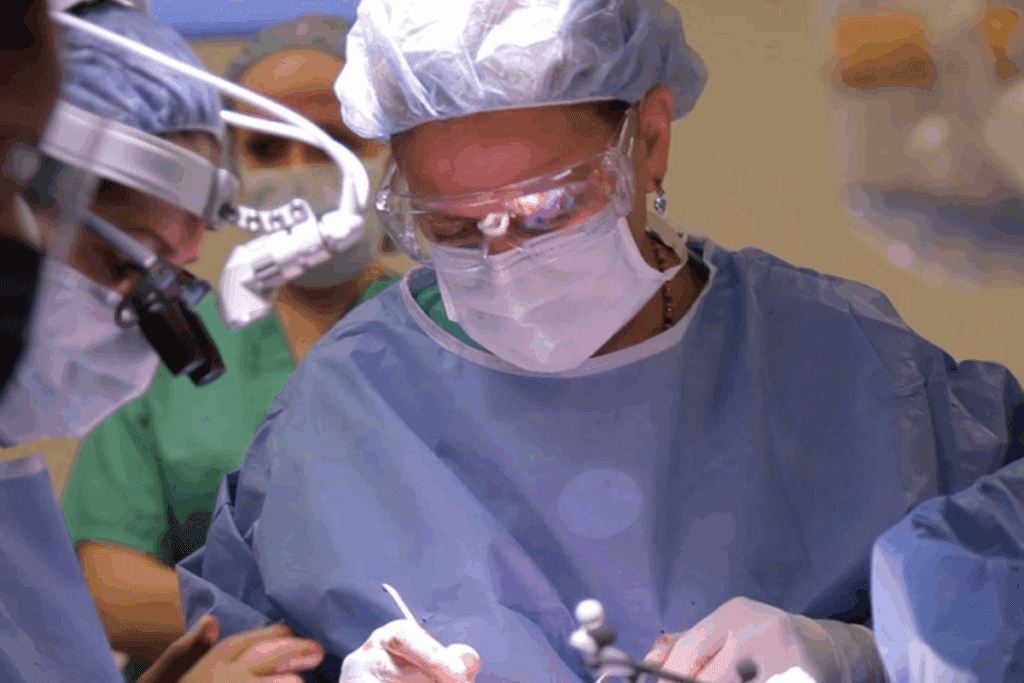
Get our best tips for Neurological symptom documentation. This essential guide helps you prepare for your critical neurosurgeon appointment. When you’re getting ready for neurosurgery, remember that every patient is unique. This uniqueness affects how the neurosurgeon will operate. It’s important to give a comprehensive medical history to help the neurosurgeon understand your health.
Telling your neurosurgeon about your neurological symptoms and past treatments is key. This information helps tailor the surgery to fit your needs. Good patient-centered medical communication means your neurosurgeon will know you better. This can lead to a better surgical outcome.
Key Takeaways
- Provide a detailed medical history to your neurosurgeon.
- Share your neurological symptoms and past treatments.
- Remember, your uniqueness shapes the surgery.
- Good communication is essential.
- A well-informed neurosurgeon can improve your surgery’s success.
The Critical Role of Patient Communication in Neurosurgical Care
Good communication is key in neurosurgical care. It affects both diagnosis and treatment. Neurosurgeons work on the nervous system. They also offer treatments that don’t involve surgery, trying all other options first.
How Detailed Information Influences Diagnostic Accuracy
Sharing detailed information about symptoms and medical history is vital. It helps neurosurgeons make accurate diagnoses. This info leads to the right treatment plans.
| Information Type | Importance in Diagnosis |
| Detailed Symptom Description | Helps identify the neurological condition |
| Medical History | Reveals previous conditions or treatments |
| Previous Treatments | Informs about the effectiveness of past interventions |
Building an Effective Doctor-Patient Relationship
An effective doctor-patient relationship is based on trust and clear talk. Patients should share their symptoms freely. Neurosurgeons should explain diagnoses and treatment options clearly.
This kind of relationship helps patients follow treatment plans better. Neurosurgeons can then offer more specialized medical consultation that fits the patient’s needs.
Preparing for Your Neurosurgical Consultation
To get the most from your neurosurgical consultation, thorough preparation is key. This ensures you give your neurosurgeon all the information they need. It helps with detailed symptom reporting, a patient medical background evaluation, and a comprehensive treatment discussion.
Creating a Pre-Appointment Checklist
Start by making a checklist for your appointment. It should list your main concerns, questions for the neurosurgeon, and any symptoms you’re dealing with. Organizing your thoughts beforehand helps you talk better with your neurosurgeon.
Organizing Medical Records and Imaging Studies
It’s important to gather and organize your medical records. This includes past diagnoses, test results, and imaging studies. This information helps your neurosurgeon understand your medical history better. Make sure to have all these documents ready for your appointment.
Bringing a Support Person: Benefits and Considerations
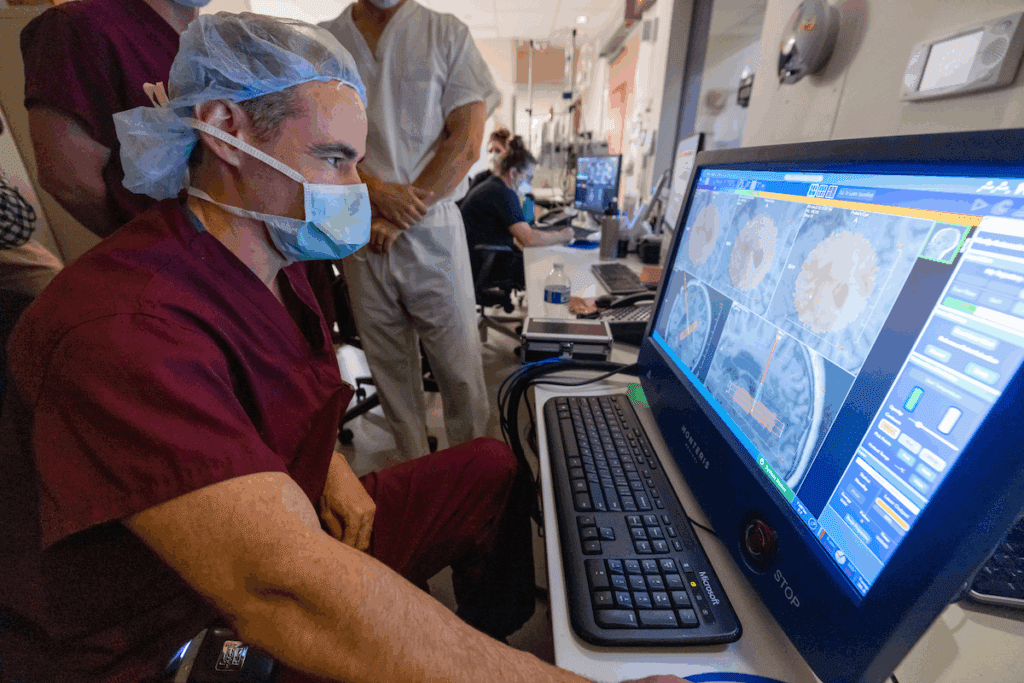
Think about bringing someone with you to your consultation. Having a support person can offer emotional support and help you remember what was discussed. They can also take notes for you, so you don’t miss anything important.
By following these steps, you can make your neurosurgical consultation more productive and informative. This will improve your care and treatment outcomes.
Comprehensive Medical History Documentation
Effective specialized medical information sharing starts with a detailed medical history. This ensures your neurosurgeon has all the info needed for top care.
Chronological Timeline of Neurological Issues
It’s important to create a timeline of your neurological problems. Start with when your symptoms began and how they’ve changed. Include any big changes or events in your condition. This timeline helps your neurosurgeon understand your condition’s progression and make accurate diagnoses.
Relevant Family History of Neurological Disorders
Your family’s medical history can offer important clues. Tell your neurosurgeon about any neurological disorders in your family. This info can help spot genetic factors that might be affecting you, leading to better effective neurological disorder management.
Current Medication List and Known Allergies
Make a list of all your current medications, including dosages and reasons for taking them. Also, note any allergies, like those to medications or anesthesia. This info is vital for your neurosurgeon’s advanced medical consultation and helps avoid bad reactions during treatment.
By giving a full medical history, you help your neurosurgeon make informed decisions about your care. This detailed approach to neurological disorder management is essential for the best outcomes.
Neurological Symptom Documentation: Creating a Detailed Symptom Journal
When you’re getting ready for a neurosurgical consultation, documenting your symptoms is key. This step helps your healthcare provider understand your condition better. It makes their specialized medical assessment more accurate and effective.
Recording Symptom Onset, Duration, and Triggers
To make a detailed symptom journal, start by noting when your symptoms began. Also, record how long they last and what triggers or relieves them. This gives your healthcare provider important insights into your health.
For example, if you have headaches, write down when they happen, how long they last, and what might cause them. Knowing this can help figure out why you’re experiencing symptoms and how to treat them.
Using Rating Scales for Pain and Dysfunction
Rating scales are a good way to document your symptoms. They let you measure your pain or dysfunction objectively. For pain, use a scale from 1 to 10, with 1 being mild and 10 being severe.
This method helps show how severe your symptoms are and if they’re getting better or worse.
Digital Tools and Apps for Tracking Neurological Symptoms
Today, there are many digital tools and apps for tracking symptoms. These tools help keep your symptom records organized and easy to share with your doctor. Some apps let you log when symptoms start, how long they last, and what triggers them. They also track your medication and any changes in your condition.
Using these digital tools can improve your patient diagnostic preparation. It helps lead to a more accurate diagnosis and effective treatment plan.
Communicating Specific Neurological Symptoms Effectively
To get a full understanding of your condition, it’s key to share your neurological symptoms clearly. How well you describe these symptoms can really affect your diagnosis and treatment. As your condition changes, so might your symptoms. It’s vital to keep your neurosurgeon updated on any shifts.
Describing Headaches and Pain Patterns Precisely
When talking about headaches or pain, be as detailed as you can. Mention where the pain is, how intense it is, and what it feels like. For example, is it sharp, dull, or throbbing? Use a pain rating scale from 1 to 10 to show how bad it is, with 1 being mild and 10 being very severe.
Also, tell your neurosurgeon what makes your pain better or worse.
Explaining Sensory Changes and Motor Dysfunction
Sensory changes can include numbness, tingling, or feeling too sensitive. Say where these feelings happen and if they’re always there or come and go. Motor issues might show as weakness, tremors, or trouble with balance and coordination. Explain how these problems affect your daily life.
Articulating Cognitive Changes and Memory Issues
Talking about cognitive changes can be tough, but it’s very important. Describe any trouble with focusing, memory problems, or feeling confused. Keeping a symptom journal to track these issues can help a lot. It shows your neurosurgeon what’s going on with you.
By sharing your neurological symptoms well, you help your healthcare team make a better diagnosis and treatment plan. Your active role in your care is key to the best results.
Previous Diagnostic Information and Test Results
Gathering previous diagnostic information is key in specialized treatment exploration. When you see a neurosurgeon, bring all important diagnostic data. This ensures a comprehensive patient evaluation.
Compiling Imaging Studies and Radiology Reports
Imaging studies like MRI and CT scans are very important. They give vital info about your neurological condition. Make sure to bring copies of these studies and their reports to your neurosurgeon.
Laboratory Tests Relevant to Neurological Assessment
Laboratory tests, including blood work, are vital for a detailed neurological function assessment. Gather all lab results, focusing on those related to your neurological symptoms. Bring them to your consultation.
| Test Type | Purpose | Relevance to Neurosurgery |
| MRI | Detailed imaging of brain and spinal cord | Critical for diagnosing structural abnormalities |
| CT Scan | Quick imaging for acute injuries or conditions | Essential for emergency neurosurgical assessment |
| Blood Tests | Checking for infections, inflammation, or other conditions | Helps in assessing overall neurological health |
By bringing all your previous diagnostic info and test results, you help your neurosurgeon understand your condition fully. This leads to a more accurate diagnosis and a better treatment plan.
Treatment History and Response Documentation
Keeping a detailed record of your treatment history is key. It helps neurosurgeons make better decisions about your care. This info is vital for patient medical complexity analysis and advanced diagnostic interpretation.
Previous Surgical Interventions and Physical Therapies before Recommending Surgery
Tell your neurosurgeon about any surgeries you’ve had. Include the type of surgery and its outcome. Also, share any physical therapies you’ve tried. This info gives them a better understanding of your condition.
| Surgical Intervention | Outcome | Complications |
| Spinal Fusion | Improved mobility | None |
| Discectomy | Pain reduction | Temporary numbness |
Previous Surgical Interventions and Outcomes
Recording the results of past surgeries is important. It shows what treatments have worked and what haven’t. This helps your neurosurgeon plan your future care.
Medication Efficacy, Dosages, and Side Effects
Let your neurosurgeon know about any medications you’re taking. Share how well they work, the dosages, and any side effects. This info is key for specialized symptom management.
For example, if you’re on blood thinners or anti-inflammatory drugs, tell them. These can increase the risk of bleeding during surgery.
Physical Therapy and Rehabilitation Experiences
Sharing your experiences with physical therapy and rehab helps your neurosurgeon. They can use this info to create a treatment plan that fits your needs.
By documenting your treatment history and how you’ve responded to different therapies, you help your neurosurgeon create a plan just for you.
Lifestyle and Environmental Factors Affecting Neurological Health
The link between lifestyle, environment, and brain health is key in neurosurgery. Knowing these factors well helps create a treatment plan that fits each patient.
Sleep Quality and Neurological Symptom Correlation
Good sleep is vital for brain health. Studies show that bad sleep can make neurological symptoms worse. It affects thinking, mood, and brain health, making it important in medical care.
Stress Triggers and Management Techniques
Stress can harm brain health. Finding what stresses you and using ways to manage it, like meditation, is key. This can help lessen neurological symptoms.
Occupational and Environmental Exposures
Being exposed to toxins or pollutants can hurt brain health. Knowing these exposures helps doctors understand a patient’s risk. This info helps create a better treatment plan.
| Lifestyle Factor | Impact on Neurological Health |
| Poor Sleep Quality | Exacerbates neurological symptoms, affects cognitive function |
| High Stress Levels | Increases severity of neurological symptoms |
| Environmental Toxins | Potential for long-term neurological damage |
A leading neurosurgeon says, “A patient’s lifestyle and environment are key to finding the best treatment.” This shows the need for a whole-body approach in neurosurgery.
“Lifestyle changes can greatly affect the success of neurosurgery.”
– Expert Opinion
Conclusion: Becoming an Active Partner in Your Neurosurgical Care
Being informed and involved in your neurosurgical care is key to the best results. Knowing how to communicate well with your doctor and understand your medical history is important. This way, you can work well with your neurosurgeon.
A detailed neurological check-up helps doctors create the right treatment plan for you. Being ready for your doctor’s visit means they have all the info they need. This helps them give you the best care possible.
By being an active part of your care, you can handle the challenges of neurosurgery with confidence. Working together with your doctor is vital for the best outcomes and a better life for you.
FAQ
What information should I provide to my neurosurgeon to ensure accurate diagnosis?
To get an accurate diagnosis, share your full medical history. This includes your neurological issues over time, family health, and current medicines. Also, write down your symptoms, when they started, how long they last, and what triggers them.
How can I effectively communicate my neurological symptoms to my neurosurgeon?
To share your symptoms well, describe them clearly and use pain and function scales. You might also use apps to track your symptoms. Bringing someone you trust to your appointment can give more insight.
What previous diagnostic information should I bring to my neurosurgical consultation?
Bring all your past test results, like scans and lab reports. This helps your neurosurgeon understand your health better and make good decisions for you.
How can I prepare for my neurosurgical consultation?
Get ready by making a checklist for your appointment. Organize your medical records and scans. Having a support person can also help you remember important details.
What lifestyle and environmental factors can affect my neurological health?
Many things can impact your neurological health, like how well you sleep, what stresses you, and your job. Talk to your neurosurgeon about these to understand their role in your health.
Why is documenting my treatment history and response important?
Keeping a record of your treatments and how you’ve reacted is key. It shows your neurosurgeon what has worked before. This helps plan your care for the best results.
How can I become an active partner in my neurosurgical care?
To be an active partner, share all the details with your neurosurgeon, ask questions, and understand your treatment. This way, you get the best care and make smart health choices.
What are the benefits of bringing a support person to my neurosurgical consultation?
Having someone with you can offer extra insight and support. They can also help you remember important points and share their view on your health.
How can I effectively document my neurological symptoms?
To document your symptoms well, keep a journal of when they start, how long they last, and what causes them. Use scales and apps to track them. This gives your neurosurgeon accurate info.