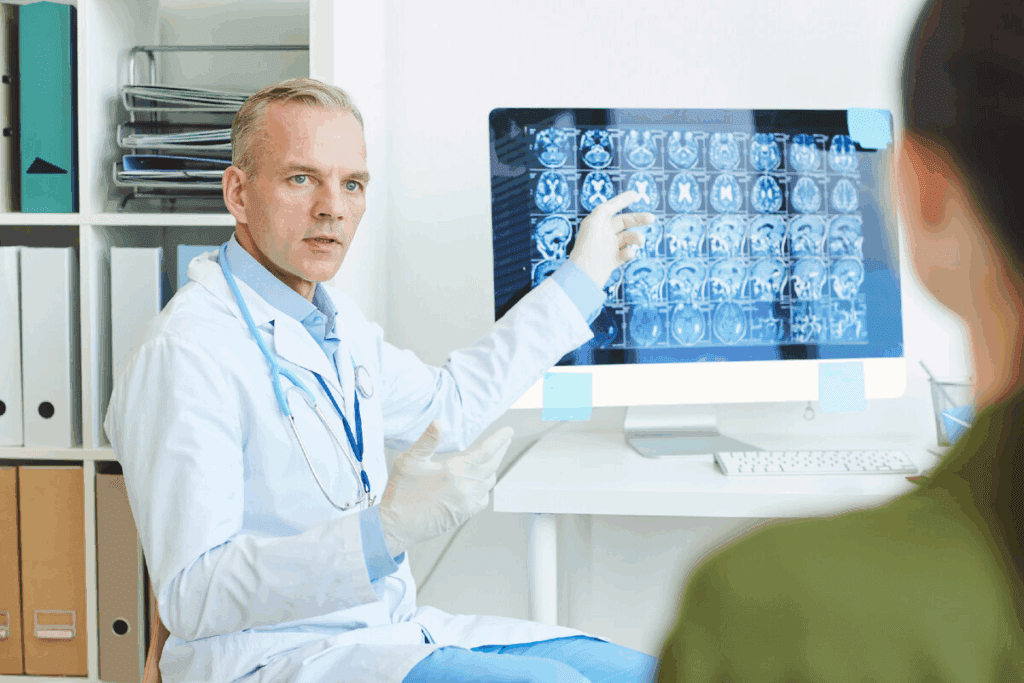
Nervous system disorders affect millions of people worldwide. They have a big impact on their quality of life. Neurological conditions can be anything from headaches and dizziness to severe diseases like Alzheimer’s and Parkinson’s.neurology vs neuropathology
Diagnosing and treating these brain diseases involves two related medical fields: neurology and neuropathology. Even though they are different, they often work together. They both aim to understand and manage neurological disorders.
Key Takeaways
- Neurology and neuropathology are two distinct medical specialties that often overlap.
- Understanding the differences between neurology and neuropathology is key for accurate diagnosis and treatment.
- Nervous system disorders can have a big impact on a person’s quality of life.
- Brain disease diagnosis combines clinical evaluation and pathological examination.
- Neurological conditions can range from mild to severe and debilitating.
The Fields of Neurology and Neuropathology: An Overview
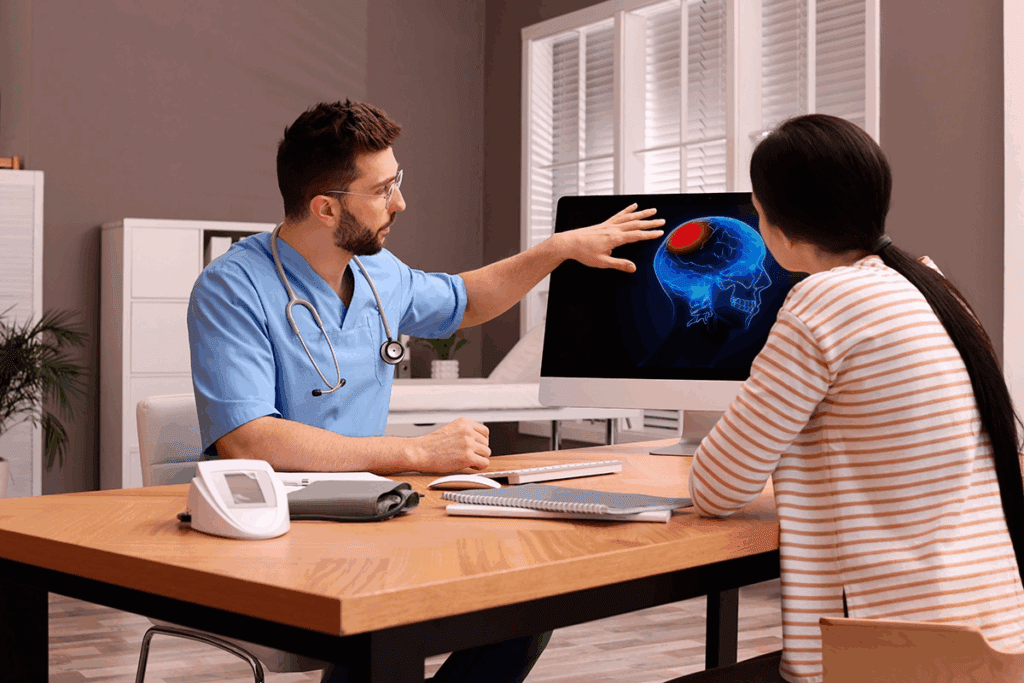
Neurology and neuropathology both aim to understand the nervous system. This shared goal is key to improving our knowledge of brain disorders and better patient care.
The Nervous System: The Common Focus
Neurology and neuropathology both study the nervous system but in different ways. Neurology deals with diagnosing and treating nervous system disorders. Neuropathology looks at tissues and cells to understand the causes of these diseases.
The nervous system is very complex, with many neurons and cells. Thanks to neuroimaging and neurological research, we know more about it today.
Historical Development of Both Disciplines
Neurology and neuropathology have grown together, helping us understand the nervous system. Early neuropathology studies helped lay the foundation for modern neurology.
As brain pathology and research have improved, so have both fields. New diagnostic tools and treatments have greatly helped patients.
Working together, neurologists and neuropathologists have made big strides in understanding brain disorders. Their teamwork continues to lead to new discoveries and better care for patients.
Defining Neurology: Scope and Practice
Neurology is a medical field that deals with the nervous system. It includes the brain, spinal cord, and nerves. Neurologists diagnose and treat disorders in these areas.
What is Neurology?
Neurology encompasses a wide range of conditions affecting the nervous system. This includes neurodegenerative diseases like Alzheimer’s and Parkinson’s. It also includes cerebrovascular disorders like stroke and neuroinfectious diseases like meningitis.
A neurology specialist uses various methods to diagnose and treat these conditions. They use clinical evaluation, neuroimaging, and electrophysiological studies.
Neurology has many subspecialties. This allows neurologists to focus on areas like epilepsy or movement disorders. This focus helps in making accurate diagnoses and effective treatments.
The Clinical Nature of Neurological Practice
Neurology is a clinical field. It involves direct patient care and applying medical knowledge. Clinical neurology requires a deep understanding of the nervous system.
Diagnosing neurological conditions is a key part of neurology. It involves a detailed patient history and physical examination. Diagnostic tests like MRI or EEG are also used.
After making a diagnosis, neurologists create a treatment plan. This plan may include medication, lifestyle changes, or referrals to other specialists.
| Aspect | Description |
| Scope | Diagnosis and treatment of neurological disorders |
| Subspecialties | Epilepsy, movement disorders, neuromuscular diseases, etc. |
| Diagnostic Tools | Neuroimaging (MRI, CT), electrophysiological studies (EEG, EMG) |
| Treatment Approaches | Medication, lifestyle modifications, surgical interventions |
Understanding Neuropathology: Definition and Domain
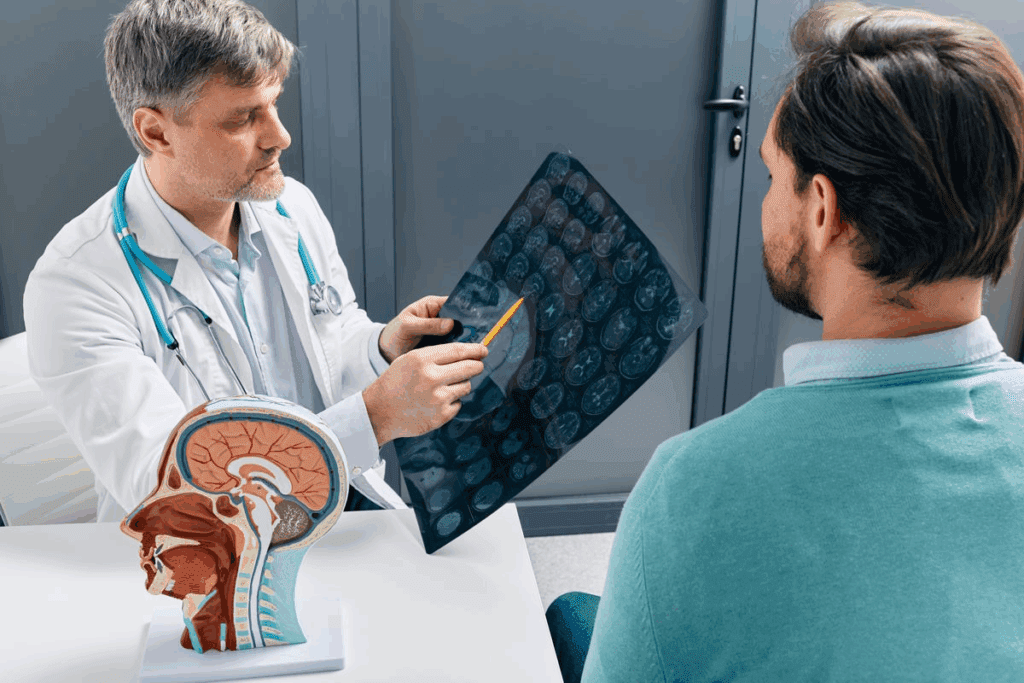
Neuropathology studies nervous system disorders by examining tissues and cells. It’s key to understanding neurological diseases.
What is Neuropathology?
Neuropathology looks at diseases of the nervous system, like the brain and spinal cord. It uses tissue samples to diagnose conditions. This gives insights into the disease processes.
A neuropathologist is essential in this field. They analyze tissue samples to find abnormalities. Their work helps in diagnosing and researching neurological diseases.
The Laboratory-Based Approach of Neuropathology
Neuropathology focuses on lab work, examining tissue samples. Techniques like histology and neuro histology are used. These help identify disease processes.
Neuropathology testing includes various procedures. It examines brain tissue to understand diseases. The results are vital for diagnosis and treatment planning.
Neurology vs Neuropathology: Key Differences
Neurology and neuropathology are two medical fields that study the nervous system. But they have different ways of working. Knowing these differences helps us see how each field helps patients.
Clinical vs Laboratory Focus
Clinical neurology focuses on treating patients with neurological problems. Neurologists use neurological examinations and tools to diagnose and treat. On the other hand, neuropathology is all about studying tissues and cells in a lab.
A neuropathology lab has special tools and experts to analyze samples. This helps diagnose diseases and guide treatments. While neurologists see patients, neuropathologists help by providing key diagnostic information.
Patient Interaction Differences
Neurologists talk directly with patients, taking their medical history and discussing treatments. This lets them understand symptoms and how treatments work.
Neuropathologists, on the other hand, work with samples and data from clinicians. They help confirm diagnoses and understand disease causes. Even though they don’t see patients, their work is key to patient care.
In short, neurology and neuropathology are both important for neurological diseases. They differ in how they work, what they focus on, and how they interact with patients. Understanding these differences shows how these specialties work together.
Educational Pathways: Becoming a Neurologist
Becoming a neurologist is a challenging yet rewarding journey. It starts with a strong educational foundation. The path to becoming a neurology specialist involves several years of rigorous medical education and training.
Aspiring neurologists must first complete medical school. There, they gain a deep understanding of human health and disease. This knowledge is key for their future specialization in neurology.
Medical School and Residency Requirements
After medical school, individuals must apply for a residency program in neurology. These programs offer hands-on experience in diagnosing and treating neurological disorders. They are supervised by experienced neurologists.
The residency period lasts four years. During this time, residents are exposed to various aspects of neurological research and clinical practice. This training is vital for developing the skills needed to become a proficient neurologist.
“The art of medicine is long, and life is short; the crisis is fleeting, experience is treacherous, and judgment is difficult.” – Hippocrates
After completing their residency, neurologists are ready to handle complex neurological cases. They may choose to pursue further specialization through fellowship programs.
Subspecialties Within Neurology
Neurology is a diverse field with several subspecialties in neurology. This allows practitioners to focus on specific areas of interest. Some of these subspecialties include:
- Stroke neurology
- Epilepsy
- Movement disorders
- Neuromuscular medicine
- Neurocritical care
These subspecialties enable neurologists to deepen their knowledge and expertise. They contribute to advancements in neurological research and patient care.
As the field of neurology evolves, ongoing medical education is key. It helps neurologists stay updated on the latest diagnostic techniques and treatment options.
Training to Become a Neuropathologist
Becoming a neuropathologist takes a lot of hard work and a solid base in pathology. These doctors focus on diseases of the nervous system. They need to know a lot about the nervous system and how diseases work.
Pathology Background and Specialized Training
To start as a neuropathologist, you need a good background in pathology. First, you must finish medical school. Then, you do residency training in pathology.
This training gives you a wide view of diseases and how to diagnose them. After that, you get into specialized training in neuropathology. This is through fellowship programs. They teach you a lot about diagnosing neurological disorders through tissue analysis and other methods.
Certification and Continuing Education
Getting certified in neuropathology is a big step. In the U.S., this is done through the American Board of Pathology. They offer certification in Neuropathology. To keep this certification, neuropathologists must keep learning about the latest in neuropathology testing and diagnosis.
Keeping up with new technologies and disease knowledge is key. Neuropathologists take part in workshops, conferences, and online courses. This helps them improve in areas like molecular diagnostics and certification in neuropathology.
The Neurologist’s Role in Patient Care
Neurologists play a key role in patient care, handling both diagnosis and treatment of complex neurological conditions. They are neurology specialists trained to manage a wide range of neurological disorders. This includes common issues like migraines and epilepsy, as well as complex diseases like Parkinson’s disease and multiple sclerosis.
Effective patient care starts with a detailed neurological diagnosis. This involves a thorough patient history, clinical exams, and advanced diagnostic tools. By accurately diagnosing conditions, neurologists can create targeted treatment plans for each patient.
Diagnosis of Neurological Conditions
Diagnosing neurological conditions requires a detailed approach. Neurologists use various techniques to find the cause of symptoms. This includes:
- Conducting thorough clinical examinations to assess neurological function.
- Utilizing neuroimaging techniques like MRI and CT scans to see the brain and nervous system.
- Performing electrophysiological studies like EEG and EMG to check electrical activity in the brain and muscles.
Treatment and Management Approaches
After diagnosis, neurologists create a neurology treatment plan for each patient. Treatment options vary based on the condition. They may include:
- Medications to manage symptoms or slow disease progression.
- Lifestyle changes and rehabilitation therapies to improve quality of life.
- Surgical interventions in some cases, often with neurosurgeons.
Effective patient care in neurology is ongoing. It requires continuous monitoring and adjusting treatment plans as needed. By working closely with patients and other healthcare professionals, neurologists provide detailed care for those with neurological conditions.
The Neuropathologist’s Contribution to Medicine
Neuropathologists play a key role in understanding and treating neurological diseases. They analyze tissues and identify diseases. This helps in diagnosing and treating complex conditions.
Tissue Analysis and Disease Identification
Neuropathologists specialize in diagnosing nervous system diseases. They examine brain tissue and other samples. This helps them understand and identify neurological diseases.
Neuropathology testing is essential for precise diagnosis. It allows for tailored treatment plans. By analyzing tissues, they can pinpoint diseases like neurodegenerative disorders and cancers.
Research and Knowledge Advancement
Neuropathologists also contribute to research in neuropathology. They study neurological diseases in the lab. This research helps improve treatments and clinical practices.
Their work goes beyond diagnosis. It helps us understand and treat neurological disorders better. This knowledge is vital for developing effective treatments and improving patient care.
| Contribution | Description | Impact |
| Tissue Analysis | Examination of neurological samples | Accurate diagnosis of neurological diseases |
| Disease Identification | Identification of specific neurological conditions | Targeted treatment plans |
| Research | Study of neurological diseases | Advancements in treatment and patient care |
Diagnostic Methods in Neurology
Diagnosing neurological conditions requires a detailed approach. This includes clinical assessments and electrophysiological studies. Neurologists use these methods to identify and manage neurological issues effectively.
Clinical Examinations and Patient History
A thorough clinical examination is key in neurological diagnosis. It involves a detailed patient history and physical examination. Clinical examinations help identify signs and symptoms for further testing.
Neurologists assess cognitive function, motor skills, sensory perception, and reflexes during the examination. A patient’s history provides context, helping neurologists understand symptoms’ onset, progression, and characteristics.
Neuroimaging Techniques
Neuroimaging is vital in neurological diagnosis, allowing visualization of the brain and spinal cord. Techniques like Magnetic Resonance Imaging (MRI), Computed Tomography (CT) scans, and Positron Emission Tomography (PET) scans provide detailed images. These images help diagnose structural abnormalities, injuries, and diseases.
Neuroimaging techniques are essential for diagnosing conditions like stroke, tumors, and neurodegenerative diseases. They also guide treatment decisions and monitor disease progression.
Electrophysiological Studies
Electrophysiological studies, including Electroencephalography (EEG) and Electromyography (EMG), measure the electrical activity of the brain and muscles. These tests are critical for diagnosing and monitoring conditions such as epilepsy, nerve damage, and muscle disorders.
EEG records brain activity, helping diagnose seizure disorders and monitor brain function in various neurological conditions. EMG assesses muscle activity, aiding in the diagnosis of neuromuscular diseases.
Diagnostic Techniques in Neuropathology
Understanding neurological diseases needs a detailed approach to diagnosis. This involves many neuropathological tests. Neuropathologists use different techniques to diagnose these conditions.
Histological Examination
Histological examination is key in neuropathology. It involves looking at tissue samples under a microscope. This helps neuropathologists see changes in tissues, like inflammation or tumors. Histological examination is key for diagnosing Alzheimer’s disease, as it finds amyloid plaques and neurofibrillary tangles.
Immunohistochemistry
Immunohistochemistry uses antibodies to find specific proteins in tissue samples. It’s great for spotting disease markers or pathogens. For example, it can find viral antigens in brain tissue to diagnose viral encephalitis. Its accuracy makes it a strong tool in neuropathological diagnosis.
Molecular and Genetic Testing
Molecular and genetic testing look at DNA or RNA to find genetic changes linked to diseases. Methods like PCR and next-generation sequencing are used. These tests can spot genetic disorders, like Huntington’s disease, by finding the specific genetic mutation. A leading neuropathologist says, “Molecular diagnostics has changed neuropathology, making diagnosis and treatment more precise.”
“The use of molecular and genetic testing in neuropathology has greatly improved our ability to diagnose and understand complex neurological diseases.”
Common Neurological Disorders and Their Diagnosis
Neurological disorders, like neurodegenerative diseases and cerebrovascular disorders, need precise diagnosis. These conditions affect millions globally, impacting their lives and requiring detailed care.
Neurodegenerative Diseases
Neurodegenerative diseases, like Alzheimer’s and Parkinson’s, cause neuron loss. Early diagnosis is key for effective management. Neurologists use clinical exams, patient history, and advanced tests to spot these diseases.
Neuropathology plays a big role in understanding these diseases. It involves looking at tissue samples and molecular tests to confirm diagnosis and track disease progress.
Cerebrovascular Disorders
Cerebrovascular disorders, including stroke, come from brain blood vessel issues. Timely diagnosis is vital to avoid permanent damage. Neurologists use MRI and CT scans for accurate diagnosis.
Neuropathologists help by examining tissue samples. This is key for creating effective treatment plans.
Neuroinfectious Diseases
Neuroinfectious diseases, like meningitis, are caused by infections affecting the nervous system. Quick and accurate diagnosis is critical for treatment. Neurologists and neuropathologists team up, using lab tests and clinical exams for diagnosis.
Diagnosis often involves CSF analysis and imaging to find the infection and its extent.
How Neuropathology Informs Neurological Practice
Neurology and neuropathology work together to better understand and treat complex brain conditions. By using neuropathology tests, doctors can make more accurate diagnoses and choose the right treatments.
Collaborative Diagnosis of Complex Cases
Diagnosing tough brain disorders needs teamwork between neurologists and neuropathologists. They examine tissue samples to get key information that helps confirm or change diagnoses.
Key aspects of collaborative diagnosis include:
- Integration of clinical and pathological findings
- Use of advanced diagnostic techniques such as immunohistochemistry and molecular testing
- Multidisciplinary team discussions to correlate pathological findings with clinical presentations
Impact on Treatment Decisions
Neuropathology findings greatly influence treatment choices in brain care. They help doctors pick the best treatments and interventions by giving a clear diagnosis.
| Condition | Neuropathological Finding | Treatment Implication |
| Glioblastoma | High-grade astrocytoma | Aggressive chemotherapy and radiation therapy |
| Alzheimer’s Disease | Amyloid plaques and neurofibrillary tangles | Cholinesterase inhibitors and supportive care |
The partnership between neurology and neuropathology is key to improving patient care and outcomes in complex brain disorders.
Research Contributions: Neurology and Neuropathology
Neurology and neuropathology lead the way in treating brain and nervous system diseases. Their work has greatly improved our knowledge of the nervous system. This has also led to better care for patients.
Clinical Research in Neurology
Clinical research in neurology aims to better diagnose and treat brain disorders. Neurologists study new treatments and understand disease causes. They also look for risk factors.
Key areas of clinical research in neurology include:
- Investigating new treatments for neurodegenerative diseases like Alzheimer’s and Parkinson’s.
- Improving diagnostic criteria for neurological conditions.
- Exploring the efficacy of various therapeutic approaches.
A big success in clinical research is the creation of treatments for multiple sclerosis. These treatments have greatly improved the management of this disease.
| Research Area | Focus | Potential Impact |
| Neurodegenerative Diseases | Understanding disease mechanisms and developing new treatments. | Slowing disease progression and improving patient quality of life. |
| Stroke and Cerebrovascular Diseases | Improving acute and preventive care. | Reducing morbidity and mortality associated with stroke. |
Laboratory Research in Neuropathology
Laboratory research in neuropathology is key to understanding brain diseases. Neuropathologists study tissue samples to find disease characteristics. They also explore the underlying causes.
Key aspects of laboratory research in neuropathology include:
- Analyzing tissue samples to understand disease pathology.
- Utilizing advanced techniques like immunohistochemistry and molecular genetics.
- Contributing to the development of personalized medicine approaches.
“The detailed examination of tissue samples by neuropathologists provides invaluable insights into the nature of neurological diseases, guiding clinical practice and research.”
Laboratory research in neuropathology informs clinical practice and helps find new treatments.
The work of neurology and neuropathology together is vital for understanding and treating brain diseases. Their ongoing collaboration and innovation promise better care for patients.
Future Trends in Neurology and Neuropathology
Technology and teamwork are changing neurology and neuropathology. These fields will grow, thanks to new tech and a team effort. This will help us better understand and treat nervous system problems.
Technological Advancements
New tech is changing neurology and neuropathology. Neuroimaging techniques like MRI and PET scans help doctors spot problems early and accurately.
Artificial intelligence (AI) and machine learning are also making a big difference. They help doctors understand data, find patterns, and predict how patients will do. This makes diagnosis and treatment better for each patient.
“The integration of AI in neurology and neuropathology is not just a futuristic concept; it’s a current reality that’s improving patient care.”
Here’s a table showing some key tech advancements and their effects on neurology and neuropathology:
| Technological Advancement | Impact on Neurology | Impact on Neuropathology |
| High-resolution Neuroimaging | Earlier diagnosis of neurological disorders | More accurate tissue analysis |
| AI and Machine Learning | Personalized treatment plans | Enhanced predictive analytics for disease progression |
| Genomic and Proteomic Analysis | Identification of genetic markers for neurological diseases | Detailed understanding of disease mechanisms at the molecular level |
Integrated Approaches to Nervous System Disorders
The future of neurology and neuropathology is about working together. Doctors, researchers, and patients will team up to create better care plans.
Interdisciplinary collaboration is key for complex neurological issues. By working together, we can understand these disorders better and find better treatments.
As we look ahead, we need to keep investing in tech and research. This will help us understand and treat neurological and neuropathological disorders better.
Conclusion: The Complementary Relationship Between Neurology and Neuropathology
Neurology and neuropathology are two important medical fields that work together. They help us understand and treat neurological disorders. Neurology focuses on clinical care, while neuropathology looks at tissues and diseases.
This teamwork is key for accurate diagnosis of brain diseases. It allows doctors to give better care to patients with complex conditions. By using both neurology and neuropathology, doctors can create specific treatment plans.
The connection between neurology and neuropathology shows the need for teamwork in treating neurological disorders. As we learn more about the nervous system, their partnership will be even more important. This will help us find better ways to diagnose and treat brain diseases.
Understanding how neurology and neuropathology work together can lead to better patient care. It helps improve the quality of life for those with neurological disorders.
FAQ
What is the main difference between neurology and neuropathology?
Neurology deals with diagnosing and treating brain and nerve disorders. Neuropathology, on the other hand, studies tissue samples to understand disease causes.
What is the role of a neurologist in patient care?
Neurologists diagnose and treat brain and nerve problems. They use tests like MRI and EEG to manage patient care.
How does neuropathology contribute to the diagnosis of neurological disorders?
Neuropathologists study tissue samples to help diagnose diseases. They use tests like histology and genetic testing for this purpose.
What are the educational requirements for becoming a neurologist?
To be a neurologist, one needs to finish medical school and a neurology residency. They also get extra training in specific areas of neurology.
What training is required to become a neuropathologist?
Neuropathologists need a background in pathology and training in neuropathology. They also get certified and keep learning to stay current.
How do neurology and neuropathology collaborate in the diagnosis of complex cases?
Neurologists and neuropathologists team up to solve tough cases. Neuropathologists analyze tissue to help neurologists make treatment plans.
What are some common neurological disorders?
Common disorders include Alzheimer’s, Parkinson’s, stroke, and meningitis. These affect the brain and nervous system.
How do technological advancements impact neurology and neuropathology?
New tech like better imaging and molecular tests help diagnose and treat diseases. These advancements are changing neurology and neuropathology.
What is the significance of the interplay between neurology and neuropathology?
Working together, neurology and neuropathology offer a full approach to diagnosing and treating diseases. This teamwork is key to managing neurological disorders.
What is the future of neurology and neuropathology research?
Research in these fields is growing our knowledge of diseases. It leads to new treatments and therapies, improving patient care.
References
National Institutes of Health. Evidence-Based Medical Insight. Retrieved from
https://www.ninds.nih.gov/health-information/public-education/brain-basics/know-your-brain