Clinical Neurophysiology focused on advanced diagnostic testing to evaluate brain, nerve, and muscle function with precision

Discover the field of Clinical Neurophysiology and its role in evaluating the nervous system. Learn about the electrical signals of the brain and nerves and the specialists who interpret them.

We're Here to Help.
Get in Touch.

Send us all your questions or requests, and our expert team will assist you.

Doctors

Overview and Definition

What Is Clinical Neurophysiology?

Clinical Neurophysiology is a medical specialty that focuses on the function of the central and peripheral nervous systems by recording their bioelectrical activity. While anatomy deals with the structure of the body, physiology deals with how it works. This field is the “software” diagnostic arm of neurology. It involves measuring the electrical signals generated by the brain, spinal cord, sensory organs, and muscles.

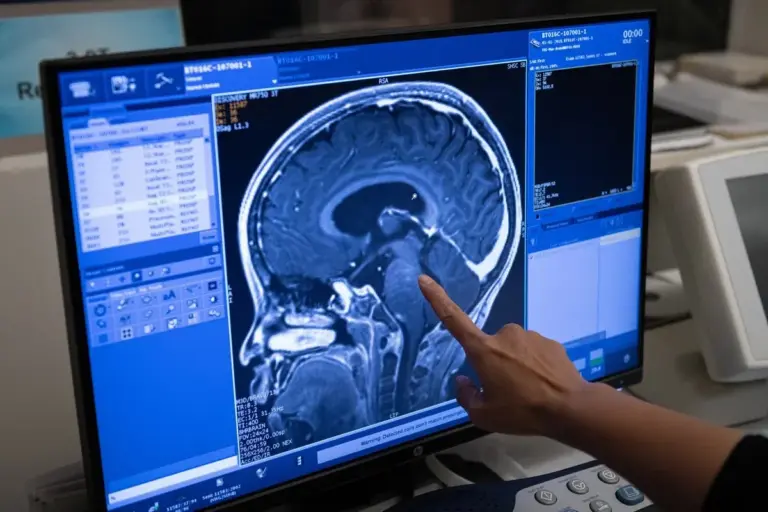
These measurements provide crucial data about how well the nervous system is communicating. It is essential for diagnosing a wide range of conditions, from epilepsy and sleep disorders to nerve injuries and muscle diseases.

Scope and Techniques

The scope of clinical neurophysiology is broad, encompassing several key diagnostic techniques. Electroencephalography (EEG) records the electrical activity of the brain and is the primary tool for evaluating seizures. Electromyography (EMG) and Nerve Conduction Studies (NCS) assess the health of muscles and the nerve cells that control them.

Evoked Potentials (EPs) measure the electrical signals generated by the nervous system in response to sensory stimuli, such as light or sound. Intraoperative Neuromonitoring (IOM) is a specialized application used to protect the nervous system during complex surgeries, such as spinal fusion or brain tumor resection.

Symptoms and Risk Factors

Icon LIV Hospital

Indications for Testing

interior empty science laboratory with modern equipment prepared treatment innovation nervous system using high tech microbiology tools scientific research neurological lab 16 LIV Hospital

Patients are referred to a clinical neurophysiologist when there is a suspicion of a functional problem within the nervous system. Common symptoms prompting an evaluation include unexplained seizures, staring spells, or confusion, which often require EEG investigation.

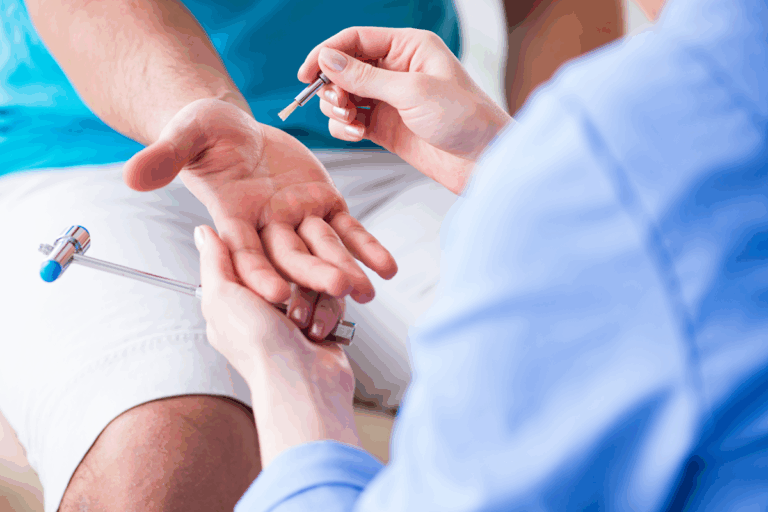
Numbness, tingling, burning pain in the limbs, or muscle weakness suggest peripheral nerve or muscle issues, necessitating EMG and NCS. Vision problems or balance issues that are not explained by eye or ear exams may lead to Evoked Potential testing to check the integrity of the pathways to the brain.

Icon 1 LIV Hospital

Conditions Evaluated

Clinical Neurophysiology

A wide array of conditions is diagnosed and managed through this specialty. Epilepsy is perhaps the most common, where long-term video-EEG monitoring is used to characterize seizure types and localize their onset. Neuromuscular disorders, such as Carpal Tunnel Syndrome, Myasthenia Gravis, and Amyotrophic Lateral Sclerosis (ALS), rely heavily on electrodiagnostic testing for confirmation.

Demyelinating diseases like Multiple Sclerosis are often evaluated using Visual Evoked Potentials (VEP) to detect subclinical damage to the optic nerve. Sleep disorders, including sleep apnea and narcolepsy, also fall under the purview of clinical neurophysiology through polysomnography.

Diagnosis and Imaging

Electroencephalography (EEG)

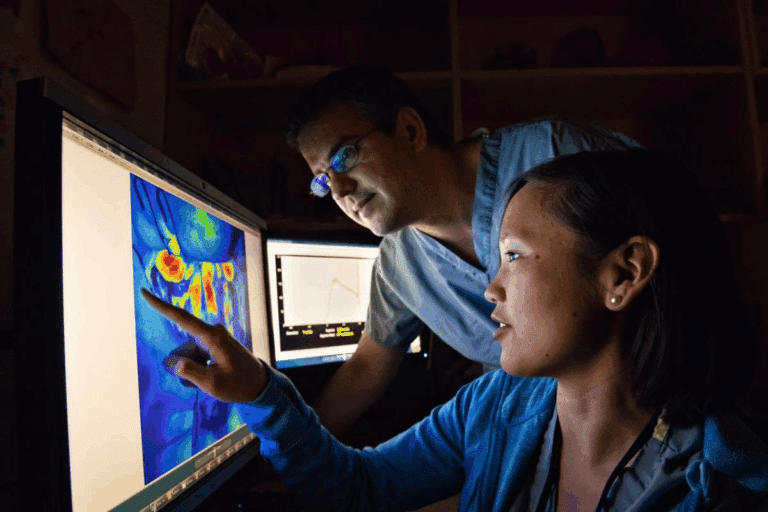
EEG is the cornerstone of evaluating cerebral function. It involves placing electrodes on the scalp to detect voltage fluctuations resulting from ionic current within the neurons of the brain. It is the gold standard for differentiating between epileptic seizures and non-epileptic events (such as fainting or psychogenic attacks). Advanced quantitative EEG (qEEG) and brain mapping are used in some centers to analyze brain wave patterns in greater detail, particularly in the context of dementia or traumatic brain injury.

Electromyography (EMG) and Nerve Conduction Studies (NCS)

These tests are almost always performed together. NCS involves stimulating a nerve with a mild electrical impulse and measuring the speed and strength of the signal as it travels to a muscle or sensory receptor. This helps localize nerve damage (e.g., is it in the wrist, elbow, or neck?). EMG involves inserting a thin needle electrode into a muscle to record its electrical activity at rest and during contraction. This distinguishes between primary muscle diseases (myopathies) and nerve disorders (neuropathies) that cause muscle weakness.

Clinical Neurophysiology

Treatment and Rehabilitation

Intraoperative Neuromonitoring (IOM)

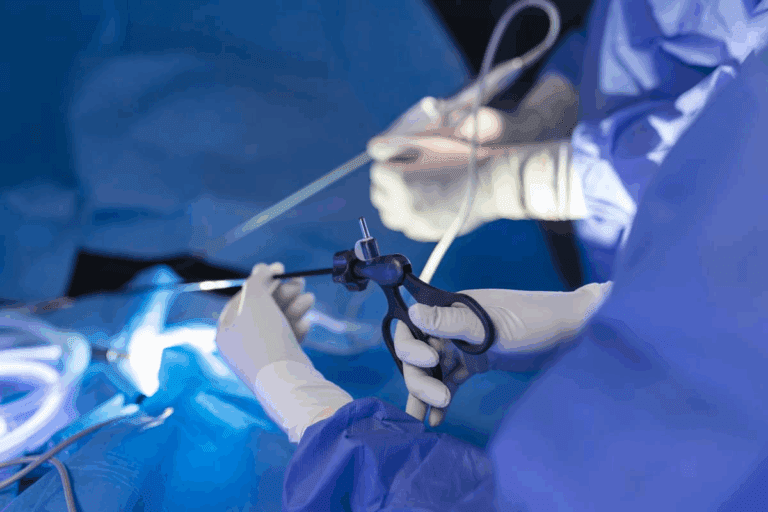
One of the most critical treatment-related roles of clinical neurophysiology is in the operating room. IOM involves the real-time monitoring of neural pathways during surgery to prevent permanent damage. For example, during scoliosis surgery, somatosensory and motor evoked potentials are monitored to ensure the spinal cord is not compromised during the straightening of the spine. If a change in signals is detected, the neurophysiologist alerts the surgeon immediately, allowing for corrective action before permanent paralysis occurs.

Therapeutic Guidance

Clinical neurophysiology also guides therapeutic interventions. In the management of movement disorders like dystonia or spasticity, EMG is used to precisely guide injections of botulinum toxin (Botox) into the overactive muscles. In deep brain stimulation (DBS) for Parkinson’s disease, microelectrode recording is used during surgery to ensure the lead is placed in the exact target nucleus of the brain for maximum symptom relief.

Long-Term Care

Monitoring Chronic Conditions

For chronic conditions like epilepsy, clinical neurophysiology plays a vital role in long-term management. Routine EEGs help determine if medication is effective or if it is safe for a patient to stop taking medication after a seizure-free period. In the intensive care unit, continuous EEG monitoring is used to detect “silent” seizures in comatose patients or to assess the depth of coma and the potential for recovery after cardiac arrest or severe brain injury.

Prognostic Value

The data gathered from neurophysiological tests often provide powerful prognostic information. In conditions like Guillain-Barré syndrome, the results of nerve conduction studies early in the disease course can help predict the likelihood and speed of recovery. Similarly, in traumatic nerve injuries, EMG can detect the earliest signs of nerve regeneration weeks or months before clinical movement returns, guiding decisions on whether surgical repair is necessary or if conservative management should continue.

30 Years of
Excellence

Trusted Worldwide

With patients from across the globe, we bring over three decades of medical

Book a Free Certified Online
Doctor Consultation

Clinics/branches
Assoc. Prof. MD. Halil Can Assoc. Prof. MD. Halil Can Neurology
Group 346 LIV Hospital

Reviews from 9,651

4,9

Was this article helpful?

Was this article helpful?

We're Here to Help.
Get in Touch.

Send us all your questions or requests, and our expert team will assist you.

Doctors

FREQUENTLY ASKED QUESTIONS

What is clinical neurophysiology in simple terms?

Clinical neurophysiology studies how the nervous system works by measuring electrical activity. It focuses on function rather than structure.

Yes, it is a subspecialty within neurology that concentrates on functional testing and signal interpretation. It complements clinical examination and imaging.

No, it includes the brain, spinal cord, peripheral nerves, and muscles. It evaluates the entire nervous system as an integrated network.

Many neurological disorders affect how nerves work rather than how they look. Functional testing detects abnormalities that imaging may miss.

It is used for diagnosis, disease monitoring, and treatment evaluation. It also helps classify neurological disorders more precisely.

Spine Hospital of Louisiana

Let's Talk About Your Health

BUT WAIT, THERE'S MORE...

Leave your phone number and our medical team will call you back to discuss your healthcare needs and answer all your questions.

Let's Talk About Your Health

How helpful was it?

helpful
helpful
helpful
Your Comparison List (you must select at least 2 packages)