Learn about the specialized field of Headache Medicine. Understand the difference between a common headache and complex neurological conditions at Liv Hospital.

We're Here to Help.
Get in Touch.

Send us all your questions or requests, and our expert team will assist you.

Doctors

Overview and Definition

What is Headache Medicine?

Headache Medicine is a dedicated subspecialty of neurology focused on the diagnosis and management of various disorders that cause pain in the head, face, and upper neck. A headache is not merely a single symptom; it is a clinical spectrum ranging from mild, occasional pressure to debilitating chronic conditions that interfere with daily life. Because the brain itself does not have pain receptors, headache pain arises from the surrounding nerves, blood vessels, and muscles.

Understanding The Different Types Of Headaches

To define the scope of this field simply, one must understand that there are over one hundred and fifty distinct types of headaches recognized by the international medical community. These are generally divided into primary and secondary categories.

  • Primary conditions, such as a tension headache or migraine, where the pain itself is the main issue.
  • Secondary conditions, where the pain is a signal of another underlying biological failure or injury.
  • Specialized variants like cluster headaches that require specific clinical protocols.

Defining the success of a treatment plan starts with an accurate classification. Specialists at Liv Hospital utilize high-tech diagnostic frameworks to ensure that the patient’s specific condition is correctly identified. By understanding these variations, clinicians can provide more than just temporary relief; they can provide a definitive solution for long-term health.

Symptoms and Risk Factors

Icon LIV Hospital

Identifying the Types of Headaches

NEUROLOGY

The first step in how to get rid of a headache is identifying its specific characteristics. The most common types of headaches include:

  • Tension Headache: Often described as a “tight band” around the head, these are usually related to stress or muscle strain.
  • Migraine: A severe, throbbing pain often accompanied by nausea and sensitivity to light or sound.
  • Cluster Headaches: Intense, piercing pain usually centered around one eye; these occur in “clusters” over several weeks.
  • Sinus Headache: Pain associated with pressure in the cheeks and forehead, often linked to a respiratory infection.
  • Cervicogenic Headache: Pain that originates from the structures of the neck (cervical spine) and “refers” up to the head.
Icon 1 LIV Hospital

Common Headache Causes

NEUROLOGY

Understanding headache causes involves looking at both biological and environmental triggers:

  • Neurological Triggers: Fluctuations in brain chemicals like serotonin.
  • Lifestyle Factors: Lack of sleep, dehydration, and skipping meals.
  • Environmental Stress: Bright lights, strong odors, or weather changes.
  • Physical Strain: Poor posture can lead to a cervicogenic headache or a tension headache.

Diagnosis and Imaging

The Diagnostic Pathway

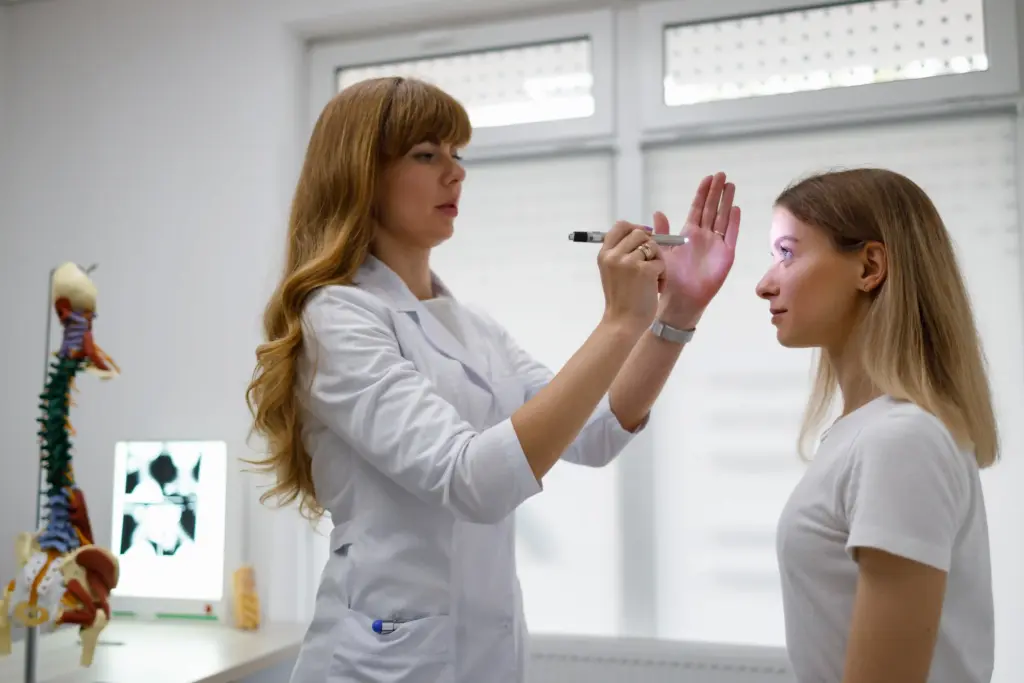
In Headache Medicine, the patient’s history is the most powerful diagnostic tool. At Liv Hospital, we ask patients to keep a “headache diary” to track the frequency, duration, and triggers of their pain. We also perform a comprehensive neurological exam to rule out secondary headache causes like high blood pressure or inflammatory disorders.

The Role of Imaging

Most primary headaches, such as a migraine or tension headache, do not show up on standard scans. However, imaging is vital when “red flags” are present:

  • MRI: Used to rule out tumors, structural abnormalities, or issues in the brain’s white matter.
  • MRA/MRV: Specialized scans used to check the blood vessels for aneurysms or clots.
  • CT Scan: Often used in emergency settings to quickly rule out a brain bleed.
  • X-ray: Occasionally used to evaluate the neck for a suspected cervicogenic headache.
headache medicine

Treatment and Rehabilitation

Acute and Preventative Treatment

The clinical approach to Headache Medicine involves two strategies: stopping an active attack and preventing future ones.

  • Acute Relief: For occasional pain, over the counter pain relievers for headaches (such as ibuprofen or acetaminophen) can be effective. For a severe migraine, triptans are used to narrow blood vessels and block pain pathways.
  • Preventative Care: If you have more than four headache days a month, we may prescribe beta-blockers, CGRP inhibitors, or Botox injections to reduce the brain’s sensitivity to pain triggers.

Rehabilitation and Procedures

For a sinus headache or cervicogenic headache, treatment may include:

  • Nerve Blocks: Injecting numbing medicine around specific nerves in the head or neck.
  • Physical Therapy: Focusing on neck posture and muscle relaxation to reduce the frequency of a tension headache.
  • Biofeedback: Teaching patients to control physiological responses to stress to prevent attacks.

Long-Term Care

Essential Long-Term Strategies

The key to how to get rid of a headache permanently is lifestyle modification.

  • The “SEEDS” Protocol: Focus on Sleep, Exercise, Eating regularly, Diary keeping, and Stress management.
  • Avoid Medication Overuse: Over-using over the counter pain relievers for headaches (more than 10 days a month) can actually cause “rebound” headaches, making the cycle worse.
  • Hydration: Dehydration is a leading trigger; aim for consistent water intake throughout the day.
  • Ergonomics: Ensure your workspace supports your neck to prevent a cervicogenic headache.

Why Choose Liv Hospital?

Liv Hospital offers a world-class center for Headache Medicine. Our team includes board-certified neurologists and pain management specialists who provide an integrated approach to even the most “treatment-resistant” cases. We combine advanced diagnostics with the latest biological therapies to help you reclaim your life from chronic pain. We encourage you to reach out and call Liv Hospital to schedule a consultation with our headache specialists.

30 Years of
Excellence

Trusted Worldwide

With patients from across the globe, we bring over three decades of medical

Book a Free Certified Online
Doctor Consultation

Clinics/branches
Assoc. Prof. MD. Halil Can Assoc. Prof. MD. Halil Can Neurology
Group 346 LIV Hospital

Reviews from 9,651

4,9

Was this article helpful?

Was this article helpful?

We're Here to Help.
Get in Touch.

Send us all your questions or requests, and our expert team will assist you.

Doctors

FREQUENTLY ASKED QUESTIONS

What does headache medicine mean?

It refers to treatments used to relieve or prevent headaches by targeting pain pathways and underlying mechanisms.

No, different headache types require different treatments. The best option depends on the headache diagnosis.

No, headache management includes both medication and non medication approaches.

Not always. Some headaches improve with lifestyle changes and non drug strategies.

Because treatment effectiveness depends on matching the medicine to the headache type.

Spine Hospital of Louisiana

How helpful was it?

helpful
helpful
helpful
Your Comparison List (you must select at least 2 packages)