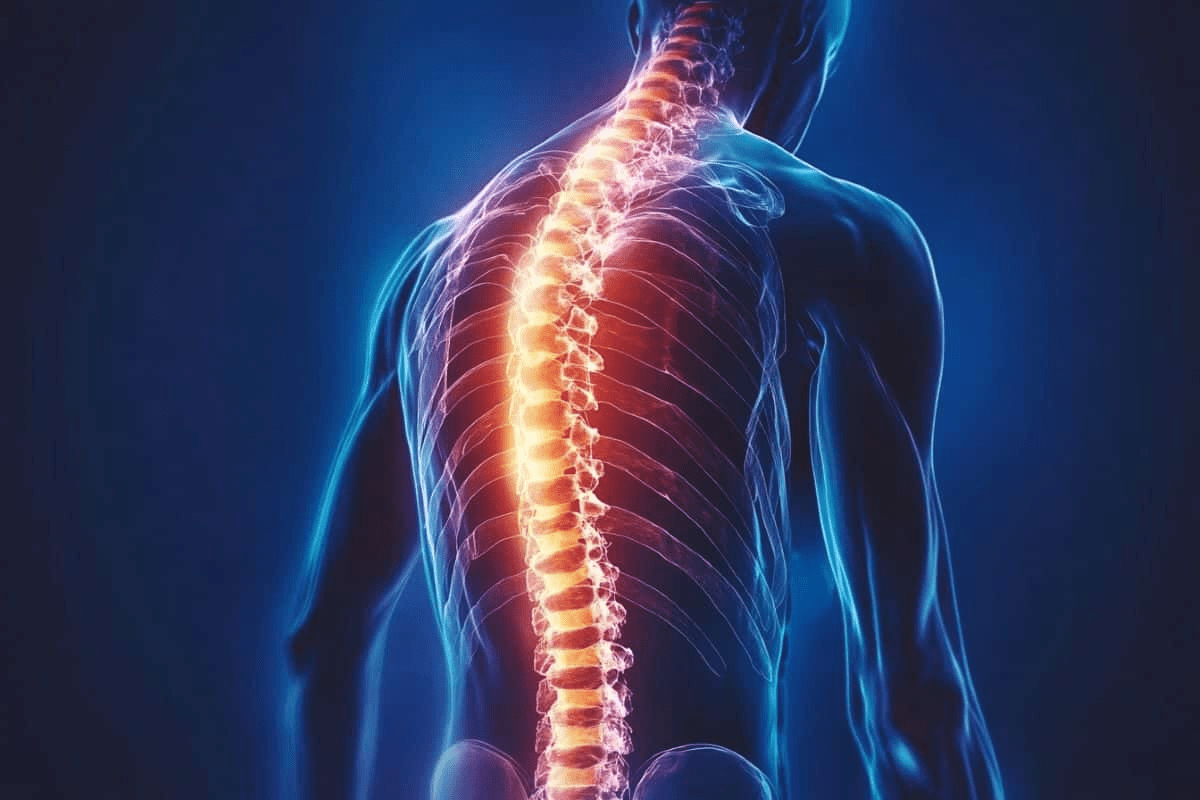
Neurology diagnoses and treats disorders of the nervous system, including the brain, spinal cord, and nerves, as well as thought and memory.
Send us all your questions or requests, and our expert team will assist you.
Neurorehabilitation treatments and procedures help you improve your abilities and adjust after problems with your brain, spine, or nerves. Instead of only trying to fix the cause of the problem, these treatments teach your nervous system to adapt and help you learn new ways to do things, even if you have some limits. The goal is not always to get back everything you lost, but to help you become more independent, safe, and able to enjoy your life.
Neurorehabilitation treatment changes over time as you make progress, face new challenges, or set new goals for what you want to do in daily life.
All neurorehabilitation interventions are guided by principles that emphasize function, repetition, and adaptability.
Treatment focuses on activities that are directly relevant to daily life.
Key principles include
• Task-specific practice
• Repetition to reinforce neural pathways
• Progressive challenge within safe limits
This approach supports effective neurological adaptation.
Physical rehabilitation addresses movement, strength, balance, and endurance.
Interventions aim to improve efficiency and control rather than isolated muscle strength.
Physical rehabilitation may focus on
• Gait and balance training
• Postural control and stability
• Functional strengthening during movement
These strategies support safer mobility and independence.
Occupational approaches address the ability to perform daily activities.
Treatment targets tasks such as self-care, household activities, and work-related functions.
Occupational strategies may include
• Task modification and adaptation
• Training in efficient movement patterns
• Environmental adjustment for safety
These interventions enhance participation in everyday life.
Cognitive rehabilitation addresses deficits in thinking, attention, and executive function.
Treatment focuses on improving cognitive processes essential for daily functioning.
Cognitive rehabilitation may involve
• Attention and concentration training
• Memory strategy development
• Problem-solving and planning exercises
Cognitive improvement supports engagement in all rehabilitation domains.
Communication-focused treatment supports effective expression and understanding.
Interventions address speech clarity, language processing, and functional communication.
Treatment may focus on
• Speech production and fluency
• Language comprehension and expression
• Alternative communication strategies when needed
Effective communication improves social participation.
Sensory processing influences balance, coordination, and safety.
Treatment helps individuals interpret and respond to sensory input more effectively.
Sensory rehabilitation may involve
• Proprioceptive training
• Visual and auditory integration exercises
• Multisensory task practice
Improved sensory integration supports movement confidence.
Technology may support neurorehabilitation by enhancing feedback and engagement.
Technological tools are used to complement traditional therapy.
These tools may assist with
• Movement feedback and monitoring
• Task repetition and motivation
• Objective progress tracking
Technology supports consistency and precision in training.
In selected cases, procedural approaches may complement rehabilitation.
Advanced techniques aim to enhance neuromuscular activation or functional engagement.
These approaches are considered
• As part of a broader rehabilitation plan
• Based on individual functional needs
• With careful monitoring of response
Procedural methods support but do not replace rehabilitation.
Neurorehabilitation treatment is continuously adjusted to match progress and emerging needs.
Treatment progression emphasizes adaptability, ensuring that interventions remain relevant and effective as recovery evolves.
Effective treatment relies on coordination across rehabilitation disciplines, ensuring that physical, cognitive, and functional goals are addressed cohesively.
This coordinated approach enhances consistency and long-term outcomes.
Send us all your questions or requests, and our expert team will assist you.
To improve function and independence.
No. It includes cognitive and functional approaches.
Yes. It adapts as recovery progresses.
They may support therapy in selected cases.
No. They complement rehabilitation strategies.
After brain surgery, what you eat is key to getting better. Sadly, nearly 40% of patients don’t get enough nutrients, which can slow down healing.best
Nearly 50,000 people have brain surgery every year in the United States. Many are curious about when they can start driving again. The time it
Having brain surgery is a big deal, and recovery needs careful attention. One important thing is keeping clean, like washing your hair. It’s important to
Recent studies show that patients who have minimally invasive cardiac surgery recover faster than those with traditional open surgery. This is a big deal because
Having a microdiscectomy is a big step to ease back pain. But, it’s key to know about the recovery process that comes with it. Many
Having a microdiscectomy can be scary, and many wonder about moving around after. Instituto Clavel says patients should take short walks and climb stairs once
Leave your phone number and our medical team will call you back to discuss your healthcare needs and answer all your questions.
Your Comparison List (you must select at least 2 packages)