Discover what Sleep Apnea is, and how this sleep disorder affects breathing. Learn about the specialists who treat it and the importance of sleep health.
Send us all your questions or requests, and our expert team will assist you.
Overview and Definition
Sleep Apnea is a potentially serious sleep disorder in which breathing repeatedly stops and starts. When asking what is sleep apnea it is important to understand that the term apnea literally means without breath. This cessation of breathing occurs when the muscles in the back of the throat relax too much to keep the airway open or when the brain fails to send signals to the muscles that control breathing.
These pauses can last from a few seconds to minutes and may occur thirty times or more an hour. As a result the oxygen level in the blood drops. When the brain senses this inability to breathe it briefly wakes the person up to reopen the airway. This awakening is usually so brief that the person does not remember it. Consequently the quality of sleep is poor leading to excessive daytime sleepiness and fatigue.
There are three main types of sleep apnea. Obstructive sleep apnea is the most common form that occurs when throat muscles relax and block the flow of air into the lungs. Central sleep apnea occurs when the brain does not send proper signals to the muscles that control breathing. This is distinct from the obstructive type because there is no physical blockage but rather a failure of communication in the central nervous system.
Complex sleep apnea syndrome also known as treatment emergent central sleep apnea occurs when someone has both obstructive sleep apnea and central sleep apnea. Understanding the specific type is crucial because the treatment approaches differ significantly for each.
Symptoms and Risk Factors

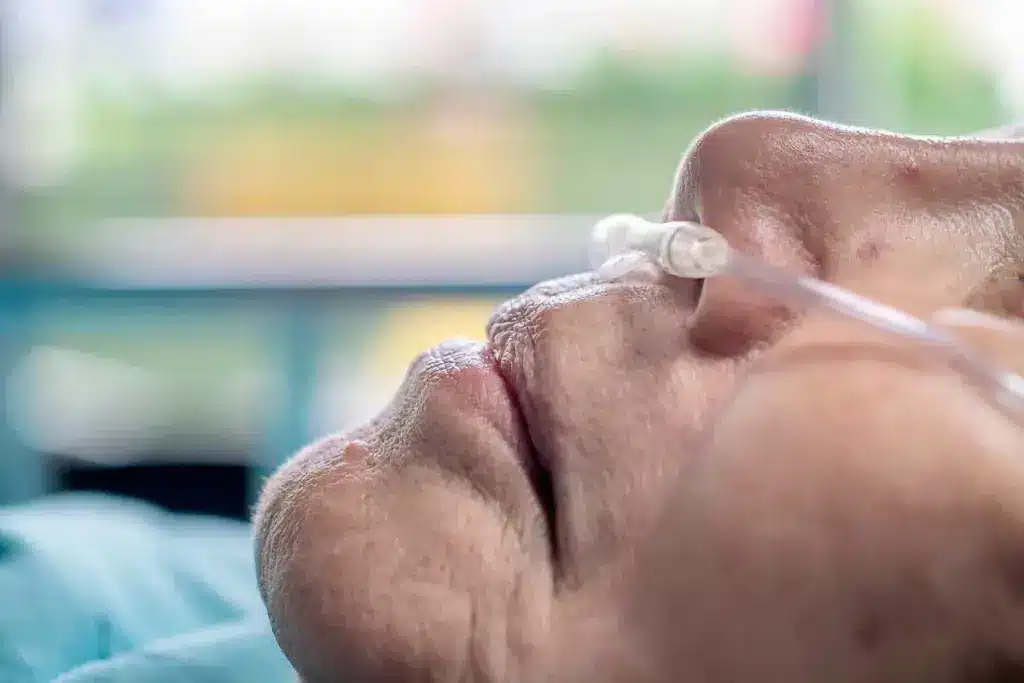
The signs and symptoms of obstructive and central sleep apnea overlap sometimes making it difficult to determine which type you have. The most common symptom of obstructive sleep apnea is loud snoring that is often uneven or punctuated by gasping or choking sounds.
However not everyone who snores has sleep apnea. Other prominent symptoms include episodes of stopped breathing during sleep reported by another person. Waking up with a dry mouth or sore throat is frequent.
Morning headache is also common due to low oxygen levels and high carbon dioxide retention. Excessive daytime sleepiness known as hypersomnia makes it difficult to concentrate at work or stay awake while driving. Mood changes such as irritability depression or anxiety are also frequent due to chronic sleep deprivation.

Sleep Apnea affects anyone even children but certain factors increase the risk. Excess weight is the leading risk factor for obstructive sleep apnea. Fat deposits around the upper airway can obstruct breathing.
Neck circumference is also a reliable predictor as people with thicker necks may have narrower airways. A narrowed airway can be inherited naturally or caused by enlarged tonsils or adenoids particularly in children. Men are two to three times more likely to have sleep apnea than women although the risk for women increases if they are overweight or after menopause. Being older also significantly increases the risk.
The use of alcohol sedatives or tranquilizers relaxes the muscles in the throat and can worsen the condition. Smoking increases inflammation and fluid retention in the upper airway making blockage more likely.
Diagnosis and Imaging
Diagnosing sleep apnea begins with a thorough medical history and physical examination. A physician will evaluate your symptoms and may ask your bed partner about your snoring and breathing patterns during sleep. The doctor will examine the back of your throat mouth and nose for extra tissue or abnormalities.
They will measure your neck circumference and blood pressure. Questionnaires like the Epworth Sleepiness Scale are often used to measure the degree of daytime sleepiness. Because the condition occurs during sleep a physical exam alone is usually not enough to confirm the diagnosis.
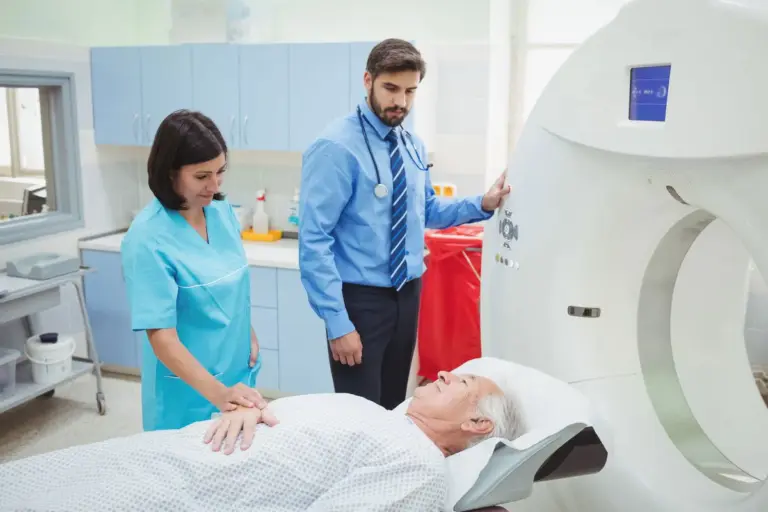
The definitive test for sleep apnea is a nocturnal polysomnography. This is a test that monitors your heart lung and brain activity breathing patterns arm and leg movements and blood oxygen levels while you sleep. It is typically conducted in a sleep disorders center. Home sleep apnea testing is an alternative for some patients.
These are simplified tests that measure your heart rate blood oxygen level airflow and breathing patterns. While convenient home tests may not detect all cases particularly central sleep apnea. If the results are abnormal the doctor may prescribe therapy without further testing. However if the results are normal but symptoms persist a full polysomnography may be required to rule out other sleep disorders.
Treatment and Rehabilitation
For milder cases of sleep apnea doctor may recommend lifestyle changes such as losing weight or quitting smoking. If these measures do not improve symptoms or if the apnea is moderate to severe continuous positive airway pressure or CPAP is the gold standard treatment. A CPAP machine delivers air pressure through a mask placed over your nose while you sleep. The pressure is just enough to keep your upper airway passages open preventing apnea and snoring.
Other airway pressure devices include bilevel positive airway pressure or BPAP which provides more pressure when you inhale and less when you exhale. Oral appliances designed to keep your throat open are an option for those who cannot tolerate CPAP. These devices work by bringing your lower jaw forward to relieve the obstruction.
Surgery is usually considered only after other treatments have failed. Tissue removal or uvulopalatopharyngoplasty involves removing tissue from the rear of the mouth and top of the throat. Upper airway stimulation is a newer therapy where a device is implanted under the skin of the upper chest. It detects your breathing patterns and stimulates the nerve that controls tongue movement to keep the airway open.
Jaw surgery or maxillomandibular advancement moves the upper and lower parts of the jaw forward to enlarge the space behind the tongue. Advanced medical centers like Liv Hospital offer comprehensive surgical evaluations and cutting edge procedures to address complex anatomical obstructions ensuring a personalized approach to restoring healthy sleep patterns.

Long-Term Care
Living with sleep apnea requires a commitment to long term therapy. Compliance with CPAP usage is the biggest challenge for many patients. Using the machine every night is essential for the treatment to be effective. Regular follow up with a sleep specialist is important to check the equipment and adjust pressure settings if weight changes occur.
Keeping the CPAP equipment clean is vital to prevent infections. Lifestyle adjustments play a supportive role. Sleeping on your side or stomach rather than your back can help keep the airway open. Avoiding heavy meals and caffeine before bed can improve sleep quality. Regular exercise can help reduce sleep apnea symptoms even without weight loss.
Untreated sleep apnea can lead to a variety of serious health complications. The sudden drops in blood oxygen levels that occur during sleep apnea increase blood pressure and strain the cardiovascular system. This raises the risk of recurrent heart attack stroke and abnormal heartbeats such as atrial fibrillation.
Type 2 diabetes is also more common in people with sleep apnea as the disorder alters glucose metabolism. Liver problems including nonalcoholic fatty liver disease are frequently observed. Furthermore chronic daytime fatigue increases the risk of workplace accidents and motor vehicle crashes making the management of the condition a matter of public safety as well as personal health.

Send us all your questions or requests, and our expert team will assist you.
The most common cause is obstructive sleep apnea, where the muscles in the back of the throat relax excessively during sleep, allowing the soft tissue to collapse and block the airway.
Yes, the risk can be inherited because features like the shape of your face, the size of your tonsils, and the structure of your jaw are genetic traits that influence airway width.
Apnea is a complete cessation of airflow for at least 10 seconds, while hypopnea is a partial blockage where airflow is reduced by at least 30 percent with a drop in oxygen levels.
Yes, while weight is a risk factor, thin people can have sleep apnea due to anatomical issues like a small lower jaw, large tonsils, or a deviated septum.
Central sleep apnea is a neurological issue where the brain forgets to tell the body to breathe, whereas obstructive sleep apnea is a physical blockage of the throat.

 Neurology
 Neurology
 Neurology
 Neurology
 Neurology
 Neurology
Leave your phone number and our medical team will call you back to discuss your healthcare needs and answer all your questions.
Your Comparison List (you must select at least 2 packages)