Neurosurgery is one of the most complex fields in medicine. This makes it prone to medical malpractice claims.
Almost 75% of neurosurgeons have faced a malpractice lawsuit at some point. This shows the big risk they carry.
We will look into the facts about neurosurgeon malpractice and liability. We’ll give you insights into the legal and medical sides of this issue.
Key Takeaways
- Neurosurgeons are at high risk for malpractice claims due to the complexity of their work.
- A significant percentage of neurosurgeons face lawsuits during their careers.
- Understanding neurosurgery negligence is key for both medical professionals and patients.
- Medical malpractice attorneys are very important in handling neurosurgeon malpractice cases.
- The high-stakes nature of neurosurgery adds to its liability.
The High-Stakes World of Neurosurgery
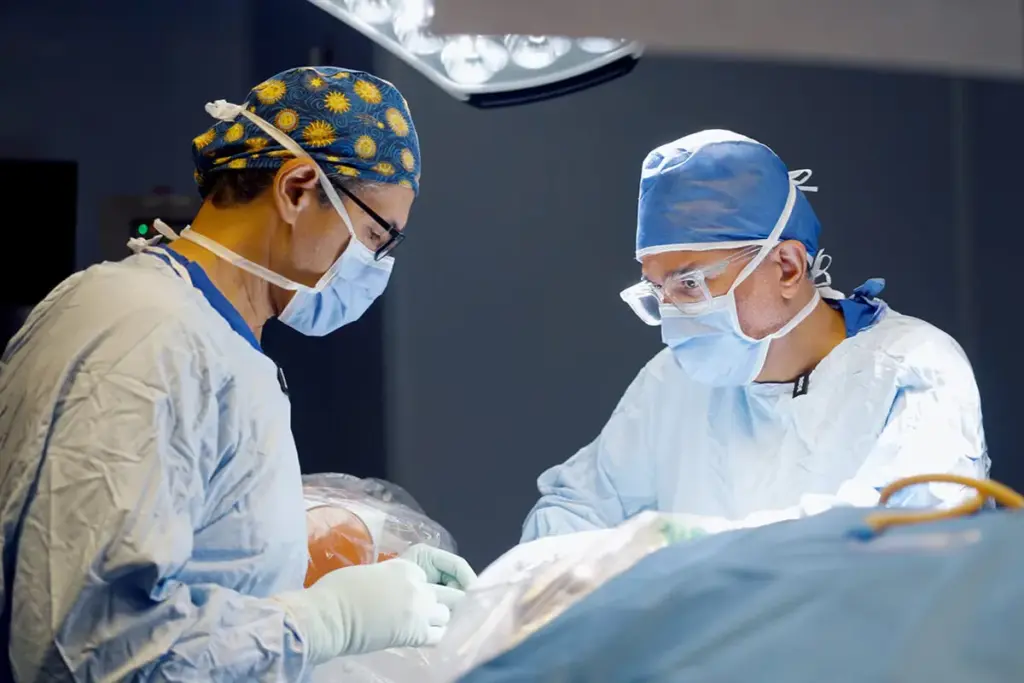
Neurosurgery is a world where every move counts. It deals with surgeries on the brain, spine, and nervous system. Neurosurgeons must be extremely careful to avoid risks.
Why Neurosurgery Is Considered High-Risk
Neurosurgery is risky because of its complex procedures. Working on the brain and spine needs great precision and knowledge. Small mistakes can have big consequences.
The brain and spine surgeries are very complex. Medical experts say these operations have little room for error. This pressure can sometimes lead to surgical errors lawsuits.
The Complexity of Brain and Spine Procedures
Neurosurgery procedures are very detailed. They require careful planning and execution. Mistakes in these areas can cause serious problems, like paralysis or death.
Given the high stakes, neurosurgeons need to be very skilled and know the legal side well. They must understand their healthcare litigation firm role and take steps to reduce risks.
Malpractice Statistics in Neurosurgery
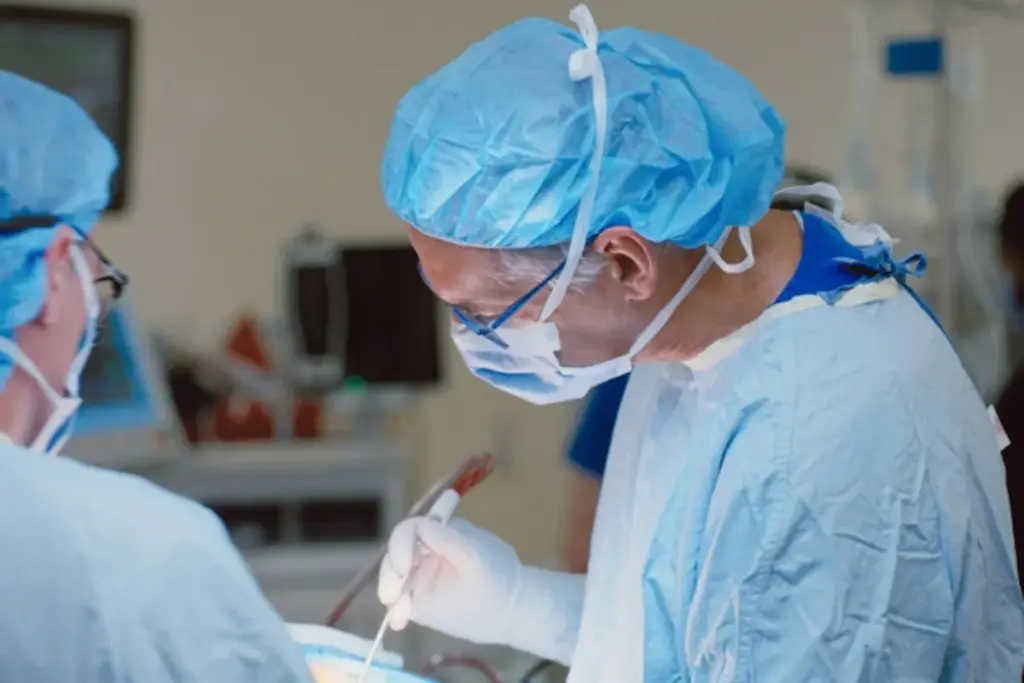
Neurosurgery is a complex field with high-stakes decisions. It faces a big challenge in malpractice claims. The detailed nature of neurosurgical procedures and the risky environment add to the malpractice lawsuits.
Studies show neurosurgery is among the top specialties with the most malpractice claims. This highlights the need to understand what causes these claims.
Comparison to Other Medical Specialties
Neurosurgery often ranks high in malpractice claims compared to other specialties. It’s often mentioned alongside obstetrics and orthopedic surgery as high-risk areas.
|
Medical Specialty |
Malpractice Claim Rate |
|---|---|
|
Neurosurgery |
High |
|
Obstetrics |
High |
|
Orthopedic Surgery |
Moderate to High |
|
General Surgery |
Moderate |
This comparison shows neurosurgery’s high risk. It emphasizes the need for strict risk management.
Trends in Neurosurgeon Lawsuits Over Time
Looking at neurosurgeon lawsuits over time shows changes. Advances in technology, patient expectations, and legal changes affect these trends.
A study over a decade found stable claim numbers but more spinal surgery claims. This shows some neurosurgery areas face more lawsuits.
Geographic Variations in Lawsuit Frequency
The impact of geographic location on malpractice lawsuit rates further underscores the various risks neurosurgeons face. Legal environments and patient demographics vary by region.
For example, areas with more people and complex cases see more claims. Neurosurgeons need to know these regional differences.
Understanding Neurosurgeon Malpractice: Definition and Scope
Neurosurgeon malpractice is complex and needs careful study. It’s key to know what malpractice is and how it’s different from other medical issues.
What Constitutes Medical Negligence in Neurosurgery
Medical negligence in neurosurgery happens when a neurosurgeon doesn’t follow the standard of care. This can lead to harm to the patient. It might include surgery errors, wrong diagnoses, or not telling patients about risks.
A legal expert says,
“To prove negligence, it must be shown that the neurosurgeon’s actions were not in line with accepted medical practice. This must have caused harm to the patient.”
To prove negligence, it’s important to show the neurosurgeon had a duty of care. They must have broken this duty and caused the patient’s injury. This often involves complex medical evidence and expert opinions.
Distinguishing Between Complications and Malpractice
Not every bad outcome in neurosurgery is malpractice. Complications can happen even with proper care. It’s important to tell the difference between the two for fair judgments in malpractice cases.
For example, a patient might face a complication during brain surgery that couldn’t be avoided. But malpractice would be a preventable error, like operating on the wrong part of the brain.
It’s vital for doctors and patients to understand this difference. It helps set realistic expectations and ensures fair judgments in malpractice cases.
Common Reasons for Neurosurgeon Malpractice Claims
It’s important to know why neurosurgeon malpractice claims happen. Neurosurgery is a high-risk field with complex surgeries. Sometimes, these surgeries can go wrong.
Surgical Errors and Complications
Surgical mistakes are a big reason for malpractice claims in neurosurgery. These can include wrong-site surgery or instrument breakage during surgery. Problems like infection, bleeding, or nerve damage can also cause claims if they’re not handled right.
Misdiagnosis or Delayed Diagnosis
Misdiagnosis or delayed diagnosis is another common issue. Neurosurgical conditions need quick and accurate diagnosis to avoid serious problems. Failure to diagnose conditions like brain tumors or spinal cord injuries can harm patients a lot.
Failure to Obtain Informed Consent
Not getting informed consent from patients is a big problem. Neurosurgeons must make sure patients know the risks, benefits, and other options. Informed consent is not just legal; it’s also ethical. It respects patient rights and builds trust.
By understanding these common reasons for malpractice claims, we can try to reduce them. We need to improve surgery, get diagnoses right, and make sure patients know their treatment options.
Types of Neurosurgical Procedures Most Prone to Litigation
Certain neurosurgical operations are more likely to result in malpractice claims. This is because they are very complex. Neurosurgeons working on these operations face a higher risk of lawsuits. This is due to the delicate and high-stakes nature of their work.
Spine Surgery Complications
Spine surgery is a common neurosurgical procedure that leads to malpractice claims. Complications can arise from surgical errors, such as wrong-site surgery or nerve damage. The complexity of spinal anatomy and the risk of significant patient harm make spine surgery a high-risk procedure for litigation.
We know that spine surgery complications can come from various factors. These include patient-specific conditions and unforeseen surgical outcomes. But when negligence occurs, it can lead to severe consequences. This prompts patients to seek legal recourse through a surgical errors lawsuit.
Brain Tumor Removal Risks
Brain tumor removal is another high-risk procedure that frequently results in malpractice claims. The delicate nature of brain tissue and the proximity of tumors to critical brain structures make this surgery challenging. Risks include damage to surrounding brain tissue, infection, and stroke.
Patients undergoing brain tumor removal surgery are often already in a vulnerable state. Any complication can have significant and long-lasting effects. As such, neurosurgeons must carefully manage patient expectations. They must ensure that they obtain informed consent, clearly explaining the risks and benefits of the procedure.
Vascular Neurosurgery Challenges
Vascular neurosurgery, which involves procedures like aneurysm clipping and arteriovenous malformation (AVM) treatment, is highly complex and technically demanding. The risk of catastrophic outcomes, even with proper care, is inherent in these procedures. Complications can include hemorrhage, stroke, or vascular injury.
We understand that vascular neurosurgery challenges require not only technical skill but also meticulous preoperative planning and postoperative care. A healthcare litigation firm may become involved if there is an allegation that the standard of care was not met, resulting in patient harm.
In conclusion, neurosurgeons performing these high-risk procedures must be aware of the legal risks. They should take steps to mitigate risks. This includes careful patient selection, thorough informed consent, and meticulous surgical technique.
The Financial Impact of Neurosurgeon Malpractice
Neurosurgeon malpractice has a big financial impact on many people in healthcare. This issue affects everyone involved in the system. The costs are huge and far-reaching.
Average Settlement Amounts
Malpractice compensation claims in neurosurgery can cost a lot. These cases are often very complex and have big damages. The average settlement can be between $500,000 and over $1 million.
This amount depends on how serious the case is and where it happens.
|
Case Severity |
Average Settlement Amount |
|---|---|
|
Mild |
$200,000 – $500,000 |
|
Moderate |
$500,000 – $1,000,000 |
|
Severe |
$1,000,000+ |
Insurance Premium Costs for Neurosurgeons
Neurosurgeons pay a lot for insurance premium costs. This is because their work is very risky. A professional negligence lawsuit can cost a lot, which raises insurance prices.
On average, neurosurgeons pay between $50,000 to $100,000 or more each year. This depends on where they work and their past claims.
Economic Impact on Healthcare Systems
Neurosurgeon malpractice lawsuits affect more than just the doctors. They also impact the whole healthcare system. Higher insurance costs mean more money for healthcare, which patients often have to pay.
Defensive medicine, done to avoid lawsuits, can also increase costs. It leads to more tests and procedures that aren’t always needed.
Understanding these financial effects is key to solving the problems in healthcare. It helps us see how to help both doctors and patients.
Legal Standards for Proving Neurosurgery Negligence
It’s important for patients and neurosurgeons to know the legal standards for neurosurgery negligence. To prove negligence, understanding the legal framework for neurosurgical practices is key.
Establishing the Standard of Care
The standard of care in neurosurgery means the medical practices and procedures that a skilled neurosurgeon would follow. It’s vital to show if a neurosurgeon has failed in their duty to the patient.
Courts often use expert neurosurgeons’ opinions to set the standard of care. These experts define what care is appropriate in certain situations. This helps judge if the defendant’s actions were wrong.
Key factors in establishing the standard of care include:
- Current medical practices and guidelines
- Standards from medical organizations
- Clinical experience and outcomes
Demonstrating Breach of Duty
After setting the standard of care, it’s important to show that the neurosurgeon didn’t meet it. This means showing that their actions or lack of action caused harm to the patient.
Showing a breach of duty needs a deep look at medical records, surgeries, and aftercare. A medical malpractice attorney is key here, helping to build a strong case.
|
Aspect |
Description |
Relevance to Breach of Duty |
|---|---|---|
|
Medical Records |
Details of patient care and treatment |
Key to spotting deviations from standard care |
|
Surgical Procedures |
Details of surgical techniques and decisions |
Crucial in checking if surgery followed standard practices |
|
Post-operative Care |
Care after surgery, including follow-up and managing complications |
Important for checking if post-surgical care was up to standard |
Proving Causation in Neurosurgical Cases
Proving causation is the toughest part of a neurosurgery negligence claim. It’s about showing that the neurosurgeon’s mistake directly caused the patient’s injury. This requires a close look at how the neurosurgeon’s actions led to the harm.
Expert opinions are vital in proving causation. They help explain how the neurosurgeon’s mistake caused the patient’s harm. The complex nature of neurosurgery and its risks mean every detail must be carefully examined.
Knowing the legal standards for neurosurgery negligence helps patients and families with medical malpractice claims. Neurosurgeons can also reduce their neurosurgeon liability by following established standards and keeping detailed records.
The Role of Expert Witnesses in Neurosurgeon Malpractice Cases
Expert witnesses play a key role in neurosurgeon malpractice cases. They give important testimony that shows if the care was up to standard. Their knowledge helps judges and juries grasp complex medical issues.
Qualifications of Neurosurgery Expert Witnesses
Neurosurgery expert witnesses need a lot of experience and must be board-certified. They understand the care standards in neurosurgery well. These experts are often seasoned neurosurgeons with years of clinical experience, enabling them to provide authoritative testimony.
They also have skills beyond just treating patients. Many have taught, done research, or published in medical journals. This makes them credible witnesses in neurosurgeon malpractice cases.
How Expert Testimony Influences Case Outcomes
Expert testimony greatly affects the outcome of neurosurgeon malpractice cases. They explain complex medical procedures and what care is expected. Their testimony can be key in showing if negligence happened, a key part of malpractice claims.
“Expert witnesses play a critical role in making complex medical info clear for the court. This helps ensure the legal outcome is fair and accurate.”
Challenges in Finding Qualified Experts
Finding qualified expert witnesses is a big challenge in neurosurgeon malpractice cases. The number of experts with the right experience and knowledge is small. Many experts may not want to testify because of worries about professional backlash or the time it takes.
Also, finding and hiring expert witnesses can be expensive and take a lot of time. Healthcare litigation firms and medical malpractice attorneys work together to find and secure the right experts. This shows how complex and challenging these cases are.
Statute of Limitations for Neurosurgeon Malpractice Lawsuits
The statute of limitations is key in neurosurgeon malpractice cases. It’s the time limit to file a lawsuit. This time frame varies by state.
It can be hard for patients to keep up with these legal deadlines. The complexity of these cases and the statute of limitations make it important to get clear guidance.
State-by-State Variations
Every state has its own rules for neurosurgeon malpractice lawsuits. Some states have a simple two or three-year limit. Others have more complex rules that start the clock at different times.
|
State |
Statute of Limitations |
|---|---|
|
California |
One year from discovery, max three years |
|
New York |
Two and a half years from occurrence |
|
Florida |
Two years from discovery, max four years |
This table shows just a few examples of how different states have their own rules for neurosurgeon malpractice.
Discovery Rules and Their Application
Many states use the “discovery rule” in neurosurgeon malpractice cases. This rule starts the clock when the patient discovers the malpractice. This can give patients more time to file a lawsuit.
The discovery rule is very important in neurosurgery cases. This is because complications or the effects of malpractice may not be immediately apparent.
Exceptions for Minors and Incapacitated Patients
There are special rules for minors and incapacitated patients. For minors, the clock may not start until they turn 18. This gives them more time to file a lawsuit when they become adults.
In some states, minors have until their 20th birthday to file a lawsuit for neurosurgeon malpractice that happened during their childhood.
For patients who are mentally incapacitated, some states pause the statute of limitations. This pause continues until the patient can make decisions again.
It’s important for both patients and neurosurgeons to understand these rules. Patients need to know their rights and the time limits for legal action. Neurosurgeons must be careful in their practice and responsive to patient concerns to avoid malpractice claims.
The Legal Process in Neurosurgeon Malpractice Lawsuits
It’s important for patients and healthcare providers to know about neurosurgeon malpractice lawsuits. We break down the legal process into key parts.
Pre-Filing Requirements and Medical Review Panels
Before starting a lawsuit, some steps must be taken. You need a certificate of merit, which means a medical expert must say the case is valid. Some places also have medical review panels to check the case first.
Pre-filing requirements help make sure only strong cases go to court. This can be tricky and often needs a healthcare litigation firm skilled in professional negligence lawsuits.
Discovery and Deposition Procedures
After filing, the discovery phase starts. This is when both sides share information, like documents and answers to questions. Depositions let lawyers ask witnesses questions under oath.
This phase is key for building a strong case. It helps gather evidence and testimony. Managing this well is vital in neurosurgeon malpractice lawsuits.
Settlement Negotiations vs. Trial
Many neurosurgeon malpractice lawsuits settle before trial. Settlements can be quicker and avoid trial risks. But, if no deal is made, the case goes to trial.
Choosing to settle or go to trial depends on the case’s strength and possible damages. We help guide clients, aiming for the best outcome.
How Neurosurgeons Protect Themselves from Lawsuits
Neurosurgeons use many ways to protect themselves from lawsuits. They work in a high-risk field and face a big chance of being sued. By using good protective steps, they can lower their risk of being sued.
Risk Management Strategies
Neurosurgeons need to manage risks well to avoid lawsuits. This means:
- Keeping up with the latest medical rules and best ways to do things
- Always learning and getting better at their job
- Talking clearly and openly with patients and their families
- Writing down all patient talks and treatment plans carefully
By doing these things, neurosurgeons can lower their neurosurgeon liability. Being proactive also helps avoid malpractice compensation claims.
Documentation and Communication Practices
Good documentation and clear communication are key for neurosurgeons. This includes:
|
Best Practice |
Description |
Benefit |
|---|---|---|
|
Clear and concise documentation |
Accurate recording of patient information, treatment plans, and outcomes |
Reduces misunderstandings and miscommunications |
|
Open communication with patients |
Informing patients about their condition, treatment options, and possible risks |
Increases patient trust and understanding |
|
Regular follow-ups |
Checking on patient progress and solving problems quickly |
Shows commitment to patient care |
The Role of Malpractice Insurance
Even with the best efforts, lawsuits can happen. That’s why malpractice insurance is important. It helps protect neurosurgeons from big financial losses if they are sued. It’s important to choose a good insurance company and know what your policy covers.
If a lawsuit happens, a medical malpractice attorney can help a lot. Neurosurgeons should have a lawyer ready to help them deal with legal issues.
Patient Rights When Facing Possible Neurosurgeon Malpractice
Medical technology keeps getting better, and so does the need for patients to know their rights. Neurosurgery is complex and risky. Most neurosurgeons are very skilled, but mistakes can happen. It’s important for patients to understand their rights in these situations.
Recognizing Signs of Possible Negligence
Patients or their families should watch for signs of negligence. These include unexpected problems, unclear communication from doctors, or not getting informed consent. Knowing these signs is key to protecting patient rights.
- Unexpected or unexplained changes in condition
- Lack of transparency about treatment options or risks
- Failure to respond to patient concerns or questions
Steps to Take If You Suspect Malpractice
If you think you or a loved one has been harmed by a neurosurgeon, there are steps to take. First, document everything about your care, like dates, times, and talks with doctors.
- Seek a second opinion from another qualified neurosurgeon.
- Get and review your medical records.
- Talk to a medical malpractice attorney.
Obtaining and Reviewing Medical Records
Medical records are key in figuring out if malpractice happened. Patients have the right to see their records. These include surgical reports, test results, and notes between doctors.
|
Record Type |
Description |
Importance in Malpractice Cases |
|---|---|---|
|
Surgical Reports |
Detailed account of the surgical procedure |
High – can reveal procedural errors |
|
Test Results |
Laboratory and imaging results |
High – can indicate misdiagnosis or delayed diagnosis |
|
Communication Records |
Emails, letters, and notes between healthcare providers |
Medium – can show lack of coordination or follow-up |
Knowing and using patient rights is vital when facing neurosurgeon malpractice. By spotting negligence signs, taking the right steps, and getting medical records, patients can protect themselves and seek justice if needed.
Finding a Qualified Medical Malpractice Attorney for Neurosurgery Cases
Finding a good medical malpractice attorney is key in neurosurgeon malpractice lawsuits. It’s important to look for someone with the right experience and knowledge.
Specialized Experience Requirements
A good attorney for neurosurgery cases needs specialized experience in healthcare law, focusing on neurosurgery. This ensures they know the medical procedures and legal rules well.
When looking at attorneys, check their:
- Track record in neurosurgery malpractice cases
- Knowledge of neurosurgical procedures and issues
- Experience with neurosurgery expert witnesses
Questions to Ask Before Hiring
Before choosing an attorney, ask important questions. Some key ones include:
- What experience do you have with neurosurgery malpractice cases?
- How will you handle my case, and what strategies will you use?
- Can you give references or examples of past cases?
These questions help you see if the attorney is a good fit for your case.
Fee Structures and Cost Considerations
It’s important to understand how your attorney will be paid. Many work on a contingency fee basis, meaning they only get paid if you win. Make sure to ask about the percentage they’ll take and any extra costs.
|
Fee Structure |
Description |
Typical Cost |
|---|---|---|
|
Contingency Fee |
Attorney is paid a percentage of the settlement or judgment |
25% – 40% |
|
Hourly Rate |
Client is charged per hour of attorney’s time |
$200 – $500 per hour |
|
Flat Fee |
A single fee for the entire case |
Variable |
Also, talk about any extra costs, like expert witness fees and medical record costs.
By carefully choosing an attorney and understanding their fees, you can make a smart choice. This increases your chances of winning your neurosurgery malpractice case.
Recent Landmark Neurosurgeon Malpractice Cases
Landmark cases in neurosurgeon malpractice have set new standards for professional care. These cases change the legal rules and how doctors practice. They also affect patient care and results.
Precedent-Setting Verdicts
Verdicts in neurosurgeon malpractice cases have big effects. For example, a case might set a new rule for informed consent. This means doctors must talk more about risks with patients.
These changes are key to making care safer and better. They affect everything from before surgery to after.
One big part of these verdicts is documentation and communication. Courts check if doctors documented patient talks well. They also look at if doctors clearly talked about risks and benefits. This makes many doctors change their ways to meet new legal standards.
Lessons Learned from High-Profile Cases
High-profile cases teach us a lot. One important thing is the role of expert testimony. Experts help jurors understand complex medical stuff. They show if a doctor acted right.
Another lesson is about technological advancements. New tech in neurosurgery means doctors must be more precise. Cases with new tech show the need for doctors to keep learning.
Impact on Neurosurgical Practice Standards
Landmark cases have a huge impact on neurosurgery. They lead to better care and outcomes. For example, a big case might lead to new safety rules or stricter who gets certain surgeries.
These cases also show the need for risk management strategies. They highlight the role of malpractice insurance. This helps doctors deal with legal and financial issues.
The Future of Neurosurgeon Malpractice: Trends and Predictions
Medical innovation and legal accountability will shape the future of neurosurgeon malpractice. Modern healthcare’s complexities will influence neurosurgeon liability in several ways.
Impact of New Technologies
New medical technologies are changing neurosurgery. Robotics, artificial intelligence, and better imaging are making surgeries more precise and safer. But, these advancements also bring new challenges in medical malpractice neurosurgeon liability.
As technology becomes more common in neurosurgery, the risk of errors may grow. This means legal standards and malpractice insurance need to adapt. Neurosurgeons must keep up with these changes to manage neurosurgeon malpractice lawsuit risks.
Changes in Legal Landscape
The legal world around neurosurgeon liability is changing too. Courts are setting clearer standards for medical negligence. Lawmakers are also discussing changes to medical liability laws.
There’s a growing focus on informed consent. Patients are learning more about their rights and the risks of neurosurgery. This could lead to better patient education and fewer malpractice claims.
Reform Efforts in Medical Liability
Efforts to reduce medical liability costs and improve safety are underway. Some places are using mediation to solve malpractice claims faster. Others are capping non-economic damages to help healthcare providers.
These reforms could change neurosurgeon malpractice lawsuit litigation a lot. They could make resolving claims quicker and less expensive. This could help neurosurgeons focus more on patient care and less on legal battles.
The future of neurosurgeon malpractice is looking different. By understanding these changes and adapting, we can create a healthcare system that’s both innovative and accountable. This system will put patient safety first.
Conclusion: Balancing Patient Safety and Medical Innovation
When we look at neurosurgeon malpractice, it’s clear that we need to balance safety with new medical ideas. Neurosurgery is a high-risk field that requires great skill and knowledge. It involves complex procedures that need careful attention.
Claims of neurosurgeon malpractice often come from mistakes during surgery, wrong diagnoses, or not getting clear consent. This shows we must have strong risk management and talk clearly with patients. By understanding these issues, we can lower risks and keep patients safe, reducing the chance of medical errors.
Patient rights are key to better neurosurgical care. It’s important to make sure patients know what’s happening and are part of their treatment. This helps prevent violations of patient rights.
To make neurosurgery safer and more innovative, we need a culture of openness, responsibility, and always trying to get better. This will help both patients and healthcare workers in cases of neurosurgeon malpractice.
FAQ
What constitutes medical negligence in neurosurgery?
Medical negligence in neurosurgery happens when a neurosurgeon doesn’t meet the expected care standards. This can lead to patient harm. It includes surgical mistakes, wrong diagnoses, or not getting the patient’s consent.
How common are malpractice claims against neurosurgeons?
Neurosurgery is among the top specialties with the most malpractice claims. Lawsuits against neurosurgeons vary by location and have changed over time.
What are the most common reasons for neurosurgeon malpractice claims?
Common reasons for malpractice claims against neurosurgeons include surgical mistakes, wrong or late diagnoses, and not getting consent.
Which neurosurgical procedures are most prone to litigation?
Spine surgery, brain tumor removal, and vascular neurosurgery are often sued over. This is because they are complex and can lead to complications.
How do expert witnesses contribute to neurosurgeon malpractice cases?
Expert witnesses are key in these cases. They explain complex medical issues. Their opinions help show if the care was wrong and if it harmed the patient.
What is the statute of limitations for filing a neurosurgeon malpractice lawsuit?
The time limit to sue varies by state. Some states have special rules for finding out about harm and for minors or those who can’t speak for themselves.
How can neurosurgeons protect themselves from lawsuits?
Neurosurgeons can protect themselves by managing risks, keeping detailed records, and talking well with patients. They should also have enough malpractice insurance.
What are the financial implications of neurosurgeon malpractice?
Malpractice can cost a lot, with big settlements and high insurance costs for doctors. It also affects healthcare budgets.
How can patients recognize signs of possible neurosurgeon malpractice?
Patients should watch for unexpected problems, wrong diagnoses, or not getting consent. They should also check their medical records carefully.
What should patients consider when seeking a medical malpractice attorney for neurosurgery cases?
Patients should find attorneys with neurosurgery experience. Ask questions before hiring and understand the costs.
How might new technologies impact neurosurgeon malpractice?
New tech could reduce malpractice by making surgeries more precise. But, it also brings new risks and challenges.
What are the key factors in proving negligence in neurosurgery?
To prove negligence, you need to show the standard of care, that it was not met, and that it harmed the patient.
national institute of health (nih) https://pubmed.ncbi.nlm.nih.gov/38685351/



 Departments
 Related Videos
 Our Doctors
 News
News