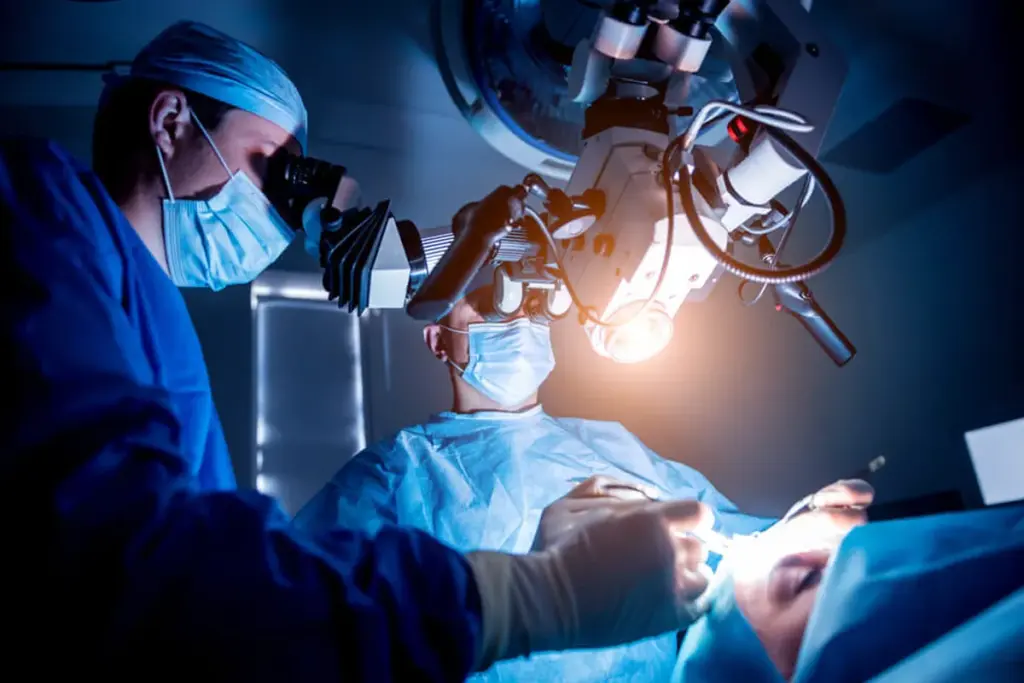
Did you know neurosurgery is more than just brain surgery? It deals with problems in the whole nervous system, like the spine, nerves, and blood vessels.
Neurosurgery is a very specialized field. It needs a deep understanding of how the brain, nervous system, and health are connected. A neurosurgeon is key in treating many conditions, from brain tumors and aneurysms to spinal and nerve problems.
What does a neurosurgeon actually do? Explore their amazing skills in brain surgery and how they handle scary, high-stakes medical cases.
Key Takeaways
- Neurosurgery is not just about the brain; it covers the whole nervous system.
- A neurosurgeon treats many neurological disorders.
- Neurosurgery needs a lot of specialized knowledge and skills.
- Knowing what a neurosurgeon does is important for those seeking neurological care.
Understanding Neurosurgery: Beyond Just Brain Surgery
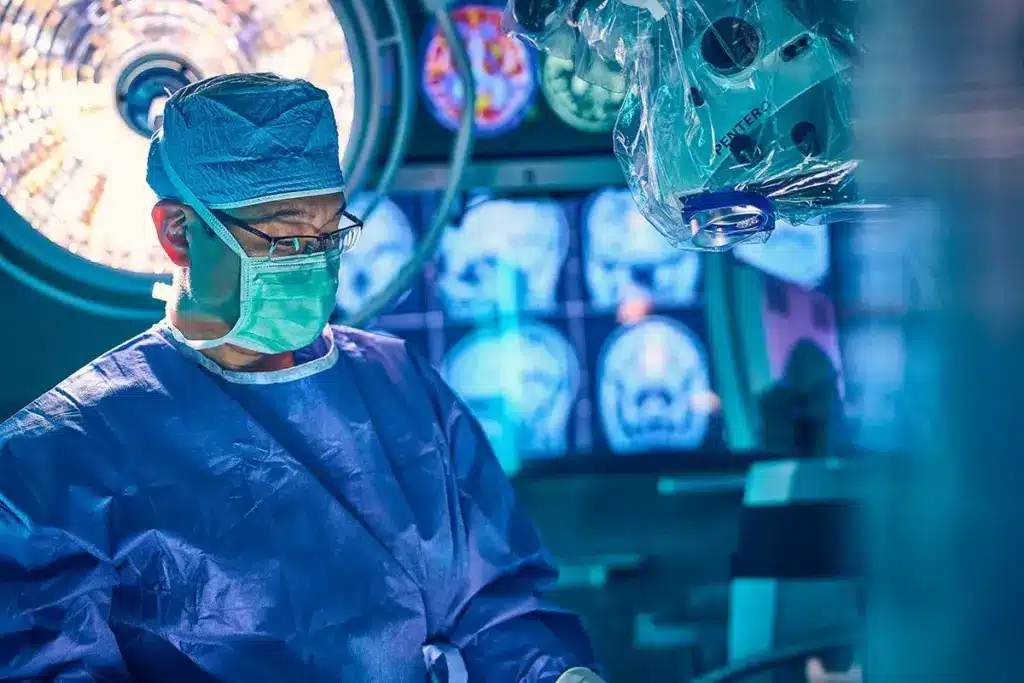
Neurosurgery is more than just brain surgery. It’s a branch of surgery that deals with the brain, spine, and nervous system. This complex field involves many surgical interventions.
The Comprehensive Definition of Neurosurgery
Neurosurgery is neurological surgery that treats the nervous system. It covers the brain, spine, and nerves. Neurosurgeons treat many conditions, like tumors and injuries.
Neurosurgery includes many areas, like brain and spine surgery. This shows how wide and complex the field is.
Historical Evolution of the Field
The history of neurosurgery has seen big changes. It started with simple, risky procedures. But, new techniques and tools have made it much better.
Now, neurosurgery uses new methods like computer-assisted surgery. These changes have helped patients more and let doctors treat more conditions.
Today, neurosurgeons keep finding new ways to help patients. They use the latest technology and techniques. This shows how neurosurgery is always improving.
The Relationship Between Neurosurgery and Brain Surgery

Many people think neurosurgery and brain surgery are the same. But neurosurgery is actually a wider field. It deals with disorders of the brain, spine, and nerves.
We will look at how brain surgery fits into neurosurgery. We will also clear up common myths about neurosurgery.
How Brain Surgery Fits Within Neurosurgery
Brain surgery is a key part of neurosurgery. It includes operations like removing tumors and fixing aneurysms. Neurosurgeons use the latest methods to do these surgeries safely and effectively.
Neurosurgery also covers the spine and nerves. This broad approach lets neurosurgeons treat many conditions. From spinal problems to nerve issues, they can help.
Common Misconceptions Clarified
Many think neurosurgery only deals with the brain. But it also includes the spine and nerves. This makes neurosurgery a diverse field that needs a wide range of skills.
Some think neurosurgery is always risky and invasive. But many surgeries are done with new, less invasive methods. These methods help patients recover faster and have fewer complications.
|
Procedure |
Description |
Benefits |
|---|---|---|
|
Brain Tumor Resection |
Surgical removal of brain tumors |
Potential for complete tumor removal, improved survival rates |
|
Spinal Fusion |
Surgery to stabilize the spine |
Relief from pain, stabilization of the spine |
|
Nerve Decompression |
Relieving pressure on compressed nerves |
Alleviation of symptoms like pain, numbness, and weakness |
What Does a Neurosurgeon Do? Scope of Practice
Neurosurgeons are experts in performing critical surgeries. They deal with conditions affecting the brain, spine, and nerves. Their work is vital for patient care.
Brain-Related Responsibilities
They handle surgeries for brain issues like tumors and aneurysms. They also treat brain injuries and conditions like hydrocephalus.
- Tumor resections
- Aneurysm clipping
- Arteriovenous malformation (AVM) treatment
- Traumatic brain injury surgery
Beyond the Brain: Spine and Peripheral Nervous System
Neurosurgeons also work on the spine and nerves. They treat problems like herniated discs and nerve injuries. Their skills are essential for these complex cases.
|
Condition |
Surgical Procedure |
|---|---|
|
Herniated Disc |
Discectomy |
|
Spinal Stenosis |
Laminectomy |
|
Peripheral Nerve Injury |
Nerve Repair |
Education and Training Path to Become a Neurosurgeon
Becoming a neurosurgeon is a long journey. It involves years of hard work and training. We will explain the main steps, from getting an education to ongoing learning.
Academic Requirements and Medical School
To start, you need a strong academic base. Most neurosurgeons get a bachelor’s degree in a science field, like biology or chemistry. It’s important to have a good GPA and research experience for medical school.
Then, you go to medical school to get an M.D. or D.O. degree. This takes four years. You’ll learn in classes and get practical experience in clinics. These experiences help you learn about different medical areas, including surgery.
Residency and Fellowship Training
After medical school, you enter a neurosurgery residency. This lasts six to seven years. It’s a time to get lots of practical experience in treating brain and spinal problems. You’ll work with experienced neurosurgeons and take on more duties as you get better.
Some neurosurgeons also do fellowship programs. These last one to two years and focus on specific areas like pediatric neurosurgery.
Continuing Education and Board Certification
Neurosurgeons must keep learning to stay current. They attend conferences and online courses to improve their skills. They also need to get certified by the American Board of Neurological Surgery (ABNS). This involves passing a tough exam to show they’re experts in neurosurgery.
To keep their certification, neurosurgeons must keep learning and follow professional rules. This helps them give the best care to their patients.
Types of Brain Surgeries Performed by Neurosurgeons
Neurosurgeons are experts in many brain surgeries. Each surgery has its own challenges and needs. They are key for treating brain tumors and other brain issues.
Brain Tumor Resection
Brain tumor resection aims to remove tumors from the brain. The goal is to take out as much tumor as possible without harming the brain around it. Thanks to new imaging and surgery methods, patients with brain tumors are doing better.
A study in the Journal of Neurosurgery found that using MRI during surgery helps remove more tumor. This leads to better results for patients.
Cerebrovascular Surgeries
Cerebrovascular surgeries deal with the brain’s blood vessels. This includes fixing aneurysms and treating AVMs. Managing vasospasm after bleeding in the brain is a big challenge in these surgeries. It’s important to avoid serious problems.
|
Procedure |
Description |
Key Considerations |
|---|---|---|
|
Aneurysm Clipping |
Surgical clipping of aneurysms to prevent rupture |
Vasospasm management, preserving parent vessel |
|
AVM Treatment |
Removal or embolization of AVMs |
Risk of hemorrhage, neurological deficits |
Functional Neurosurgery for Movement Disorders
Functional neurosurgery treats movement disorders like Parkinson’s disease. It includes deep brain stimulation (DBS) and other procedures. The right treatment depends on the patient’s situation and how they respond to other options.
DBS is a very effective treatment for some movement disorders. It greatly improves the quality of life for some patients.
Spine Surgery: A Major Component of Neurosurgery
Spine surgery is a key part of neurosurgery. It fixes spinal problems and eases pain. Neurosurgeons treat serious spinal issues like tumors, disc problems, and deformities.
These issues can cause a lot of pain and affect how well you can move. They can really lower your quality of life.
Spinal Cord Tumor Removal
Spinal cord tumors grow in the spinal cord or nearby. Neurosurgeons remove these tumors to ease symptoms and stop more damage. They aim to take out as much of the tumor as they can without harming the spinal cord.
The surgery plan depends on the tumor’s size, location, and type. MRI scans help neurosurgeons plan. They also use special monitoring during surgery to protect the spinal cord.
Disc Surgeries and Spinal Fusion
Disc surgeries fix problems with herniated discs and degenerative disc disease. Spinal fusion joins vertebrae together to stabilize the spine. This can help reduce pain and improve spinal stability.
Less invasive methods are used for disc surgeries to speed up recovery and reduce damage. Spinal fusion can be done in different ways, depending on the patient’s needs.
Spinal Deformity Correction
Spinal deformities like scoliosis and kyphosis can be very painful and limit movement. Neurosurgeons use surgery to fix these issues. They aim to improve spinal alignment and quality of life.
Fixing deformities often involves spinal fusion, using rods and screws, and bone realignment. The method chosen depends on the deformity’s severity and the patient’s health.
Peripheral Nerve Procedures in Neurosurgery
Neurosurgery includes many peripheral nerve procedures. These are for treating nerve compression and repairing nerves.
Peripheral nerve procedures are key for treating nerve issues. These nerves carry signals between the brain and the body. These treatments help with pain, restore function, and improve life quality.
Nerve Compression Syndromes
Nerve compression happens when a nerve gets pinched. This can cause pain, numbness, and weakness. Carpal tunnel syndrome and ulnar nerve entrapment are common examples.
Neurosurgeons use different methods to treat these issues. They include:
- Decompression surgery: This relieves pressure on the nerve.
- Nerve transposition: It moves the nerve to avoid further pinching.
|
Condition |
Surgical Approach |
Expected Outcome |
|---|---|---|
|
Carpal Tunnel Syndrome |
Decompression surgery |
Pain relief, improved hand function |
|
Ulnar Nerve Entrapment |
Nerve transposition |
Reduced numbness, improved arm function |
Nerve Repair and Reconstruction
Nerve repair and reconstruction are vital for fixing nerve injuries. Neurosurgeons use nerve grafting and transfer to fix damaged nerves.
Fixing nerves needs careful surgery and knowing nerve anatomy. These procedures greatly improve patient outcomes and life quality.
Modern Neurosurgical Techniques and Technologies
The field of neurosurgery has seen big changes in recent years. New techniques and technologies have changed how we care for patients. These advancements have made surgeries better, safer, and faster.
Minimally Invasive Neurosurgery
Minimally invasive neurosurgery is a big change from old surgeries. It causes less damage, less pain, and faster healing. With endoscopic surgery and stereotactic radiosurgery, doctors can be very precise. This means they can avoid hurting healthy tissue.
Computer-Assisted and Robotic Surgery
Computer-assisted and robotic surgery have brought a new level of precision to neurosurgery. Robotic systems give doctors better control and vision. They can do complex surgeries more accurately. These systems also help with real-time data, making surgeries even better.
Intraoperative Imaging and Monitoring
Intraoperative imaging and monitoring are key tools in neurosurgery. They include MRI and CT scans. These tools let surgeons see how the surgery is going and make changes as needed. This is very important in complex surgeries where the difference between success and failure is small.
These modern techniques and technologies show neurosurgery’s dedication to innovation and patient care. We keep working to improve and provide the best care to our patients.
Common Conditions Requiring Neurosurgical Intervention
Neurosurgeons are key in treating brain and spine issues. They handle a variety of disorders, from serious injuries to complex birth defects.
Brain Tumors and Lesions
Brain tumors, whether they are benign or cancerous, often need neurosurgery. Neurosurgeons use advanced methods to remove tumors safely. They also treat lesions like cavernomas and AVMs to avoid brain damage.
Diagnosing and treating brain tumors involves a team effort. This team includes neurologists, oncologists, and neuroradiologists. Neurosurgeons are vital, providing surgery that can greatly improve patient results.
Traumatic Brain and Spine Injuries
Traumatic brain injuries (TBI) and spinal injuries need quick neurosurgical care. Traumatic brain injuries can happen from falls or car accidents. They often require emergency surgery to relieve brain pressure or fix damaged areas.
Spine injuries, like fractures or dislocations, can cause spinal cord problems. Neurosurgeons use methods like decompression and stabilization. This helps restore spinal alignment and stops further brain damage.
Congenital and Developmental Disorders
Congenital and developmental disorders, like spina bifida and hydrocephalus, need neurosurgery. Neurosurgeons work with pediatricians and other experts. They manage these complex conditions from birth to adulthood.
Conditions like Chiari malformations and tethered cord syndrome also need neurosurgery. Surgery can help symptoms and prevent long-term brain damage.
The Neurosurgeon’s Role in Emergency Medicine
Emergency neurosurgery needs precision, skill, and quick decision-making. Neurosurgeons play a key role in emergency medicine. They handle life-threatening neurological conditions.
Timely action is key in emergency neurosurgery. Neurosurgeons must quickly assess, decide, and perform complex surgeries under pressure.
Traumatic Brain Injuries and Hemorrhages
Traumatic brain injuries (TBIs) and hemorrhages are critical and need immediate neurosurgical care. TBIs can happen from severe head trauma. They can lead to life-threatening complications if not treated quickly.
Managing TBIs involves a detailed approach. This includes initial assessment, surgery, and post-operative care. Neurosurgeons must handle TBI complexities, from relieving brain pressure to managing complications.
Acute Spinal Cord Compression
Acute spinal cord compression is another urgent condition needing neurosurgical attention. Timely decompression is key to avoid permanent damage.
The causes of acute spinal cord compression vary. They include traumatic injuries, tumors, or other conditions. Neurosurgeons must be skilled in diagnosing and performing the needed surgery to decompress the spinal cord.
In conclusion, neurosurgeons play a vital role in emergency medicine. They need a mix of skill, knowledge, and the ability to work under pressure. We are dedicated to providing top care in emergency neurosurgery. We aim for the best outcomes for our patients.
Choosing the Right Neurosurgeon for Your Condition
Choosing the right neurosurgeon is a big decision that can greatly affect your treatment. When you have a neurological condition, finding a neurosurgeon who fits your needs is key.
Finding a neurosurgeon can be tough, with so many options and complex conditions. It’s important to be well-informed and ready for this choice.
Qualifications and Specializations to Consider
When looking for a neurosurgeon, there are important qualifications and specializations to think about:
- Board Certification: Make sure the neurosurgeon is board-certified by the American Board of Neurological Surgery (ABNS). This shows they meet high standards in their field.
- Specialization: Think about the neurosurgeon’s specialty. Some focus on brain tumors, spine surgery, or pediatric neurosurgery.
- Experience: Check the neurosurgeon’s experience with your condition. A neurosurgeon with lots of experience in your condition can offer better care.
- Hospital Affiliation: Look at the hospitals or surgical centers the neurosurgeon works with. Reputable places have high standards for their staff.
Questions to Ask During Consultation
During your first meeting, it’s important to ask the right questions. This helps you understand the neurosurgeon’s expertise and how they will care for you. Here are some questions to ask:
- What experience do you have with my specific condition?
- What are the possible risks and benefits of the treatment you recommend?
- Are there other treatment options I should consider?
- How will you manage my pain and help me recover?
- What is your plan for follow-up care, and how will we track my recovery?
Asking these questions can help you understand your treatment options better. This way, you can make a well-informed decision about your care.
We want to help you find the right neurosurgeon for your condition. By looking at qualifications and specializations, and asking the right questions, you can get the best care.
Neurosurgeon Pay Rates and Career Outlook in the United States
Understanding the pay and career outlook for neurosurgeons is key for those thinking about this demanding yet rewarding field. Neurosurgeons are among the most skilled and specialized medical professionals. Their pay reflects their expertise and dedication.
Salary Ranges and Factors Affecting Compensation
Neurosurgeons are among the highest-paid medical specialists in the United States. The average annual salary for neurosurgeons ranges from $550,000 to over $700,000. This depends on years of experience, location, and employer type.
Several factors influence neurosurgeon compensation. These include:
- Geographical location: Urban areas tend to offer higher salaries than rural areas.
- Type of employer: Private practices often offer different compensation packages compared to academic or research institutions.
- Years of experience: More experienced neurosurgeons typically earn higher salaries.
- Subspecialty: Neurosurgeons with specialized skills, such as those in pediatric neurosurgery, may have different pay scales.
|
Experience Level |
Average Annual Salary |
|---|---|
|
0-5 years |
$550,000 |
|
5-10 years |
$620,000 |
|
10+ years |
$700,000+ |
Job Market and Future Demand
The job market for neurosurgeons in the United States is strong. This is due to an aging population and advancements in medical technology. The demand for skilled neurosurgeons is expected to grow, with opportunities in both clinical practice and research.
Several factors will influence the future demand for neurosurgeons. These include:
- Aging population: As the population ages, the incidence of age-related neurological conditions increases.
- Technological advancements: New technologies and techniques may create new opportunities for neurosurgical intervention.
- Healthcare policy changes: Shifts in healthcare policy can impact the demand for certain medical specialties.
Looking ahead, neurosurgeons will remain vital in healthcare. Their high level of training and expertise makes them indispensable in both surgical and non-surgical settings.
Neurosurgeon vs. Other Specialists: Understanding the Differences
It’s important for patients to know the roles of neurosurgeons and other medical specialists. Neurosurgeons are often confused with other doctors because of their complex work.
We will explain the differences between neurosurgeons and other specialists. This includes neurologists and orthopedic spine surgeons. We want to show how unique and skilled neurosurgeons are.
Neurosurgeon vs. Neurologist
Neurosurgeons and neurologists treat nervous system disorders, but they do it differently. Neurologists use non-surgical methods like medicines and non-invasive treatments.
- Neurologists diagnose and treat neurological conditions using non-surgical methods, focusing on medications and other non-invasive treatments.
- Neurosurgeons, on the other hand, are trained to perform surgical interventions for conditions affecting the brain, spine, and peripheral nerves.
This difference is key for patients to understand. It affects their treatment choices and results.
|
Specialist |
Primary Focus |
Treatment Methods |
|---|---|---|
|
Neurologist |
Non-surgical treatment of neurological conditions |
Medications, non-invasive treatments |
|
Neurosurgeon |
Surgical treatment of brain, spine, and peripheral nerve conditions |
Surgical interventions |
Neurosurgeon vs. Orthopedic Spine Surgeon
Both neurosurgeons and orthopedic spine surgeons are important for spine conditions. But, they have different training and areas of focus.
Neurosurgeons handle spine issues that involve nerves or spinal cord injuries. They often work with orthopedic spine surgeons for complete care.
- Orthopedic spine surgeons focus on the musculoskeletal parts of spine problems. They do surgeries for spinal deformities, fractures, or degenerative diseases.
- Neurosurgeons use their knowledge of nerves and brain function for complex spine cases.
Working together, these specialists make sure patients get the best treatment for their condition.
|
Specialist |
Primary Focus |
Common Procedures |
|---|---|---|
|
Orthopedic Spine Surgeon |
Musculoskeletal aspects of spine conditions |
Spinal fusion, deformity correction |
|
Neurosurgeon |
Neurological components of spine conditions |
Nerve decompression, spinal cord tumor removal |
Risks and Benefits of Neurosurgical Procedures
Neurosurgical procedures, like any surgery, have risks and possible complications. It’s important for patients to know these risks before they decide on neurosurgery.
Potential Complications and Risks
Common surgical risks include infection, bleeding, and bad reactions to anesthesia. Neurosurgery also has specific risks, like damage to the nervous system or making symptoms worse. We need to think carefully about these risks against the surgery’s benefits.
Assessing the Benefits
Neurosurgical procedures can greatly improve a patient’s life. They can relieve severe symptoms, enhance quality of life, and even save lives. For issues like brain tumors, head injuries, or birth defects, surgery is often a key treatment.
Understanding neurosurgery and the skills of neurosurgeons helps patients make better choices. It’s key to talk about the risks and benefits with a neurosurgeon. This way, patients can find the best treatment for their needs.
FAQ
What is neurosurgery, and is it the same as brain surgery?
Neurosurgery is a medical field that deals with the brain, spine, and nerves. It includes both surgery and non-surgical treatments. Brain surgery is part of it, but it’s not all neurosurgery covers.
What does a neurosurgeon do?
Neurosurgeons treat brain, spine, and nerve problems. They use surgery and other methods. They do brain and spine surgeries and manage injuries and birth defects.
How does one become a neurosurgeon?
To be a neurosurgeon, you need a lot of education and training. This includes going to medical school, doing a residency, and sometimes a fellowship. You also need to pass a board exam to show you’re an expert.
What are the different types of brain surgeries performed by neurosurgeons?
Neurosurgeons do many brain surgeries. These include removing tumors, fixing blood vessels, and treating movement disorders. Each surgery needs great skill to work well.
What is the role of neurosurgeons in emergency medicine?
In emergency care, neurosurgeons are key. They handle brain injuries and bleeding, and spinal cord problems. Quick action by neurosurgeons is often very important.
How do I choose the right neurosurgeon for my condition?
Look at a neurosurgeon’s qualifications and experience with your condition. Ask questions during your visit. This helps make sure you get the best care.
What are the risks and benefits of neurosurgical procedures?
Neurosurgery has risks and possible problems. But, the benefits like feeling better and getting back to normal often make it worth it.
What is the difference between a neurosurgeon and a neurologist?
Neurosurgeons do surgery and non-surgery for brain, spine, and nerve issues. Neurologists treat these problems with non-surgical methods.
What is minimally invasive neurosurgery?
This is surgery that uses small cuts and less damage. It helps patients recover faster and feel less pain.
How do neurosurgeons use modern technologies in their practice?
Neurosurgeons use new tech like computer-assisted and robotic surgery. They also use imaging and monitoring during surgery. This makes their work more precise and safe.
What is the career outlook for neurosurgeons in the United States?
Neurosurgery has a good future in the U.S. There’s a high demand for skilled neurosurgeons, and they are well-paid.
Reference:
Introduction: What is Neurosurgery? https://pubmed.ncbi.nlm.nih.gov/31099833/