Neurosurgery is a complex field that deals with surgeries for the brain, spine, and nervous system. Millions of people worldwide suffer from conditions that require neurosurgical intervention. It’s a key part of modern healthcare.
Conditions like brain tumors, spinal cord injuries, epilepsy, and cerebral aneurysms often need neurosurgery. Understanding these conditions and the role of neurosurgery in treating them is vital for patients and healthcare providers alike. Neurosurgery offers a range of treatment options for these complex conditions. It provides hope for improved outcomes and quality of life.
Key Takeaways
- Neurosurgery treats a wide range of conditions, including brain tumors and spinal cord injuries.
- Understanding neurosurgery indications is key for patients and healthcare providers.
- Neurosurgical intervention can significantly improve outcomes for complex neurological conditions.
- Conditions like epilepsy and cerebral aneurysms often require neurosurgical treatment.
- Neurosurgery offers hope for improved quality of life for millions of people worldwide.
Understanding Neurosurgery: An Overview
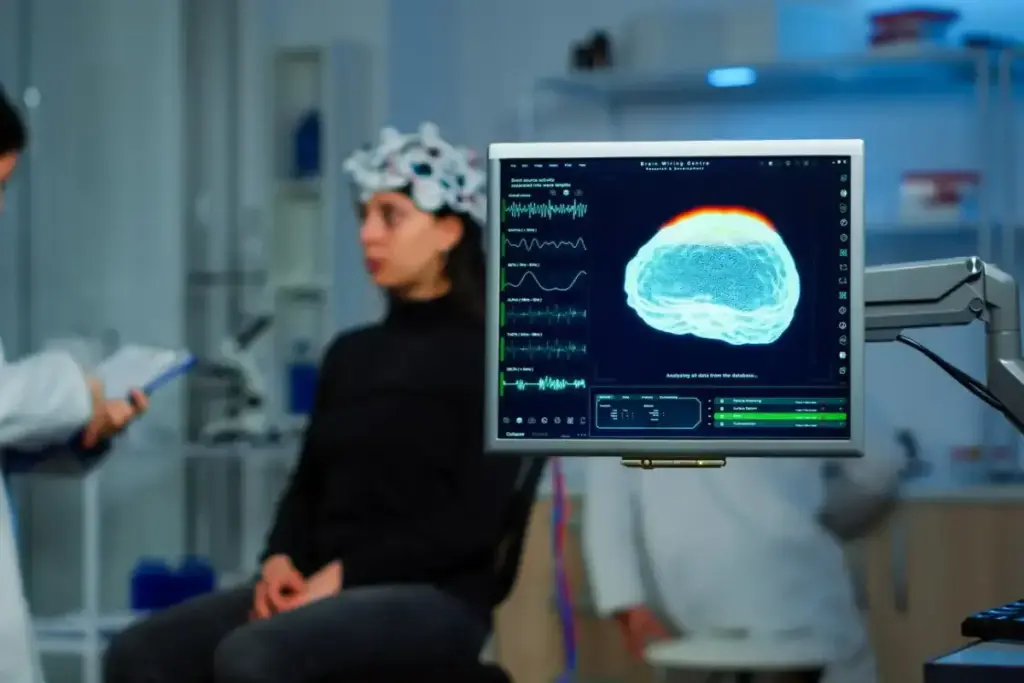
Modern neurosurgery is a big leap in medical science. It offers precise and effective treatments for conditions once thought impossible to fix. We’ve seen huge progress in this field, changing how we tackle complex brain and spinal issues.
Neurosurgical procedures are key in treating many neurological disorders. They give hope to people all over the world. These surgeries range from brain operations to spinal treatments, each tackling different problems.
Definition and Scope of Neurosurgical Procedures
Neurosurgical procedures cover a wide range of surgeries for brain, spinal cord, and nervous system issues. These surgeries are done by expert neurosurgeons who use the latest tech for the best results.
The variety of neurosurgical procedures available is extensive and caters to numerous neurological conditions. It includes removing tumors, treating blood vessel problems, and fixing spinal issues. Neurosurgery benefits patients by giving them treatments that can save or greatly improve their lives.
|
Procedure Type |
Description |
Common Conditions Treated |
|---|---|---|
|
Brain Surgery |
Surgical interventions for brain-related conditions |
Brain tumors, cerebral aneurysms |
|
Spinal Surgery |
Operations to correct spinal disorders |
Herniated discs, spinal stenosis |
|
Vascular Neurosurgery |
Treatments for vascular conditions affecting the brain |
Arteriovenous malformations, cerebral aneurysms |
Evolution of Modern Neurosurgical Techniques
The field of neurosurgery has grown a lot over time. This growth is thanks to new medical tech and methods. Today, neurosurgery uses advanced tools and techniques, making treatments more precise and effective.
Important advancements include robotic surgery, real-time imaging, and less invasive methods. These changes have made neurosurgery better at treating neurological disorders.
As we keep exploring new possibilities in neurosurgery, patients can look forward to better care and quality of life. The ongoing improvement in neurosurgical techniques shows our dedication to top-notch care.
Common Reasons for Neurosurgery: A Guide
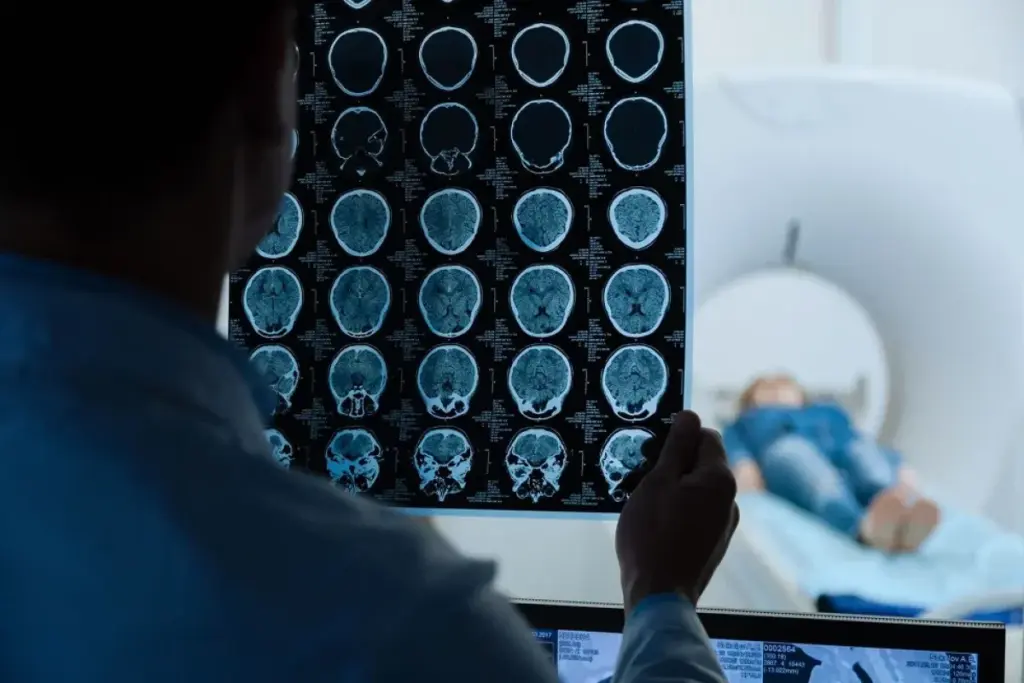
Neurosurgery deals with many neurological issues. It’s important for patients and doctors to know when it’s needed.
Primary vs. Secondary Neurological Conditions
Neurological problems needing surgery are divided into two types. Primary issues start in the nervous system. Secondary ones come from other diseases or outside factors.
Primary issues include:
- Brain tumors
- Cerebrovascular malformations
- Neurodegenerative diseases
Secondary issues include:
- Traumatic brain injuries
- Metastatic brain tumors
- Infections affecting the central nervous system
|
Condition Type |
Examples |
Common Neurosurgical Interventions |
|---|---|---|
|
Primary |
Brain tumors, Cerebrovascular malformations |
Tumor resection, Aneurysm clipping |
|
Secondary |
Traumatic brain injuries, Metastatic brain tumors |
Hematoma evacuation, Metastasis resection |
When Conservative Treatment Fails
When other treatments don’t work, surgery might be needed. This includes medicines, physical therapy, and more.
For example, with severe spinal disc herniation, first try non-surgical treatments. But if symptoms don’t get better, surgery like discectomy or spinal fusion might be needed.
Emergency vs. Elective Neurosurgery
Neurosurgery can be urgent or planned. Urgent surgery is for life-threatening issues. Planned surgery is for less urgent problems.
Urgent surgery is for:
- Acute subdural hematomas
- Severe traumatic brain injuries
- Spontaneous intracerebral hemorrhage
Planned surgery is for conditions that aren’t life-threatening but need surgery. This includes some brain tumors or spinal disorders.
|
Surgery Type |
Indications |
Examples of Procedures |
|---|---|---|
|
Emergency |
Life-threatening conditions |
Hematoma evacuation, Decompressive craniectomy |
|
Elective |
Non-life-threatening conditions |
Tumor resection, Spinal fusion |
Brain Tumors: Leading Cause for Neurosurgical Intervention
Brain tumors need a detailed treatment plan. They can affect a person’s life and chances of survival. We will look at the types of brain tumors needing surgery, how they are removed, and the care needed after surgery.
Types of Brain Tumors Requiring Surgery
Brain tumors can start in the brain or spread from other parts. Primary brain tumors include gliomas, meningiomas, and acoustic neuromas. Surgery is chosen based on the tumor’s type, size, and where it is, and the patient’s health.
Gliomas are common primary brain tumors. They can be low-grade or high-grade (glioblastoma). Surgical resection aims to remove as much of the tumor as possible while keeping the brain safe.
Surgical Approaches for Tumor Removal
The surgical method depends on the tumor’s location, size, and the patient’s health. Craniotomy is often used, where part of the skull is removed to get to the tumor. New techniques like intraoperative MRI and neuronavigation make surgery more precise and safe.
- Minimally invasive techniques reduce recovery time and scarring.
- Awake craniotomy allows for real-time monitoring of brain function.
- Endoscopic surgery is used for tumors accessible through the ventricles or nasal cavity.
Post-Operative Care and Recovery
After surgery, care is key for a good outcome. Monitoring in an intensive care unit (ICU) helps manage risks like swelling or infection. Rehabilitation includes physical, occupational, and speech therapy to help regain lost abilities.
A team approach is vital for brain tumor patients, from diagnosis to recovery. This care ensures the best results and quality of life for those undergoing neurosurgery for brain tumors.
Traumatic Brain Injuries Requiring Surgical Management
Traumatic brain injuries (TBI) often need immediate surgery to prevent more damage. These injuries can happen from falls, car accidents, or physical attacks. They can cause severe and life-threatening conditions. We will look at the urgent and complex cases of TBI that need surgery.
Acute Subdural and Epidural Hematomas
Acute subdural and epidural hematomas are serious TBI complications needing quick surgery. An acute subdural hematoma happens when blood builds up between the brain and the dura mater. An epidural hematoma is when blood builds up between the dura mater and the skull. Both can cause brain pressure to rise, leading to brain herniation and death if not treated fast.
Depressed Skull Fractures
Depressed skull fractures are another serious TBI case needing surgery. These fractures happen when the skull breaks and the bone pieces press down on the brain. Surgery lifts the bone pieces to ease brain pressure and fix any damaged tissue.
Decompressive Craniectomy for Severe TBI
Decompressive craniectomy is a surgery to reduce severe brain pressure from TBI. It involves removing part of the skull to let the brain expand. The removed bone is kept in a freezer or under the skin and put back when the swelling goes down.
The following table summarizes the key aspects of traumatic brain injuries requiring surgical management:
|
Condition |
Description |
Surgical Management |
|---|---|---|
|
Acute Subdural Hematoma |
Bleeding between the brain’s surface and the dura mater |
Emergency surgery to evacuate the hematoma |
|
Epidural Hematoma |
Bleeding between the dura mater and the skull |
Immediate surgical evacuation |
|
Depressed Skull Fracture |
Skull fracture with inward displacement of bone fragments |
Surgical elevation of bone fragments |
|
Severe TBI |
Severe traumatic brain injury with increased intracranial pressure |
Decompressive craniectomy |
In conclusion, TBI cases needing surgery are complex and serious. Quick neurosurgery is key to managing these cases. We’ve covered acute subdural and epidural hematomas, depressed skull fractures, and decompressive craniectomy for severe TBI. This highlights the need for timely and proper surgery.
Spinal Disorders Necessitating Neurosurgery
Neurosurgery is key in treating spinal disorders like herniated discs, spinal stenosis, and spinal cord injuries. These issues can greatly affect a person’s life, causing pain, numbness, and mobility issues. We’ll look at the types of spinal disorders needing neurosurgery and the treatment options available.
Herniated Discs and Spinal Stenosis
Herniated discs happen when the soft center of the disc leaks out, pressing on nerves and causing pain. Spinal stenosis narrows the spinal canal, putting pressure on the spinal cord and nerves. Neurosurgery can help relieve this pressure.
Treatment Options:
- Discectomy: Removing the herniated disc material
- Laminectomy: Removing the lamina to relieve pressure
- Spinal fusion: Stabilizing the spine by fusing vertebrae together
Spinal Cord Injuries and Compression
Spinal cord injuries can result from trauma, compression, or other factors, leading to significant neurological deficits. Neurosurgery may be needed to decompress the spinal cord, stabilize the spine, or repair damaged tissues.
Common Causes:
- Traumatic injuries
- Tumors
- Infections
- Degenerative conditions
Spinal Fusion and Minimally Invasive Options
Spinal fusion stabilizes the spine by fusing vertebrae together. Minimally invasive surgeries are gaining popularity for their benefits like smaller incisions, less tissue damage, and faster recovery.
|
Treatment |
Description |
Benefits |
|---|---|---|
|
Spinal Fusion |
Fusing vertebrae together to stabilize the spine |
Provides stability, reduces pain |
|
Minimally Invasive Surgery |
Surgical procedures performed through small incisions |
Less tissue damage, quicker recovery |
Cerebrovascular Conditions Requiring Surgical Intervention
Neurosurgery is key in managing brain blood vessel diseases. These diseases can lead to serious issues like stroke and bleeding in the brain. They often need precise surgery to avoid or lessen damage.
Cerebral Aneurysms and Subarachnoid Hemorrhage
Cerebral aneurysms are brain blood vessel swellings that can burst. This can cause a dangerous brain bleed. Doctors check the risk of bursting and choose the best treatment, like clipping or coiling.
Surgical clipping stops blood flow by clipping the aneurysm. Endovascular coiling uses coils to clot the aneurysm, keeping it from bleeding.
Arteriovenous Malformations
Arteriovenous malformations (AVMs) are brain blood vessel tangles. They can cause symptoms or bleeding. Treatment depends on size, location, and health. Options include surgery, embolization, or radiosurgery.
Microsurgical resection removes the AVM. Endovascular embolization blocks blood supply, preparing for surgery or radiosurgery.
Carotid Artery Disease and Stroke Prevention
Carotid artery disease narrows or blocks brain blood supply arteries. This can cause stroke. Surgery, like carotid endarterectomy, is for those at high risk.
Carotid endarterectomy removes plaque, improving blood flow. Surgery is based on stenosis degree and symptoms.
Hydrocephalus: Surgical Management Options
Hydrocephalus is a condition where too much cerebrospinal fluid builds up in the brain. It often needs surgery to ease symptoms and improve health. This condition can come from birth defects, head injuries, or infections. It’s important to treat it to avoid more brain damage.
Every case of hydrocephalus is different. Treatment must be tailored to each patient’s needs and health. The main goal of surgery is to reduce fluid buildup and ease brain pressure.
Shunt Placement Procedures
Shunt placement is a common surgery for hydrocephalus. A shunt is a device that helps move fluid away from the brain. Doctors carefully plan the surgery based on the patient’s body and condition.
The surgery involves a small scalp incision and a hole in the skull. Then, the shunt is placed in the brain’s ventricle. It’s guided under the skin to the abdomen, where the fluid is absorbed.
Endoscopic Third Ventriculostomy
Endoscopic Third Ventriculostomy (ETV) is another treatment for hydrocephalus. It uses an endoscope to create a new fluid pathway. ETV is good for some patients, as it might avoid the need for a shunt.
Choosing between shunt placement and ETV depends on several factors. These include the cause of hydrocephalus, the patient’s age, and health. We help patients and their families decide the best treatment, weighing the pros and cons of each option.
Both shunt placement and ETV have their own benefits and risks. Knowing these is key to choosing the right neurosurgical treatment for hydrocephalus.
Epilepsy and Seizure Disorders Treated Surgically
Surgery is now seen as a key treatment for some epilepsy and seizure disorders. We’ll look at how surgery can help manage these conditions.
Surgical Candidacy Assessment
Figuring out if surgery is right for a patient takes a detailed look. This includes checking the patient’s medical history and doing neurological tests. Advanced imaging also plays a big role.
Key factors for surgery include the type and how often seizures happen, where they start, and the patient’s health.
Resective Surgery Techniques
Resective surgery removes the brain part where seizures start. It can greatly reduce or stop seizures in the right patients.
Methods like temporal lobectomy and lesionectomy are used. The choice depends on where and why seizures start.
Neurostimulation Approaches
For those not suited for resective surgery, neurostimulation is an option. Vagus nerve stimulation (VNS) and responsive neurostimulation (RNS) can control seizures.
“Neurostimulation has changed how we treat epilepsy, giving hope to those with hard-to-control seizures,” say top epilepsy doctors.
“Advances in neurostimulation have greatly improved outcomes for epilepsy patients, adding value to traditional treatments.”
In summary, treating epilepsy and seizure disorders with surgery involves careful patient choice, advanced surgery, and new neurostimulation methods.
Chronic Pain Conditions Addressed Through Neurosurgery
Neurosurgery is now a key treatment for chronic pain that other methods can’t fix. Chronic pain can really hurt a person’s life quality. When other treatments don’t work, neurosurgery can help.
Trigeminal Neuralgia and Other Cranial Neuralgias
Trigeminal neuralgia is a pain condition that affects the trigeminal nerve, causing face pain. Other cranial neuralgias can also cause severe pain. Neurosurgery offers several options for these conditions:
- Microvascular decompression to relieve pressure on the affected nerve
- Stereotactic radiosurgery to target the nerve with precise radiation
- Radiofrequency ablation to lesion the nerve and reduce pain
These methods can greatly reduce or stop pain for many people.
Spinal Cord Stimulation
Spinal cord stimulation (SCS) is a neurosurgical method. It involves implanting a device that sends electrical impulses to the spinal cord. This interrupts pain signals to the brain. SCS is used for different chronic pain conditions, including:
- Failed back surgery syndrome
- Complex regional pain syndrome
- Chronic pain due to nerve damage
Benefits of SCS include less pain, better quality of life, and possibly less need for medication.
Deep Brain Stimulation for Pain Management
Deep brain stimulation (DBS) involves placing electrodes in the brain for pain processing. DBS is for patients with severe, treatment-resistant chronic pain. The treatment can be adjusted for each patient, making it a personalized option.
Advancements in DBS technology have made it safer and more effective. This makes it a good choice for chronic pain that other treatments can’t fix.
Knowing about these neurosurgical options helps patients and doctors make better choices for managing chronic pain.
Movement Disorders: Surgical Treatment Options
Neurosurgery has changed how we treat movement disorders. Techniques like deep brain stimulation are key. These methods help patients with Parkinson’s disease, essential tremor, and dystonia. They offer hope for those who haven’t seen improvement with other treatments.
Parkinson’s Disease and Deep Brain Stimulation
Parkinson’s disease makes it hard to move. Deep brain stimulation (DBS) is a powerful treatment for advanced cases. It helps reduce tremors, stiffness, and slow movements.
DBS involves a neurostimulator that sends electrical signals to the brain. This helps manage symptoms better. A top neurosurgeon says DBS has greatly improved life for many patients.
Essential Tremor and Dystonia
Essential tremor and dystonia also benefit from surgery. Essential tremor causes shaking, usually in the hands. Dystonia leads to muscle spasms and odd movements.
DBS can lessen these symptoms, making daily tasks easier. We choose the best surgery for each patient. This might be DBS or other methods, depending on their needs.
Congenital and Developmental Neurological Disorders
Neurosurgery is key in treating birth defects and developmental disorders. These issues can greatly affect a person’s life. So, getting the right treatment quickly is very important.
Born with neurological disorders, these conditions can come from genes or the environment. Developmental disorders show up as a child grows. Both need neurosurgery to help symptoms and improve life quality.
Chiari Malformation
Chiari malformation is a brain defect at birth. It puts pressure on the brain and spinal cord. Symptoms include headaches, fatigue, muscle weakness, and balance issues. Surgery is needed to relieve this pressure.
The surgery aims to:
- Reduce pressure on the brain and spinal cord
- Improve cerebrospinal fluid flow
- Lessen symptoms and enhance life quality
Spina Bifida and Related Conditions
Spina bifida is a birth defect where the spine and spinal cord don’t form right. It’s part of neural tube defects. Spina bifida’s severity varies, from mild to severe needing surgery.
Treatment for spina bifida includes:
- Spinal defect closure soon after birth
- Shunt placement for hydrocephalus
- Spinal cord untethering surgery as the child grows
Craniosynostosis
Craniosynostosis is when an infant’s skull bones fuse too early. This can cause an abnormal head shape and high brain pressure. Early diagnosis and surgery are vital for brain growth.
Surgical choices for craniosynostosis are:
- Open surgery to release fused sutures
- Endoscopic surgery for some cases
In summary, congenital and developmental neurological disorders are complex. Conditions like Chiari malformation, spina bifida, and craniosynostosis benefit from neurosurgery. This improves life quality and outcomes for those affected.
Technological Advancements in Neurosurgical Procedures
Technology is changing neurosurgery a lot. We see big changes in how surgeries are done. This is thanks to new tech.
Robotic and Computer-Assisted Surgery
Robotic and computer-assisted surgery are big deals in neurosurgery. They make surgeons more precise and skilled. This lets them do tricky surgeries better.
Benefits of Robotic Surgery:
- Enhanced precision and accuracy
- Minimally invasive, reducing recovery time
- Improved visualization through 3D imaging
Intraoperative Imaging and Navigation
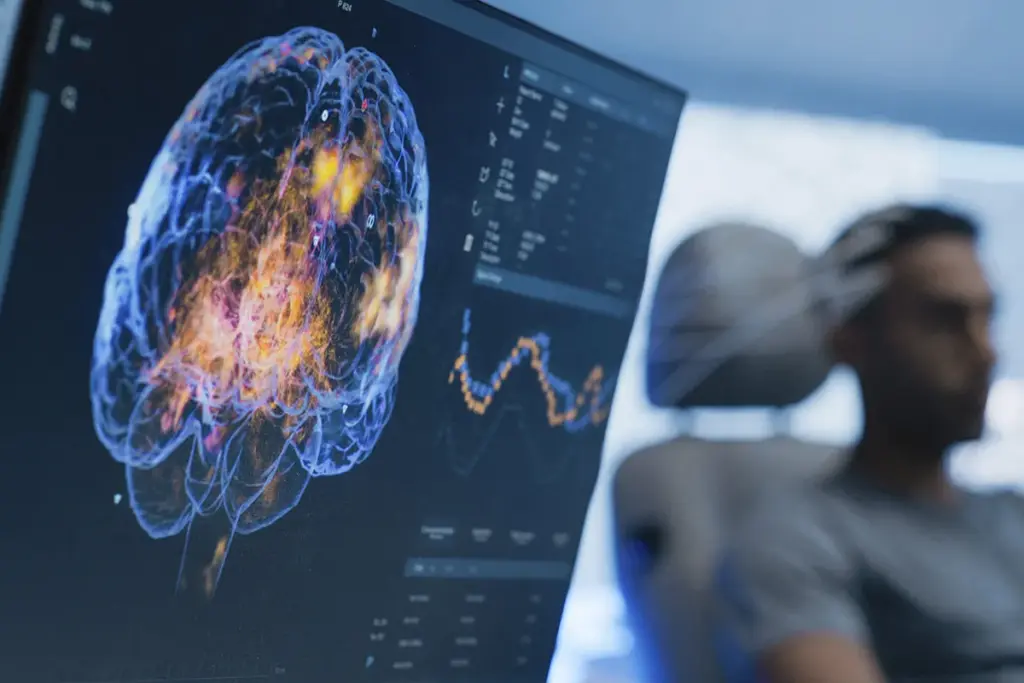
Intraoperative imaging and navigation are key in neurosurgery today. They give surgeons real-time info during surgery. This helps them make better choices and adjust their work as needed.
|
Technology |
Application |
Benefit |
|---|---|---|
|
Intraoperative MRI |
Real-time imaging during surgery |
Ensures complete tumor resection |
|
Intraoperative CT |
Immediate assessment of surgical site |
Reduces need for repeat surgeries |
|
Navigation Systems |
Guiding surgical instruments |
Enhances precision and safety |
Minimally Invasive Neurosurgery
Minimally invasive neurosurgery is getting more popular. It can make patients recover faster and have less risk. This is because of smaller cuts and less damage to tissue.
As we keep using new tech in neurosurgery, we’re making surgeries better. We’re also making patients’ experiences better. These new ideas are very important for the future of neurosurgery.
Risks and Complications Associated with Neurosurgery
Neurosurgery can save lives but comes with risks. It’s a complex field with possible complications. Knowing these risks helps patients and doctors make better choices.
Common Surgical Risks
Neurosurgery risks include infection, bleeding, and bad reactions to anesthesia. Infection is a big worry because of the sensitive areas involved. Antibiotic prophylaxis helps prevent this.
|
Risk |
Description |
Mitigation Strategy |
|---|---|---|
|
Infection |
Bacterial contamination during or after surgery |
Antibiotic prophylaxis, sterile technique |
|
Bleeding |
Hemorrhage during or after surgery |
Careful hemostasis, monitoring |
|
Anesthesia Complications |
Adverse reactions to anesthesia |
Pre-anesthetic evaluation, monitoring |
Condition-Specific Complications
Each neurosurgical condition has its own risks. For example, brain tumor surgeries might lead to neurological problems. Aneurysm procedures risk rupture or vasospasm.
Risk Mitigation Strategies
To reduce risks, neurosurgery uses a detailed approach. This includes choosing the right patients, precise surgery, and good care after surgery. Preoperative planning with advanced imaging helps understand risks. Intraoperative monitoring and navigation systems improve surgery precision.
By understanding and managing risks, we can better help patients. It’s a delicate balance, but with careful planning, risks can be lowered.
The Neurosurgical Consultation Process
Understanding the consultation process is key when facing a neurosurgical condition. It helps you make informed decisions about your care. The first meeting with a neurosurgeon is vital in finding the best treatment.
Preparing for Your Appointment
To get the most from your consultation, preparation is key. Bring all your medical records, like test results and imaging studies. Also, write down your symptoms, medical history, and any questions you have. This ensures you cover all important points with your neurosurgeon.
Key items to bring to your consultation:
- Medical records and test results
- Imaging studies (e.g., MRI, CT scans)
- A list of your current medications
- A written list of your symptoms and questions
Diagnostic Tests and Evaluations
Your neurosurgeon might order more tests to check your condition. These could include MRI or CT scans and other procedures. We’ll explain each test’s purpose and risks, keeping you informed every step of the way.
Questions to Ask Your Neurosurgeon
Asking the right questions can help you understand your condition and treatment options. Ask about the risks and benefits of each treatment and what recovery will be like.
Sample questions to ask:
- What are the possible risks and complications of the recommended treatment?
- What are the expected outcomes, and how will it improve my condition?
- Are there other treatment options, and how do they compare to the recommended one?
Being prepared and asking smart questions can make your consultation more effective. We aim to support you fully as you navigate your treatment journey.
Conclusion: Navigating Neurosurgical Treatment Decisions
Understanding neurosurgical treatment options is key. We’ve looked at why people might need neurosurgery, like for brain tumors or spinal issues. This includes brain injuries and spinal problems.
We’ve talked about the treatments available, like removing tumors or fixing spinal injuries. It’s important for patients to know about these options. This knowledge helps them make better choices.
Neurological disorders are complex and need a team effort to treat. Patients can work with their neurosurgeon to understand their condition. This way, they can make informed decisions about their care.
The main goal of neurosurgery is to improve patients’ lives. By educating and supporting patients, we help them take charge of their health. This way, they can make choices that are best for them.
FAQ
What are the most common reasons for neurosurgery?
Neurosurgery is often needed for brain tumors, injuries to the brain, and spinal problems. It’s also used for conditions like hydrocephalus, epilepsy, and chronic pain. Movement disorders are another reason.
What types of brain tumors require neurosurgical intervention?
Neurosurgery is needed for many brain tumors. This includes both benign and malignant types. Gliomas, meningiomas, and acoustic neuromas are examples.
What are the surgical options for spinal disorders?
For spinal issues, surgery can include spinal fusion and minimally invasive methods. Decompression surgery is also used. It helps with problems like herniated discs and spinal stenosis.
How is hydrocephalus managed surgically?
Surgery for hydrocephalus involves placing shunts or doing endoscopic third ventriculostomy. These methods help move excess cerebrospinal fluid. They relieve pressure on the brain.
What are the benefits of deep brain stimulation for movement disorders?
Deep brain stimulation can greatly help with movement disorders. It improves life quality and reduces disability. This is true for conditions like Parkinson’s disease and essential tremor.
What are the risks associated with neurosurgery?
Neurosurgery comes with risks like infection and bleeding. There’s also a chance of neurological damage. But, careful planning and skilled surgery can lower these risks.
How can I prepare for a neurosurgical consultation?
To get ready for a neurosurgery consultation, collect your medical records. Write down your symptoms and questions. Be ready to talk about your medical history and treatment options.
What are the advantages of minimally invasive neurosurgery?
Minimally invasive neurosurgery has many benefits. It uses smaller incisions and causes less tissue damage. This means less pain and a quicker recovery. It’s a good option for some procedures.
Can neurosurgery provide relief for chronic pain conditions?
Yes, neurosurgery can help with chronic pain. It’s used for conditions like trigeminal neuralgia. Procedures like spinal cord stimulation and deep brain stimulation can offer relief.
What is the role of robotic and computer-assisted surgery in neurosurgery?
Robotic and computer-assisted surgery make neurosurgery more precise and safe. They allow for complex procedures with high accuracy. This is done with less invasiveness.
National Center for Biotechnology Information. Evidence-Based Medical Insight. Retrieved from https://pubmed.ncbi.nlm.nih.gov/38788242/