Did you know over 700,000 Americans are sent home from hospitals each year with brain or nervous system issues? This shows how vital it is to know about the medical fields that deal with these complex problems.
Neurological conditions can include brain tumors, aneurysms, and spinal cord injuries. These need either surgery or other treatments. The terms “neurosurgery” and “neurological surgery” are often mixed up, but they have a small difference.
Neurosurgery usually means surgery for nervous system problems. But neurological surgery covers both surgery and other treatments. Knowing what neurologists and neurosurgeons do is key for patients looking for the right help.
Key Takeaways
- The terms “neurosurgery” and “neurological surgery” have distinct meanings.
- Neurological surgery includes both surgical and non-surgical treatments.
- Neurologists and neurosurgeons have different roles in patient care.
- Understanding these differences is vital for finding the right medical care.
- Neurological conditions need special treatment methods.
Understanding Neurosurgery and Neurological Surgery
Many people mix up neurosurgery and neurological surgery. But they are different in how they treat brain and nervous system problems. The main difference is in their treatment methods.
Defining the Medical Specialties
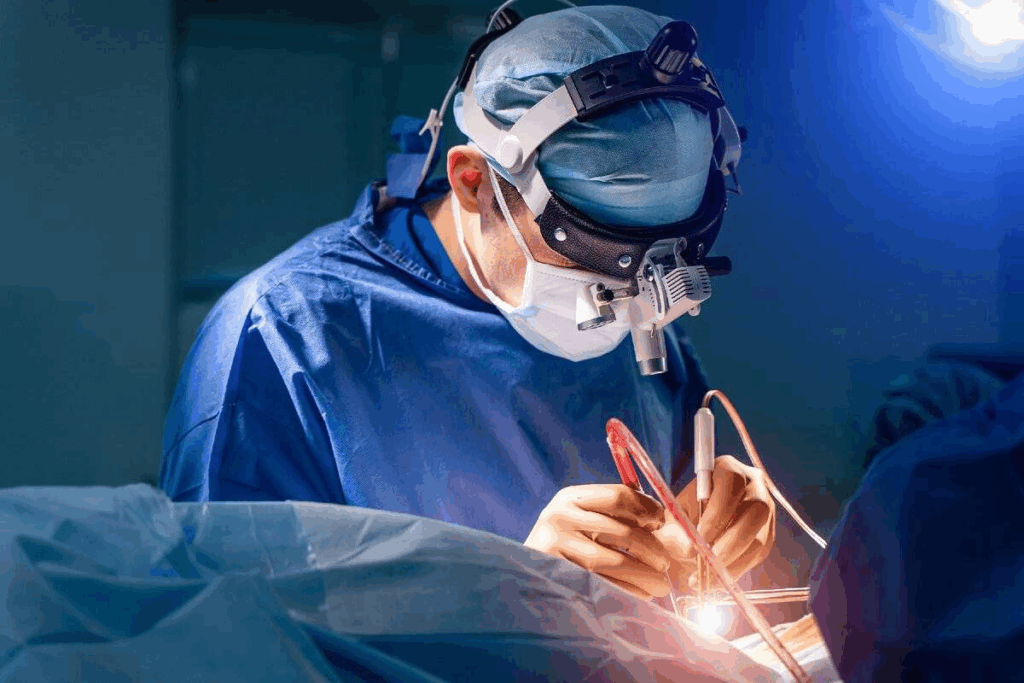
Neurosurgery is a field that deals with brain, spine, and nervous system surgeries. Neurosurgeons perform a wide range of surgeries, from simple to complex ones like removing brain tumors.
Neurological surgery is often seen as the same as neurosurgery. But it can also mean treatments that aren’t always surgical.
Specialty | Focus | Examples of Conditions Treated |
Neurosurgery | Surgical treatment of neurological disorders | Brain tumors, aneurysms, spinal injuries |
Neurological Surgery | Surgical and sometimes non-surgical treatment of neurological conditions | Similar to neurosurgery, with a broader interpretation |
Historical Development of the Fields
Neurosurgery has roots in ancient times, with evidence of skull surgeries found in many cultures. Modern neurosurgery has made huge strides, thanks to new technology and techniques.
Neurological surgery has grown alongside neurosurgery. Both fields have seen big improvements in imaging and surgical tools.
Neurosurgery vs Neurological Surgery: Are They the Same?

Many people think “neurosurgery” and “neurological surgery” mean the same thing. But there are small differences that are important to know. These differences help both patients and doctors understand the world of neurological care better.
Terminology Explained
Neurosurgery is about fixing problems in the brain, spine, and nervous system through surgery. It’s a specific type of surgery for these areas.
Neurological surgery is a broader term. It includes both surgery and non-surgery for brain and nervous system issues. It covers everything from diagnosis to treatment and rehabilitation.
Term | Definition | Scope |
Neurosurgery | Surgical treatment of neurological conditions | Surgical interventions |
Neurological Surgery | Both surgical and non-surgical management of neurological conditions | Comprehensive care including diagnosis, treatment, and rehabilitation |
Common Misconceptions
Many think neurologists do surgery. But, neurologists mainly focus on finding and treating problems without surgery. They don’t do operations.
Neurosurgeons, on the other hand, are trained for brain, spine, and nervous system surgeries. Knowing the difference helps patients know when to see a neurologist or a neurosurgeon.
The Role of a Neurosurgeon
Neurosurgeons do a lot of things, like performing surgeries and taking care of patients before and after surgery. They are doctors who focus on the nervous system, including the brain and spinal cord.
Core Responsibilities
Neurosurgeons have key jobs. They figure out if surgery is needed and do the operations. They also take care of patients before and after surgery.
Surgical Interventions
Neurosurgeons do many surgeries. They remove brain tumors and fix aneurysms. They also do spinal surgeries and help with pain.
Surgical Procedure | Description | Condition Treated |
Brain Tumor Removal | Surgical removal of tumors in the brain | Brain Cancer |
Spinal Fusion | Surgical procedure to fuse vertebrae in the spine | Spinal Instability |
Discectomy | Removal of damaged disc material | Herniated Disc |
Patient Care Before and After Surgery
Neurosurgeons focus on patient care before and after surgery. They explain what’s going on and what to expect. They also watch for any problems and help with pain.
The Role of a Neurologist

A neurologist is a doctor who deals with the brain, spinal cord, and nervous system. They don’t do surgery. Instead, they manage neurological disorders without surgery.
Diagnostic Expertise
Neurologists can diagnose many neurological conditions. This includes epilepsy, Parkinson’s disease, and multiple sclerosis. They use tests like EEGs, EMGs, and MRI scans to find the cause of symptoms.
Diagnostic tools commonly used by neurologists include:
- Electroencephalography (EEG) to assess electrical activity in the brain
- Electromyography (EMG) to evaluate muscle function
- Magnetic Resonance Imaging (MRI) to visualize the brain and spinal cord
Non-Surgical Treatments
After diagnosing a condition, neurologists create treatment plans. These plans may include medicines, lifestyle changes, and other non-surgical methods. For example, epilepsy patients might get antiepileptic drugs, and Parkinson’s patients might get dopaminergic therapy.
The goal of these treatments is to manage symptoms, slow disease progression, and improve quality of life.
Long-term Patient Management
Neurologists often care for patients with chronic conditions over time. They monitor how the disease progresses, adjust treatments, and handle any complications. Good long-term care can greatly improve a patient’s function and well-being.
A leading neurologist says, “The key to managing chronic neurological conditions is a care plan that covers medical, social, and emotional needs.”
Education and Training Requirements
Neurosurgeons and neurologists need a lot of education and training. They must be experts in their fields. This is because neurological conditions are complex.
Neurosurgeon Training Path
To become a neurosurgeon, one must do a lot of training after medical school. This includes:
- Medical School and Residency: Neurosurgeons spend 7-8 years in residency after medical school. They learn surgical techniques and patient care.
- Fellowship and Board Certification: Many neurosurgeons do extra training in fellowships. They also get board certification to show their expertise.
Medical School and Residency
Medical school gives the basic knowledge. Residency training adds practical experience in neurosurgery. This mix is key for complex surgeries.
Fellowship and Board Certification
Fellowships let neurosurgeons specialize, like in pediatric neurosurgery. Board certification shows they meet professional standards.
Neurologist Training Path
Neurologists also train a lot, but differently from neurosurgeons. Their training includes:
- Medical School and Residency: Neurologists spend 4-5 years in residency after medical school. They focus on diagnosing and treating without surgery.
- Subspecialty Training: Many neurologists get extra training in areas like stroke neurology. This boosts their skills in complex conditions.
Medical School and Residency
Medical school is the base. Residency is where neurologists learn to diagnose and manage many neurological conditions.
Subspecialty Training
Subspecialty training helps neurologists become experts in certain areas. This way, they can give specialized care to patients.
Knowing how neurosurgeons and neurologists train shows their commitment to patient care. It’s about the dedication and skill needed for neurological conditions.
Conditions Treated by Neurosurgeons
Neurosurgical care is key for those with brain, spine, and nerve disorders. Neurosurgeons can diagnose and treat many nervous system issues.
Brain Disorders
Neurosurgeons handle many brain problems, like brain tumors, congenital conditions, and cerebrospinal fluid (CSF) leaks. They use precise techniques and know the brain well.
Brain tumors can be harmless or cancerous and might need surgery or radiation. Conditions like hydrocephalus, where there’s too much CSF, might need shunts to drain it.
Spinal Conditions
Neurosurgeons treat spinal issues like herniated discs, spinal stenosis, and deformities. These can cause a lot of pain and problems with nerves.
Condition | Description | Treatment Options |
Herniated Disc | Disc material bulges out, compressing nerves | Conservative management, surgery |
Spinal Stenosis | Narrowing of the spinal canal, compressing nerves | Decompression surgery, physical therapy |
Peripheral Nerve Issues
Neurosurgeons also deal with nerve problems, like carpal tunnel syndrome and injuries. These can cause a lot of pain and make it hard to function.
Treatment for nerve issues might include surgery to release or repair the nerve, based on the problem’s severity.
Conditions Treated by Neurologists
Neurologists lead in managing neurological diseases. They help improve patients’ lives a lot. They deal with many neurological conditions, including chronic and degenerative ones.
Neurological Disorders
Neurologists treat many neurological disorders. Epilepsy is one, causing seizures. They use medicine, lifestyle changes, and sometimes surgery to manage it.
They also handle peripheral neuropathy and neuromuscular diseases. These need precise diagnosis and custom treatment plans.
Chronic Neurological Conditions
Chronic conditions like multiple sclerosis and Parkinson’s disease need ongoing care. Neurologists work with patients to create treatment plans. These plans help manage symptoms and slow disease growth.
- Multiple sclerosis management involves disease-modifying therapies and symptom management.
- Parkinson’s disease treatment includes medication, physical therapy, and sometimes surgical interventions.
Neurodegenerative Diseases
Neurodegenerative diseases, like Alzheimer’s disease and Huntington’s disease, are tough challenges. Neurologists are key in diagnosing and supporting these conditions.
“Early diagnosis and intervention can significantly impact the quality of life for patients with neurodegenerative diseases.”
Neurologists team up with other experts for full care. This includes cognitive support and managing symptoms.
Common Neurosurgical Procedures
Neurosurgeons do many surgeries to fix brain and spine problems. These surgeries are key to diagnosing and treating complex conditions. They need precise medical care.
Brain Surgery Types
Brain surgery includes many techniques for different brain issues. Neurosurgeons are skilled in doing these delicate surgeries.
Tumor Removal
Tumor removal is a common surgery. It involves taking out brain tumors, which can be harmless or cancerous. The goal is to take out as much tumor as possible without harming the brain.
Vascular Interventions
Vascular interventions are surgeries for brain blood vessel problems. This includes fixing aneurysms or AVMs. The aim is to stop rupture or fix damaged blood vessels.
Spine Surgery Approaches
Spine surgery treats spinal problems, from herniated discs to complex deformities. Neurosurgeons use both old and new methods to fix these issues.
Minimally Invasive Techniques
Minimally invasive spine surgery uses small cuts and less damage. This leads to faster healing. It’s used for problems like herniated discs and spinal stenosis.
Complex Spinal Reconstruction
Complex spinal reconstruction is for serious spinal problems or after trauma. These surgeries need advanced tools and fusion techniques.
Procedure Type | Description | Common Conditions Treated |
Tumor Removal | Surgical removal of brain tumors | Brain tumors (benign or malignant) |
Vascular Interventions | Surgical repair of vascular abnormalities | Aneurysms, AVMs |
Minimally Invasive Spine Surgery | Less invasive surgical techniques for spinal conditions | Herniated discs, spinal stenosis |
Complex Spinal Reconstruction | Extensive surgery for spinal deformities or stabilization | Spinal deformities, severe spinal instability |
Diagnostic Methods in Neurology and Neurosurgery
Diagnosing neurological disorders involves many methods. These include imaging and functional assessments. Getting the diagnosis right is key for good treatment plans in neurology and neurosurgery.
Imaging Techniques
Imaging is a big part of diagnosing neurological issues. Magnetic Resonance Imaging (MRI) and Computed Tomography (CT) scans are used a lot. MRI shows detailed brain and spinal cord images, helping spot tumors, stroke, and multiple sclerosis.
CT scans are great for emergencies, like finding hemorrhages or fractures.
- MRI (Magnetic Resonance Imaging)
- CT scans (Computed Tomography)
- X-rays for certain spinal and bone-related conditions
Functional Assessments and Testing
Functional assessments and tests are also key. They include electroencephalography (EEG) to check brain electrical activity, and electromyography (EMG) to look at muscle function. Other tests might check cognitive and neurological functions to see how symptoms affect a patient.
- EEG (Electroencephalography)
- EMG (Electromyography)
- Nerve Conduction Studies (NCS)
Using these methods well helps neurologists and neurosurgeons diagnose and treat complex conditions better.
When to See a Neurologist vs. a Neurosurgeon
When you have neurological symptoms, knowing who to see first is key. Neurological issues can be simple, like headaches, or complex, like seizures. First, you might see your primary care doctor, who can send you to the right specialist.
Symptoms Requiring Neurological Consultation
Some symptoms need a neurologist’s help. These include headaches, dizziness, numbness, and seizures. Neurologists can handle conditions like epilepsy and Parkinson’s disease.
If you have memory issues, trouble speaking or swallowing, or muscle weakness, see a neurologist. They can do tests to find the cause and plan treatment.
Conditions Requiring Surgical Intervention
Some problems need surgery, which means seeing a neurosurgeon. This includes brain tumors, aneurysms, and spinal issues. Neurosurgeons do complex surgeries with help from other doctors.
If tests show you need surgery, a neurosurgeon will talk about the risks and benefits. It’s important to know your options and what surgery might mean for you.
The Collaborative Approach to Neurological Care
For top-notch neurological care, a team effort is key. This means many healthcare pros working together. They make sure patients get the best care for their brain and nervous system issues.
Referral Process Between Specialists
The referral process is super important. It starts when a doctor thinks a patient needs more brain care. They send the patient to a brain expert, like a neurologist or neurosurgeon. This makes sure the right doctor sees the patient first.
Multidisciplinary Treatment Teams
At the core of brain care teams are neurologists, neurosurgeons, and more. They all work together to create a care plan just for the patient. This team effort makes sure every part of the patient’s care is covered.
Case Management and Coordination
Good case management keeps care smooth. It’s not just about the first treatment. It’s about managing the patient’s care over time, including rehab and check-ups. Working together helps avoid care gaps and keeps treatment consistent.
Aspect of Care | Role in Collaborative Care | Benefits |
Referral Process | Directs patients to appropriate specialists | Streamlines care pathway |
Multidisciplinary Teams | Develops comprehensive treatment plans | Ensures all aspects of care are addressed |
Case Management | Coordinates ongoing care and rehabilitation | Prevents gaps in care, ensures consistent treatment |
Subspecialties Within Neurosurgery and Neurology
Neurosurgery and neurology have many subspecialties for different brain and nerve issues. These areas need special training and skills. This way, doctors can give the best care for complex problems.
Neurosurgical Subspecialties
Neurosurgery has many areas, like pediatric neurosurgery for kids’ brain problems. Another key area is neuro-oncology, which handles brain and spinal tumors. Other subspecialties include spine surgery, vascular neurosurgery, and functional neurosurgery.
These special areas help neurosurgeons get better at certain things. For example, a pediatric neurosurgeon knows a lot about kids’ brain issues.
Neurological Subspecialties
Neurology also has many subspecialties, like neuroimmunology for autoimmune brain diseases. Another area is stroke neurology, which deals with stroke diagnosis and treatment. Other subspecialties include epilepsy, movement disorders, and neuromuscular medicine.
These areas let neurologists focus on complex conditions. For instance, a movement disorder specialist knows a lot about Parkinson’s disease.
Knowing about these subspecialties helps patients find the right doctor for their needs.
Patient Experience and Recovery
Understanding the patient journey is key to better neurosurgery outcomes. The journey includes preparation for surgery, the surgery itself, and recovery and follow-up care.
Preparing for Neurosurgical Procedures
Getting ready for surgery is vital. Patients must follow their neurosurgeon’s advice on tests, medication, and lifestyle changes.
- Pre-operative testing and evaluation
- Medication management and possible adjustments
- Lifestyle changes to improve surgical results
Recovery Timeline and Expectations
The recovery time varies with the surgery type. Patients usually see improvement over weeks or months.
Procedure Type | Typical Recovery Time | Post-Operative Care |
Brain Surgery | Several weeks to months | Close monitoring, medication management |
Spine Surgery | Several weeks to months | Physical therapy, pain management |
Rehabilitation and Follow-up Care
Rehabilitation is key to recovery, helping patients regain strength and function. Regular check-ups with the neurosurgeon are important for progress and any concerns.
Finding the Right Specialist for Your Neurological Needs
When you face neurological issues, finding the right specialist is key. It’s important to research and find a specialist who fits your needs.
Neurological care includes many specialties, like neurosurgery and neurology. Identifying the right specialist is vital for a good diagnosis and treatment.
Questions to Ask Your Doctor
Before choosing a specialist, ask the right questions. Here are some:
- What experience do you have with my specific neurological condition?
- What treatment options are available, and which do you recommend?
- Are there any alternative treatments or therapies that could be beneficial?
Researching Credentials and Experience
It’s important to research a specialist’s credentials and experience. Look for:
- Board certification in their specialty
- Experience in treating conditions similar to yours
- Patient reviews and testimonials
A well-researched decision can lead to better care and outcomes.
Getting Second Opinions
Don’t hesitate to seek a second opinion. Consulting with another specialist can:
- Confirm the initial diagnosis
- Provide additional treatment options
- Offer peace of mind
By taking these steps, patients can ensure they receive the best possible care for their neurological needs.
Conclusion: Navigating Neurological and Neurosurgical Care
Understanding the roles of neurologists and neurosurgeons is key. It helps patients know their treatment options better. Knowing the difference between neurosurgery and neurological surgery is important.
Neurologists and neurosurgeons work together for patient care. Neurologists use non-surgical treatments to diagnose and manage conditions. Neurosurgeons perform surgery when needed. This teamwork ensures patients get the best care.
In summary, knowing the roles of neurologists and neurosurgeons is vital. Healthcare professionals aim to provide care that improves patients’ lives. Their goal is to help patients achieve the best outcomes and quality of life.
FAQ
What is the difference between a neurosurgeon and a neurologist?
Neurosurgeons do surgeries for brain and spine problems. Neurologists handle non-surgical care and manage long-term brain conditions.
Are neurosurgery and neurological surgery the same thing?
Yes, they are often used the same way. Neurosurgery means surgery for brain and spine issues. Neurological surgery includes both surgery and non-surgery.
What kind of conditions do neurosurgeons treat?
Neurosurgeons deal with brain, spine, and nerve problems. This includes brain disorders, spinal issues, and nerve problems.
What is the role of a neurologist in patient care?
Neurologists diagnose and manage brain and nerve conditions. They provide non-surgical care and handle chronic diseases.
How do I know when to see a neurologist versus a neurosurgeon?
Talk to your doctor first. They’ll decide if you need a neurologist or neurosurgeon.
What is the collaborative approach to neurological care?
It’s a team effort. Neurologists, neurosurgeons, and others work together for complete care.
What are the subspecialties within neurosurgery and neurology?
Neurosurgery has pediatric and neuro-oncology subspecialties. Neurology has experts in specific brain disorders.
How do I find the right specialist for my neurological needs?
Research their credentials and ask questions. Getting a second opinion is also a good idea.
What can I expect during the recovery process after neurosurgery?
You’ll need careful preparation and follow-up. Talk to your team about what to expect during recovery.
Do neurologists perform surgery?
No, they don’t. Neurologists focus on non-surgical care and managing chronic conditions.
What is the difference between neurology and neurosurgery?
Neurology deals with non-surgical brain care. Neurosurgery is about surgical treatments for brain and spine issues.
References
What’s the difference between neurosurgery and neurological surgery https://pubmed.ncbi.nlm.nih.gov/32855291/