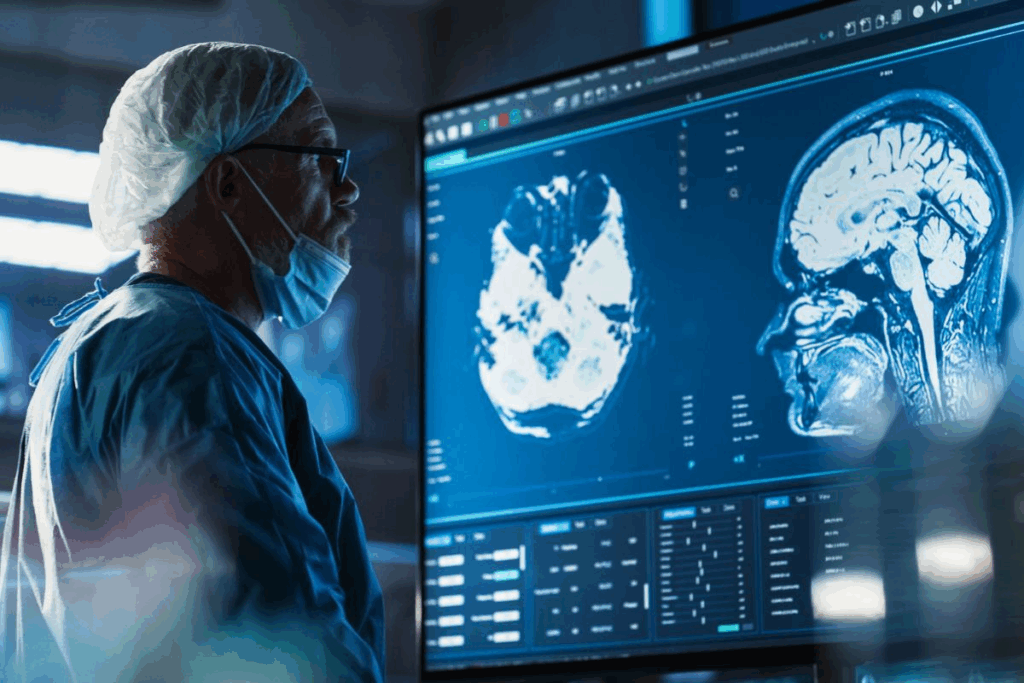
Brain surgery is a big deal and can change a person’s life a lot. Nearly 1 in 5 patients face some cognitive or physical limits after brain surgery. Knowing what you can’t do after surgery is key for a good outcome.
The neurosurgical recovery dynamics are very important for surgery success. Patients must follow certain rules after surgery. This helps with innovative patient rehabilitation and comprehensive healing intervention.
Key Takeaways
- Understanding post-brain surgery limitations is important.
- Following guidelines ensures a successful recovery.
- Innovative rehabilitation techniques aid in healing.
- Comprehensive intervention supports overall well-being.
- Patient education is key to a smooth recovery.
Understanding the Impact of Brain Surgery on the Body
It’s important for patients to understand how brain surgery affects them. This surgery can change how the body and mind work. The kind of surgery done affects how the body reacts.
Types of Brain Surgeries and Their Effects
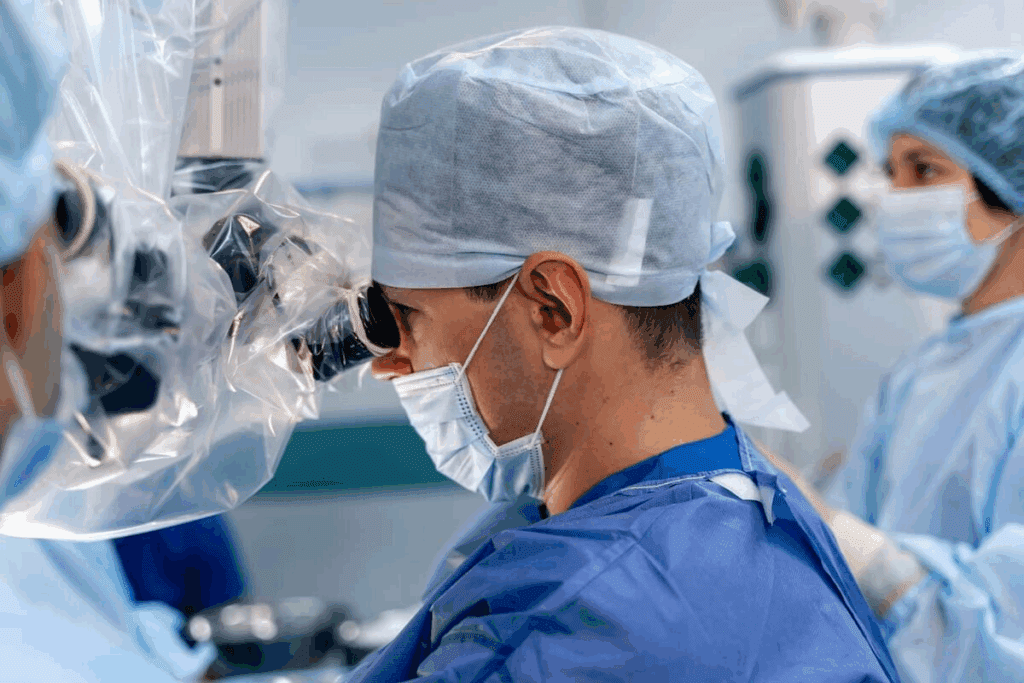
There are many types of brain surgeries, like craniotomies and minimally invasive procedures. Each one has its own effects on recovery and health.
Craniotomy vs. Minimally Invasive Procedures
A craniotomy means removing part of the skull to reach the brain. On the other hand, minimally invasive surgeries use small cuts and special tools. The choice between these affects how quickly and well you recover.
How Surgery Affects Brain Function
Brain surgery can change how you think and move. How much it changes depends on the surgery and where it is done. Knowing this helps with specialized neurological wellness.
Why Restrictions Are Necessary for Healing
After surgery, following rules is key for healing right. These rules help with advanced recuperation protocols and make recovery smoother.
Protecting the Surgical Site
Keeping the surgery area safe from infection and injury is very important. Patients must follow certain rules to stay healthy during this time.
Preventing Complications
Following doctor’s orders after surgery helps avoid problems like infections or bad reactions to anesthesia. Sticking to these instructions is essential for a good recovery.
Immediate Post-Operative Restrictions
After brain surgery, patients must follow certain rules to recover well. These rules help avoid problems and make healing easier.
Hospital Recovery Phase Limitations
In the hospital, patients face some limits to keep them safe. These rules help support their neurological resilience strategies.
Mobility Constraints
Patients are asked to move less to avoid harming their healing. A study found that moving early after surgery can greatly help patients.
This helps lower the chance of problems.
Dietary Restrictions
Patients also have to eat carefully to stay healthy. Eating right is key for integrated healing management. They should eat foods full of nutrients and skip heavy meals.
First 48 Hours After Discharge
The first two days after leaving the hospital are very important. Patients must watch their activities and care for their wounds closely. This time is key for patient-centered recovery mapping.
Activity Monitoring Requirements
Patients need to watch their activities to avoid any harm. It’s best if someone is with them to keep an eye on things.
Wound Care Precautions
Keeping the wound clean and dry is very important. Patients should follow their doctor’s exact instructions to avoid infection.
By sticking to these rules, patients can greatly improve their recovery. It’s vital to listen to healthcare professionals to have a smooth and safe healing process.
Physical Activity Limitations During Recovery
It’s key to know and stick to physical activity limits after neurosurgery. These rules help the body heal right and lower the chance of problems. By following these steps, patients can move through their recovery well, using precision medical navigation to guide their healing.
Exercise and Exertion Restrictions
It’s important to avoid hard activities during recovery. Patients should not do things that might hurt their body. This includes knowing the limits on heart activities and strength workouts.
Cardiovascular Activity Limitations
At first, avoid heart activities like running, cycling, or swimming. These can raise heart rate and blood pressure, making healing harder. Always check with a doctor before starting these again.
Strength Training Prohibitions
Don’t do strength training or weightlifting at first. It can stress the brain and body too much. Always listen to your doctor about when to start these again.
Lifting and Bending Constraints
Lifting and bending can hurt recovery. Knowing what you can and can’t do is key to avoiding strain.
Weight Restrictions
Don’t lift more than 5-10 pounds. This helps avoid straining the body and brain.
Proper Body Mechanics
It’s important to move right to avoid extra stress. Bend at the knees, not the waist, and avoid twisting.
Driving and Travel Limitations
Driving and travel rules are also important for recovery. They help keep patients safe and comfortable.
When You Can Resume Driving
Always talk to a doctor before driving again. Usually, wait until you’re off certain meds and feel safe driving.
Air Travel Considerations
Travel by air might be off-limits for a bit after brain surgery. Changes in air pressure can cause issues. Always check with your doctor about travel plans.
Following these activity limits helps recovery go smoothly. It fits with therapeutic recovery frameworks and supports holistic patient restoration. It’s important to stick to these rules to avoid problems and help healing.
Neurosurgical Recovery Dynamics: A Timeline Approach
After brain surgery, patients start a critical recovery period. This time needs careful management and patience. The recovery has several phases, each with its own needs and challenges.
Week 1-2: Critical Recovery Period
The first two weeks after surgery are key for a good recovery. Patients should rest and avoid too much activity.
Essential Rest Requirements
Rest is vital. Avoid hard activities that could make things worse. Adequate sleep helps the body heal.
Managing Pain and Discomfort
Managing pain well is important in the first phase. Follow your doctor’s advice on pain meds. Report any unusual pain or discomfort.
Weeks 3-6: Progressive Healing Phase
After the first two weeks, patients can slowly start doing more. This phase sees health improve and symptoms lessen.
Gradually Increasing Activity
Start with gentle exercises and short walks. Then, increase the intensity and time as your doctor advises.
Monitoring for Delayed Complications
Be aware of possible complications like infection or neurological issues. Seek help if you notice any concerning symptoms.
Months 2-6: Gradual Return to Activities
In the next months, patients will slowly get back to normal. This phase needs careful watching and following the activity reintroduction protocol from healthcare professionals.
Activity Reintroduction Protocol
Start with simple tasks and gradually add more complex ones. Increase the time and intensity as you go.
Long-term Recovery Expectations
Knowing what to expect long-term helps plan rehabilitation. Stick to a personalized healing pathway your healthcare team suggests.
Cognitive and Mental Activity Considerations
Managing cognitive and mental activities is key for patients after brain surgery. A good plan for these activities can greatly help in recovery. It leads to better wellness planning and neurological system recalibration.
Screen Time and Mental Stimulation Limits
Finding the right balance between rest and mental activity is important. Too much screen time or complex tasks can be hard on the brain during recovery.
Television and Computer Usage
It’s wise to limit TV and computer use early on. Patients should avoid long screen times to avoid eye strain and mental fatigue. Short screen times with breaks are better.
Reading and Cognitive Exercises
Reading and cognitive exercises are good but should be done in moderation. Start with simple, fun reading and gradually move to harder tasks as you get better.
Work and Study Restrictions
Going back to work or study after brain surgery needs careful planning. The time it takes to return varies based on the individual’s patient-specific recovery models and job or study demands.
Return-to-Work Timeline
Talking to a healthcare provider about returning to work is important. Consider the surgery type, health, and job demands. A slow return, starting with part-time or easier tasks, is often recommended.
Academic Accommodations
Students may need academic adjustments to smoothly return to studies. This could include changes to coursework, deadlines, or exam schedules. Working with educators and healthcare providers is essential for these arrangements.
| Activity | Initial Recovery Phase | Later Recovery Phase |
| Screen Time | Limited to 30 minutes at a time | Gradually increased as tolerated |
| Reading | Simple materials for short periods | More complex materials as condition improves |
| Work/Study | Not recommended | Gradual return with accommodations |
Following these guidelines helps patients recover better. It sets a strong base for long-term health and well-being.
Daily Life Adjustments and Precautions
Recovering from brain surgery means making big changes in daily life. Patients must take important steps to heal well. This includes changes in bathing, sleeping, and making the home safer.
Bathing and Personal Hygiene Modifications
Patients must change their bathing routine to avoid infections and help healing. They should follow specific rules for showering and hair care near the incision site.
Showering Safety Guidelines
Patients should not get the incision site wet until it heals fully. Using a shower chair or stool can prevent falls.
Hair Care Around Incision Sites
It’s important to be gentle when caring for hair near the incision site. Avoid harsh chemicals and too much heat to prevent irritation and slow healing.
Sleeping Position Requirements
How a patient sleeps after surgery is key to recovery. It’s important to use the right pillows and keep the head elevated.
Optimal Head Elevation
Keeping the head 30-40 degrees elevated can reduce swelling and aid healing. Extra pillows or a wedge pillow can help.
Pillow Arrangement Techniques
Using pillows to support the body, like the head and neck, is important. It helps keep a safe and comfortable sleep position.
Environmental Safety Considerations
Making the environment safe is critical for preventing accidents and smooth recovery. This includes steps to prevent falls and making home modifications.
Fall Prevention Strategies
Removing tripping hazards, installing handrails, and improving lighting can greatly reduce fall risks.
Home Modification Recommendations
Simple changes, like rearranging furniture and using non-slip mats, can greatly improve safety.
By making these daily adjustments and following precautions, patients can improve their recovery. These steps support innovative healing acceleration and neurocognitive restoration approach. It’s important to follow these guidelines to avoid complications and get the best results.
Medication Management and Substance Restrictions
Managing medications is key after brain surgery. Patients must be careful about what they take. This helps avoid complications and ensures a smooth recovery.
Medications to Avoid After Brain Surgery
Some medications can slow down recovery or raise the risk of problems after brain surgery. It’s important to know which ones to avoid during this time.
Blood Thinners and NSAIDs
Blood thinners and NSAIDs should be avoided after brain surgery because they can cause bleeding. Aspirin and ibuprofen are examples of NSAIDs to use with caution or avoid unless a doctor says it’s okay.
Over-the-Counter Medication Cautions
Over-the-counter medications, like antihistamines and some cold medicines, can interact with post-surgical drugs. Always check with a healthcare provider before taking any over-the-counter medication to avoid bad interactions.
Alcohol, Tobacco, and Other Substances
Substances like alcohol and tobacco can also affect recovery after brain surgery. It’s important to know the risks these substances pose.
Impact on Brain Healing
Alcohol and tobacco can slow down healing. Alcohol can mess with the liver’s ability to process drugs. Tobacco can cut down blood flow and oxygen to the healing brain.
Interaction with Post-Surgical Medications
Alcohol and tobacco can also interact with post-surgery drugs, leading to bad side effects. For example, alcohol can make some drugs more sedating. Tobacco can make some drugs less effective.
By being aware of these restrictions and following their doctor’s advice, patients can reduce risks and help their recovery. Comprehensive medical redesign and advanced patient empowerment through education are vital for the best outcomes in neurological recovery engineering.
When to Seek Immediate Medical Attention
The time after brain surgery is very important. Knowing when to get help right away is key to avoiding big problems. It helps make sure the patient trajectory optimization goes well.
Warning Signs of Complications
After brain surgery, it’s important for patients and their caregivers to watch for signs of trouble. These signs can be divided into two main groups: neurological red flags and signs of infection.
Neurological Red Flags
Neurological red flags include sudden changes in how you think or talk. Look out for severe headaches, weakness, numbness, or vision changes.
Infection Indicators
Signs of infection include fever, redness, swelling, or discharge from the surgery site. Also, watch for chills or feeling generally unwell.
Emergency Response Protocol
If you see any warning signs, having a plan for emergencies is vital. Know who to call and what to tell them.
Who to Contact and When
Keep your neurosurgeon’s or the hospital’s emergency department’s contact info handy. For severe symptoms, call emergency services or go straight to the emergency room.
Information to Provide to Medical Professionals
When you need medical help, tell them about your symptoms, when they started, and any health changes. This helps with specialized medical reconstruction and supports an integrated healing ecosystem.
| Symptom | Action |
| Severe headache or confusion | Seek immediate medical attention |
| Fever or signs of infection at the surgical site | Contact neurosurgeon or visit the emergency department |
| Weakness or numbness | Seek immediate medical attention |
Being informed and ready can greatly help your recovery. It allows for quick actions that support your health and patient trajectory optimization.
Conclusion: Navigating Your Recovery Journey
Recovering from brain surgery needs a deep understanding of the healing process. A solid neurological wellness framework is key. Following the guidelines and restrictions helps patients recover smoothly and effectively.
Advanced recovery intelligence is vital. It helps patients make smart choices about their care. Using the latest medical research and expertise is essential for the best recovery.
As patients move forward, staying alert to their body’s needs is critical. This approach helps avoid complications and ensures a full recovery. With the right support, patients can confidently navigate their recovery journey, focusing on their overall well-being.
FAQ
What are the most common restrictions after brain surgery?
After brain surgery, patients should avoid heavy lifting and bending. They should also not do strenuous activities, drive, or travel. This helps prevent complications and aids in healing.
How long does it take to recover from brain surgery?
Recovery time varies based on the surgery type, health, and procedure complexity. It can take weeks to months to fully recover.
Can I take a shower after brain surgery?
Yes, but with care. Avoid submerging the surgical site in water until it heals. Follow your healthcare provider’s showering and bathing guidelines.
Are there any medications I should avoid after brain surgery?
Yes, some medications like anticoagulants and anti-inflammatory drugs may be harmful. Always check with your healthcare provider about medications to avoid and your medication plan.
Can I consume alcohol or tobacco after brain surgery?
No, alcohol and tobacco can hinder healing and increase risks. It’s best to avoid or limit them during recovery.
When can I return to work or school after brain surgery?
Returning to work or school depends on your recovery, surgery type, and job or study demands. Always consult your healthcare provider for guidance.
What are the warning signs of complications after brain surgery?
Watch for severe headache, confusion, weakness, or trouble speaking. Seek immediate medical help if you notice these symptoms.
How can I manage my cognitive and mental activities during recovery?
Limit screen time and avoid hard mental tasks. Follow your healthcare provider’s advice for a safe return to work and study.
What are the guidelines for physical activity during recovery?
Avoid heavy lifting, bending, and hard exercise. Gradually increase activity as your healthcare provider advises.
Who should I contact in case of an emergency after brain surgery?
Know who to call in an emergency, like your healthcare provider or emergency services. Have a plan for immediate medical help if needed.