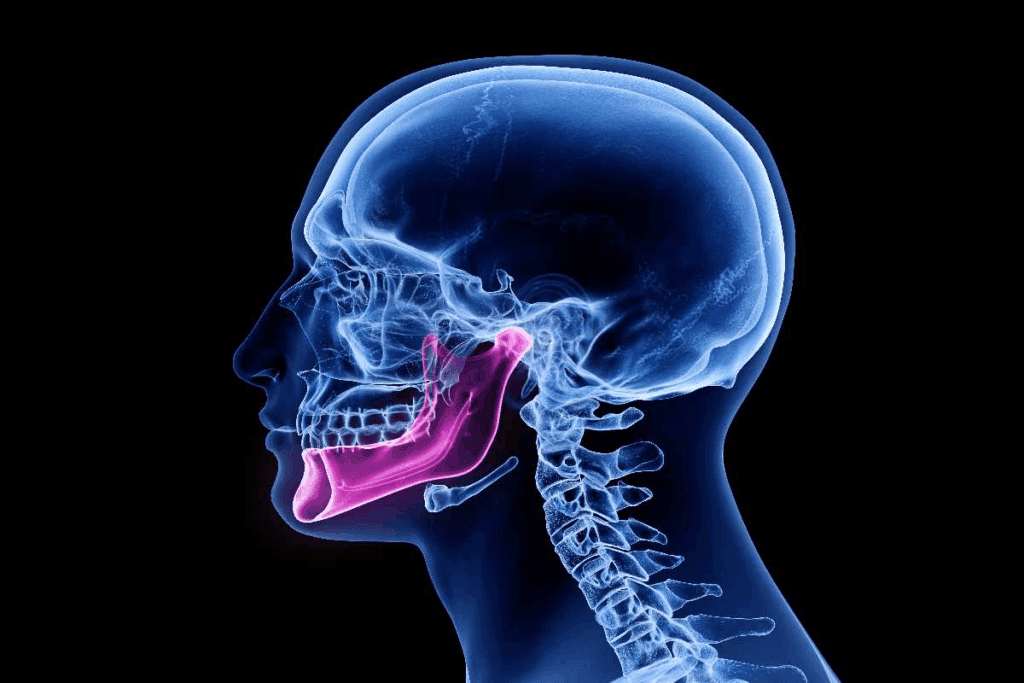
TMJ disorder can really hurt your life, causing jaw pain, clicking sounds, and trouble chewing. We know how important it is to find good ways to fix these problems.Newest Treatment for TMJ: 5 Amazing OptionsThe Newest Spinal Treatment for Stenosis Relief
In 2024-2025, big changes came to TMJ treatment. Advanced therapies like CGRP antagonists, regenerative medicine, and new neuromuscular methods are now here. They bring new hope to those who suffer.
At Liv Hospital, we’re all about using the latest science to treat TMJ. We’ll look at the newest ways to help, like TENS, Botox, and dry needling.
Key Takeaways
- TMJ disorder can really hurt your life.
- Recent breakthroughs have led to advanced TMJ treatment options.
- CGRP antagonists, regenerative medicine, and neuromuscular techniques are now available.
- Liv Hospital is committed to providing cutting-edge TMJ care.
- New treatments include TENS, Botox injections, and dry needling techniques.
Understanding TMJ Disorder: A 2025 Perspective
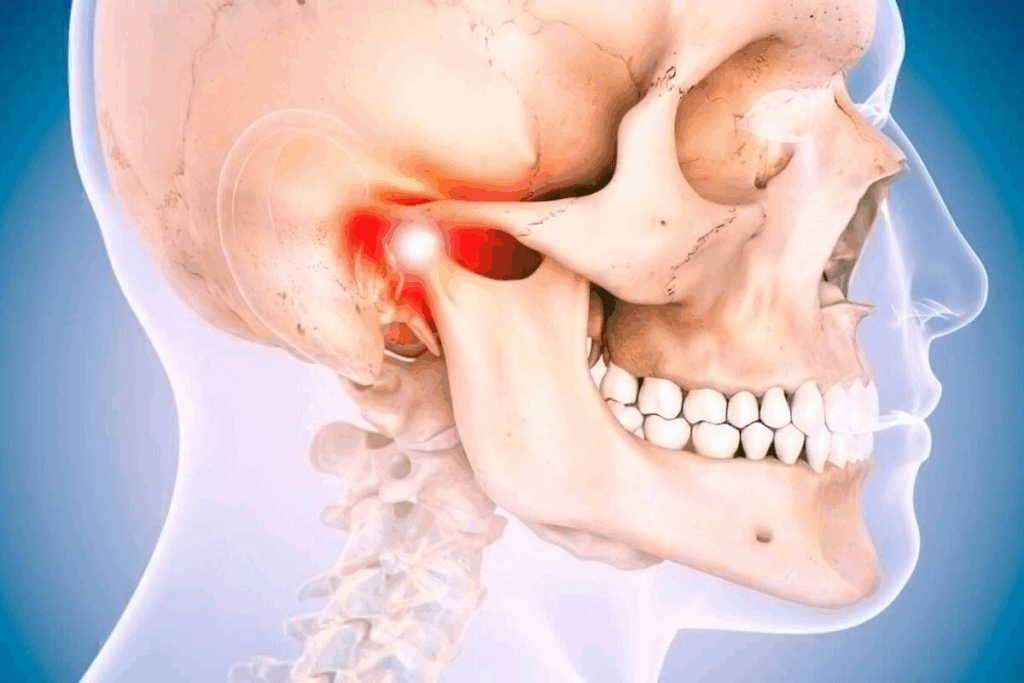
In 2025, we need to understand TMJ disorder well to treat it effectively. TMJ disorder affects the jaw joint and the muscles that move it. Knowing this is key for both patients and doctors to choose the right temporomandibular joint treatment options.Newest Treatment for TMJ: 5 Amazing OptionsNewest Weight Loss Surgery: Latest Innovations
What Causes Temporomandibular Joint Dysfunction
TMJ dysfunction comes from several things, including:
- Teeth grinding and clenching, which can put too much pressure on the joint
- Arthritis, which can cause inflammation and pain in the joint
- Jaw injuries, which can affect the alignment and function of the joint
- Malocclusion, or misalignment of the teeth, which can strain the jaw muscles and joint
These causes can lead to jaw pain, clicking, and limited movement. This can really hurt a person’s quality of life. Knowing what causes TMJ disorder is the first step to finding a TMJ disorder cure.
The Prevalence and Impact of TMJ Disorders
TMJ disorders are more common than people think, affecting many adults. They often start between 20 and 40, but can happen at any age. TMJ disorders can make everyday activities like eating, speaking, and sleeping hard.
“TMJ disorders can significantly affect a person’s quality of life, causing pain and discomfort that can be debilitating if left untreated.” – Medical Expert, TMJ Specialist
The high number of TMJ disorders shows we need to spread awareness and find good treatments. By knowing the causes and effects of TMJ disorders, we can find better TMJ treatments. This will help those affected a lot.
Recognizing TMJ Symptoms That Require Treatment

Knowing the signs of TMJ disorder is the first step to getting the right therapy for TMJ disorder. TMJ disorder can show up in many ways, affecting not just the jaw but also your overall health.
Common Signs and Symptoms
The common signs of TMJ disorder include jaw pain or tenderness, clicking or popping sounds when you open or close your mouth, and trouble chewing. You might also feel stiffness in your jaw or have limited jaw movement. Some people also get earaches, headaches, or facial pain.
These symptoms can be different in how bad they are and how they affect your daily life. They can make eating, speaking, and even sleeping hard. It’s important to know these signs to see if you need treatment for TMJ.
When to Seek Professional Help
If you have ongoing jaw pain, clicking sounds, or trouble chewing, you should get professional help. A healthcare professional can check your symptoms and give you a proper diagnosis.
“Early intervention is key to managing TMJ disorder effectively. Don’t hesitate to consult a specialist if you’re experiencing persistent symptoms.”
Getting help early can stop the condition from getting worse and make treatment work better.
Differentiating TMJ from Other Conditions
TMJ disorder can sometimes be mixed up with other conditions that have similar symptoms, like sinus headaches or dental problems. A detailed check by a healthcare professional is needed to tell TMJ disorder apart from other conditions.
- Assessing the range of jaw motion
- Checking for tenderness in the jaw muscles
- Listening for clicking or popping sounds
- Evaluating the alignment of teeth and bite
By knowing the signs and symptoms of TMJ disorder and when to get help, you can start managing and treating it effectively. If you’re showing symptoms of TMJ disorder, talk to a healthcare professional. They can help you find the best therapy for TMJ disorder for you.
The Diagnostic Process for TMJ Disorders
Diagnosing TMJ disorders involves many steps. We use physical exams and advanced imaging. Finding the right diagnosis is key to choosing the best treatment.
Modern Diagnostic Techniques
We start with a detailed medical history and physical exam. We talk about symptoms, check jaw movement, and look at the TMJ’s health. We also use modern tech to see the TMJ clearly.
Advanced Imaging Methods like dental X-rays, CT scans, and MRI help us see the TMJ’s structure. They help find problems like joint damage or disc issues.
Imaging and Assessment Methods
We also check how the TMJ works. We look at jaw motion, check for pain, and listen for unusual sounds. These steps help us understand how severe the disorder is.
Specialized TMJ Evaluations
In some cases, we might suggest TMJ arthroscopy. This lets us see inside the joint with a small camera. It can help diagnose and treat some problems.
By using these methods, we can make an accurate diagnosis. Then, we create a treatment plan that fits each patient’s needs.
Conservative Approaches: Foundation of TMJ Treatment
Conservative treatments are key in managing TMJ. They offer many effective solutions. These methods are often the first choice for treating TMJ disorder. They aim to ease symptoms and improve jaw function.
Self-Care and Lifestyle Modifications
Self-care is vital in managing TMJ symptoms. Simple steps like using heat or ice, avoiding teeth clenching, and keeping a good jaw posture can help. Eating soft foods, avoiding extreme jaw movements, and managing stress also help.
By adding these self-care steps to daily life, patients can manage their TMJ disorder better. Effective self-care can lead to improved jaw function and reduced pain.
Oral Appliances and Splints
Oral appliances and splints are used in TMJ treatment. They help reposition the jaw, reduce teeth grinding, and ease muscle tension. Custom-made appliances fit well and target specific TMJ problems.
Using oral appliances can greatly improve TMJ symptoms. A well-fitted appliance can help patients find a more comfortable jaw position and reduce pain.
Type of Oral Appliance | Purpose | Benefits |
Stabilization Splint | Realigns the jaw and reduces muscle tension | Relieves pain and improves jaw function |
Anterior Repositioning Appliance | Advances the mandible to improve jaw alignment | Reduces TMJ pain and clicking |
Pivot Appliance | Reduces stress on the TMJ | Provides relief from TMJ pain and inflammation |
Physical Therapy Techniques
Physical therapy is a conservative approach for TMJ disorder. It includes massage, ultrasound therapy, and exercises to strengthen jaw muscles. These can improve jaw mobility and reduce pain.
Adding physical therapy to treatment plans can lead to big improvements in TMJ symptoms. Targeted exercises and manual therapy can enhance jaw function and reduce discomfort.
Stress Management and Therapeutic Exercises for TMJ Relief
Managing stress and doing therapeutic exercises can help a lot with TMJ disorders. These are key parts of TMJ care today. About seventy percent of TMD cases are due to muscle pain.
Evidence-Based Relaxation Techniques
Relaxation techniques are vital for easing muscle tension linked to TMJ disorders. Progressive muscle relaxation and mindfulness meditation are proven to lessen pain and boost life quality for TMJ patients.
Progressive muscle relaxation involves tensing and relaxing muscles step by step. It helps release tension. Mindfulness meditation, by focusing on the present, lowers stress and anxiety that worsen TMJ symptoms.
Targeted Exercises for Jaw Muscles
Exercises aimed at jaw muscles can ease TMJ pain and better jaw function. These exercises aim to strengthen muscles and enhance jaw movement.
- Jaw stretching exercises boost range of motion and cut down stiffness.
- Resistance training for jaw muscles builds strength and lessens pain.
Mind-Body Approaches for Chronic TMJ Pain
Mind-body methods can offer a lot of relief for chronic TMJ pain. Cognitive-behavioral therapy (CBT) and biofeedback are effective in managing pain and stress.
CBT changes negative thoughts that might increase pain. Biofeedback uses tools to monitor and control body responses, helping patients manage stress reactions.
The Newest Treatment for TMJ: Cutting-Edge Options in 2025
In 2025, TMJ treatment is getting a big boost. New treatments, like CGRP antagonists, are showing great promise. They help ease TMJ pain.
Recent Breakthroughs
New TMJ treatments are focusing on the disorder’s causes. These emerging therapies aim to provide better relief.
Comparing Treatment Approaches
Modern treatments are a big step up from old methods. They work better and have fewer side effects.
Effectiveness of New Therapies
Research shows that new treatments, like CGRP antagonists, work well. They reduce pain and improve life quality. We’re looking forward to even more effective treatments.
FAQ
What are the newest treatment options for TMJ disorder?
New treatments for TMJ disorder include TENS, Botox injections, and dry needling. These join traditional therapies.
What causes temporomandibular joint dysfunction?
TMJ dysfunction can come from teeth grinding, arthritis, or jaw injuries. These can lead to TMJ disorder.
How is TMJ disorder diagnosed?
Diagnosing TMJ disorder involves a detailed evaluation. This includes a medical history, physical exam, and sometimes imaging.
What are the common signs and symptoms of TMJ disorder?
TMJ disorder symptoms include jaw pain, jaw clicking or locking, and trouble chewing. These can really affect daily life.
What role do stress management and therapeutic exercises play in alleviating TMJ symptoms?
Stress management and exercises are key in easing TMJ symptoms. They help reduce tension and improve jaw function.
Are there any advanced TMJ treatments available?
Yes, advanced TMJ treatments include TENS, Botox, and dry needling. They work alongside traditional therapies.
How can I manage chronic TMJ pain?
Managing chronic TMJ pain requires stress management, exercises, and sometimes advanced treatments. These are tailored to each person’s needs.
What are the benefits of oral appliances in treating TMJ disorder?
Oral appliances help by reducing teeth grinding and improving jaw alignment. This can offer relief and enhance quality of life.
Can TMJ disorder be cured?
TMJ disorder can be managed and treated effectively. The idea of a “cure” depends on the case and causes. Treatment aims to alleviate symptoms and improve function.
What are the best treatments for TMJ disorder?
The best treatments combine self-care, oral appliances, and physical therapy. Advanced treatments like TENS or Botox can also be helpful.
References
Government Health Resource. Emerging TMJ Treatments: 2024-2025 Advances. Retrieved from https://www.nidcr.nih.gov/health-info/tmd