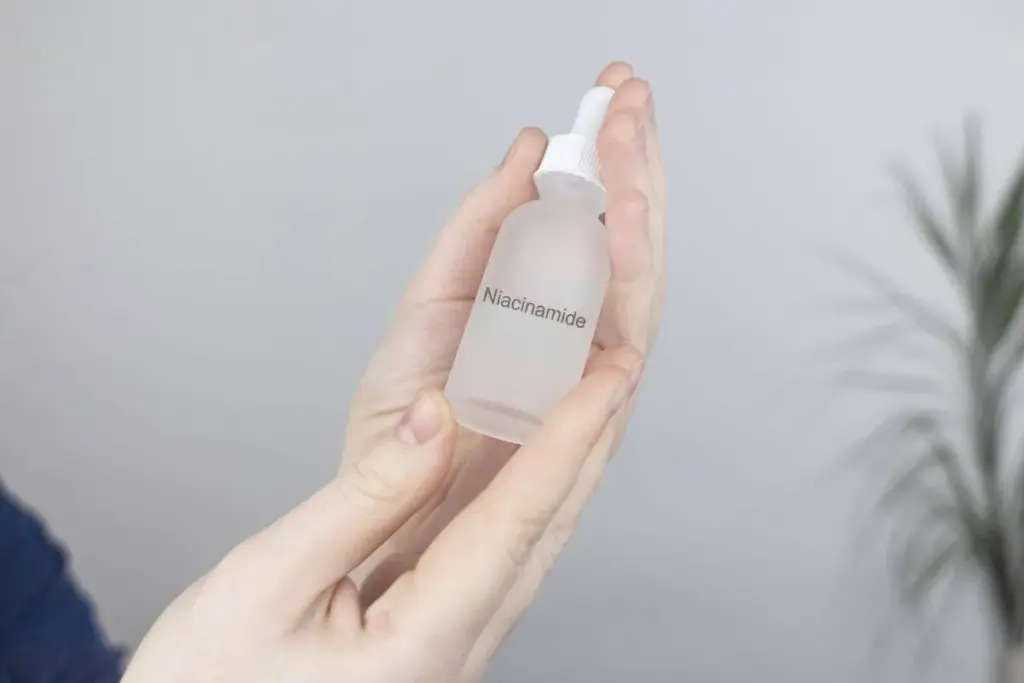
Many skincare enthusiasts have reported a concerning issue: their skin is getting darker after using niacinamide. This phenomenon can be puzzling, especially considering the numerous benefits associated with niacinamide, such as improved skin elasticity and reduced inflammation.
Niacinamide is widely used in skincare products due to its ability to enhance the skin’s barrier function and reduce hyperpigmentation. However, some individuals may experience an unexpected darkening of their skin tone after incorporating niacinamide for face into their routine.
Is it darkening your skin? Learn the crucial niacinamide serum benefits and the powerful negative facts about skin darkening after use now.
Key Takeaways
- Niacinamide can have varying effects on different skin types.
- Understanding the causes of skin darkening is crucial for effective skincare.
- Consulting a dermatologist can help address concerns related to niacinamide use.
- Niacinamide serum benefits include improved skin texture and reduced inflammation.
- Monitoring skin reactions to new products is essential for maintaining healthy skin.
Understanding Niacinamide and Its Role in Skincare

Niacinamide, a form of Vitamin B3, is widely used in skincare for its numerous benefits, including improving skin elasticity and enhancing skin brightness. Its versatility makes it a popular ingredient in various skincare products.
What is Niacinamide?
Niacinamide is an active form of Vitamin B3 that has been shown to improve the skin’s barrier function, reducing inflammation and enhancing the skin’s natural ability to retain moisture. It’s known for its ability to address various skin concerns, from acne and hyperpigmentation to fine lines and wrinkles. When used in skincare products, niacinamide can help to improve the overall health and appearance of the skin.
How Does Niacinamide Work?
When applied topically, niacinamide penetrates the skin, where it works to improve the skin’s natural lipid production, enhancing its barrier function. This results in improved skin elasticity and a reduction in the appearance of fine lines and wrinkles. Additionally, niacinamide has been shown to reduce inflammation, which can lead to a more even-toned complexion.
Using a niacinamide serum can be particularly beneficial, as it provides a concentrated dose of this ingredient. By incorporating niacinamide serum into your daily skincare regimen, you can potentially see improvements in skin texture, a reduction in hyperpigmentation, and a brighter overall complexion.
Common Benefits of Niacinamide Serum

Niacinamide is celebrated for its ability to address various skin concerns effectively. Its benefits range from improving skin elasticity to enhancing the skin’s barrier function. By incorporating niacinamide serum into your skincare routine, you can experience these advantages firsthand.
Brightening and Evening Skin Tone
One of the primary benefits of using niacinamide serum is its ability to brighten and even out your skin tone. Niacinamide for pigmentation is particularly effective as it helps to reduce the appearance of dark spots and hyperpigmentation, resulting in a more uniform complexion.
Studies have shown that niacinamide can significantly improve skin brightness and reduce the visibility of hyperpigmented areas. This makes it an excellent ingredient for those looking to achieve a more radiant and even-toned complexion.
Reducing Hyperpigmentation
Niacinamide serum is also known for its capacity to reduce hyperpigmentation. By inhibiting the transfer of melanin to the skin’s surface, niacinamide helps to minimize the appearance of dark spots. This makes it a valuable ingredient for individuals dealing with niacinamide hyperpigmentation concerns.
The effectiveness of niacinamide in addressing hyperpigmentation has been supported by various studies. Its ability to improve skin clarity and reduce the visibility of dark spots makes it a popular choice among skincare enthusiasts.
Improving Skin Texture
In addition to its brightening and hyperpigmentation-reducing effects, niacinamide serum is also beneficial for improving skin texture. It helps to enhance the skin’s barrier function, leading to smoother and more resilient skin.
|
Benefit |
Description |
|---|---|
|
Brightening |
Niacinamide helps to even out skin tone and reduce the appearance of dark spots. |
|
Reducing Hyperpigmentation |
By inhibiting melanin transfer, niacinamide minimizes hyperpigmentation. |
|
Improving Skin Texture |
Niacinamide enhances the skin’s barrier function, leading to smoother skin. |
Overall, the incorporation of niacinamide serum into your skincare routine can lead to significant improvements in skin health and appearance. Whether you’re looking to address hyperpigmentation, brighten your complexion, or improve skin texture, niacinamide is a versatile ingredient that can help achieve your skincare goals.
Possible Reasons for Darkening Skin
While niacinamide is celebrated for its skin benefits, some users experience an unexpected darkening of their skin tone. Understanding the potential causes behind this phenomenon is crucial for determining whether niacinamide is the culprit.
Irritation or Allergic Reactions
One possible reason for skin darkening after using niacinamide is irritation or an allergic reaction to the product. Irritation can lead to inflammation, which may cause the skin to become darker due to the increased production of melanin, the skin’s pigment.
- Redness and itching are common signs of irritation or an allergic reaction.
- If you experience these symptoms, discontinue use and consult a dermatologist.
- Patch testing niacinamide products before full application can help identify potential irritants.
Some individuals may be more prone to allergic reactions due to sensitive skin. Monitoring your skin’s response to new products, including those containing niacinamide, is essential.
Interaction with Other Products
Niacinamide can interact with other skincare products, potentially leading to skin darkening. Combining niacinamide with certain ingredients may cause adverse reactions or reduce its effectiveness.
- Be cautious when using niacinamide with products containing vitamin C, as their combination can sometimes lead to irritation.
- Using niacinamide with exfoliating products may increase the risk of skin irritation and darkening.
- Always check the compatibility of niacinamide with other products in your skincare routine.
To minimize risks, consider introducing new products gradually and observing how your skin reacts. If you notice any adverse effects, adjust your routine accordingly.
The Science Behind Skin Darkening
The darkening of skin after applying niacinamide can be puzzling, but it’s rooted in the complex biology of skin pigmentation. To understand this phenomenon, it’s essential to delve into the mechanisms that govern skin tone and how various skincare ingredients, including niacinamide, influence it.
Melanin Production Explained
Melanin is the pigment responsible for skin color. It’s produced by cells called melanocytes through a process known as melanogenesis. There are two main types of melanin found in human skin: eumelanin, which is responsible for brown and black pigmentation, and pheomelanin, which produces red and yellow pigmentation. The interaction between these melanin types determines an individual’s skin tone.
Understanding melanin production is crucial because it’s directly linked to how skincare ingredients like niacinamide affect skin tone. Niacinamide has been shown to inhibit the transfer of melanin to the skin’s surface, potentially reducing hyperpigmentation over time.
Impact of Skincare Ingredients
Skincare ingredients can significantly impact melanin production and, consequently, skin tone. Niacinamide, in particular, is known for its ability to improve hyperpigmentation. Research indicates that niacinamide can help reduce the appearance of dark spots and promote a more even skin tone by inhibiting the transfer of melanin.
When considering does niacinamide help with hyperpigmentation, the evidence suggests that it does. Niacinamide’s role in improving skin hyperpigmentation makes it a valuable ingredient for those looking to address dark spots and uneven skin tone. However, individual results can vary based on skin type, the concentration of niacinamide, and other products used in the skincare routine.
For individuals using niacinamide for hyperpigmentation, it’s essential to be patient and consistent. The effectiveness of niacinamide in reducing hyperpigmentation is typically observed over several weeks to months, making it a long-term skincare strategy.
Assessing Your Skin Type and Concerns
Before diving into the benefits of niacinamide, it’s essential to assess your skin type and concerns. Understanding your skin is crucial for maximizing the effectiveness of any skincare product, including niacinamide serum. Different skin types and concerns can influence how your skin reacts to niacinamide, making it vital to tailor your skincare routine accordingly.
Oily, Dry, or Combination Skin?
Identifying whether you have oily, dry, or combination skin is the first step in determining how niacinamide might work for you. Niacinamide serum benefits can be particularly pronounced for those with oily skin, as it can help regulate sebum production and reduce the appearance of pores. For dry skin, niacinamide can improve the skin’s barrier function, enhancing moisture retention and reducing irritation.
For individuals with combination skin, niacinamide can help balance the skin’s needs, controlling oil in some areas while hydrating others. It’s essential to observe how your skin responds to niacinamide and adjust your application frequency or combine it with other products to achieve the best results.
Skin Sensitivity and Reactions
Another critical factor is your skin’s sensitivity and potential reactions to niacinamide. While generally considered gentle, niacinamide for face can sometimes cause irritation, especially in sensitive skin. Monitoring your skin’s reaction is key; if you notice any adverse effects, consider reducing the frequency of application or consulting with a dermatologist.
It’s also worth noting that skin sensitivity can be influenced by other products in your skincare routine. When introducing niacinamide, it’s advisable to do so gradually and in isolation to accurately assess its impact. This cautious approach helps in identifying any potential interactions or sensitivities early on.
By carefully assessing your skin type and concerns, you can better understand how to harness the benefits of niacinamide serum. Whether you’re dealing with acne, hyperpigmentation, or simply looking to maintain healthy skin, niacinamide can be a valuable addition to your skincare regimen when used thoughtfully.
How to Properly Use Niacinamide Serum
The key to getting the most out of niacinamide serum lies in its application and timing. To effectively incorporate this serum into your skincare routine, understanding the best practices for its use is essential.
Application Tips for Best Results
When applying niacinamide serum, a few tips can enhance its effectiveness.
- Amount: Use a few drops, as the serum is typically concentrated.
- Application Method: Gently massage the serum into your skin until it’s fully absorbed.
- Combination with Other Products: Be cautious when layering products; niacinamide can work well with most skincare products, but some combinations may cause irritation.
When to Apply in Your Routine
The timing of applying niacinamide serum can impact its efficacy.
- After Cleansing: Apply the serum after cleansing your face, as this allows for better absorption.
- Before Moisturizing: It should be applied before moisturizer to help lock in its benefits.
Sample Skincare Routine
|
Step |
Product/Application |
Frequency |
|---|---|---|
|
1 |
Cleanse face |
Twice daily |
|
2 |
Apply niacinamide |
Once or twice daily, depending on skin type |
|
3 |
Moisturize |
Twice daily |
By following these guidelines, you can effectively integrate niacinamide serum into your skincare routine and potentially enhance its benefits for your skin.
Complementary Ingredients to Use with Niacinamide
The benefits of niacinamide can be amplified when paired with complementary skincare ingredients like vitamin C and retinol. By combining these ingredients, you can address multiple skin concerns simultaneously, leading to improved skin health and appearance.
Vitamin C Synergy
Vitamin C is a powerful antioxidant that can enhance the brightening effects of niacinamide. When used together, they can create a potent synergy that not only brightens the skin but also provides enhanced protection against environmental stressors.
Benefits of Combining Vitamin C and Niacinamide:
- Enhanced brightening and even-toned skin
- Increased protection against environmental stressors
- Improved collagen production
Retinol and Niacinamide
Retinol, a derivative of vitamin A, is known for its ability to promote cell turnover and collagen production. When combined with niacinamide, it can help to improve skin texture, reduce the appearance of fine lines, and enhance skin firmness.
Key advantages of using retinol with niacinamide include:
- Improved skin texture and tone
- Reduced appearance of fine lines and wrinkles
- Enhanced skin firmness and elasticity
To illustrate the potential benefits of combining these ingredients, consider the following comparison:
|
Ingredient Combination |
Primary Benefits |
|---|---|
|
Niacinamide + Vitamin C |
Brightening, antioxidant protection |
|
Niacinamide + Retinol |
Improved skin texture, anti-aging |
By understanding how to combine niacinamide with other skincare ingredients effectively, you can create a personalized skincare routine that addresses your specific skin concerns and enhances the overall health and appearance of your skin.
Adjusting Your Skincare Routine
As you incorporate niacinamide serum into your skincare routine, it’s essential to be aware of how to adjust its application for optimal results. Your skin’s response to niacinamide can vary, and being attentive to its needs will help you maximize its benefits.
Decreasing Application Frequency
If you notice any signs of irritation, such as redness or itchiness, after using niacinamide serum, it may be necessary to decrease your application frequency. Reducing the frequency from daily to every other day or a few times a week can help your skin adjust. It’s also crucial to start with a lower concentration and gradually increase as your skin becomes more tolerant.
Some users may experience an initial adjustment period, often referred to as a “purge,” where the skin appears to worsen before improving. Monitoring your skin’s response closely during this phase is vital. If the irritation persists, consider consulting a dermatologist for personalized advice.
Introducing Other Products Gradually
When combining niacinamide with other skincare products, it’s advisable to introduce new products gradually. This approach helps identify any potential interactions or adverse reactions. Start by adding one new product at a time, and monitor your skin’s response before introducing another.
“Layering skincare products can be likened to cooking a recipe; you need to add ingredients in the right order and proportion to achieve the desired outcome.”
A Dermatologist
Here’s a simple guide to layering products with niacinamide:
- Cleanse your skin with a gentle cleanser.
- Apply a toner to balance your skin’s pH.
- Use niacinamide serum, allowing it to absorb fully before applying the next product.
- Follow with other serums or treatments, such as vitamin C or retinol, as recommended.
- Moisturize to lock in the previous products and hydrate your skin.
|
Product |
Benefits |
Layering Order |
|---|---|---|
|
Niacinamide Serum |
Improves skin elasticity, reduces inflammation |
After toner, before heavier serums or moisturizers |
|
Vitamin C Serum |
Brightens, antioxidant properties |
After niacinamide, or in the morning for enhanced protection |
|
Retinol |
Promotes cell turnover, reduces fine lines |
At night, after niacinamide, to enhance skin renewal |
By adjusting your skincare routine thoughtfully and being mindful of how your skin responds to niacinamide and other products, you can optimize your regimen for the best possible results.
Consulting a Dermatologist
When niacinamide serum leads to unexpected skin darkening, seeking professional advice from a dermatologist is crucial. A dermatologist can provide personalized guidance and help you navigate the complexities of skincare.
When to Seek Professional Advice
If you’re experiencing persistent or severe skin issues while using niacinamide, such as increased dark spots or irritation, it’s time to consult a dermatologist. They can assess your skin type, concerns, and the products you’re using to identify potential causes.
Signs that you need professional advice include:
- Continuous darkening of skin despite using niacinamide for pigmentation
- Severe irritation or allergic reactions
- Uncertainty about how to adjust your skincare routine
What to Discuss During Your Appointment
During your consultation, be prepared to discuss your skincare routine, including the niacinamide serum you’re using and any other products that might be interacting with it. Your dermatologist will likely ask about your skin concerns, such as hyperpigmentation or dark spots, and whether you’ve noticed any improvements or adverse effects from using niacinamide.
Key topics to cover include:
- The specific skin concerns you’re addressing with niacinamide, such as dark spots or uneven skin tone
- Any other skincare products or treatments you’re using concurrently
- Your expectations and any observed outcomes from using niacinamide
By consulting a dermatologist, you can gain a better understanding of whether niacinamide is right for you and how to optimize your skincare routine for the best results.
Conclusion: Is Niacinamide Right for You?
Niacinamide has gained popularity for its numerous benefits, including reducing hyperpigmentation and improving skin texture. When used correctly, niacinamide for face can be a valuable addition to your skincare routine, offering niacinamide serum benefits such as brighter, more even-toned skin.
Benefits and Drawbacks
While niacinamide can address various skin concerns, it’s essential to consider potential drawbacks, such as irritation or allergic reactions. Assessing your skin type and concerns is crucial in determining whether niacinamide is suitable for you.
Skincare Choices
Ultimately, making informed skincare choices requires understanding your skin’s needs and how different products interact. By weighing the benefits and drawbacks of niacinamide hyperpigmentation treatment and considering your individual skin concerns, you can make an educated decision about incorporating niacinamide into your routine.
FAQ
Does niacinamide help with dark spots?
Yes, niacinamide is known to help reduce the appearance of dark spots by inhibiting the transfer of melanin to the skin’s surface, resulting in a more even skin tone.
Can niacinamide cause skin darkening?
While niacinamide is generally used to brighten and even out skin tone, some individuals may experience skin darkening due to irritation, allergic reactions, or interactions with other skincare products.
How does niacinamide affect hyperpigmentation?
Niacinamide has been shown to reduce hyperpigmentation by improving the appearance of dark spots and promoting a more even skin tone, making it a popular ingredient for addressing hyperpigmentation concerns.
Is niacinamide suitable for all skin types?
Niacinamide can be beneficial for various skin types, including oily, dry, and combination skin. However, it’s essential to assess your skin type and concerns to determine the best way to incorporate niacinamide into your skincare routine.
Can I use niacinamide with other skincare ingredients?
Yes, niacinamide can be combined with other skincare ingredients like vitamin C and retinol to enhance its benefits. However, it’s crucial to introduce new products gradually and monitor your skin for any adverse reactions.
How often should I apply niacinamide serum?
The frequency of applying niacinamide serum depends on your skin type and concerns. Start with a lower concentration and gradually increase as your skin becomes more tolerant.
What are the benefits of using niacinamide for face?
Niacinamide offers several benefits for the face, including brightening and evening out skin tone, reducing hyperpigmentation, and improving skin texture, making it a versatile ingredient for various skincare concerns.
Can niacinamide help with skin texture?
Yes, niacinamide can help improve skin texture by enhancing the skin’s barrier function and reducing inflammation, resulting in smoother and more radiant-looking skin.
References
National Center for Biotechnology Information. Evidence-Based Medical Insight. Retrieved from https://pubmed.ncbi.nlm.nih.gov/12100180/