
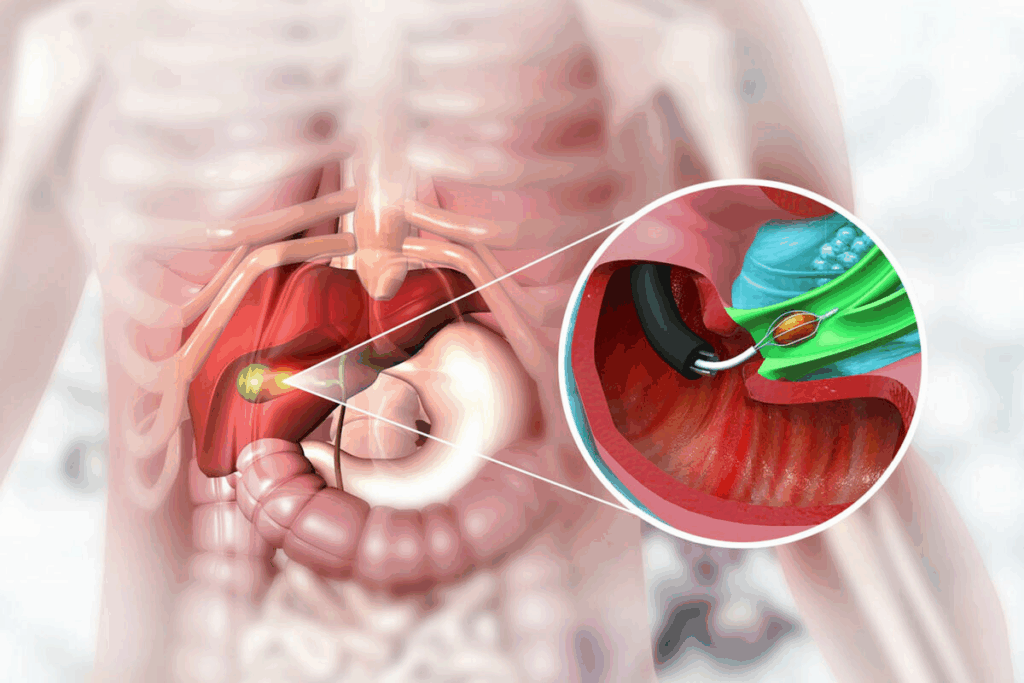
We’ll show you how to prepare and what to avoid. A preoperative checklist can greatly help your gallbladder surgery prep. This will make your experience better. Critical Night Before Gallbladder Surgery Instructions regarding fasting, medication, and preparations.
Nearly 700,000 people in the United States have gallbladder surgery each year. It’s important to prepare well for this surgery. The night before gallbladder surgery is key to avoid risks and ensure a good outcome.
Key Takeaways
- Understand the importance of following a preoperative checklist.
- Learn how to prepare for gallbladder surgery.
- Discover common mistakes to avoid before surgery.
- Find out how to ensure a smooth operation and recovery.
- Get insights into the preoperative process.
Understanding Gallbladder Surgery: A Brief Overview

Gallbladder surgery is common but needs careful thought and prep from patients for a good recovery. We’ll look at why the surgery is needed, the surgical methods, and what to expect after.
Common Reasons for Gallbladder Removal
The gallbladder is a small organ under the liver that helps with digestion. But, if it gets sick or inflamed, often because of gallstones, it might need to be removed. The main reasons for this include:
- Gallstones causing pain or infection
- Inflammation of the gallbladder (cholecystitis)
- Polyps or other growths in the gallbladder
- Gallbladder dysfunction or biliary dyskinesia
Types of Gallbladder Surgery Procedures
There are different ways to remove the gallbladder, or cholecystectomy. The choice depends on the patient’s health, any complications, and the surgeon’s skill.
Surgical Method | Description | Recovery Time |
Laparoscopic Surgery | Minimally invasive procedure using small incisions and a camera | Typically shorter, often within 1-2 weeks |
Open Surgery | Traditional method involving a larger incision | Generally longer, often 4-6 weeks |
What to Expect During Recovery
Recovery time after gallbladder surgery varies. It depends on the surgery type and the patient’s health. Patients usually feel some pain, tiredness, and need to change their diet in the first weeks. Knowing this can help prepare for a better recovery.
Important things to think about during recovery include:
- Managing pain effectively
- Gradually resuming normal activities
- Adjusting diet to minimize digestive discomfort
- Attending follow-up appointments
The Importance of Proper Preoperative Preparation

Getting ready for gallbladder surgery is very important. It helps avoid risks and ensures a good outcome. We will talk about how getting ready affects surgery, possible problems from not preparing well, and what patients can do to help.
How Preparation Affects Surgical Outcomes
Good preparation before surgery is key for surgical outcomes. By following the right steps, patients can lower the chance of problems and recover faster. This includes eating right, managing medicines, and filling out paperwork.
Research shows that patients who follow pre-surgery advice have fewer issues and better results. This shows how important it is for patients to follow instructions for a successful surgery.
Potential Complications from Improper Preparation
Not getting ready for surgery right can cause problems. Here are some risks from not preparing well:
Complication | Description | Prevention |
Infection | The risk of infection increases with improper skin preparation. | Follow skin preparation guidelines. |
Bleeding | Certain medications can increase the risk of bleeding. | Manage medications as advised by your surgeon. |
Respiratory Issues | Smoking can lead to respiratory complications during surgery. | Avoid smoking for the recommended period before surgery. |
Your Role in Surgical Success
As a patient, you play a big part in a successful surgery. By following pre-surgery advice, you can greatly reduce risks. This means sticking to fasting rules, managing your medicines, and getting ready as needed.
Understanding your role in surgery helps you be more involved. Your cooperation with pre-surgery instructions is key to the best results.
Fasting Guidelines: Food and Drink Restrictions
Before gallbladder surgery, it’s key to know the fasting rules. These rules help avoid problems during and after the surgery. Following them closely is important for a safe procedure and quick recovery.
When to Stop Eating Solid Foods
Patients should stop eating solid foods by midnight the night before surgery. This helps prevent food in the stomach during the operation. Following this rule is critical to avoid any last-minute issues or complications.
Clear Liquid Guidelines and Timing
Clear liquids, like water and broth, might be okay up to 2-3 hours before surgery. But, always check with your doctor for exact times. It’s important to follow their advice on clear liquids.
The Dangers of Ignoring Fasting Instructions
Not following fasting rules can cause serious problems during surgery. It might lead to food in the lungs, causing severe breathing issues. So, it’s essential to stick to the fasting guidelines given by your healthcare team.
Medication Management Before Surgery
Knowing which medications to keep or stop before gallbladder surgery is key. It can greatly affect your surgery’s success. Managing your meds well before surgery is important. It helps avoid risks and makes recovery smoother.
Medications to Avoid or Discontinue
Some meds can raise the chance of bleeding or mix badly with anesthesia. Blood thinners and antiplatelet drugs like aspirin might need to be stopped a few days before. But always talk to your surgeon before stopping any medication.
Medication Type | Action | Timing |
Blood Thinners | Stop | 2-3 days before surgery |
Antiplatelet Drugs | Stop | 5-7 days before surgery |
NSAIDs | Stop | 1-2 days before surgery |
Medications to Continue Taking
Not all meds should be stopped. Medications for chronic conditions like high blood pressure or diabetes are usually kept up unless your surgeon says to stop.
- Take your meds with a little water on surgery day, unless told not to.
- Tell your anesthesiologist about all your meds.
Informing Your Surgeon About All Medications
It’s important to tell your surgeon about all your meds, including supplements and vitamins. This includes prescription and over-the-counter drugs, as well as herbal supplements. Being open about your meds helps avoid problems.
By managing your meds well before gallbladder surgery and telling your healthcare team, you can lower risks. This ensures a good surgical outcome.
Night Before Gallbladder Surgery Instructions: Complete Checklist
Getting ready for gallbladder surgery requires a detailed checklist the night before. This ensures a smooth experience. It makes you feel more confident and in control.
Timeline of Preparations (24 Hours Before)
Knowing the timeline for preparations is key for a good surgery outcome. The 24 hours before surgery are critical. Here’s what you need to do and when:
- 24 hours before surgery: Stop drinking alcohol and avoid hard activities.
- 12 hours before surgery: Start fasting as your surgeon tells you.
- 8 hours before surgery: Make sure you’ve stopped eating and drinking. Only clear liquids are okay.
- 2 hours before surgery: Get to the hospital or surgery center as told.
Essential Tasks to Complete
Make sure you’re fully ready for your surgery by doing these tasks:
- Check and confirm your surgery plan with your surgeon.
- Follow the fasting rules given by your surgeon.
- Take any medicines your surgeon says you can take.
- Use the special soap your healthcare provider recommends for showering or bathing.
- Pack what you need for your hospital stay, like comfy clothes and insurance info.
Documentation to Prepare
Having the right documents ready makes checking into the hospital easier. Make sure you have these:
Document | Description |
Insurance Cards | Your medical insurance cards and ID. |
Identification | A valid government ID. |
Medical Records | Your medical history and test results. |
Contact Information | Emergency contacts and how they’re related to you. |
By following this checklist, you’ll be ready for your gallbladder surgery. You can then focus on getting better.
Hygiene and Skin Preparation Requirements
The night before your gallbladder surgery, it’s key to follow certain hygiene practices. This helps lower the chance of infection and makes the surgery go smoothly.
Showering Instructions and Special Soaps
Shower with antibacterial soap the night before. This soap cuts down on skin bacteria, reducing infection risks. Focus on your abdomen and any other areas where the surgery will happen.
Choosing the right soap is important. Your doctor might suggest a specific soap. If not, chlorhexidine gluconate (CHG) soap is often used for skin prep.
Skin Marking and Preparation
Your surgical team will mark your skin for the surgery. Don’t remove these marks before the surgery. Be gentle when showering to keep the marks intact.
Also, don’t put on lotions, creams, or powders after showering. They can mess with the surgical prep.
Nail, Makeup, and Jewelry Considerations
On surgery day, don’t wear nail polish, makeup, or jewelry, including piercings. They can get in the way of the surgery or monitoring gear. Take off nail polish from your hands and feet to avoid affecting pulse oximeter readings.
By sticking to these hygiene practices and skin preparation tips, you help make your surgery a success. This also aids in your recovery.
What to Pack for Your Hospital Stay
Preparing for gallbladder surgery means packing the right things for your hospital stay. It can make your recovery easier. Being ready can also reduce stress and make your stay more comfortable.
Essential Items to Bring
It’s important to pack essential items for your hospital stay. These include:
- Comfortable clothing, such as loose-fitting clothes and a robe
- Personal care items like toothbrush, toothpaste, and any necessary medications
- Slippers or comfortable shoes
- Glasses or contact lenses (if applicable)
- A list of your medications and their dosages
Comfort Items for Recovery
Comfort items can make your hospital stay better. Consider packing:
- A favorite pillow or blanket to make your hospital room feel more like home
- Entertainment such as books, magazines, or a tablet loaded with your favorite shows or movies
- Personal items that bring you comfort, such as family photos
Items to Leave at Home
It’s also important to know what not to bring. Leave these items at home:
- Valuables such as jewelry or large amounts of cash
- Unnecessary electronics or devices that could be a distraction or get lost
- Perishable items or food that may spoil
Insurance and Documentation Checklist
Having the right insurance and documents is key for a smooth hospital stay. Make sure to pack:
- Your insurance cards and identification
- Pre-authorization documents (if required by your insurance)
- A list of emergency contact numbers
- Any relevant medical records or test results
Being prepared with the right documents can make your hospital stay smoother.
Substances to Strictly Avoid Before Surgery
Getting ready for gallbladder surgery means knowing what to avoid. Some substances can make surgery riskier and less successful. It’s important to steer clear of these to stay safe.
Alcohol and Tobacco Restrictions
Drinking alcohol and smoking can harm your surgery results. Alcohol can mess with anesthesia and raise bleeding risks. Tobacco can hurt lung function and slow healing. We suggest no alcohol for 48 hours before surgery and quitting tobacco weeks early.
Recreational Drugs Concerns
Recreational drugs, like marijuana, can mix badly with surgery meds. This can cause problems. Tell your doctor about any drug use to keep you safe.
Herbal Supplements and Natural Remedies
Herbal supplements and natural remedies can affect blood and anesthesia. Stop these 7-10 days before surgery to avoid risks.
Avoiding these substances can lower your surgery risks and help you recover better. If unsure about what to avoid, always ask your doctor.
Sleep Recommendations and Anxiety Management
As you prepare for gallbladder surgery, getting quality sleep and managing anxiety are key. The time before surgery can be tough, both in body and mind.
Creating an Optimal Sleep Environment
A good sleep environment is key for restful sleep. Make sure your bedroom is dark, quiet, and comfy. Use earplugs, a white noise machine, or blackout curtains if needed.
Techniques for Managing Pre-Surgery Anxiety
It’s important to manage anxiety before surgery. Try deep breathing, progressive muscle relaxation, and visualization to calm your mind and body. Start practicing these a few days before surgery to ease any anxiety.
- Deep Breathing Exercises: Focus on slow, deliberate breaths to calm your nervous system.
- Progressive Muscle Relaxation: Tense and then relax different muscle groups to release physical tension.
- Visualization: Imagine a peaceful, relaxing scene to distract yourself from anxious thoughts.
When to Consider Sleep Aids
If you’re struggling to sleep, talk to your healthcare provider. Sleep aids can help, but use them only with your doctor’s advice. This is to avoid any bad reactions with other medicines or surgery issues.
Always consult your doctor before taking any sleep aids or supplements.
Mindfulness and Relaxation Exercises
Mindfulness, like meditation and yoga, can help with anxiety before surgery. These practices keep you in the present, reducing worries about the future or past. Try mindfulness as part of your prep for surgery.
Mindfulness can be a powerful tool in your journey towards a successful surgery and recovery.
Transportation and Support Person Arrangements
A successful surgery isn’t just about the procedure. It’s also about the care you get after. Preparing for gallbladder surgery means making plans for transportation and a support person. This is key for a smooth and safe recovery.
Why You Need a Responsible Adult
Having a responsible adult with you after surgery is essential. Anesthesia and the surgery can make you less safe to drive or be alone. It’s not just a suggestion; it’s a must.
Planning Your Transportation
Think about these things when planning your ride home:
- Get a responsible adult to drive you.
- Make sure the car is easy to get into, as you might not be very mobile.
- Have someone ride with you for extra help.
Support Person Responsibilities
Your support person is very important for your recovery. They will help in many ways, including:
Responsibility | Description |
Monitoring Your Condition | Watch your health and look for any problems. |
Assisting with Medication | Help you remember to take your medicine. |
Providing Emotional Support | Be there for you and make you feel better. |
Backup Plans for Emergencies
It’s smart to have a plan B for emergencies. This could be:
- Knowing who else can drive or support you.
- Having emergency numbers ready.
- Keeping your phone charged and ready to use.
Communication with Your Healthcare Team
As you get ready for gallbladder surgery, it’s important to talk a lot with your healthcare team. This helps you get ready for the surgery and answers any questions or worries you have.
Last-Minute Questions to Ask
As your surgery gets closer, you might have questions or worries. Your healthcare team is ready to help. Here are some key questions to ask:
- What are the specific instructions for my preoperative preparation?
- Are there any medications or supplements I should avoid in the days leading up to surgery?
- What can I expect during the recovery process, and how can I manage any discomfort?
- Are there any specific signs or symptoms I should watch for after surgery that would require immediate medical attention?
If you have any questions or worries, don’t hesitate to ask your healthcare team. They are there to support you.
Reporting Changes in Health Status
It’s important to tell your healthcare team about any health changes as your surgery date gets closer. This includes any new symptoms, illnesses, or changes in your health. They might need to change your preoperative plan based on this.
“Clear communication with your healthcare provider is key to a successful surgical outcome. Don’t hesitate to report any changes in your health status.”
Medical Professional
Understanding Your Surgical Timing
Knowing when your surgery is and what to expect can help you feel less anxious. Your healthcare team will tell you all about the timing of your surgery. They’ll explain when to arrive at the hospital and what to expect before your surgery.
Timing | Instructions |
Arrival Time | Plan to arrive at the hospital at least 2 hours before your scheduled surgery time. |
Preoperative Process | You will be taken through various preoperative preparations, including signing consent forms and changing into a hospital gown. |
Surgery Time | Your surgery is scheduled for [insert time]. Be prepared for the procedure to take approximately 1-2 hours. |
Contact Information to Have Ready
Make sure you have all the contact information you need. This includes:
- The contact number for your surgeon’s office
- The contact number for the hospital or surgical facility
- Emergency contact numbers
Having this information ready can help you quickly reach your healthcare team if you have any last-minute questions or concerns.
By keeping in touch with your healthcare team, you can make your surgery smoother and more successful.
Planning for Your Post-Surgery Recovery
Getting ready for gallbladder surgery means planning for recovery. A well-prepared home and knowing what to expect can make a big difference. It helps you feel more comfortable and heal faster.
Home Preparation Before Surgery
Before surgery, make your home safe and comfy for recovery. This includes:
- Cleaning and decluttering to avoid falls and make moving easier.
- Preparing easy-to-digest meals in advance.
- Setting up a cozy recovery area with everything you need close by.
- Having someone stay with you for the first 24 hours.
Dietary Considerations for Recovery
Your diet is key after gallbladder surgery. You might need to eat low-fat foods at first. Also, consider:
- Eating small meals often to ease digestion.
- Avoiding foods that can upset your stomach, like beans and cabbage.
- Drinking lots of water to stay hydrated.
Food Type | Recommended | To Avoid |
Proteins | Lean meats, fish | Fatty meats, fried foods |
Vegetables | Cooked vegetables | Raw vegetables, gas-producing vegetables |
Fruits | Bananas, applesauce | Citrus fruits, high-fiber fruits |
Activity Restrictions After Surgery
Knowing what activities to avoid is important for a safe recovery. You should:
- Stay away from heavy lifting, bending, and hard work for 4-6 weeks.
- Start doing more activities slowly, as your doctor advises.
- Walk regularly to prevent blood clots and improve blood flow.
By planning well for recovery, you can avoid pain and complications. This makes your healing process smoother and more comfortable.
Conclusion: Ensuring a Smooth Surgical Experience
A successful gallbladder surgery depends on good preparation and care after the surgery. By following the guidelines, patients can help make the surgery and recovery easier.
Before surgery, it’s important to prepare well. This means following fasting rules, managing your medicines, and keeping clean.
After surgery, focus on what you eat, how much you move, and following your doctor’s advice. This helps you heal faster and feel better sooner.
By focusing on preparation and recovery, we can make sure the surgery goes well. Our healthcare team is here to support you every step of the way.
FAQ
What should I do the night before gallbladder surgery?
The night before, follow your healthcare team’s fasting rules. Complete any last-minute preparations. Get a good night’s sleep to be ready for the surgery.
What are the fasting guidelines before gallbladder surgery?
You should stop eating solid foods 8 hours before surgery. Clear liquids might be okay until closer to the time. Always follow your healthcare team’s fasting rules.
Can I take my medications before gallbladder surgery?
Some meds you should keep taking as usual. Others might need to stop or change before surgery. Tell your surgeon about all your meds and follow their advice.
What should I pack for my hospital stay for gallbladder surgery?
Pack comfy clothes, insurance, and personal care items. Bringing a favorite blanket or book can also help.
Are there any substances I should avoid before gallbladder surgery?
Yes, avoid alcohol, tobacco, drugs, and some herbal supplements. They can raise your risk of problems during surgery.
How can I manage my anxiety before gallbladder surgery?
Try mindfulness, relaxation, and a good sleep setup. Talking to your healthcare team about sleep aids can also help.
Why do I need a responsible adult to transport me after gallbladder surgery?
A responsible adult is needed for your safety. You might be under anesthesia or feel uncomfortable, making it hard to drive.
What are the activity restrictions after gallbladder surgery?
Avoid heavy lifting and bending for a while. Your healthcare team will tell you how long and what activities to avoid for a smooth recovery.
How can I prepare my home for post-surgery recovery?
Stock up on easy-to-eat foods and keep supplies within reach. Make a comfy recovery space to reduce effort during your recovery.
What dietary considerations should I follow after gallbladder surgery?
You might need to eat a special diet after surgery. Your healthcare team will guide you on what to avoid, like fatty foods.
Who should I contact if I have last-minute questions before gallbladder surgery?
If you have questions or concerns, call your healthcare team or the hospital’s patient support line. They can help and reassure you.
References
National Institutes of Health. Evidence-Based Medical Insight. Retrieved from https://www.niddk.nih.gov/health-information/liver-disease/gallstones/treatment



 Departments
 Related Videos
 Our Doctors
 News
News