
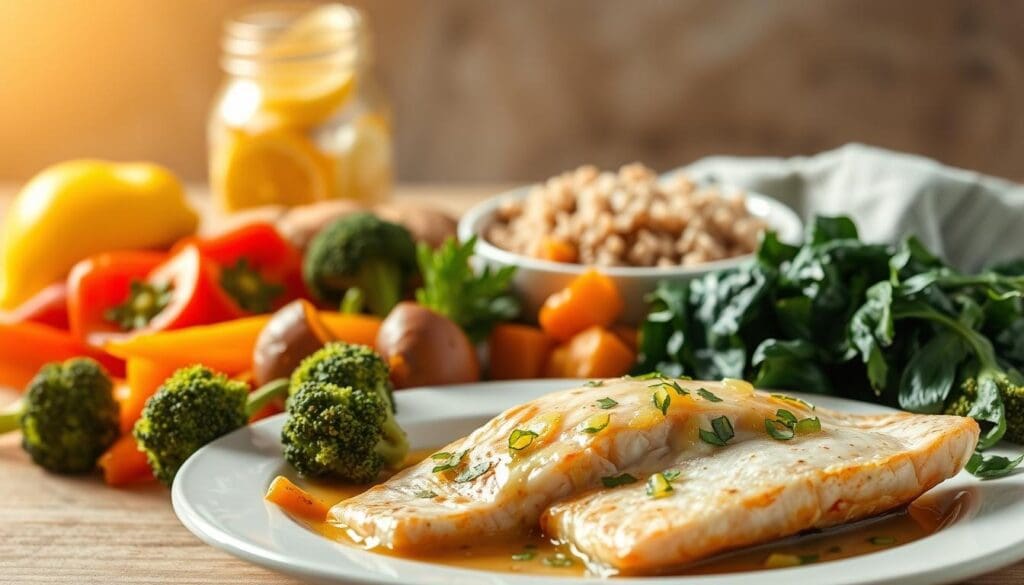
Managing gallbladder issues often hinges on the food we eat. At LivHospital, we understand the importance of a low-fat diet. It reduces strain on the gallbladder and minimizes symptoms of conditions like cholecystitis and gallstones.
Recent research shows that a diet rich in lean proteins, fruits, vegetables, and whole grains is beneficial. It helps lower the risk of gallstone formation and biliary pain. In this article, we will explore the best low-fat foods and meal ideas. These can help alleviate symptoms and promote overall gallbladder health.
Key Takeaways
- A low-fat diet can help reduce the strain on the gallbladder.
- Eating lean proteins, fruits, and vegetables can minimize symptoms.
- Avoiding saturated fats and fried foods is key for gallbladder health.
- Incorporating whole grains into your diet can help manage gallbladder issues.
- A well-planned diet can lower the risk of gallstone formation.
Understanding Gallbladder Issues and Dietary Needs
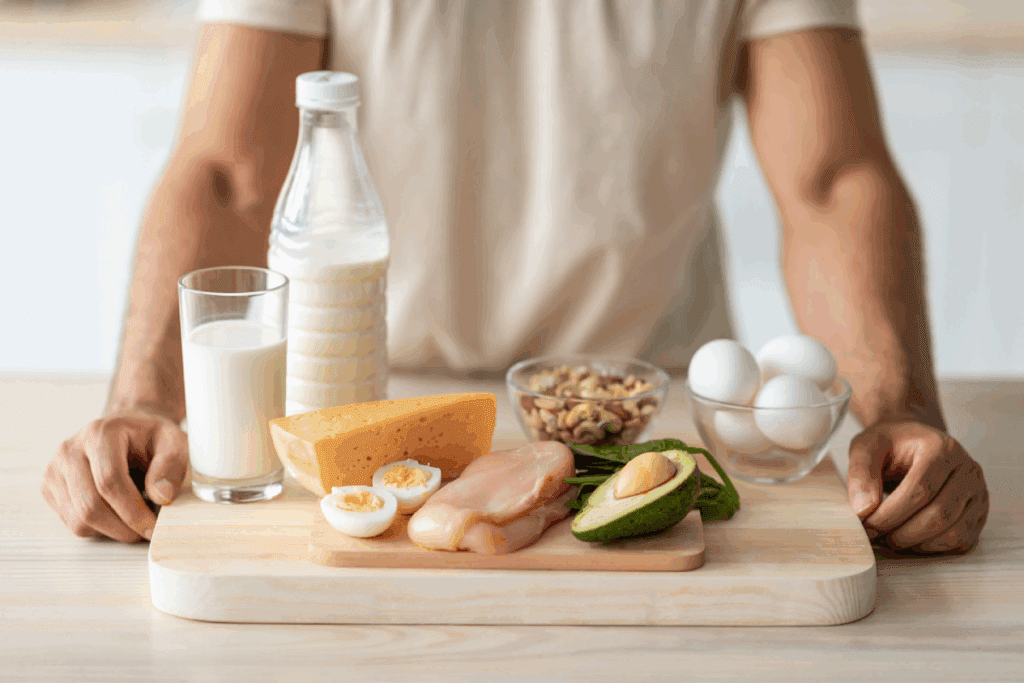
To ease gallbladder symptoms, knowing how the organ works and how diet affects it is key. The gallbladder is a small, pear-shaped organ under the liver. It stores bile, a digestive fluid made by the liver.
How the Gallbladder Functions
The gallbladder’s main job is to store bile. This fluid helps break down fats into smaller pieces. This makes it easier for enzymes to process them.
When we eat fatty foods, the gallbladder releases bile into the small intestine. This helps with fat digestion and getting fat-soluble vitamins.
Common Gallbladder Conditions
Several issues can affect the gallbladder, like gallstones, cholecystitis, and biliary colic. Gallstones are hard deposits that can cause pain and block bile ducts. Cholecystitis is inflammation of the gallbladder, often due to gallstones. Biliary colic is pain from gallstones blocking bile ducts.
The Connection Between Diet and Symptoms
Diet is important for managing gallbladder symptoms. Eating a lot of saturated fats can make gallbladder contractions worse. This can worsen conditions like gallstones and cholecystitis.
Eating more fruits, vegetables, and whole grains can help. A low-fat diet is often suggested for those with gallbladder problems. It reduces the gallbladder’s work and can ease symptoms related to gallstones and other issues.
Understanding the gallbladder’s role and how diet impacts it helps make better choices. This can improve symptoms and overall life quality.
Why a No Fat Diet for Gallbladder Is Essential
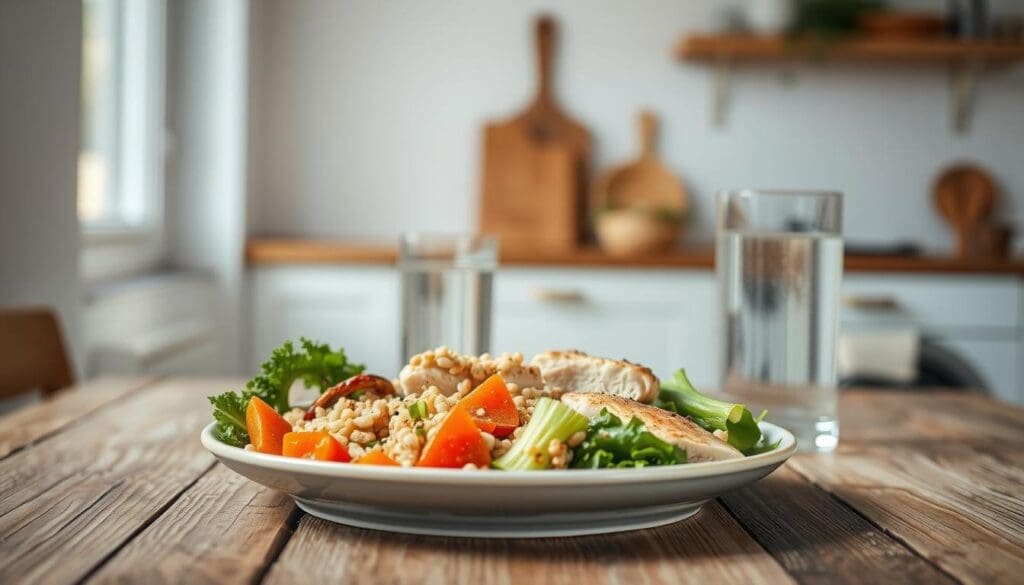
For those with gallbladder problems, a no fat diet is key to feeling better. The gallbladder helps digest fats, but eating too much fat can hurt. It can cause pain and make conditions like gallstones worse.
How Dietary Fat Triggers Gallbladder Pain
Fatty foods make the gallbladder work harder. When we eat fats, the gallbladder contracts to release bile. This can be painful, even more so if there are gallstones blocking the bile ducts.
Avoiding high-fat foods is essential to avoid gallbladder pain. Foods like fried foods, fatty meats, and full-fat dairy are high in fat. Cutting down on these can help reduce pain and attacks.
Benefits of Low-Fat Eating for Gallstone Prevention
Eating less fat can prevent gallstones, a common cause of pain. Studies show that a low-fat diet can lower the risk of gallstones.
“A diet low in fat can help reduce the risk of gallstones and alleviate symptoms in individuals with gallbladder disease.”
Low-fat eating has several benefits for preventing gallstones:
- It lowers cholesterol in the bile
- It puts less strain on the gallbladder
- It reduces the chance of gallstones forming
| Dietary Approach | Effect on Gallstone Risk |
| Low-Fat Diet | Reduced risk of gallstone formation |
| High-Fat Diet | Increased risk of gallstone formation |
Research on Diet and Gallbladder Inflammation
Studies show a strong link between diet and gallbladder inflammation. A high-fat diet can make inflammation worse, while a low-fat diet can help reduce it.
Low-fat diets can ease symptoms in those with gallbladder disease. They reduce inflammation and lower the risk of attacks.
By choosing a low-fat diet, people can manage their gallbladder health better. It helps reduce the risk of serious problems.
5 Lean Protein Foods for Gallbladder Health
Lean protein foods are key for gallbladder health and overall well-being. A diet low in fat but rich in nutrients is vital. Lean proteins help the body without straining the gallbladder.
Skinless Chicken Breast
Skinless chicken breast is a great lean protein. It’s low in fat and packed with nutrients like niacin and vitamin B6. It’s easy to cook in many ways, making it perfect for a gallbladder-friendly diet. “Adding lean proteins like chicken breast to your meals can help manage gallbladder symptoms,” says a nutrition expert.
White Fish (Cod, Tilapia, Flounder)
White fish like cod, tilapia, and flounder are tasty and good for the gallbladder. They’re low in fat and high in protein. Plus, they’re full of omega-3 fatty acids, which are good for health. Try baking or grilling white fish with herbs for a healthy meal.
Egg Whites
Egg whites are a top lean protein choice. They’re almost fat-free and can be used in many dishes. Egg whites give the body the amino acids it needs for repair and maintenance. They’re a smart way to enjoy eggs without the extra fat.
Tofu and Tempeh
Tofu and tempeh come from soybeans and are great plant-based proteins. They’re low in fat and full of nutrients. These foods are not only good for the gallbladder but also for overall health.
Adding these lean proteins to your diet can greatly help gallbladder health. Choosing low-fat proteins can manage symptoms and improve life quality. These foods are part of a balanced diet, supporting a healthier digestive system and overall well-being.
4 Fiber-Rich Fruits and Vegetables for Digestive Support
Fiber-rich fruits and vegetables are key for a healthy digestive system. They help prevent gallstones and keep digestion running smoothly. Let’s look at four types of fiber-rich foods good for gallbladder health.
Berries (Blueberries, Strawberries)
Berries like blueberries and strawberries are tasty and full of fiber and antioxidants. They support digestive health with their nutrients and fiber. You can add them to cereal or enjoy them as a snack.
Apples and Pears
Apples and pears are great for fiber. They have both kinds of fiber, which helps with bowel movements. Eating them as part of a balanced diet is good for your gallbladder.
Leafy Greens (Spinach, Kale)
Leafy greens like spinach and kale are full of fiber and vitamins. You can add them to salads, smoothies, or sautéed dishes. They boost your nutrient intake and support digestion.
Cruciferous Vegetables (Broccoli, Cauliflower)
Cruciferous veggies like broccoli and cauliflower are fiber-rich and support health. You can steam, roast, or add them to dishes. They help with gallbladder health and nutrition.
Eating these fiber-rich foods can greatly help your digestive health and gallbladder issues. Making smart food choices is a big step towards better health.
3 Whole Grain Options That Won’t Trigger Symptoms
For those with gallbladder problems, picking the right whole grains is key. Whole grains are full of fiber, vitamins, and minerals. They are vital for a healthy diet. It’s important to choose low-fat whole grains for gallbladder health.
Oatmeal and Rolled Oats
Oatmeal and rolled oats are great for a gallbladder-friendly diet. They have soluble fiber, which helps lower cholesterol and keeps bowel movements regular. To make oatmeal healthier, use low-fat milk or water. Add fruits like berries or bananas for extra taste and nutrients.
Brown Rice and Quinoa
Brown rice and quinoa are also good for the gallbladder. Brown rice is rich in fiber and manganese. Quinoa is a complete protein, with all nine essential amino acids. You can use these grains in many ways, like as side dishes or bases for salads and stir-fries.
Whole Grain Bread (Low-Fat Varieties)
Choosing low-fat whole grain bread is important to avoid gallbladder symptoms. Look for bread made with whole grains and little added fat. Good options include whole wheat, rye, or other whole grain breads. Pairing whole grain bread with lean proteins or healthy spreads makes for a satisfying meal.
Adding these whole grains to your diet can offer many health benefits, including gallbladder support. By picking low-fat, whole grain options, people with gallbladder issues can eat well and feel better.
- Oatmeal and rolled oats for their soluble fiber content
- Brown rice and quinoa for their nutritional value and ease on the gallbladder
- Low-fat whole grain bread for a healthy and versatile meal option
3 Low-Fat Dairy and Alternatives
Low-fat dairy is key for a gallbladder-friendly diet. It gives you the nutrients you need without making symptoms worse. It’s important to pick dairy low in fat to avoid pain.
Fat-Free Yogurt
Fat-free yogurt is great for gallbladder issues. It’s packed with protein and has probiotics for your gut. Stick to plain, unflavored types to avoid sugars.
Nutritional Benefits: High in protein, contains probiotics, low in fat.
Skim Milk and 1% Milk
Skim milk and 1% milk are good choices for a gallbladder diet. They have calcium and vitamin D for strong bones, without the fat of whole milk.
Nutritional Benefits: Rich in calcium and vitamin D, low in fat.
Plant-Based Milk Alternatives
If you can’t do dairy or prefer not to, plant-based milks are a good option. Almond milk, soy milk, and oat milk are low in fat. They can also have calcium and vitamins added.
Nutritional Benefits: Low in fat, can be fortified with calcium and vitamins, suitable for lactose intolerant individuals.
| Dairy Product | Fat Content | Nutritional Benefits |
| Fat-Free Yogurt | 0g | High in protein, contains probiotics |
| Skim Milk | 0g | Rich in calcium and vitamin D |
| 1% Milk | 1g | Rich in calcium and vitamin D |
| Almond Milk | 2g | Low in fat, can be fortified with calcium and vitamins |
Adding these low-fat dairy items and alternatives to your diet can make meals better for your gallbladder. Always read labels to make sure they fit your diet.
Breakfast Ideas for Gallbladder Issues
Starting your day with a nutritious breakfast is key, even more so for those with gallbladder issues. A good breakfast can help manage symptoms and give you the energy for the day.
Quick Morning Meals That Won’t Cause Pain
For those with gallbladder issues, picking breakfast foods that are easy on the stomach is important. Low-fat options are great. Here are some quick and simple ideas:
- Oatmeal with fruit
- Scrambled egg whites
- Whole grain toast with low-fat spreads
These options are not only simple to make but also help reduce gallbladder pain.
Make-Ahead Breakfast Options
Preparing breakfast ahead of time can save a lot of time. Here are some make-ahead breakfast ideas that are good for your gallbladder:
| Breakfast Option | Preparation Time | Benefits |
| Overnight oats | 5 minutes | High in fiber, low in fat |
| Muffin tin frittatas | 15 minutes | Protein-rich, easy to reheat |
| Breakfast burritos | 10 minutes | Customizable, low-fat |
Weekend Breakfast Recipes
Weekends are a great time to try new recipes. Here are some gallbladder-friendly breakfast recipes you might like:
- Avocado-free smoothie bowls
- Whole grain pancakes with fruit topping
- Low-fat yogurt parfaits
These recipes are tasty and gentle on your gallbladder. They’re perfect for a relaxing weekend breakfast.
Lunch and Dinner Recipes for a Gallbladder-Friendly Diet
Keeping your diet gallbladder-friendly doesn’t mean you have to miss out on taste or variety. We know how important it is to enjoy your meals while taking care of your gallbladder. Here, we’ll share some tasty and healthy lunch and dinner recipes that are easy on the gallbladder.
30-Minute Low-Fat Meals
Quick meals are perfect for busy days. Here are some low-fat meal ideas that can be made in 30 minutes or less:
- Grilled Chicken with Roasted Vegetables: Marinate chicken breast in herbs and grill until cooked. Serve with roasted veggies like broccoli, carrots, and bell peppers.
- Quinoa Salad: Mix cooked quinoa with chopped veggies like cucumbers, tomatoes, and spinach. Add lemon juice for flavor.
- Low-Fat Soup: Make a hearty soup with veggies and beans in low-fat broth. Simmer until veggies are tender.
One-Pot Dishes That Minimize Fat
One-pot meals are great because they’re easy and cut down on fat. Here are some ideas:
- Vegetable Stir-Fry: Stir-fry your favorite veggies in a non-stick pan or wok with a little oil. Season with herbs and spices.
- Chicken and Rice Bowl: Cook chicken, rice, and mixed veggies together in a large pot with a bit of oil.
Family-Friendly Options Everyone Will Enjoy
It’s possible to make family-friendly meals that are also good for your gallbladder. Here are some recipes that everyone will love:
- Baked Chicken Tenders: Coat chicken tenders with whole wheat breadcrumbs and bake until crispy. Serve with steamed veggies.
- Pasta with Marinara Sauce and Vegetables: Cook pasta, heat up low-fat marinara sauce, and sauté veggies like bell peppers and onions.
By adding these recipes to your meal plan, you can enjoy a variety of flavors while caring for your gallbladder. The key is to choose low-fat, nutrient-rich foods that are easy on your digestive system.
Managing Acute Gallbladder Attacks Through Diet
When you have a gallbladder attack, it’s important to choose your food wisely. Pick foods that help, not hurt. Your stomach needs a break, so go for foods that are easy on it.
Foods to Avoid During a Flare-Up
Some foods can make gallbladder attacks worse. Stay away from high-fat foods like fried foods and fatty meats. Also, avoid spicy foods and high-fiber foods as they can upset your stomach.
Gentle Foods for Recovery
Choose foods that are easy to digest when you’re having a gallbladder attack. Good options include:
- Plain toast or crackers to calm your stomach.
- Clear broths for fluids and electrolytes.
- Bland fruits like bananas or applesauce for easy digestion.
- Lean proteins like chicken or fish, cooked without a lot of fat.
Hydration and Supplement Considerations
Drinking enough water is key during a gallbladder attack. It helps prevent dehydration and supports your digestive system. Stick to clear fluids like water and electrolyte-rich drinks. Also, some supplements might help, but always talk to a doctor before trying new ones.
By carefully choosing your diet during a gallbladder attack, you can make it through easier. Focus on foods that are gentle and easy to digest. This helps your gallbladder health in the long run.
Conclusion: Living Well with Gallbladder Issues
By choosing a low-fat diet and eating gallbladder-friendly foods, people can handle their condition better. We’ve looked at different foods like lean proteins, fruits, veggies, whole grains, and low-fat dairy. These foods help manage symptoms and improve life quality.
Dealing with gallbladder problems means more than just food. It’s about changing your whole lifestyle. Knowing how a low-fat diet helps your gallbladder is key. We aim to help you manage your gallbladder disease and stay healthy.
Making smart food choices can lower the chance of gallbladder attacks. We suggest you keep looking for healthy meal ideas. Also, talk to a doctor for advice on handling gallbladder issues.
FAQ
What is a gallbladder-friendly diet?
A gallbladder-friendly diet is low in fat. It helps ease symptoms and keeps the gallbladder healthy. It focuses on foods that are easy on the stomach and reduce health risks.
What foods should I avoid if I have gallbladder issues?
Avoid high-fat foods if you have gallbladder problems. They can cause pain and worsen conditions like gallstones and cholecystitis.
What are some lean protein sources that are good for gallbladder health?
Good lean proteins for gallbladder health include skinless chicken, white fish, egg whites, tofu, and tempeh. They are low in fat and rich in nutrients.
How can fiber-rich fruits and vegetables support gallbladder health?
Foods like berries, apples, leafy greens, and cruciferous veggies support a healthy gut. They provide important nutrients.
What whole grains are suitable for a gallbladder-friendly diet?
Oatmeal, brown rice, and whole grain bread are great for gallbladder health. They offer fiber, vitamins, and minerals without upsetting the stomach.
What dairy products are recommended for gallbladder health?
Choose low-fat dairy like fat-free yogurt and skim milk for essential nutrients. Plant-based milks are also good for gallbladder health.
What are some breakfast ideas that are gentle on the gallbladder?
Try oatmeal with fruit, whole grain toast with egg whites, or smoothies with low-fat yogurt and fruit. These are gentle on the gallbladder.
How can I manage acute gallbladder attacks through diet?
During an attack, avoid fatty foods. Opt for plain toast, crackers, and plain rice. Stay hydrated and consider supplements for recovery.
Can a low-fat diet help prevent gallstones?
Yes, a low-fat diet can prevent gallstones. It reduces gallbladder strain and lowers complication risks.
What are some low-fat meal ideas that are suitable for a gallbladder-friendly diet?
Good meal ideas include grilled chicken or fish with roasted veggies, whole grain salads with lean protein, and vegetable soups. These are gentle on the gallbladder.
How can I incorporate low-fat foods into my diet?
Choose lean proteins, fiber-rich fruits and veggies, whole grains, and low-fat dairy. Try new recipes that are gentle on the gallbladder.
REFERENCES:
The Role of Diet in the Pathogenesis of Cholesterol Gallstones. National Center for Biotechnology Information. The Role of Diet in the Pathogenesis of Cholesterol Gallstones. Retrieved from https://pmc.ncbi.nlm.nih.gov/articles/PMC8118138/