

Knowing your glucose levels is key to staying healthy and avoiding serious problems. The American Diabetes Association (ADA) says a normal fasting glucose level is under 100 mg/dL. It usually falls between 70-99 mg/dL.
What is the normal blood sugar range by age? Our detailed guide covers fasting glucose levels for kids, teens, adults, and seniors to ensure optimal health.
As we get older, our glucose levels change a lot. It’s important to know the right range for your age. Liv Hospital offers top-notch healthcare to help you understand your glucose levels and make smart health choices.
Keeping your glucose level healthy is important for your overall well-being. Knowing the normal ranges helps you take charge of your health.
Key Takeaways
- Normal fasting glucose levels range from 70-99 mg/dL.
- Glucose levels vary across different age groups.
- Understanding your target glucose range is key for health.
- Liv Hospital provides trusted healthcare expertise for glucose management.
- Maintaining healthy glucose levels is vital for overall well-being.
Understanding Blood Sugar Levels and Measurements
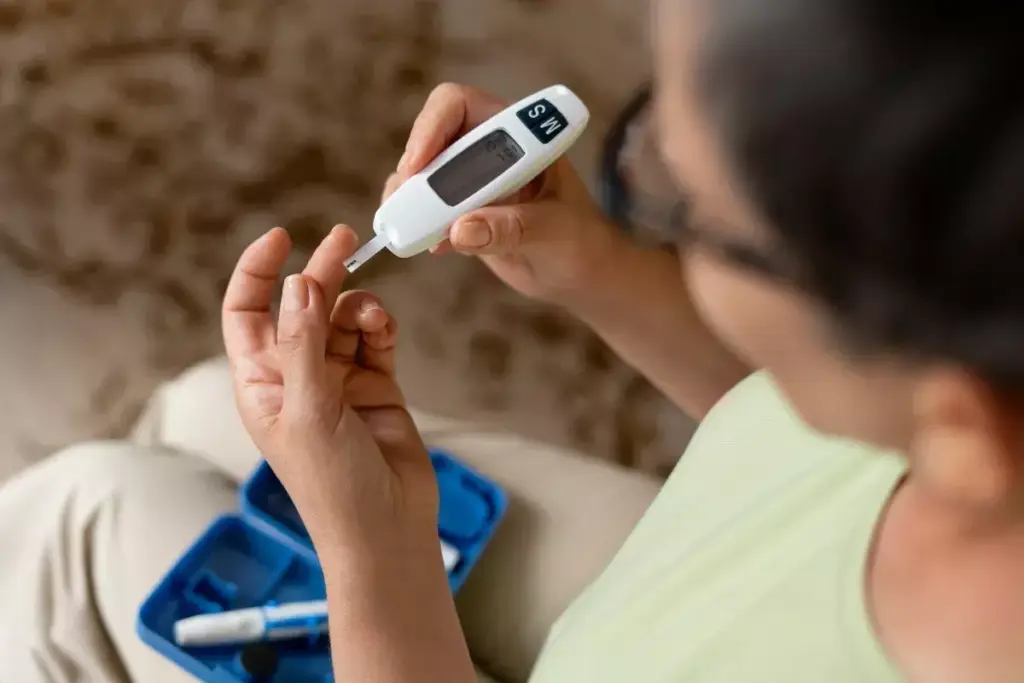
Knowing your blood sugar levels is key to staying healthy. Blood sugar, or glucose, is the main energy source for our cells. It’s important to understand how to measure blood sugar and what these numbers mean.
What Blood Sugar Numbers Mean
Blood sugar numbers show how much glucose is in your blood at a certain time. These numbers are in milligrams per deciliter (mg/dL) or millimoles per liter (mmol/L). Normal blood sugar levels change based on the time of day, meal times, and health conditions.
For those without diabetes, fasting blood glucose should be between 70 to 99 mg/dL. Levels from 100 to 125 mg/dL might show impaired fasting glucose. Levels over 126 mg/dL could mean diabetes.
Fasting vs. Non-Fasting Glucose Measurements
Fasting glucose is measured after an overnight fast, usually before breakfast. It shows a baseline blood glucose level. Non-fasting glucose can be taken at any time, often after meals.
It’s important to know the difference between fasting and non-fasting glucose. Fasting glucose shows how the body handles blood sugar when fasting. Postprandial glucose (after meals) checks how the body handles glucose after eating.
Normal Ranges for People Without Diabetes
For those without diabetes, keeping blood sugar in normal ranges is important. The American Diabetes Association (ADA) sets guidelines for normal blood sugar levels. A normal fasting glucose is between 70 and 99 mg/dL. After meals, it should be under 140 mg/dL.
Why Age Affects Blood Sugar Control
Age plays a big role in blood sugar control. As we get older, our bodies change in ways that affect glucose metabolism. Older adults might find it harder to keep blood sugar levels normal because of decreased insulin sensitivity.
Older adults might also have other health issues or take medications that affect blood sugar. So, understanding how age impacts blood sugar is key for managing it well and staying healthy.
What Is Normal Blood Sugar by Age: Complete Breakdown

Blood sugar levels change a lot with age. Knowing the right ranges for each age is key to staying healthy. It helps avoid diabetes problems.
Children Ages 6-12 Years
Children between 6 and 12 should have fasting blood sugar between 70 to 120 mg/dL. Keeping it in this range is important for their health. Checking blood sugar levels in kids is important to catch any issues early.
Adolescents and Young Adults Ages 13-39 Years
Teenagers and young adults also have fasting glucose levels between 70 to 120 mg/dL. But, diet and exercise are very important for them. Eating right and staying active helps keep blood sugar in check.
Middle-Aged Adults Ages 40-64 Years
When people reach their 40s to 60s, they face a higher risk of diabetes. Their fasting blood sugar should stay between 70 to 120 mg/dL. But, checking it often is even more important because of the higher risk.
Seniors and Older Adults Ages 65 and Above
Seniors, 65 and older, usually have the same fasting blood sugar range as younger adults. But, their targets might be different because of health issues or medicines. It’s vital for seniors to talk to their doctors about the best blood sugar goals.
Knowing and managing blood sugar levels based on age is very important for health. By looking at a blood sugar chart by age, people can understand their goals better. This helps them take steps to keep their blood sugar healthy.
Conclusion
Knowing your blood sugar levels is key to staying healthy. It changes as you get older. Using charts for adults and a blood sugar age chart helps keep you on track.
Adults should aim for 70-130 mg/dL before meals and under 180 mg/dL after. A chart for adults can give more detailed advice based on age and other factors.
Keeping your blood sugar in check is vital. It helps avoid serious health issues and keeps you feeling good for a long time. By using charts and paying attention to your levels, you can manage your health better.
Being informed and active helps you live a healthier life. Good blood sugar control is a big part of staying well.
FAQ
What is considered a normal blood sugar level?
Normal fasting blood sugar is 70–99 mg/dL (3.9–5.5 mmol/L) for people without diabetes.
How do blood sugar levels change with age?
Blood sugar may gradually rise with age due to insulin resistance and changes in metabolism.
What is the difference between fasting and non-fasting glucose measurements?
Fasting glucose is measured after 8 hours without food, while non-fasting measures blood sugar at any time, often after meals.
What are normal blood sugar levels for children?
Normal fasting blood sugar in children is typically 70–100 mg/dL, similar to adults.
How does age impact blood sugar control?
Aging can reduce insulin sensitivity and beta-cell function, making blood sugar regulation more challenging.
What are the normal blood sugar ranges for seniors?
Fasting blood glucose for seniors is generally 70–99 mg/dL, with post-meal glucose under 140 mg/dL, adjusted per health status.
Why is it essential to understand blood sugar levels by age?
Understanding age-specific glucose norms helps detect abnormalities early and tailor diabetes prevention and management.
How can I manage my blood sugar levels effectively?
Manage blood sugar with a balanced diet, regular exercise, stress management, adequate sleep, and regular monitoring.
References
The diet reduces circulating insulin levels, enhances fat oxidation, and induces ketosis, creating physiologic conditions that may benefit https://www.ncbi.nlm.nih.gov/books/NBK499830/