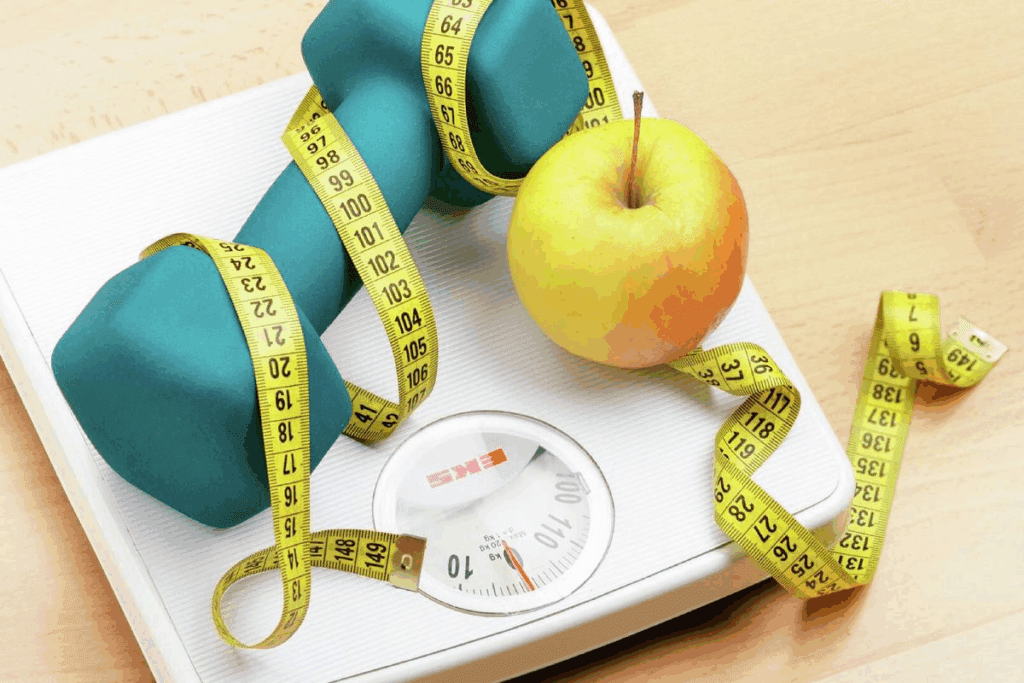
Finding your ideal weight is not just about looking at a height-weight chart. It’s about knowing your bone, muscle, and fat levels. For both men and women, it’s key to understand how body mass index (BMI), frame size, and body composition work together. This knowledge helps make better health choices.normal weight 5 9 maleWeight Loss Ovarian Cancer: Silent Alarm
Keeping a healthy weight is vital for your health, long life, and avoiding diseases. A height-weight chart is a good first step to see if your weight is in a healthy range. For example, a 5’9″ person usually needs to be in the normal BMI range for a healthy weight.
Key Takeaways
- Understanding ideal weight goes beyond simple height-weight charts.
- BMI is a key measure for a healthy weight range.
- Frame size and body composition are important for assessing ideal weight.
- A height-weight chart is a useful initial tool for evaluating weight status.
- Maintaining an optimal weight is vital for overall health and disease prevention.
Understanding Ideal Weight and Its Importance

Knowing what ideal weight is is key to understanding its health benefits. It’s not just about looking good. It’s about feeling good and lowering the risk of health problems.
Health Implications of Maintaining Ideal Weight
Keeping an ideal weight brings many health perks. It can greatly lower the chance of serious diseases like:
- Diabetes: Too much weight is a big risk for type 2 diabetes.
- Heart Disease: Being overweight or obese raises the risk of heart disease and stroke.
- Certain Cancers: Staying at an ideal weight can cut down the risk of cancers like breast, colon, and kidney cancer.
Also, being at an ideal weight can boost physical function and mobility. This makes it easier to do daily tasks and stay independent as we get older.
Common Misconceptions About Ideal Weight
There are many wrong ideas about ideal weight that can confuse us and lead to unhealthy habits. Some of these include:
- One-size-fits-all approach: Ideal weight varies for everyone; it depends on age, gender, and body type.
- Focusing solely on weight: Ideal weight isn’t just about the number on the scale. It’s about body composition and health overall.
- Crash diets: Severely cutting calories is not a healthy or lasting way to reach ideal weight.
By knowing these wrong ideas, we can take a smarter and more balanced way to reach and keep our ideal weight.
Body Mass Index (BMI): The Standard Measurement
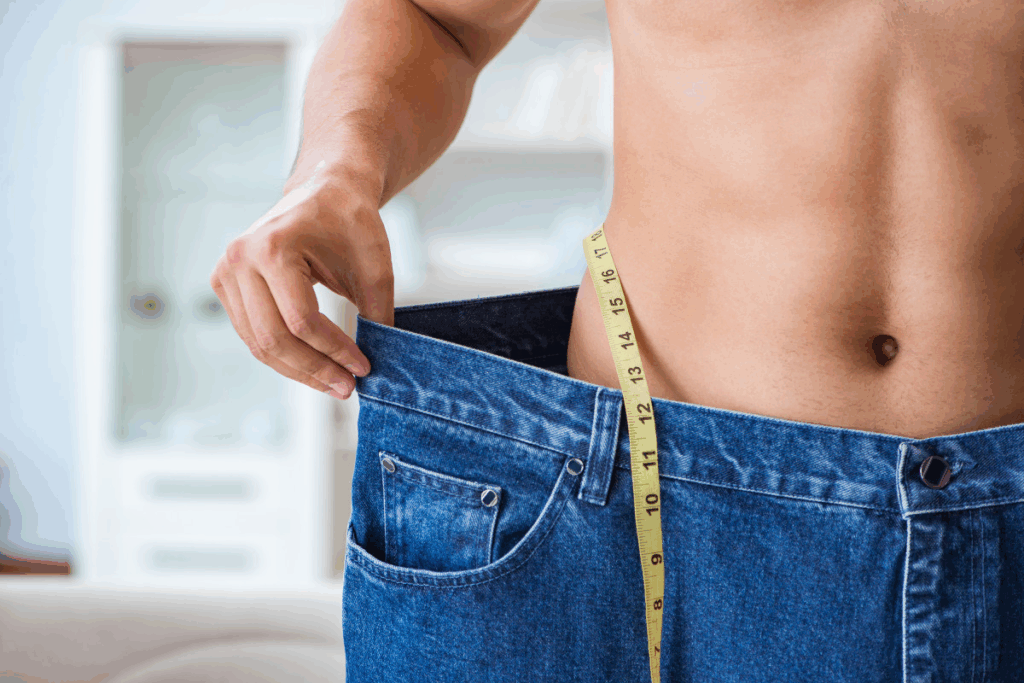
The Body Mass Index (BMI) is a key tool in health checks. It helps figure out if someone’s weight is healthy for their height. Doctors and people use it to see if their weight is okay.
Calculation of BMI
To find your BMI, divide your weight in kilograms by your height in meters squared. For example, if you weigh 70 kilograms and are 1.75 meters tall, your BMI is 70 / (1.75) = 22.86.
There are many online tools that can quickly calculate your BMI. Just enter your weight and height. This makes BMI easy to use and understand.
WHO Classifications of BMI Ranges
The World Health Organization (WHO) has set up BMI categories. These help sort people into weight status groups. Here are the categories:
BMI Category | BMI Range |
Underweight | < 18.5 |
Normal weight | 18.5 – 24.9 |
Overweight | 25 – 29.9 |
Obese | ≥ 30 |
These categories help spot health risks. For example, a BMI of 25 or higher can lead to diseases like diabetes and heart disease.
Limitations of BMI as a Sole Indicator
BMI has its limits. It doesn’t tell the difference between muscle and fat. So, athletes might have a high BMI without being overweight. On the other hand, older adults or those who have lost muscle might have a normal BMI but too much body fat.
“BMI is a simple and useful tool for assessing weight status, but it should not be used in isolation. Other factors such as waist circumference, body composition, and overall health should also be considered.”
— World Health Organization
BMI also doesn’t consider ethnic or genetic differences in body fat. Some groups might have more body fat at the same BMI as others.
It’s important to know BMI’s limits for a full health check. While it shows if your weight is healthy for your height, it’s just one part of the picture.
Normal Weight for 5’9″ Male and Other Heights
Knowing the right weight for males is key to staying healthy. For men, it’s important to know the healthy weight range based on height. This helps lead a healthy lifestyle. Height and weight are closely linked to health, and staying within a normal weight range can lower the risk of many health problems.
Healthy Weight Range for 5’9″ Males
A male who is 5’9″ (175 cm) should weigh between 125 to 169 pounds (56.7 to 76.7 kg). This is based on Body Mass Index (BMI) calculations. BMI takes into account both height and weight to classify individuals. Staying within this range can help prevent chronic diseases like diabetes, heart disease, and some cancers.
Let’s look at weight ranges for males of different heights. Here’s a table showing healthy weight ranges for men of various heights:
Height (feet and inches) | Height (cm) | Healthy Weight Range (pounds) | Healthy Weight Range (kg) |
5’6″ | 168 | 118-154 | 53.5-69.9 |
5’7″ | 170 | 121-158 | 54.9-71.7 |
5’8″ | 173 | 125-163 | 56.7-73.9 |
5’9″ | 175 | 128-169 | 58.1-76.7 |
5’10” | 178 | 132-174 | 59.9-78.9 |
Weight Ranges for Males of Different Heights
The table shows that healthy weight ranges vary with height. For example, a 5’6″ (168 cm) male is considered healthy if they weigh 118 to 154 pounds (53.5 to 69.9 kg). On the other hand, a 5’10” (178 cm) male should weigh between 132 to 174 pounds (59.9 to 78.9 kg).
Remember, these ranges are based on BMI and might not fit everyone, like those with a lot of muscle. Yet, they are a good starting point for understanding healthy weights for men of different heights.
Ideal Weight Charts for Women by Height
Women’s ideal weight varies based on height among other factors. Ideal weight charts for women are tailored to height, unlike those for men. This is because women and men have different body compositions.
Weight Ranges for Women of Different Heights
For women, ideal weight ranges are based on height. For example, a 5’5″ woman should weigh between 125-145 pounds. A 5’8″ woman’s range is 135-155 pounds. These ranges consider body type and composition.
Here’s a sample table illustrating ideal weight ranges for women of different heights:
Height (feet/inches) | Ideal Weight Range (pounds) | Ideal Weight Range (kg) |
5’2″ | 115-135 | 52.2-61.2 |
5’5″ | 125-145 | 56.7-65.7 |
5’8″ | 135-155 | 61.2-70.3 |
5’10” | 140-165 | 63.5-74.8 |
Comparing Female Weight Ranges to Male Counterparts
Men generally have a higher ideal weight than women for the same height. This is because men have more muscle and less body fat. For instance, a 5’9″ man might weigh 125-169 pounds, while a woman of the same height might weigh 120-150 pounds.
It’s important to understand these differences when setting health goals. While weight is a guideline, it’s not the only factor. Consider overall health and body composition too.
Gender Differences in Ideal Weight
Ideal weight isn’t the same for everyone. It changes between genders because of different body types. It’s important to look at these differences to give good advice for both men and women.
Physiological Differences Between Men and Women
Men and women have different bodies. Men usually have more muscle and less body fat than women. This is because of hormones, like testosterone, which helps build muscle.
Another big difference is bone density. Men generally have denser bones than women. This affects their weight. These differences are key when figuring out a healthy weight for each gender.
Why Men Typically Weigh 10-20% More at Similar Heights
Men usually weigh 10 to 20 percent more than women of the same height. This is because of their muscle and bone density. Muscle is heavier than fat, so men tend to weigh more.
These differences are not just about looks or strength. They also affect health. More muscle can help with metabolism, and denser bones lower the risk of osteoporosis.
How Muscle Mass and Bone Density Affect Ideal Weight
Muscle and bone density play a big role in ideal weight. People with more muscle or denser bones will weigh more. This is true even if they are the same height and size.
To find a healthy weight, these factors need to be considered. Doctors often use body composition analysis to find a good weight range. They don’t just look at height and weight charts.
Beyond BMI: Other Factors Affecting Ideal Weight
Understanding ideal weight goes beyond BMI. It involves looking at body composition, age, and genetics. BMI is just a starting point, not a complete picture.
Body Composition and Frame Size
Body composition, like muscle and fat, impacts ideal weight. People with more muscle might weigh more but not be overfat. Frame size also matters, as bigger frames can carry more weight without being overweight.
Frame Size | Weight Range for 5’9″ Male | Weight Range for 5’9″ Female |
Small | 125-140 lbs | 115-130 lbs |
Medium | 135-155 lbs | 125-145 lbs |
Large | 145-169 lbs | 135-160 lbs |
Age-Related Weight Considerations
Age affects ideal weight. As we get older, our body fat and muscle mass change. Older adults might need a slightly higher weight, but it depends on health and activity.
Fat Distribution Patterns and Health Implications
Fat around the belly is a big health risk. It can lead to metabolic problems, even if you’re not overweight. Measuring waist circumference helps understand these risks.
Ethnic and Genetic Variations
Ethnic and genetic factors also shape ideal weight. Different groups have unique body types and fat distribution. Genetics can influence metabolism and body shape, affecting ideal weight.
Healthcare providers can give better advice on ideal weight by considering these factors. This leads to better health outcomes for everyone.
Alternative Methods to Determine Healthy Weight
Other methods like waist-to-height ratio and body fat percentage give a clearer picture of health. While BMI is a general guide, these methods offer detailed insights into health status.
Waist-to-Height Ratio
The waist-to-height ratio (WHtR) is a simple yet effective measure. It’s calculated by dividing waist circumference by height. A WHtR of 0.5 or higher is linked to higher health risks, including heart disease and diabetes.
Benefits of WHtR: It’s easy to measure and doesn’t need special equipment. This makes it useful for both health professionals and individuals.
Body Fat Percentage Measurements
Body fat percentage is a key indicator of health, beyond just weight or BMI. It shows the percentage of body fat compared to lean body mass. There are several ways to measure it, like DXA, hydrostatic weighing, and skinfold measurements.
Method | Accuracy | Cost |
DXA | High | Moderate to High |
Hydrostatic Weighing | High | Moderate |
Skinfold Measurements | Moderate | Low |
Waist Circumference as a Health Indicator
Waist circumference is a key indicator of visceral fat. It’s linked to higher risks of metabolic syndrome, heart disease, and type 2 diabetes. The measurement is taken around the narrowest point of the natural waistline. Men should aim for a waist under 40 inches (102 cm), and women under 35 inches (88 cm).
“Excess abdominal fat is a significant risk factor for health issues. Monitoring waist circumference can provide early warnings for possible health problems.”
Using these alternative methods in health assessments helps both individuals and healthcare providers. They can understand health risks better and work on targeted improvements.
Achieving and Maintaining Your Ideal Weight
Starting a weight management journey can seem tough. But, with the right mindset and support, reaching and keeping your ideal weight is doable. Everyone’s path to their ideal weight is different. It’s shaped by genetics, lifestyle, and health.
Healthy Approaches to Weight Management
For lasting success, adopting healthy weight management strategies is key. This means eating a balanced diet, staying active, and making lifestyle changes that last. Crash diets and extreme exercise are not good for your health in the long run.
Eating a variety of foods is important. Include fruits, vegetables, whole grains, lean proteins, and healthy fats. Being active not only burns calories but also boosts your mood and energy.
Lifestyle Factors That Influence Weight
Many lifestyle factors affect your weight. These include what you eat, how active you are, your sleep, stress levels, and your social circle. Knowing how these factors impact your weight helps you make better choices for your goals.
Lifestyle Factor | Impact on Weight | Healthy Approach |
Eating Habits | High-calorie foods can cause weight gain. | Eat more fruits, vegetables, and whole grains. |
Physical Activity | Exercise burns calories and builds muscle. | Do at least 150 minutes of moderate exercise or 75 minutes of vigorous exercise weekly. |
Sleep Patterns | Poor sleep can lead to weight gain. | Get 7-9 hours of sleep each night to help with weight control. |
When to Consult Healthcare Professionals
Healthcare professionals can offer personalized advice and support. They can help with weight loss, keeping weight off, or health concerns. Their guidance is tailored to your needs.
If you’re planning big changes to your diet or exercise, or have health worries, see a healthcare provider. They can create a safe and effective plan for you.
Conclusion
Knowing and reaching your ideal weight is key to a healthier life. We’ve talked about how different things affect your ideal weight. These include Body Mass Index (BMI), body composition, and lifestyle habits.
Keeping a healthy weight can lower the risk of many health issues. These include diabetes, heart disease, and some cancers. By eating well and staying active, you can keep a healthy weight.
It’s important to think about your own factors when figuring out a healthy weight. Things like age, gender, and body type matter. Talking to healthcare experts can help you get advice that fits you.
In short, staying at a healthy weight is important for your health and long life. By knowing what affects your weight and living healthily, you can avoid health problems. This improves your life quality.
FAQ
What is the ideal weight for a 5’9″ male?
A 5’9″ male should weigh between 125 to 169 pounds. This keeps his BMI in the normal range.
How is BMI calculated?
To find your BMI, divide your weight in kilograms by your height in meters squared.
What are the WHO classifications of BMI ranges?
The WHO says BMI ranges are: underweight (BMI
What is the average weight for a 6′ male?
A 6′ male’s healthy weight is usually 140 to 190 pounds.
What is the ideal weight for a 5’6″ female?
A 5’6″ female’s ideal weight varies. It’s best to use a height-weight chart or talk to a doctor.
How do physiological differences between men and women affect ideal weight?
Men and women have different body fat and muscle. This affects their ideal weights.
What are some alternative methods to determine healthy weight?
You can use waist-to-height ratio, body fat percentage, or waist circumference. These show if you’re at a healthy weight.
What is a healthy weight range for a 5’8″ male?
A 5’8″ male should weigh 130 to 175 pounds. But, a doctor’s advice is best.
How does body composition affect ideal weight?
Your body’s muscle and fat affect your ideal weight. It’s important for your health.
What is the normal weight for a 6’2″ male?
A 6’2″ male’s normal weight varies. It’s best to use a height-weight chart or see a doctor.
What is the ideal weight for a 5’5″ female?
A 5’5″ female’s ideal weight varies. It’s best to use a height-weight chart or see a doctor.
How do lifestyle factors influence weight?
Your diet and exercise level greatly affect your weight. They help you stay healthy.
When should I consult a healthcare professional about my weight?
See a doctor for personalized advice on weight. This is important if you’re worried about your health.
References
World Health Organization. Evidence-Based Medical Guidance. Retrieved from https://www.who.int/data/gho/data/themes/topics/topic-details/GHO/body-mass-index