
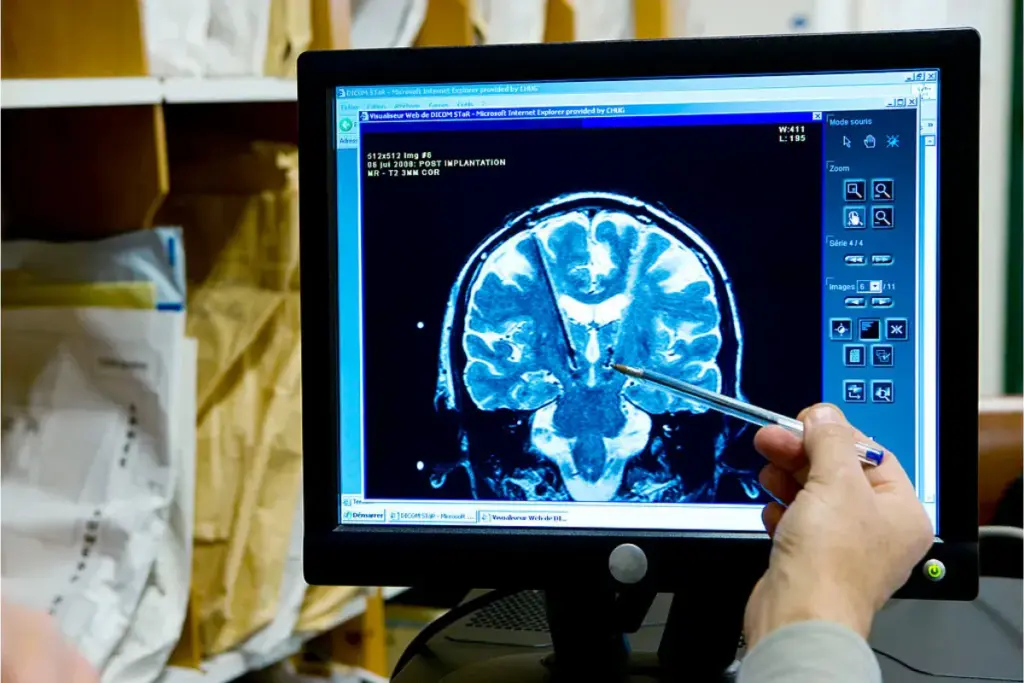
We will look into the “3 W’s” of hydrocephalus. This will help us understand this complex condition better. Knowing these aspects is key for those seeking the best care. What does the NPH medical abbreviation stand for? Discover the vital 3 W’s of this condition and learn amazing ways to improve brain health.
The “3 W’s” – Walking, Wiping, and Wetting – are symptoms seen in NPH patients. These include trouble walking, memory loss, and not being able to control urination.
Key Takeaways
- Hydrocephalus is a condition involving the accumulation of cerebrospinal fluid in the brain.
- NPH is a type of hydrocephalus with symptoms similar to other neurodegenerative diseases.
- The “3 W’s” are associated with common symptoms in NPH patients.
- Understanding the “3 W’s” is key for diagnosis and care.
- NPH symptoms include gait disturbance, dementia, and urinary incontinence.
Understanding Normal Pressure Hydrocephalus (NPH)

Definition and Cerebrospinal Fluid Dynamics
NPH is marked by the growth of the brain’s ventricles due to too much cerebrospinal fluid (CSF). This happens without a big rise in brain pressure. The movement of CSF is key to grasping NPH. CSF is usually made and taken away at the same rate. But in NPH, this balance is lost, causing CSF to build up.
The cerebrospinal fluid dynamics in NPH involve several key aspects:
- Production and Absorption: The rate of CSF production and absorption is critical. In NPH, there’s often an imbalance.
- Circulation: CSF circulation is also affected, with possible blockages or reduced flow.
Prevalence and Demographics
NPH is more common among the elderly. Studies show it gets more common with age, hitting a big part of people over 65.
|
Age Group |
Prevalence of NPH |
|---|---|
|
65-70 |
1.5% |
|
71-75 |
3.2% |
|
76-80 |
5.1% |
|
81+ |
7.3% |
The table shows NPH gets more common with age. This underlines the importance of knowing about it and getting the right diagnosis for the elderly.
The NPH Medical Abbreviation Explained
NPH, or Normal Pressure Hydrocephalus, is a condition that needs clear understanding. Healthcare professionals often see many medical abbreviations. But NPH is key in neurology and geriatrics.
What Does NPH Stand for in Medical Terms?
In medical terms, NPH means Normal Pressure Hydrocephalus. It’s a brain disorder where cerebrospinal fluid (CSF) builds up in the brain’s ventricles. This buildup can put pressure on the brain, causing symptoms.
To get NPH, you need to know about CSF. CSF is made and taken away constantly. But in NPH, this balance is broken, causing fluid to build up.
Differentiating NPH from Other Medical Abbreviations
NPH is often mixed up with other medical terms. For example, it’s different from other hydrocephalus types. Knowing these differences is key for correct diagnosis and treatment.
Here’s a table to show how NPH is different from other conditions:
|
Condition |
Description |
Key Characteristics |
|---|---|---|
|
NPH (Normal Pressure Hydrocephalus) |
A neurological disorder with CSF accumulation in the brain’s ventricles. |
Normal CSF pressure, gait disturbance, dementia, urinary incontinence. |
|
Obstructive Hydrocephalus |
Blockage of CSF pathways leading to increased intracranial pressure. |
High CSF pressure, headache, nausea, vomiting. |
|
Communicating Hydrocephalus |
Impaired CSF absorption without blockage. |
Varying CSF pressure, cognitive decline, gait issues. |
Knowing what NPH means and how it differs from other conditions helps doctors give better care. This leads to more accurate diagnoses and treatments.
The Classic Triad: The3 W’s of Hydrocephalus
The ‘3 W’s of hydrocephalus’ – wet, wacky, and wobbly – are key symptoms of Normal Pressure Hydrocephalus (NPH). These signs are vital for diagnosing the condition. They also play a big role in how patients are managed.
Overview of the Symptom Triad
The symptoms of NPH include urinary incontinence (‘wet’), cognitive decline (‘wacky’), and gait disturbance (‘wobbly’). These symptoms can greatly affect a patient’s life and ability to function. Not all patients show all three symptoms at once.
Historical Context of the “Wet, Wacky, Wobbly” Terminology
The ‘wet, wacky, wobbly’ terms have been used to describe NPH symptoms for a long time. This mnemonic helps doctors remember the main symptoms. It makes it easier to diagnose and plan treatment.
Clinical Significance of the Normal Pressure Hydrocephalus Triad
Spotting the ‘3 W’s’ is key for diagnosing and managing NPH. These symptoms suggest the need for more tests, like imaging and lumbar punctures. Early detection can lead to better treatments and improved quality of life for patients.
The First W: “Wet” – Urinary Incontinence
Urinary incontinence, or the ‘wet’ symptom, is a big worry for those with Normal Pressure Hydrocephalus (NPH). It not only hurts their physical health but also their emotional and social lives.
Pathophysiology of Urinary Symptoms in NPH
The cause of urinary incontinence in NPH is complex. It involves changes in cerebrospinal fluid (CSF) that put pressure on the brain. Studies show that this pressure can harm the frontal lobe and its connections, leading to bladder problems.
Clinical Presentation and Progression
Urinary incontinence in NPH means not being able to control when you pee. It can also cause urgency and needing to pee a lot. How fast it gets worse can vary, and doctors need to figure out if it’s NPH or something else.
Impact on Quality of Life and Dignity
Urinary incontinence has a huge impact on NPH patients’ lives. It makes them feel isolated, lowers their self-esteem, and is hard on those who care for them. Managing this symptom is key to improving their overall health.
|
Aspect |
Description |
Impact |
|---|---|---|
|
Pathophysiology |
Disruption of CSF dynamics and frontal lobe compression |
Affects bladder control |
|
Clinical Presentation |
Urinary urgency, frequency, and incontinence |
Varies among patients |
|
Quality of Life |
Social isolation, decreased self-esteem |
Significant burden on patients and caregivers |
The Second W: “Wacky” – Cognitive Decline
The ‘wacky’ part of NPH, with its cognitive decline, is a big challenge. It affects the quality of life for those with it.
Spectrum of Cognitive Changes in NPH
Cognitive changes in NPH vary from mild to severe dementia. Attention and executive function are often hit hard. This makes daily tasks tough.
Patients struggle with planning, making decisions, and solving problems. Memory issues are also common, but not always the first sign.
Differentiating from Alzheimer’s and Other Dementias
Telling NPH apart from other dementias, like Alzheimer’s, is key. Both have cognitive decline, but they’re different. We use clinical checks, scans, and neuropsychological tests to tell them apart.
NPH has its own set of symptoms, like cognitive, motor, and urinary problems. Knowing these differences helps us create better treatment plans.
Neuropsychological Assessment Tools
Neuropsychological tests are important for checking cognitive decline in NPH. They look at memory, attention, executive function, and speed.
- Mini-Mental State Examination (MMSE)
- Montreal Cognitive Assessment (MoCA)
- Trail Making Test
- Stroop Test
These tests help us diagnose and track how NPH affects the mind. They also show if treatments are working.
The Third W: “Wobbly” – Gait Disturbance
In patients with Normal Pressure Hydrocephalus, gait disturbance shows up as a magnetic gait disorder. This affects their balance and walking. It’s a key part of the classic triad seen in NPH.
Characteristics of the Magnetic Gait Disorder
The magnetic gait disorder in NPH makes it hard to start or keep walking. It feels like your feet are stuck to the floor. Patients often walk with a broad-based, shuffling gait and short steps, which hinders their mobility.
Key features of this gait disturbance include:
- Difficulty in initiating gait
- Short, shuffling steps
- Broad-based stance
- Impaired balance and increased risk of falls
Progression of Mobility Issues in Elderly Patients
In elderly patients with NPH, gait disturbance can worsen over time. This leads to more mobility problems. As the condition gets worse, walking, turning, and balance become even harder.
The progression can be influenced by various factors, including:
- The underlying pathology of NPH
- Presence of comorbid conditions
- Effectiveness of any ongoing treatment
Fall Risk and Safety Concerns
The gait disturbance in NPH raises the risk of falls. Falls can cause serious injuries, like fractures, and worsen the patient’s health.
To mitigate fall risk, it’s essential to:
- Implement home safety modifications
- Use assistive devices for mobility
- Engage in physical therapy to improve balance and strength
Causes and Risk Factors for NPH
Normal Pressure Hydrocephalus (NPH) has many causes. It can be idiopathic or secondary. Knowing these causes helps doctors diagnose and treat NPH better.
Primary (Idiopathic) NPH in the Elderly
Primary NPH happens without a known cause. It’s more common in older people. Age-related changes in the brain and fluid may play a role.
Key risk factors for primary NPH include:
- Advanced age
- Family history of NPH or other neurological disorders
- Presence of vascular risk factors such as hypertension and diabetes
Secondary NPH and Associated Conditions
Secondary NPH is linked to specific causes or conditions. These can include:
|
Condition |
Description |
|---|---|
|
Subarachnoid Hemorrhage |
Bleeding into the space surrounding the brain, which can lead to scarring and disruption of CSF pathways. |
|
Meningitis |
Infection of the meninges, the protective membranes covering the brain and spinal cord, potentially causing inflammation and scarring. |
|
Head Trauma |
Traumatic brain injury can cause bleeding or inflammation that may lead to hydrocephalus. |
A leading researcher said,
“The development of secondary NPH often follows a significant neurological event, highlighting the importance of monitoring patients with a history of such conditions for signs of hydrocephalus.”
Knowing the causes and risk factors for NPH is key. It helps doctors catch it early and treat it effectively. This way, they can help patients better.
Diagnosing Normal Pressure Hydrocephalus
Diagnosing Normal Pressure Hydrocephalus (NPH) is complex. It involves clinical evaluation, neuroimaging, and Cerebrospinal Fluid (CSF) dynamics testing. Accurate diagnosis is key for effective treatment.
Clinical Evaluation and History Taking
The process starts with a detailed clinical evaluation and history taking. We look at the patient’s symptoms, medical history, and perform physical exams. This helps identify the NPH triad: urinary incontinence, cognitive decline, and gait disturbance.
Clinical evaluation is important to rule out other neurological disorders. We use specific tools to assess cognitive function, gait, and urinary symptoms.
Neuroimaging Techniques
Neuroimaging is vital for diagnosing NPH. We use magnetic resonance imaging (MRI) or computed tomography (CT) scans to see the brain’s ventricles. These images help spot enlarged ventricles, a sign of NPH.
CSF Dynamics Testing and Lumbar Tap Test
CSF dynamics testing, including the lumbar tap test, is key. We do a lumbar puncture to measure CSF pressure and see how the patient responds. If symptoms, like gait disturbance, improve, it suggests NPH.
The lumbar tap test predicts how well a patient might do with shunting. It involves removing 30-50 mL of CSF and watching for symptom changes over 24-48 hours.
The Diagnostic Challenge: NPH vs. Other Neurological Disorders
Diagnosing NPH is tricky because it can look like other conditions. This makes it hard to tell NPH apart from other neurological disorders. The symptoms of NPH can be similar to those of other diseases.
Parkinson’s Disease and Parkinsonian Syndromes
It’s hard to tell NPH from Parkinson’s disease and other parkinsonian syndromes. Both can cause problems with walking. This makes it important to figure out the difference.
- Gait analysis is key in telling NPH apart from Parkinson’s disease.
- How well someone responds to levodopa can help tell the two apart.
- Imaging studies, like MRI, are important in spotting NPH’s unique features.
Vascular Dementia and Alzheimer’s Disease
NPH can be mistaken for vascular dementia and Alzheimer’s disease because of similar thinking problems. A detailed neuropsychological test is needed to tell NPH apart from these conditions.
Key differences include:
- Cognitive profile: NPH shows more frontal-subcortical thinking problems.
- Gait disturbance: NPH has a magnetic gait, which is rare in Alzheimer’s.
- Imaging findings: NPH has enlarged ventricles that are out of balance with brain atrophy.
Spinal Stenosis and Other Gait Disorders in the Elderly
Spinal stenosis and other walking problems in older people can make diagnosing NPH harder. A detailed clinical check-up, including a full history and physical exam, is vital.
When looking at walking problems, we need to remember:
- Urinary incontinence is more common in NPH.
- NPH often has a wide-based, short-stepped gait.
- How someone reacts to CSF tap tests can confirm NPH.
Treatment Options for NPH
Managing NPH needs a mix of surgeries and non-surgical methods. The right treatment depends on the patient’s health, how bad their symptoms are, and if they have other health issues.
Surgical Interventions: Shunt Procedures
Shunt surgeries are a key treatment for NPH. They use a device to move extra cerebrospinal fluid (CSF) from the brain to other parts of the body. This helps the body absorb it.
- Types of Shunts: There are different shunts like ventriculoperitoneal (VP) and ventriculoatrial (VA) shunts. Each has its own use and benefits.
- Procedure: The surgery starts with a small scalp incision. Then, a hole is made in the skull, and the shunt catheter is placed in the ventricle. The shunt is then hidden under the skin to reach the drainage site.
- Benefits: Shunt surgeries can greatly improve NPH symptoms, making life better for patients.
Endoscopic Third Ventriculostomy
Endoscopic third ventriculostomy (ETV) is another surgery for NPH. It makes a new path for CSF to leave the third ventricle, lowering brain pressure.
- Procedure: ETV uses an endoscope through a small skull incision. The surgeon makes a hole in the third ventricle floor. This lets CSF flow around any blockages.
- Indications: ETV is often used for blocked hydrocephalus. But, it might be an option for NPH in some cases.
Temporary Drainage and Prognostic Tests
Temporary drainage methods like lumbar puncture or external ventricular drainage are used for diagnosis and symptom relief.
- Lumbar Tap Test: This test removes a lot of CSF through a lumbar puncture. It checks if symptoms get better temporarily.
- External Ventricular Drainage: This is more invasive. It involves placing a catheter in the ventricle to drain CSF externally.
These treatments for NPH show the need for a personalized approach. Each patient’s situation is unique, and treatment should reflect that.
Outcomes and Prognosis After Treatment
Treatment results for NPH vary based on several factors, like the patient’s age and health. Knowing these factors helps manage expectations and improve life quality.
Factors Affecting Treatment Success in Elderly Patients
Success in treating NPH in older patients depends on a few key things. Comorbidities, or other health issues, greatly affect outcomes. Those with fewer comorbidities usually do better.
The time symptoms last before treatment and the patient’s health at treatment time also matter. Elderly patients with shorter symptom times and less brain damage tend to do better. Early treatment leads to better results.
Long-term Management and Follow-up
Managing NPH long-term means regular check-ups with doctors. Shunt malfunction or other issues can happen. Finding these problems early is key to good results.
Patients and their caregivers need to know about possible problems and the need for follow-ups. Staying proactive helps manage the condition well and improves life quality.
Understanding what affects treatment results and following a detailed long-term plan can greatly help patients with NPH. They can see big improvements in their symptoms and overall health.
Living with NPH: Patient and Caregiver Perspectives
It’s important to understand what it’s like to live with Normal Pressure Hydrocephalus (NPH). This helps us give better support and care. Managing NPH is a big job that needs many different approaches.
NPH really changes life for patients and their families. It causes problems like not being able to control urine, memory loss, and trouble walking. These issues need special ways to handle them.
Coping Strategies for Managing the 3 W’s
Managing NPH symptoms takes a few steps. Medical help, changing how you live, and support from others are key. For not being able to hold urine, exercises and regular bathroom visits help. For memory loss, there are training programs and tools to remember things. Walking problems can be helped with therapy and special devices.
Caregivers are very important for people with NPH. They help by knowing about the condition and finding help. This makes it easier for patients to deal with the “3 W’s.”
Support Resources and Community Organizations
There are many places for support for those with NPH. Online and in-person groups let people share and get advice. Doctors and healthcare teams can also offer help and point to local resources.
Groups focused on brain and nervous system issues can help too. They offer information, help, and ways to join studies. With these resources, people with NPH can live better and handle their challenges.
We know how important a strong support system is for NPH. By giving access to help and building a community, we can really help patients and their caregivers.
Recent Advances in NPH Research and Treatment
Recent years have brought big steps forward in Normal Pressure Hydrocephalus (NPH) research. This offers new hope for patients and doctors. These changes are key to better diagnosis, treatment, and care for patients.
Biomarkers and Predictive Testing for Early Diagnosis
Looking for reliable biomarkers for NPH is a big focus. Biomarkers help catch the condition early, leading to quicker treatment. Studies have found possible biomarkers in cerebrospinal fluid (CSF) that might show if a patient will respond well to a shunt.
Researchers are also looking into MRI for NPH. They hope to find patterns in MRI scans that point to NPH. This could mean earlier and more accurate diagnoses.
|
Biomarker |
Description |
Potential Impact |
|---|---|---|
|
CSF Amyloid-β |
Protein linked to Alzheimer’s, possibly tied to NPH |
May help tell NPH apart from other dementias |
|
CSF Tau |
Protein showing neuronal damage |
Could show if a shunt will work |
|
Neurofilament Light Chain (NfL) |
Marker of axonal damage |
May show how severe the disease is and how fast it’s getting worse |
Emerging Therapeutic Approaches
Treatment for NPH is changing with new methods. While surgery with a shunt is the main treatment, researchers are looking at less invasive options.
One area to watch is programmable shunts. These can be adjusted after surgery, aiming to better manage CSF drainage.
Studies are also looking into medicines to help manage symptoms and slow the disease. These new treatments might offer more choices for patients who can’t have surgery or who keep having symptoms after surgery.
As research keeps moving forward, we’ll see more tailored and effective treatments for NPH. This will greatly improve the lives of patients around the world.
Conclusion
Understanding Normal Pressure Hydrocephalus (NPH) is key to early diagnosis and treatment. It’s known for its “3 W’s” – wet, wacky, and wobbly symptoms. These include urinary incontinence, cognitive decline, and gait problems, mainly affecting the elderly.
We’ve looked into NPH’s details, from its definition to treatment options. Diagnosing it involves clinical checks, neuroimaging, and CSF tests. Shunt procedures can greatly help patients by improving their symptoms and life quality.
In short, NPH is a condition that can be treated. With a thorough approach to diagnosis and care, healthcare providers can make a big difference. This targeted care helps improve the lives of those with NPH.
FAQ
What is Normal Pressure Hydrocephalus (NPH)?
Normal Pressure Hydrocephalus (NPH) is a brain disorder. It happens when cerebrospinal fluid (CSF) builds up in the brain’s ventricles. This can cause symptoms like not being able to control urine, memory loss, and trouble walking.
What does NPH stand for in medical terms?
NPH stands for Normal Pressure Hydrocephalus. It’s a condition where too much cerebrospinal fluid builds up in the brain’s ventricles.
What are the “3 W’s” of hydrocephalus?
The “3 W’s” of hydrocephalus are “wet” (urinary incontinence), “wacky” (cognitive decline), and “wobbly” (gait disturbance). These are the classic symptoms of Normal Pressure Hydrocephalus (NPH).
What is the difference between primary and secondary NPH?
Primary NPH, also known as idiopathic NPH, happens without a known cause. It often affects the elderly. Secondary NPH is linked to conditions like subarachnoid hemorrhage, meningitis, or head trauma.
How is NPH diagnosed?
Doctors diagnose NPH by looking at symptoms, using MRI scans, and doing CSF dynamics tests. The lumbar tap test is one of these tests.
What is the treatment for NPH?
The main treatment for NPH is surgery. This usually involves shunt procedures or endoscopic third ventriculostomy. These methods help move excess CSF away from the brain.
Can NPH be differentiated from other neurological disorders?
Yes, NPH can be told apart from other brain disorders like Parkinson’s disease, vascular dementia, Alzheimer’s disease, and spinal stenosis. This is done through a detailed diagnostic process.
What is the prognosis after NPH treatment?
The outcome after NPH treatment depends on several factors. These include the patient’s age, health, and any other health issues they might have. Generally, early treatment can help improve symptoms and quality of life.
Are there any support resources available for NPH patients and caregivers?
Yes, there are many support groups and organizations for NPH patients and their caregivers. They offer help and guidance.
What are the recent advances in NPH research and treatment?
New research in NPH includes finding biomarkers for early diagnosis and new treatments. These advances offer hope for better treatment results.



 Departments
 Related Videos
 Our Doctors
 News
News