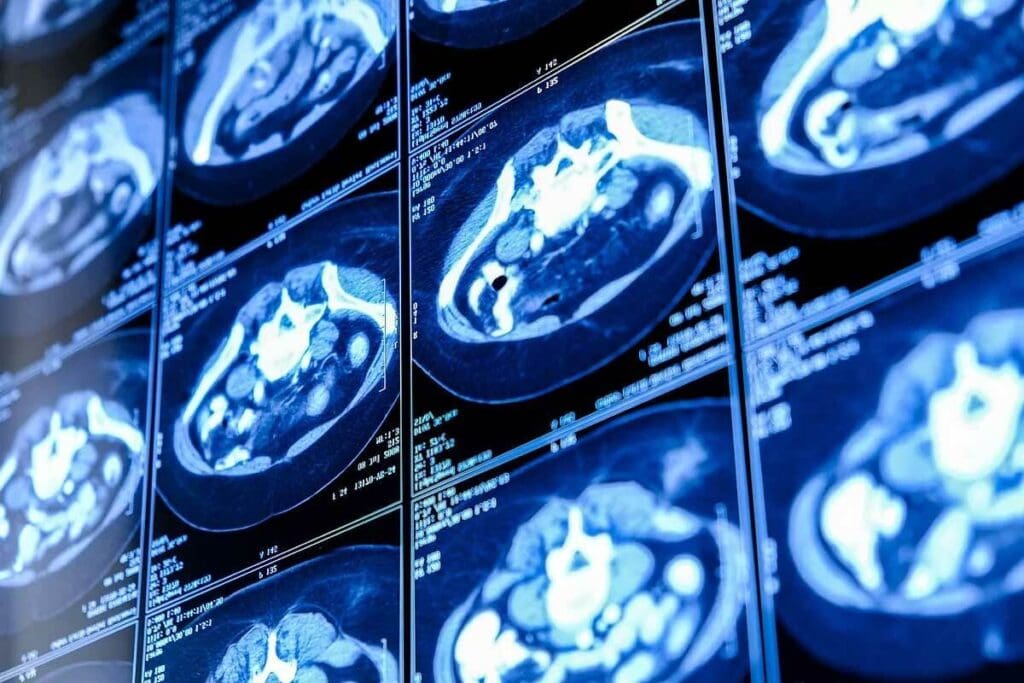
Getting ready for a nuclear kidney scan might seem scary, but you can feel more confident with the right prep. We know this test can make you nervous. So, we’re here to help you know what to expect.
A nuclear medicine scan for kidneys, or renal scan, is a test that doesn’t hurt. It uses a tiny bit of radioactive material to check how well your kidneys work. This test is key for finding out if there’s a problem with your kidneys, like a disease or blockages.
To make sure everything goes smoothly, it’s important to follow the prep steps. For example, you might need to drink lots of water before the test. Experts suggests drinking two glasses of water before your test time.
Key Takeaways
- Understand the purpose and process of a nuclear kidney scan.
- Follow specific preparation guidelines, such as hydration and possible medication changes.
- The test is noninvasive and uses a small amount of radioactive material.
- Results help diagnose kidney conditions, including disease and obstruction.
- Proper preparation ensures a smooth and successful test experience.
What Is a Nuclear Kidney Scan?
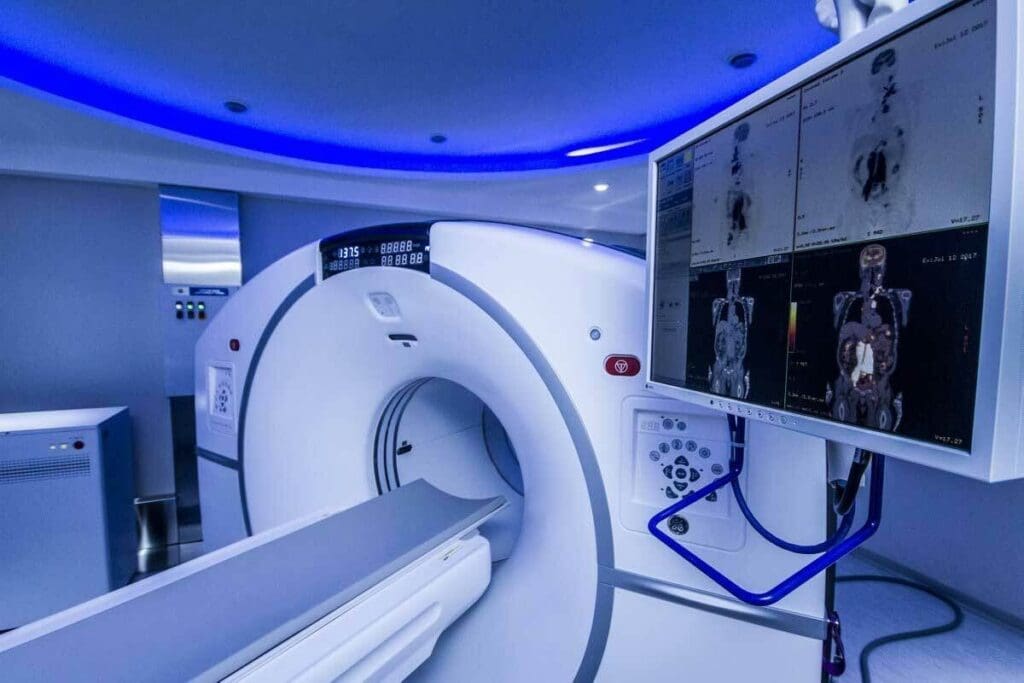
Healthcare experts often suggest a nuclear kidney scan to diagnose and manage kidney diseases. This tool gives insights into how well the kidneys work and their structure.
Definition and Purpose
A nuclear kidney scan is a detailed test that uses a small amount of radioactive material. This material, called a radiotracer, helps doctors check kidney function and structure. The goal is to spot kidney problems, like blockages or issues with how they work.
How Nuclear Medicine Imaging Works
Nuclear medicine imaging uses a radiotracer that the kidneys absorb. A special camera then takes detailed pictures of the kidneys. This lets doctors see how blood flows and urine drains, helping them find any problems.
Common Names and Terminology
This scan is also called a nuclear medicine renal scan and nm kidney scan. Knowing these names can help you understand the test better.
| Scan Type | Purpose | Information Provided |
| Nuclear Kidney Scan | Evaluate kidney function and structure | Assesses blood flow, urinary drainage, and detects obstructions or abnormalities |
| Nuclear Medicine Renal Scan | Diagnose kidney diseases and issues | Provides detailed images of kidney function and structure |
Knowing about nuclear kidney scans helps patients prepare. It also eases worries and makes the scan process smoother.
When Your Doctor Recommends a Nuclear Kidney Scan
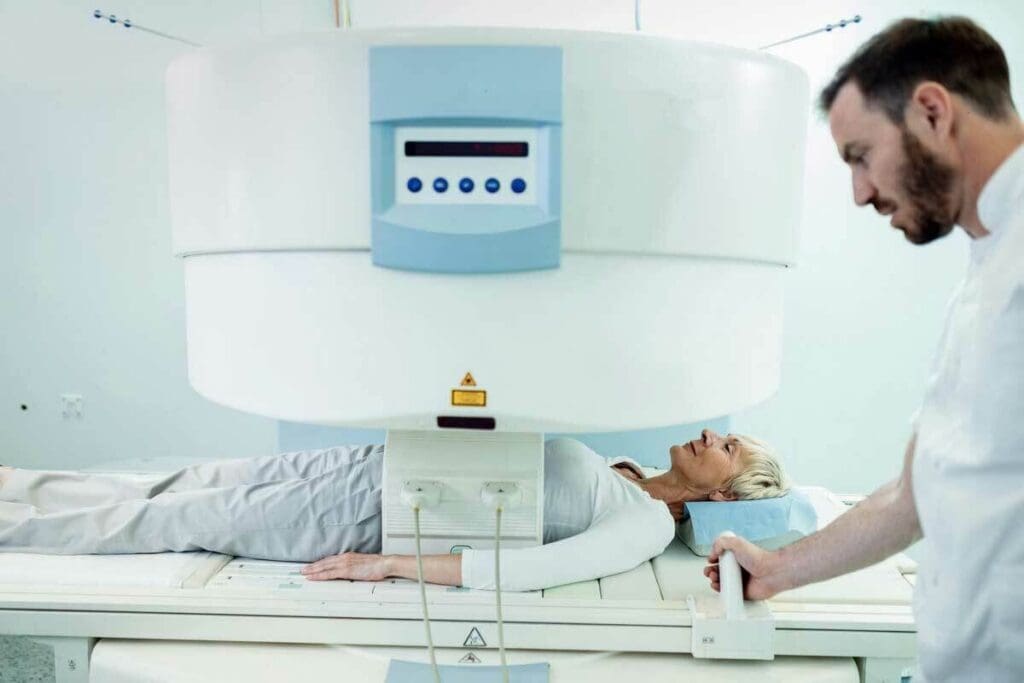
Your doctor might suggest a nuclear kidney scan for several reasons. This test is key for checking kidney health. It helps in many ways, like checking kidney function, finding blockages, and watching over transplants.
Evaluating Kidney Function
A nuclear kidney scan, also known as renal scintigraphy or kidney scintigraphy, is great for checking how your kidneys work. It uses a tiny bit of radioactive material to show detailed images of your kidneys. This helps doctors see how well your kidneys are doing.
This scan can spot problems like kidney function that’s not up to par or blockages in the urinary tract. It’s a big help in keeping your kidneys healthy and finding the right treatment if needed.
Diagnosing Renal Artery Stenosis
Renal artery stenosis is when the arteries to your kidneys become narrowed or blocked. A nuclear kidney scan can spot this by checking how well your kidneys are working and if there’s a drop in blood flow.
The scan shows how bad the stenosis is. Doctors can then figure out the best way to fix it. This might include more tests or procedures to get blood flowing right again.
Assessing Urinary Tract Obstructions
Blockages in the urinary tract can really hurt your kidneys if not fixed fast. A nuclear kidney scan can find these blockages by watching how urine moves from your kidneys to your bladder.
This info is key for finding problems like kidney stones or tumors that block urine flow. Doctors can then plan the right treatment based on how bad the blockage is.
Monitoring Kidney Transplants
People with a kidney transplant need regular checks to make sure the new kidney is working well. A nuclear kidney scan helps check the transplanted kidney’s function and catch any problems early.
This is super important for the transplant’s success. Renal scintigraphy lets doctors see how the kidney is doing and fix any issues quickly, helping the patient do better.
| Condition | Diagnostic Use of Nuclear Kidney Scan | Benefits |
| Kidney Function Evaluation | Assesses overall kidney function and identifies any issues | Helps decide on treatment and keeps an eye on kidney health |
| Renal Artery Stenosis | Finds narrowing or blockage of renal arteries | Helps figure out how serious it is and what to do next |
| Urinary Tract Obstructions | Finds blockages or obstructions in the urinary tract | Allows for quick action and treatment |
| Kidney Transplant Monitoring | Checks how well the transplanted kidney is working | Helps catch problems early and improves transplant success |
Types of Nuclear Kidney Scans and Their Purposes
Nuclear medicine offers various kidney scans for different needs. These scans help check how well the kidneys work and if there are any problems. They give doctors the info they need to care for patients better.
Renal Perfusion Scans
Renal perfusion scans look at blood flow to the kidneys. They’re key for spotting issues like renal artery stenosis. This can hurt kidney function a lot. Doctors use these scans to find and treat problems that might cause high blood pressure or kidney failure.
Diuretic Renal Scans
Diuretic renal scans use a diuretic to see how well the kidneys handle fluids. They’re great for finding blockages in the urinary tract and checking kidney health in people with kidney disease. The diuretic makes the kidneys work harder, giving a clearer picture of their function.
Before a diuretic renal scan, patients should drink plenty of water and avoid certain medications. This helps make sure the scan shows accurate kidney function.
Captopril Renal Scans
Captopril renal scans check how captopril affects kidney function. They’re mainly used to find renovascular hypertension, caused by narrowed arteries to the kidneys. By seeing how kidneys react to captopril, doctors can spot blood flow and function problems.
DMSA Renal Scans for Kidney Structure
DMSA renal scans give detailed views of the kidney’s structure. They help find scarring, cysts, or tumors. These scans are great for kids and when detailed kidney images are needed. They help doctors diagnose and manage many kidney issues.
In summary, different nuclear kidney scans—renal perfusion scans, diuretic renal scans, captopril renal scans, and DMSA renal scans—each have their own uses. They provide vital info on kidney function and structure. Knowing what each scan does helps doctors tailor care to each patient, improving health outcomes.
How to Prepare for Your Nuclear Kidney Scan: Procedure & Tips
At Liv Hospital, we know that getting ready for a nuclear kidney scan can feel scary. That’s why we’re here to help you every step of the way.
Getting ready for your scan is key to getting good results. Our expert team will give you specific steps to follow. We’ll tell you what foods to avoid and which medicines to skip.
By following our advice, you’ll be all set for your scan. You’ll know your results will be accurate. We’re here to support you every step of the way.
Key Takeaways
- Personalized instructions for scan preparation
- Dietary restrictions and medication guidance
- Expert care for accurate results
- Support throughout the scan process
- Clear answers and peace of mind
What Is a Nuclear Kidney Scan?
A nuclear kidney scan is a test that checks how well your kidneys are working. It uses tiny amounts of radioactive tracers. This test is non-invasive and helps doctors find any kidney problems.
This scan uses small amounts of radioactive materials, called radiopharmaceuticals. They are injected into your bloodstream. These materials go to your kidneys, letting a special camera see how they’re working.
The scan’s findings are key to diagnosing and treating kidney issues. It can spot blockages, scars, and areas where the kidneys aren’t working right.
Key Aspects of Nuclear Kidney Scans:
- Use of radioactive tracers to visualize kidney function
- Ability to assess kidney function and structure
- Helps in diagnosing kidney diseases and conditions
- Non-invasive and relatively safe
Here’s a comparison of different types of kidney scans and their primary uses:
| Scan Type | Primary Use |
| Renal Perfusion Scan | Evaluates blood flow to the kidneys |
| Diuretic Renal Scan | Assesses kidney function and drainage |
| Captopril Renal Scan | Helps diagnose renovascular hypertension |
Understanding what a nuclear kidney scan is can help patients prepare. It shows how important it is to check kidney health.
When Your Doctor Recommends a Nuclear Kidney Scan
When kidney problems show up, your doctor might suggest a nuclear kidney scan. This test helps them see how your kidneys are doing. It’s key for spotting any issues early on.
A nuclear kidney scan is great for checking out different kidney problems. It lets your doctor know how your kidneys work and look. This info is vital for deciding the best treatment for you.
Reasons for Recommending a Nuclear Kidney Scan
- Evaluating kidney function in patients with known kidney disease
- Diagnosing renal artery stenosis or other vascular issues affecting the kidneys
- Assessing urinary tract obstructions or blockages
- Monitoring the health of kidney transplants
Your doctor might suggest a nuclear kidney scan if you have symptoms like flank pain or blood in your urine. They might also recommend it if you have a kidney condition.
| Condition | How Nuclear Kidney Scan Helps |
| Kidney Disease | Evaluates kidney function and structure |
| Renal Artery Stenosis | Diagnoses vascular issues affecting kidney blood flow |
| Urinary Tract Obstruction | Assesses blockages in the urinary tract |
| Kidney Transplant | Monitors the health and function of the transplanted kidney |
Knowing why your doctor wants you to have a nuclear kidney scan can help you get ready. It’s a step towards understanding your kidney health better.
Types of Nuclear Kidney Scans and Their Purposes
There are many types of nuclear kidney scans. Each one checks different parts of kidney function and structure. They use special medicines and methods to show how well the kidneys are working.
Renal Perfusion Scans check blood flow to the kidneys. They help find problems like narrowed arteries that supply blood to the kidneys.
Diuretic Renal Scans use a diuretic to see how the kidneys handle fluids. This scan is great for spotting blockages in the urinary tract.
Captopril Renal Scans use the drug captopril to test kidney function. Captopril affects blood pressure and kidney function, making this scan key for diagnosing certain blood pressure issues.
DMSA Renal Scans look at the kidney’s structure. They use a medicine that sticks to the kidney’s outer layer. This scan is good for finding scars, infections, or other kidney problems.
Every nuclear kidney scan gives special info. Together, they give a full picture of kidney health. Knowing about these scans helps patients get ready for tests and understand their results better.
Preparing for Your Nuclear Kidney Scan: Essential Steps
Getting ready for a nuclear kidney scan is key to a smooth process and accurate results. We know it can feel scary, but being prepared helps a lot.
Before the Scan
- Inform Your Doctor: Let your doctor know about all the meds you’re taking, including vitamins and supplements. Some might need to stop before the scan.
- Hydration: Drinking water is important, but your doctor will tell you how much to drink before the scan.
- Allergies and Conditions: Tell your healthcare team about any allergies or health issues, like past reactions to dyes or tracers.
On the Day of the Scan
- Wear Comfortable Clothing: Pick loose, comfy clothes. You might need to change into a hospital gown.
- Arrive Early: Get there 15-20 minutes before your time to fill out any paperwork.
- Follow Instructions: Stick to any special directions from your healthcare team, like fasting or avoiding certain foods.
By taking these steps, you help make your nuclear kidney scan go well. This gives your healthcare team the info they need to help you.
The Nuclear Kidney Scan Procedure Explained
A nuclear kidney scan is a non-invasive test. It helps doctors check how well your kidneys work and their structure. It uses small amounts of radioactive materials to diagnose and monitor kidney conditions.
Before starting, we make sure you’re comfortable and ready. The scan begins with a radioactive tracer injected into a vein in your arm. This tracer is absorbed by your kidneys, helping to capture images of their function.
Key Steps in the Nuclear Kidney Scan Procedure:
- The injection of a radioactive tracer.
- Waiting for the tracer to be absorbed by the kidneys.
- Lying on a scanning table that moves under a gamma camera.
- The gamma camera captures images of the kidneys from various angles.
During the scan, you’ll lie on the scanning table and stay as you are. The gamma camera will rotate around you, taking detailed images of your kidneys. The whole process usually takes a few hours.
In some cases, more images might be taken after the first scan. This could involve waiting or getting a medication to help assess kidney function further.
“The nuclear kidney scan has become an indispensable tool in nephrology, guiding treatment decisions and improving patient outcomes.” – A nuclear medicine specialist
After the scan, you can go back to your normal activities. The radioactive tracer is usually out of your body within a few hours. Our medical team will give you instructions on what to do after the procedure.
Knowing about the nuclear kidney scan can help reduce anxiety. If you have questions or concerns, we’re here to support and guide you through it.
What Happens After Your Nuclear Kidney Scan
After your nuclear kidney scan, our team will guide you through what comes next. We know tests can make you anxious. So, we’re here to offer you care and support every step of the way.
Immediate Post-Scan Procedures
Right after the scan, we’ll watch you for any quick reactions to the used radiopharmaceutical. Usually, you can go back to your normal day quickly, unless your doctor says not to.
Hydration is Key
Drinking lots of water is key to getting rid of the radiopharmaceutical. We’ll tell you how to stay hydrated and what else to do after the scan.
Follow-Up and Results
A specialist will look at your scan images. Then, your doctor will talk to you about the results. They’ll tell you what to do next or what treatment you might need.
Potential Side Effects and Considerations
Nuclear kidney scans are usually safe, but some people might feel a metallic taste or flushing. These feelings don’t last long. If you’re worried or notice anything odd, call your doctor right away.
| Post-Scan Care | Description | Timeline |
| Monitoring | Short-term observation for reactions | Immediately after the scan |
| Hydration | Drink plenty of water to flush out the radiopharmaceutical | After the scan, ongoing |
| Results Discussion | Review of scan results with the doctor | Within a few days to a week |
Understanding Your Nuclear Kidney Scan Results
The results of your nuclear kidney scan will give you important insights into your kidney function and health.
After the scan, a specialist will look at the images to see how well your kidneys work. They will check how the radioactive tracer is absorbed and processed by your kidneys.
Key aspects that will be evaluated include:
- The overall function of your kidneys
- Any blockages or obstructions in the urinary tract
- The presence of any scars or damage to the kidney tissue
- The effectiveness of your current treatment plan
To help you understand your results, here’s a summary of what different outcomes might mean:
| Result– A nuclear medicine specialist | Possible Indication |
| Normal kidney function | No significant issues detected |
| Reduced kidney function | Potential kidney disease or damage |
| Blockage or obstruction | Possible urinary tract issues or kidney stones |
Talking to your healthcare provider about your results is key. They can explain what they mean and what to do next.
Your healthcare team will use the scan’s information to plan your treatment. They will make sure you get the best care for your condition.
Understanding your scan results helps you manage your kidney health better. You can make informed decisions about your care.
Safety and Radiation Considerations
Understanding the safety and radiation of a nuclear kidney scan can ease patient worries. We know that any medical test can be scary. It’s key to talk about these fears openly.
Nuclear kidney scans use small amounts of radioactive materials. These materials, called radiopharmaceuticals, help find kidney damage or disease. The radiation from these scans is generally safe. It’s similar to what you get from CT scans.
We take steps to lower radiation while getting clear images. We use the least amount of radiopharmaceutical needed. We also tailor the imaging for each patient.
Some important safety points include:
- Checking if patients are not pregnant or breastfeeding. The radiopharmaceuticals could harm the fetus or baby.
- Looking at patients for any allergies or sensitivities to the radiopharmaceuticals.
- Watching patients for any bad reactions during and after the test.
It’s reassuring to note that serious bad reactions to the radiopharmaceuticals are rare. But, like any test, there are risks. We weigh these risks against the benefits of getting the needed information.
We aim to make sure you feel safe and supported during your nuclear kidney scan. Our team is here to give you the best care. Your safety and comfort are our top priorities.
Conclusion: Approaching Your Nuclear Kidney Scan with Confidence
A nuclear kidney scan is a key tool for checking how well your kidneys work and their shape. Knowing what to expect can make you feel more confident during the scan.
We’ve covered the types of scans, their uses, and what happens during and after. Our aim is to help you feel ready and informed every step of the way.
At our place, we put your care first. Our team works hard to give you top-notch care and support. We want to make sure you get all the help you need during your tests.
Being ready and knowing what’s coming can help you relax and focus on your health. If you have any questions or worries about your scan, talk to your doctor.
FAQ
What is a nuclear kidney scan?
A nuclear kidney scan, also known as a renal scan, is a test. It uses a small amount of radioactive material. This helps check how well your kidneys work and their structure.
How long does a renal scan take?
A renal scan usually takes 1-3 hours. This time can vary based on the scan type and your condition.
What is the purpose of a nuclear medicine kidney scan?
This scan helps check kidney function and diagnose diseases. It also detects obstructions and monitors transplants.
What should I expect during a nuclear kidney scan procedure?
You’ll get a small amount of radioactive material injected into your vein. A gamma camera will then take images of your kidneys. You’ll need to lie very quietly and might be asked to drink water or take medication.
Is a nuclear kidney scan painful?
The scan itself isn’t painful. But you might feel some discomfort from the injection or staying very quiet for a long time.
What are the different types of nuclear kidney scans?
There are several types, like renal perfusion scans and diuretic renal scans. Each has its own purpose and use.
How do I prepare for a nuclear kidney scan?
You might need to fast or stop certain medications. Drinking plenty of water is also important. Your healthcare provider will give you specific instructions.
What are the risks associated with a nuclear kidney scan?
Risks are low, but include radiation exposure and allergic reactions. You might also experience minor side effects.
How will I receive my nuclear kidney scan results?
Your healthcare provider will discuss the results with you. This usually happens within a few days or at a follow-up appointment.
What is renal scintigraphy?
Renal scintigraphy is another name for a nuclear kidney scan. It uses radioactive material to check kidney function and structure.
What is a renal imaging test?
A renal imaging test, like a nuclear kidney scan, is used to see the kidneys. It helps assess their function and structure.
References
- Ravindra, S. G., & Yadav, R. K. (2022). Renal dynamic scintigraphy as a sensitive tool for diagnostic evaluation of urinoma: Case report and review. World Journal of Nuclear Medicine, 21(3), 247-251. https://www.ncbi.nlm.nih.gov/pmc/articles/PMC9380808/