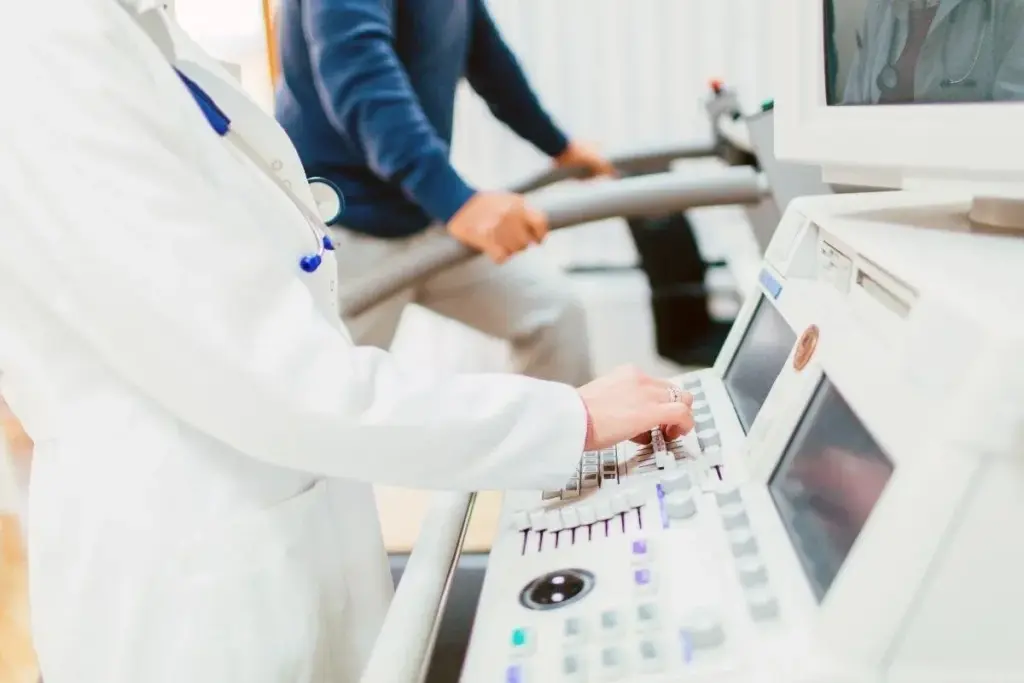
Can’t walk? Nuclear stress test procedure without treadmill is standard. Learn how drugs simulate exercise to check your heart health. Did you know that nearly 1 in 5 adults in the United States has some form of heart arrhythmia or irregular heartbeat? For many, diagnosing and managing these conditions requires a diagnostic tool known as the nuclear stress test. Traditionally, this involves walking on a treadmill to stress the heart. But for patients who can’t use a treadmill due to health issues, there are other ways.
We know that getting a nuclear stress test can be scary, even with new procedures. The good news is that medical technology has improved. Now, you can have this test without a treadmill, using other stress methods that work just as well.
Key Takeaways
- The nuclear stress test is a key tool for checking heart function under stress.
- There are other ways for patients who can’t do traditional treadmill tests.
- Cardiac arrhythmia and irregular heartbeat are big health concerns that might need a nuclear stress test.
- The test looks at the heart’s cardiac conduction system and overall health.
- Knowing what arrhythmia definition means is key for managing and treating it.
What Is a Nuclear Stress Test?
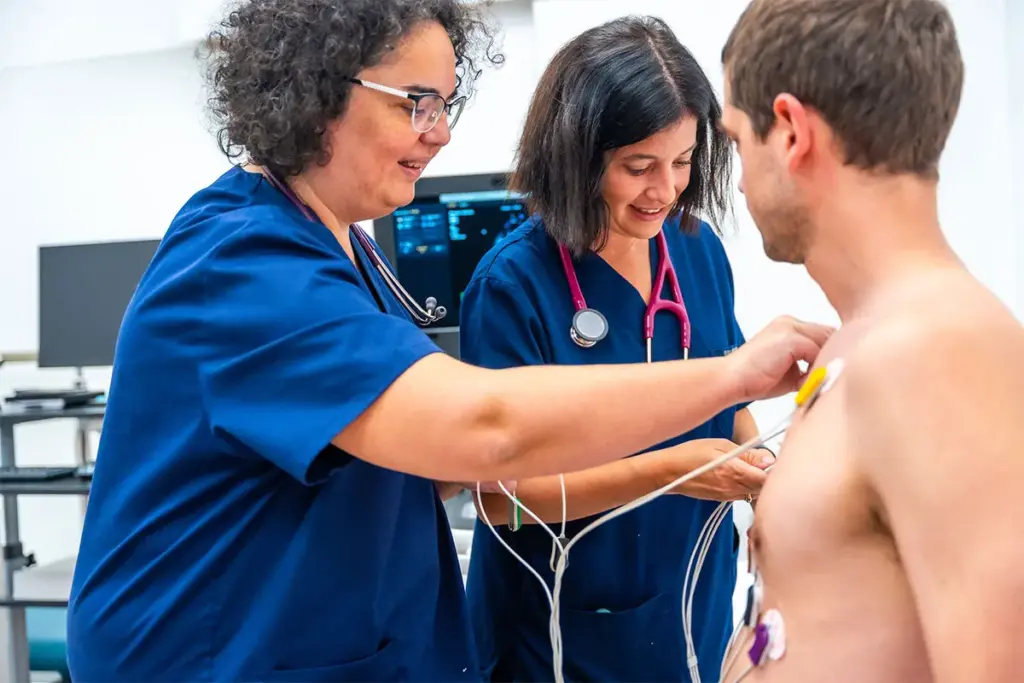
A nuclear stress test is a key tool for diagnosing heart issues. It checks how the heart works when it’s stressed, usually through exercise or medicine.
Definition and Purpose
The test uses a small amount of radioactive material to assess the heart’s blood flow and function. Its main goal is to spot problems with the heart’s blood supply, like blockages or muscle damage. Doctors say it’s great for finding coronary artery disease and understanding heart risks.
The test helps doctors make better treatment plans.
It’s very helpful for people with heart disease symptoms like heart palpitations or irregular heartbeat. It shows how the heart works under stress, helping doctors see its health and find problems early.
How It Differs from Traditional Stress Tests
Nuclear stress tests show more than just heart rate and rhythm. They use a radioactive tracer to make detailed images of the heart’s blood flow. This lets doctors see the heart’s function in a way traditional tests can’t.
One big difference is seeing the heart’s blood flow. This helps doctors spot heart arrhythmia and check the cardiac conduction system. Knowing how the heart reacts to stress helps doctors create the right treatment plans for each patient.
“The nuclear stress test has revolutionized the way we diagnose and manage heart disease, providing valuable insights into the heart’s function and blood flow.”
Why Would You Need an Alternative to a Treadmill Test?
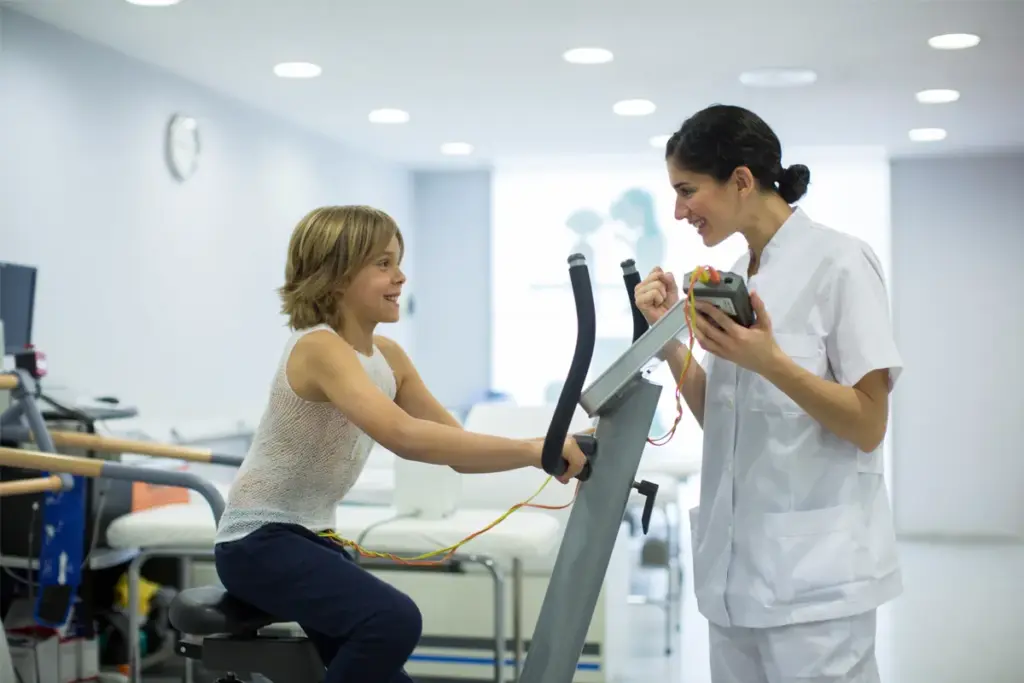
Healthcare providers use different methods when a treadmill test isn’t possible. This is due to health conditions or personal reasons. Not everyone can do a traditional stress test, so other ways are used to check the heart.
Health Conditions That May Prevent Treadmill Use
Some health issues make it hard or impossible to do a treadmill test. These include severe arthritis, recent injuries, or neurological disorders. Also, people with erratic heartbeat or heart palpitations might not be able to use a treadmill.
Those with cardiac dysrhythmia or getting abnormal heartbeat treatment need other tests. We look at each patient’s health to find the best test.
|
Health Condition |
Impact on Treadmill Test |
Alternative Diagnostic Approach |
|---|---|---|
|
Severe Arthritis |
Limits mobility and causes pain |
Nuclear Stress Test without Treadmill |
|
Recent Injuries |
Prevents strenuous exercise |
Pharmacological Stress Test |
|
Neurological Disorders |
Affects coordination and balance |
Cardiac Imaging Tests |
Patient Preferences and Concerns
What patients want also affects the choice of test. Some feel anxious or uncomfortable with traditional tests. We listen to our patients to find the best test for them.
We consider health and preferences to offer personalized care. Our aim is to give accurate diagnoses and effective treatments, no matter the test.
The Procedure of a Nuclear Stress Test Without Treadmill
We use a special method in a nuclear stress test without treadmill. It mimics the heart’s response to exercise. This is great for patients who can’t do a traditional treadmill test.
Overview of the Non-Exercise Method
The non-exercise test uses medicines to make the heart work like it’s exercising. It checks how well the heart works without needing the patient to exercise. The test is done in a safe, comfortable place.
A tiny amount of radioactive tracer is given to the patient. It goes to the heart muscle. Cameras then take pictures of the heart when it’s stressed and at rest. These pictures help us see how well the heart is working.
Use of Medications in the Process
Medicines are key in this test. We use drugs like adenosine and dobutamine to make the heart work hard. These medicines make the heart work like it’s exercising. The right medicine depends on the patient’s health.
These medicines help us find heart problems like coronary artery disease and arrhythmia. They help us see how the heart is doing. This way, we can plan the best treatment.
Common Medications Used in Nuclear Stress Testing
Medications play a big role in nuclear stress testing, mainly for those who can’t do regular exercise tests. These drugs make the heart work like it would during exercise. This helps doctors get accurate test results.
Adenosine: What You Need to Know
Adenosine is a key drug in nuclear stress tests. It makes blood vessels wider and boosts blood flow to the heart, just like exercise does. It’s great for people with health issues that stop them from doing regular stress tests.
Some people might feel side effects like flushing, chest pain, or trouble breathing from adenosine. But these usually go away soon after the test is over.
Dobutamine: Benefits and Considerations
Dobutamine is another drug used in these tests, mainly for those who can’t take adenosine or have certain health issues. It makes the heart beat faster and stronger, like exercise does. Dobutamine is good for people with specific heart problems or need a more personalized test.
Dobutamine is usually safe, but some might feel side effects like a racing heart, headaches, or nausea. Doctors keep a close eye on patients during the test to lessen these effects.
|
Medication |
Mechanism of Action |
Common Side Effects |
|---|---|---|
|
Adenosine |
Dilates blood vessels, increases blood flow |
Flushing, chest discomfort, shortness of breath |
|
Dobutamine |
Increases heart rate and contractility |
Palpitations, headache, nausea |
Comparing Nuclear Stress Tests to Other Diagnostic Tests
It’s important to know how nuclear stress tests differ from other tests for heart disease. Different tests can check how well the heart works. The right test depends on the patient’s health, medical history, and what doctors need to know.
Cardiac Magnetic Resonance Imaging (MRI)
Cardiac MRI is a safe test that shows the heart’s details without radiation. It uses strong magnetic fields and radio waves. This test is good for looking at the heart’s structure and how it works.
A big plus of cardiac MRI is it doesn’t use harmful radiation. But, it’s not for everyone. Patients with metal implants or those who are scared of tight spaces might not be able to have it.
Echocardiograms
Echocardiograms use sound waves to see the heart. They help doctors check the heart’s shape and how it works. Like nuclear stress tests, they can be done at rest or when the heart is working hard, but they don’t use radiation.
Echocardiograms are great for looking at heart valves and finding problems in the heart’s structure. They give important info about the heart. But, they might not show as much about heart disease as MRI or nuclear stress tests.
Looking at all the tests available, each has its own benefits. “The right test depends on many things,” says a top cardiologist. “Like the patient’s health, what doctors think might be wrong, and what they need to know.”
Benefits of a Nuclear Stress Test Without Treadmill
Nuclear stress tests without a treadmill are gaining popularity. They are safe, comfortable, and very accurate. These tests are great for patients who can’t do traditional stress tests.
Safety
Our patients’ safety is our top priority. These tests avoid the risks of falls or injuries from treadmill exercises. They’re perfect for those with mobility issues or health concerns.
They’re also great for patients with severe heart rhythm problems. This is because they don’t need to exercise, which can make these problems worse.
Comfort
These tests are also very comfortable. Patients find them less stressful than traditional tests. Medications simulate exercise, so patients don’t have to move much.
This makes the test less tiring and less stressful. It also helps manage any discomfort or side effects better.
Some key comfort benefits include:
- No need to exert oneself physically, reducing fatigue and stress.
- A more controlled environment, allowing for better management of patient comfort.
- The ability to monitor and address any discomfort or side effects promptly.
Accurate Diagnostic Capabilities
Nuclear stress tests are very accurate. They use advanced imaging and medications to see how the heart works. This helps find heart problems, even in those who can’t do traditional tests.
“The use of nuclear stress tests without treadmill exercise has revolutionized the way we diagnose and manage heart disease, providing a safe, comfortable, and highly accurate diagnostic tool.” –
A leading cardiologist
We think nuclear stress tests without a treadmill are very important. They help keep patients safe, comfortable, and get accurate diagnoses. This is how we give our patients the best care.
Risks and Side Effects to Consider
Nuclear stress tests are generally safe but can have risks and side effects. These are mainly due to the medications used and the radiation exposure. We will look into these to help you understand what to expect.
Potential Reactions to Medications
The drugs in nuclear stress tests, like adenosine and dobutamine, can cause side effects. Some common ones are flushing, chest pain, and shortness of breath. Rarely, more serious reactions can happen.
Radiation Exposure Concerns
Nuclear stress tests involve some radiation exposure. The risk of harm from this radiation is usually low. But, over time, it could slightly increase the risk of cancer.
To understand the risks of nuclear stress tests better, let’s look at a summary of side effects and risks in the table below:
|
Category |
Potential Risks/Side Effects |
Frequency |
|---|---|---|
|
Medication Reactions |
Flushing, Chest Pain, Shortness of Breath |
Common |
|
Medication Reactions |
Severe Allergic Reactions |
Rare |
|
Radiation Exposure |
Increased Cancer Risk |
Low |
It’s important for patients to talk to their healthcare provider about their risks and any worries before a nuclear stress test.
Preparing for Your Nuclear Stress Test
Getting ready for your nuclear stress test is important. Knowing what to do before can make the process smoother. It’s all about being well-prepared.
What You Should Do Before the Test
Before your test, we recommend that you:
- Avoid caffeine for at least 24 hours before the test. It can mess with the results.
- Wear comfy clothes and shoes that are right for the test setting.
- Tell your doctor about any meds you’re taking. Some might need to be changed or stopped.
Instructions on Diet and Medication
Dietary restrictions play a big role in test prep. You might be told to:
- Not eat or drink anything but water a few hours before the test.
- Stay away from foods and drinks that could mess with your heart rate or test results.
With medication management, it’s key to listen to your doctor. Some meds, like beta-blockers, might need to be stopped or changed before the test.
“It’s essential to follow the specific instructions provided by your healthcare provider regarding diet and medication to ensure the test’s success.”
Medical Guidelines
Interpreting the Results of a Nuclear Stress Test
Understanding nuclear stress test results is key to knowing what to do next. Getting test results can be stressful. It’s important to know what they mean for your heart health.
The nuclear stress test checks how well your heart works under stress. This stress is usually caused by medicine, not a treadmill.
Normal Results: What They Indicate
Normal results mean your heart works well under stress. This shows there’s no big problem with blood flow to your heart. Normal results are reassuring.
They suggest you don’t have serious heart disease. This is good news, as it means you’re less likely to have a heart attack or other serious heart issues.
Understanding Abnormal Findings
Abnormal results might show your heart isn’t getting enough blood. This could mean you have coronary artery disease. It’s essential to talk to your healthcare provider about these findings.
Abnormal results might mean you need more tests, to change your lifestyle, or to start treatment. This is to manage your condition well.
To understand your test results better, let’s compare normal and abnormal findings:
|
Result Type |
Indication |
Potential Next Steps |
|---|---|---|
|
Normal |
No significant coronary artery disease |
Continue with preventive care and lifestyle recommendations |
|
Abnormal |
Possible coronary artery disease or other heart issues |
Further testing, medication, or lifestyle changes |
Knowing your nuclear stress test results is important for heart health. If your results are abnormal, don’t panic. Work with your healthcare team to create a plan for you.
We’re here to help you every step of the way. We’ll guide and care for you to get the best results.
Frequently Asked Questions About Nuclear Stress Tests
Patients often wonder about the nuclear stress test, like how long it takes and if it hurts. We’re here to answer your top questions to get you ready.
Procedure Duration
The test usually lasts 3-4 hours. This includes getting ready, the test itself, and any extra images needed. The actual test part is about 15-30 minutes.
Potential Discomfort
Some might feel a bit uncomfortable, like heart arrhythmia or palpitations, because of the exercise-like medicine. But these feelings go away soon after. You might also feel an irregular heartbeat, but our team keeps a close eye on it. They might use a heart symbol to watch your heart’s rhythm.
Knowing what to expect can make you feel more at ease during the test. If you have more questions or worries, just ask our team.
FAQ
What is a nuclear stress test, and how does it differ from a traditional stress test?
A nuclear stress test uses a small amount of radioactive material. It shows the heart and its blood vessels. Unlike a traditional stress test, it gives detailed images of the heart’s function and blood flow.
Why might I need a nuclear stress test without a treadmill?
You might need this test if you can’t exercise on a treadmill. This could be due to health issues or personal reasons.
What medications are used during a nuclear stress test without a treadmill?
Adenosine and dobutamine are the medications used. They make the heart work like it would during exercise, helping assess its function.
How do I prepare for a nuclear stress test?
To prepare, follow dietary and medication instructions from your doctor. This might mean avoiding certain foods and drinks and adjusting your meds.
What are the possible risks and side effects of a nuclear stress test?
Risks include reactions to the medications and concerns about radiation. Your doctor will talk about these risks with you.
How long does a nuclear stress test procedure take?
The test usually takes several hours. This includes preparation, the test itself, and recovery time.
Will I feel any discomfort during the nuclear stress test?
You might feel some discomfort, like flushing or shortness of breath, due to the medications. But these effects are usually short-lived.
What do normal results from a nuclear stress test mean?
Normal results mean your heart is working well. There are no major issues with blood flow or cardiac function.
What do abnormal results from a nuclear stress test mean?
Abnormal results might show problems with the heart, blood flow, or coronary artery disease. Your doctor will explain what this means and what to do next.
How do nuclear stress tests compare to other diagnostic tests, such as cardiac MRI or echocardiograms?
Nuclear stress tests offer unique insights into cardiac function and blood flow. They can work alongside tests like cardiac MRI or echocardiograms. The right test depends on what your doctor needs to diagnose and treat you.
National Center for Biotechnology Information. Evidence-Based Medical Insight. Retrieved from https://pubmed.ncbi.nlm.nih.gov/23868605/