
Changing your body by losing fat and building muscle at the same time is possible. Liv Hospital uses science-backed nutrition strategies. We know that getting the right body shape needs personalized advice based on the latest nutrition science.
Experts say you can gain muscle and lose fat together with the right plan. Resistance training helps grow muscles and can also increase your resting metabolic rate (RMR). This makes it a key part of a good body recomposition plan.
The ultimate ‘nutrition plan for building muscle.’ Our simple, powerful guide gives you the best, proven foods and macros for amazing, lean gains.
Key Takeaways
- A well-planned nutrition strategy is key for gaining muscle and losing fat at the same time.
- Resistance training is vital for muscle growth and can also raise your resting metabolic rate.
- Enough protein is important for muscle building.
- It’s important to balance calorie management and focused training.
- Getting advice from healthcare experts can greatly help your body recomposition journey.
The Science of Body Recomposition
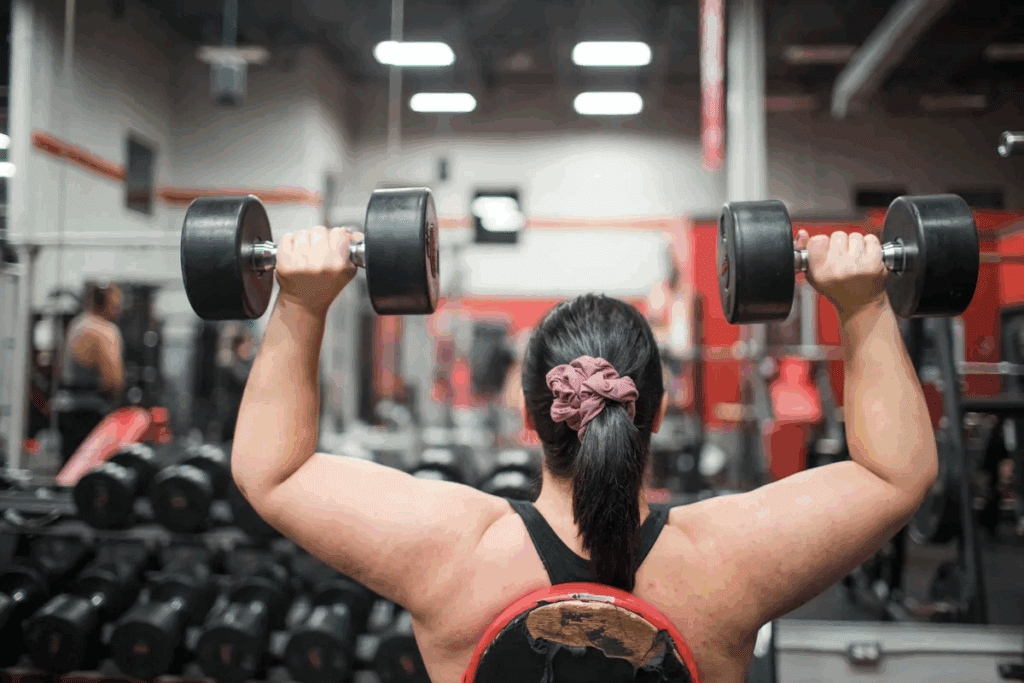
To build muscle and lose fat, understanding body recomposition is key. It’s about balancing what you eat, how you train, and how you recover. Research shows that eating enough protein is vital for muscle growth and body shape.
Understanding Simultaneous Muscle Growth and Fat Loss
Body recomposition is hard but doable. It’s about knowing how diet and exercise work together. Studies say eating enough protein helps keep muscle while losing weight.
To succeed in body recomposition, you need the right nutrition. This means not just enough protein but also the right calories and nutrients. A diet that supports muscle growth and fat loss is essential.
Why Traditional Bulk and Cut Cycles May Be Suboptimal
For years, bodybuilders have followed bulk and cut cycles. But these cycles have their downsides. Bulking can lead to too much fat, and cutting can slow muscle growth.
A better way is body recomposition. It lets you grow muscle while keeping fat off. This method needs a good balance of nutrition and training. Eating protein-rich meals can help you reach your goals.
Nutrition Plan for Building Muscle While Losing Fat
A good nutrition plan is key to changing your body. You need the right mix of nutrients to grow muscle and lose fat. We’ll cover the main parts of a plan that helps balance both.
Caloric Requirements for Body Recomposition
To grow muscle and lose fat, knowing your daily calorie needs is important. Your body needs a certain amount of calories to build muscle and lose fat. Getting advice from a healthcare professional or dietitian is key to finding the right calorie intake for you.
When trying to build muscle, eating a bit more than you need is a good start. But don’t eat too much or you won’t lose fat. Aim for an extra 250-500 calories above what you need to maintain your weight.
| Activity Level | Caloric Intake for Muscle Gain | Caloric Intake for Fat Loss |
|---|---|---|
| Sedentary | 2,500 + 250 calories | 2,500 – 500 calories |
| Moderately Active | 2,800 + 250 calories | 2,800 – 500 calories |
| Very Active | 3,000 + 250 calories | 3,000 – 500 calories |
Macronutrient Distribution Fundamentals
How you distribute proteins, carbs, and fats is very important. Protein is key because it helps build muscle.
A good mix is:
- 1.6-2.2 grams of protein per kilogram of body weight
- 2-3 grams of carbohydrates per kilogram of body weight
- 0.5-1 gram of healthy fats per kilogram of body weight
“The distribution of protein throughout the day is equally important, as evenly distributed protein intake across meals promotes greater overall muscle protein synthesis.” –
Nutrition Expert
Setting Realistic Expectations
Setting realistic goals is important when trying to build muscle and lose fat. It takes time, patience, and consistent effort. It’s not a quick fix but a long-term strategy that requires dedication to both nutrition and training.
It’s wise to talk to a doctor, fitness instructor, or dietitian for advice on daily calories. Getting personalized advice can greatly help your body recomposition journey.
Protein: The Cornerstone of Muscle Development
Protein is key for building muscle and fixing muscle damage. It’s vital for those trying to gain muscle while losing fat. A diet rich in protein is not just good—it’s necessary.
Research-Backed Protein Requirements
Studies show that 1.6 to 2.2 grams of protein per kilogram of body weight daily is best for muscle growth. This amount helps repair and grow muscles.
For example, someone who weighs 70 kilograms should eat 112 to 154 grams of protein each day. Eating this amount in several meals keeps your body in a positive nitrogen balance. This is important for muscle growth.
| Body Weight (kg) | Minimum Protein Intake (g) | Maximum Protein Intake (g) |
|---|---|---|
| 60 | 96 | 132 |
| 70 | 112 | 154 |
| 80 | 128 | 176 |
High-Quality Protein Sources
Not all proteins are the same. High-quality proteins have all the amino acids needed for muscle growth. These include:
- Lean meats such as chicken and turkey
- Fish like salmon and tuna
- Eggs
- Dairy products, including milk and Greek yogurt
- Protein shakes, like those made from whey protein
“The quality of protein is just as important as the quantity. Ensuring that your diet includes a variety of high-quality protein sources can significantly impact your muscle-building efforts.”
Optimal Protein Distribution Throughout the Day
Eating protein at regular intervals is key for muscle growth. Aim for 20-30 grams of protein per meal. Space out your meals every 3-4 hours.
This approach not only aids in muscle growth but also keeps your muscles healthy. It helps maintain a positive nitrogen balance.
Here’s an example of how you could distribute your protein intake:
- Breakfast: 30 grams (e.g., 3 eggs, Greek yogurt)
- Lunch: 40 grams (e.g., grilled chicken, fish)
- Dinner: 50 grams (e.g., lean beef, lentils)
- Before Bed: 20-30 grams (e.g., casein protein shake)
By choosing high-quality proteins and spreading them out, you can improve muscle development while losing fat.
Strategic Calorie Management for Optimal Results
To get the best results in body recomposition, knowing how to manage calories is key. This means using several strategies to grow muscle and lose fat at the same time.
Finding Your Maintenance Calorie Level
Finding your maintenance calorie level is the first step in any good body recomposition plan. It’s the number of calories your body needs to function without exercise. You can find this number using online calculators or by talking to a nutritionist.
After you have an estimate, track how many calories you eat and your weight for a while. You might need to make small changes based on how active you are or how well you’re meeting your goals.
Calorie Cycling: Implementation Strategies
Calorie cycling means switching between different calorie levels. This helps grow muscle on high-calorie days and lose fat on low-calorie days. It keeps your metabolism active and prevents plateaus.
To do calorie cycling well, decide on your high and low calorie days based on your workout schedule. Eat more on training days to help muscles grow and recover. Eat less on rest days to help lose fat.
| Day Type | Calorie Intake | Purpose |
|---|---|---|
| Training Day | High Calorie | Support Muscle Growth and Recovery |
| Rest Day | Low Calorie | Promote Fat Loss |
Refeeds and Diet Breaks: When and How
Refeeds and diet breaks are important for keeping your metabolism healthy. They prevent the negative effects of eating too little for too long, like feeling hungrier and having lower energy.
A refeed is when you eat more calories for a day or two, usually after eating less. Diet breaks are longer, 1-2 weeks, to let your body recover and reset.
Key Considerations:
- Plan refeeds around intense training days or social events.
- Use diet breaks when progress stalls or when you feel fatigued.
- Monitor your body’s response and adjust the frequency and duration as needed.
By using these calorie management strategies, you can improve your body recomposition journey. You’ll get leaner and stronger, and avoid hitting a plateau or slowing down your metabolism.
Carbohydrates: Performance Fuel for Muscle Growth
To grow muscles, knowing how carbs work in your diet is key. Carbs are more than energy; they’re vital for building muscles.
The Protein-Sparing Effect of Carbohydrates
Carbs have a protein-sparing effect. They help keep protein for muscle repair and growth, not for energy. With enough carbs, your body won’t use muscle protein for fuel.
“The presence of carbohydrates in the diet helps to spare protein from being used as energy, allowing it to be used for its primary function: muscle protein synthesis.”
Carb Timing Around Workouts
When you eat carbs around workouts, you boost performance and recovery. Eating carbs before a workout gives you the energy for hard training.
- Pre-workout: Eat complex carbs like whole grains or starchy veggies 1-3 hours before training.
- Post-workout: Drink simple carbs, like fruits or sports drinks, within 30-60 minutes after to refill glycogen.
Carbohydrate Sources and Quality
Not all carbs are the same. Choose whole, unprocessed foods like whole grains, fruits, and veggies. They give you carbs, vitamins, minerals, and fiber.
| Carbohydrate Source | Examples | Benefits |
|---|---|---|
| Whole Grains | Brown rice, quinoa, whole wheat bread | Rich in fiber, vitamins, and minerals |
| Fruits | Apples, bananas, berries | High in antioxidants, vitamins, and natural sugars |
| Starchy Vegetables | Sweet potatoes, corn, peas | Rich in vitamins, minerals, and complex carbohydrates |
By knowing carbs’ role and how to use them, you can boost muscle growth and performance.
Dietary Fats: Supporting Hormonal Health
Dietary fats play a big role in keeping our hormones in check. They give us energy and help us absorb vitamins. They also help make hormones.
Essential Fatty Acids for Recovery and Hormone Production
Essential fatty acids (EFAs) are key for recovery and hormone making. Our bodies can’t make them, so we need to eat them. Omega-3 and omega-6 fatty acids help fight inflammation and keep our hearts healthy.
Omega-3 fatty acids are found in fish, nuts, and seeds. They’re good for our brains and help make hormones that control our body’s functions.
“The importance of omega-3 fatty acids in reducing inflammation and supporting heart health is well-documented.” –
Nutrition Expert
Optimal Fat Sources and Daily Requirements
Good fats come from nuts, seeds, avocados, and fatty fish. These foods are full of healthy fats and other important nutrients.
| Food Source | Fat Content | Nutritional Benefits |
|---|---|---|
| Salmon | High in omega-3 | Rich in protein, vitamin D |
| Almonds | Rich in healthy fats | High in vitamin E, magnesium |
| Avocado | Rich in monounsaturated fats | High in fiber, potassium |
Balancing Omega-3 and Omega-6 Fatty Acids
It’s important to balance omega-3 and omega-6 fatty acids for good health. Too much of one can cause problems. Aim for a ratio of 1:1 to 4:1 omega-6 to omega-3.
To get this balance, eat more omega-3 foods. Cut down on processed foods that have a lot of omega-6.
Meal Timing and Frequency Strategies
Meal timing and frequency are key to a good body recomposition plan. Knowing how to use them can help grow muscle and lose fat.
Pre and Post-Workout Nutrition Windows
Nutrition before and after workouts is very important. Eating the right foods pre-workout boosts energy and endurance. Afterward, it helps muscles recover and grow.
“Proper nutrition before and after exercise can significantly impact the effectiveness of your workout and your body’s ability to recover,” as noted by sports nutrition experts. Adequate protein and carbs around workouts support muscle growth and energy replenishment.
- Pre-workout: Focus on complex carbohydrates and protein to fuel your workout.
- Post-workout: Prioritize protein and carbohydrates to support recovery and muscle growth.
Meal Frequency: Science vs. Practicality
The debate on meal frequency is about boosting metabolism and muscle growth. Some studies say more meals can help keep muscles positive. Others say it’s about the total intake, not how often you eat.
From a practical view, meal frequency should fit your lifestyle. Some find eating small, frequent meals helps with hunger and recovery. Others prefer eating less often.
Intermittent Fasting for Body Recomposition
Intermittent fasting (IF) is popular for weight loss and better health. It involves fasting or eating less, then eating more.
Research shows IF can help with body recomposition by improving insulin sensitivity and fat burning. It’s important to eat nutrient-rich foods during eating times to support muscle growth and health.
“Intermittent fasting can be a viable strategy for body recomposition when combined with appropriate nutrition and training,” according to recent research findings.
In conclusion, meal timing and frequency are vital for body recomposition. Understanding pre and post-workout nutrition, considering meal frequency, and using intermittent fasting can optimize your nutrition plan. This helps achieve your goals.
Supplementation for Enhanced Body Recomposition
Supplements are key in helping with body recomposition. They boost muscle growth and fat loss. A balanced diet is essential, but supplements can offer extra support to reach goals.
Evidence-Based Supplements for Muscle Growth
Several supplements are backed by science for muscle growth. Protein shakes are very popular and effective. They help meet daily protein needs, which is vital for muscle building. Experts say to aim for 1.6-2.2 grams of protein per kilogram of body weight daily.
Other proven supplements include:
- Creatine Monohydrate: Boosts strength and endurance in intense workouts.
- Beta-Alanine: Helps delay muscle fatigue, allowing for more intense training.
- BCAA (Branched-Chain Amino Acids): Supports muscle recovery and growth.
Fat Loss Support Supplements
For fat loss, some supplements can help by boosting metabolism or reducing appetite. Effective fat loss supplements include:
- Green Tea Extract: Boosts metabolism.
- Conjugated Linoleic Acid (CLA): May reduce body fat.
- Garcinia Cambogia: May help suppress appetite.
Remember, these supplements should be used with a calorie-controlled diet and regular exercise for best results.
Supplement Timing and Dosages
When and how much you take supplements matters a lot. For example, drinking protein shakes within an hour after working out helps with muscle recovery. Taking creatine monohydrate before and after workouts can also boost its effects.
| Supplement | Recommended Dosage | Timing |
|---|---|---|
| Protein Shakes | 20-30 grams | Within 1 hour post-workout, and before bedtime |
| Creatine Monohydrate | 3-5 grams | Before and after workouts |
| Beta-Alanine | 2-4 grams | 30 minutes before workouts |
In summary, while supplements are not a replacement for a healthy diet and exercise, they can help with body recomposition. Choosing the right supplements and following the right timing and dosages can enhance muscle growth and fat loss.
Hydration and Micronutrients for Optimal Performance
To get the best results, it’s key to focus on staying hydrated and getting enough micronutrients. Drinking enough water helps with physical performance and recovery. Micronutrients, like vitamins and minerals, are important for muscle growth and health.
Water Requirements for Training and Recovery
Staying hydrated is a must for anyone who exercises regularly. How much water you need depends on how hard you’re working out and where you are. Most people should drink 8-10 glasses of water a day, but this can change based on your personal needs.
Hydration Tips:
- Drink water before, during, and after workouts to stay hydrated.
- Check your urine color to see if you’re drinking enough water; it should be pale yellow.
- Try to limit caffeine and alcohol because they can dry you out.
Essential Vitamins and Minerals for Muscle Growth
Vitamins and minerals are key for many body functions, including growing muscles and recovering. Some important ones include:
| Micronutrient | Role in Muscle Growth | Food Sources |
|---|---|---|
| Vitamin D | Helps control calcium levels, which is good for muscles. | Fatty fish, fortified dairy, and sunlight. |
| Magnesium | Helps muscles contract and relax. | Nuts, seeds, whole grains, and dark leafy greens. |
| Iron | Important for carrying oxygen to muscles. | Red meat, poultry, fish, beans, and fortified cereals. |
Eating a balanced diet or taking supplements can help with muscle growth and better performance.
Electrolyte Balance and Performance
Electrolytes like sodium, potassium, and calcium are vital for muscle function and staying hydrated. If you don’t have the right balance, you might get muscle cramps, feel tired, and perform worse.
Maintaining Electrolyte Balance:
- Eat foods high in electrolytes like bananas and avocados.
- Use electrolyte supplements or sports drinks during long or hard workouts.
- Watch how much you’re losing and adjust your intake based on that.
By focusing on staying hydrated and getting the right nutrients, you can improve your performance and help your body change in the way you want.
7-Day Body Recomposition Meal Plan
Creating a meal plan for body recomposition means knowing what you need on training and rest days. A good meal plan helps you lose fat and build muscle at the same time.
Training Day Nutrition Blueprint
On training days, you need food that helps your muscles grow and gives you energy. A balanced meal with protein, complex carbs, and healthy fats is key.
Here’s what a training day meal plan might look like:
- Breakfast: Overnight oats with banana, almond milk, and peanut butter
- Lunch: Grilled chicken breast with quinoa and steamed veggies
- Pre-workout Snack: Apple slices with almond butter
- Post-workout Shake: Whey protein with dextrose
- Dinner: Grilled salmon with sweet potato and green beans
Rest Day Nutrition Adjustments
On rest days, your diet changes a bit. You might eat fewer calories because you’re not burning as much energy. But don’t forget to eat enough protein to help your muscles recover and grow.
| Meal | Training Day | Rest Day |
|---|---|---|
| Breakfast | Overnight oats (400 calories, 30g protein) | Greek yogurt with berries (300 calories, 20g protein) |
| Lunch | Grilled chicken breast with quinoa (500 calories, 50g protein) | Turkey and avocado wrap (450 calories, 35g protein) |
| Dinner | Grilled salmon with sweet potato (500 calories, 40g protein) | Chicken stir-fry with brown rice (400 calories, 30g protein) |
Meal Prep Tips for Consistency
Meal prep is key to sticking to your meal plan. It stops you from grabbing unhealthy food at the last minute. Plan meals around your workouts, cook big batches, and use the right containers to store them.
By following this 7-day meal plan and adjusting your diet for training and rest days, you can reach your body recomposition goals.
Conclusion: Sustainable Practices for Long-Term Success
Getting and keeping a good body shape needs a long-term plan and dedication. A good bodybuilding nutrition plan is key.
Staying consistent is very important. A short break from working out can cause big losses in muscle size. Studies show that just a five-day break can make a big difference.
To keep up with body recomposition, we need a balanced diet, regular workouts, and a healthy lifestyle. This way, we can keep the results we got from our nutrition plan.
Good practices, like eating the right amounts of food and managing calories, help a lot. They support our health and fitness goals.
By sticking to these practices and staying committed, we can get lasting results in our body recomposition journey.
FAQ
What is body recomposition, and how does it differ from traditional bulk and cut cycles?
Body recomposition means gaining muscle and losing fat at the same time. It’s different from traditional bulk and cut cycles. Those cycles switch between eating more and eating less. Body recomposition needs a balanced diet and workout plan.
How much protein do I need for muscle growth and maintenance?
You need 1.6-2.2 grams of protein for every kilogram of your body weight. This helps grow and keep muscle. Eat high-quality proteins like lean meats, fish, eggs, and dairy.
What is the role of carbohydrates in muscle growth, and how should I time my carb intake?
Carbs give you energy for workouts and help repair muscles. Eat carbs around your workouts. Choose complex, nutrient-rich sources.
How do I manage my calorie intake for body recomposition?
To manage calories, find your maintenance level. Use calorie cycling and refeeds. This helps grow muscle and avoid fat gain.
What is the importance of dietary fats in supporting hormonal health?
Fats are key for hormone health, which helps with muscle growth and fat loss. Eat healthy fats like nuts, seeds, avocados, and olive oil. Balance your omega-3 and omega-6 intake.
How often should I eat to support muscle growth and body recomposition?
Eating frequency varies by person. Some eat more often to grow muscle. Others use intermittent fasting for body recomposition.
What supplements can help support muscle growth and fat loss?
Good supplements for muscle growth are protein powder, creatine, and HMB. For fat loss, try green tea extract and CLA. Always talk to a doctor before starting new supplements.
How important is hydration for muscle growth and performance?
Drinking enough water is vital for muscle growth and performance. Stay hydrated all day, more so during and after workouts.
What is the best diet for muscle gain and fat loss?
Eat a balanced diet with enough protein, carbs, and fats. A tailored nutrition plan is best for your goals.
How can I maintain consistency with my nutrition plan?
Meal prep helps keep your nutrition plan consistent. Prepare meals ahead, use containers, and plan for rest days and quick meals.
What are the benefits of a high protein diet plan for muscle gain?
A high protein diet supports muscle growth and repair. Aim for 1.6-2.2 grams of protein per kilogram of body weight daily.
How can I balance my macronutrient intake for body recomposition?
Find the right protein, carb, and fat balance for muscle growth and fat loss. A healthcare professional or dietitian can help find the best ratio for you.
References
National Center for Biotechnology Information. Evidence-Based Medical Guidance. Retrieved from https://www.ncbi.nlm.nih.gov/pmc/articles/PMC5075241/