Open-heart surgery is a significant and complex medical procedure. It means making a big cut in the chest to work on the heart. It’s very serious because it can lead to serious risks and complications. How serious is it? Understand the crucial open heart surgery seriousness and the powerful risks associated with this major operation today.
But, many people have this surgery and get better. Understanding the procedure helps alleviate anxiety for patients.
Key Takeaways
- Open-heart surgery is a major medical procedure with significant risks.
- Understanding the procedure can help alleviate patient concerns.
- Many patients recover successfully from open-heart surgery.
- Patient education is key to managing expectations and outcomes.
Understanding Open-Heart Surgery
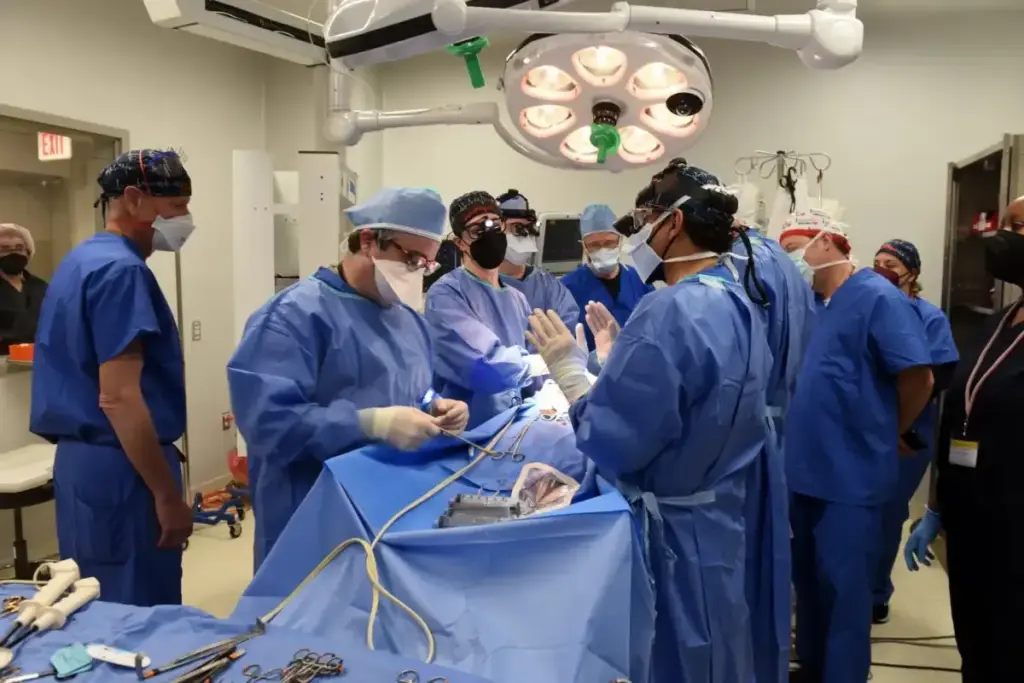
Open-heart surgery is key for those with heart issues needing surgery. It involves opening the chest to reach the heart. This surgery includes many procedures.
Definition and Common Types
Open-heart surgery means opening the chest to work on the heart. The main types are Coronary Artery Bypass Grafting (CABG) and valve repair or replacement.
Coronary Artery Bypass Grafting (CABG)
CABG helps blood flow to the heart by bypassing blocked arteries. It’s a common surgery for adults.
Valve Repair or Replacement
Valve surgery fixes heart valve issues like stenosis or regurgitation. It can involve repairing or replacing the valve with a mechanical or biological one.
When Open-Heart Surgery is Necessary
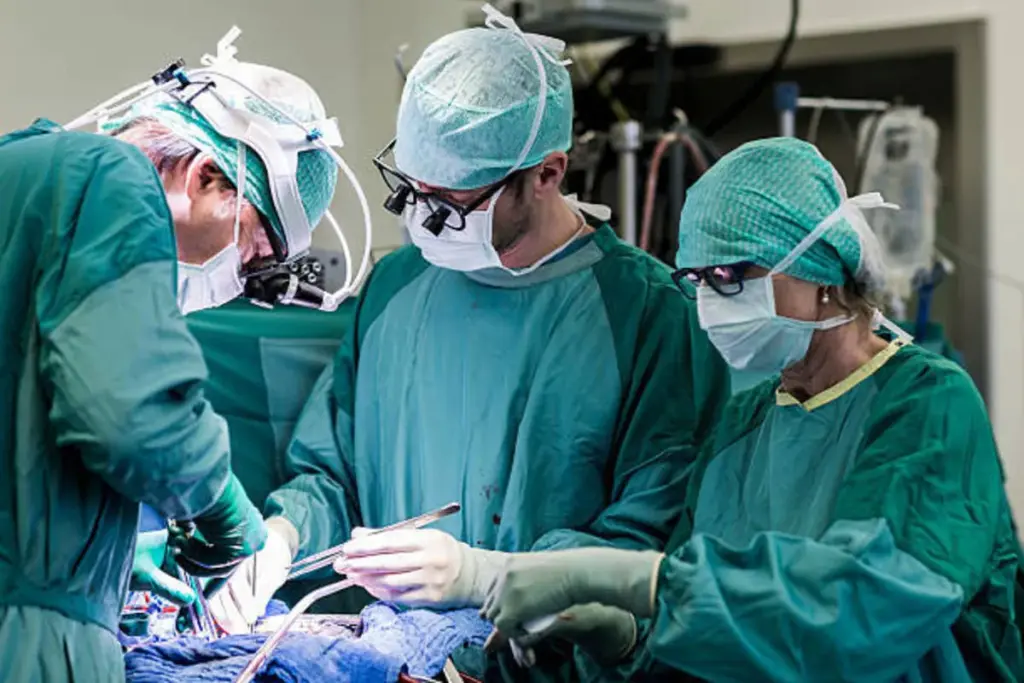
Open-heart surgery is needed for many heart issues. These include coronary artery disease, valve problems, and heart failure. The choice to have surgery depends on the condition’s severity and the patient’s health.
Medical Conditions Requiring Intervention
Conditions like coronary artery disease, valve disorders, and heart failure may need surgery. The surgery type varies based on the condition.
Emergency vs. Planned Procedures
Open-heart surgery can be urgent or planned. Urgent cases happen suddenly, while planned ones are scheduled. The urgency depends on the patient’s condition and heart problem severity.
|
Condition |
Type of Surgery |
Urgency |
|---|---|---|
|
Coronary Artery Disease |
CABG |
Planned/Emergency |
|
Valve Disorders |
Valve Repair/Replacement |
Planned/Emergency |
|
Heart Failure |
Various |
Planned/Emergency |
Open Heart Surgery Seriousness
Open-heart surgery is a significant and complex medical procedure. It’s a major operation that treats heart problems like coronary artery disease and heart valve issues. It’s also used for congenital heart defects.
Classification as a Major Operation
Open-heart surgery is seen as a major operation. It’s complex and affects the body a lot.
This isn’t just about the surgery itself. It’s also about how well the patient recovers.
Comparison to Other Surgical Procedures
Compared to other surgeries, open-heart surgery takes longer to recover from. It also has a higher risk of complications. The use of a heart-lung bypass machine makes it even more complex.
Mortality and Success Rates
The success of open-heart surgery depends on many things. This includes the patient’s age, health, and the condition being treated. Most patients do well after surgery.
Statistical Outcomes by Age and Condition
Younger patients with fewer health issues tend to do better. For example, those under 70 with minimal health problems have lower death rates. Older patients or those with more health issues face higher risks.
The type of surgery also affects the outcome. Some procedures have better success rates than others.
Preparing for Open-Heart Surgery
The journey to a successful open-heart surgery starts with thorough pre-operative care. This stage is key to spotting risks and making sure the patient is ready for surgery.
Medical Evaluations and Tests
Patients go through many medical tests before surgery. These tests check their overall health. They help find any health issues that might affect the surgery or recovery.
Lifestyle Adjustments Before Surgery
Patients also need to make lifestyle changes before surgery. This includes managing their medications and sticking to certain diets.
Medication Management
Patients might need to change or stop some medications before surgery. This is decided with their doctor’s advice.
Dietary Restrictions
Eating well is important before surgery. Patients are told to eat a balanced diet rich in nutrients to help them recover.
|
Test/Evaluation |
Purpose |
|---|---|
|
Echocardiogram |
Assesses heart function |
|
Electrocardiogram |
Monitors heart rhythm |
|
Blood Tests |
Evaluates overall health |
The Surgical Procedure
Open-heart surgery is a detailed process. It involves many important steps that need skill and care. The goal is to fix or replace parts of the heart that are not working right.
Anesthesia Risks and Management
Anesthesia is key in open-heart surgery. It keeps the patient comfortable during the surgery. But, there are risks like allergic reactions and heart problems. To manage these risks, doctors carefully check the patient before surgery and watch them closely during it.
Bypass Support Systems
A heart-lung bypass machine is a big part of open-heart surgery. It takes over the heart and lungs’ jobs. This lets the surgeons work on a heart that’s not beating. It’s very important for the surgery’s success.
Surgical Complexity Factors
The complexity of open-heart surgery can change a lot. It depends on the patient’s health, the condition being treated, and the surgical complexity. Two main things that affect this are:
- Duration of Operation: How long the surgery takes. It can be from 3 to 6 hours for some surgeries, like CABG, as the National Institutes of Health says.
- Technical Challenges: The challenges the surgeons face. This includes dealing with hard-to-navigate heart anatomy or unexpected problems.
Both of these factors are key to the surgery’s success and how well the patient will recover.
Immediate Post-Operative Care
The time right after open-heart surgery is key for recovery. It requires careful watching over the patient.
ICU Monitoring Protocols
Patients usually go to the Intensive Care Unit (ICU) after surgery. There, they are watched closely.
Vital Signs and Equipment
Doctors keep an eye on heart rate, blood pressure, and oxygen levels all the time. Machines like ventilators and cardiac monitors help with care.
|
Vital Sign |
Normal Range |
Monitoring Frequency |
|---|---|---|
|
Heart Rate |
60-100 bpm |
Continuous |
|
Blood Pressure |
90/60 – 120/80 mmHg |
Continuous |
|
Oxygen Saturation |
95-100% |
Continuous |
Managing Heart Rhythm Changes
Changes in heart rhythm, like arrhythmias, often happen after surgery.
Common Arrhythmias
Atrial fibrillation is a common rhythm change seen.
Intervention Strategies
“Careful monitoring and timely intervention are critical in managing post-operative complications.”
Good care after surgery is vital. It helps avoid problems and makes recovery smoother.
Common Complications and Risks
It’s important to know the possible complications of open-heart surgery. This knowledge helps manage expectations and recovery. Open-heart surgery is a big medical step with many risks that can affect how well a patient does.
Infection Risk Factors
Patients undergoing open-heart surgery face risks of infections. These can be at the wound site or inside the body.
Wound Infections
Wound infections can make recovery longer. They might need antibiotics or even more surgery.
Internal Infections
Internal infections are serious and less visible. They need quick medical care.
Bleeding Complications
Bleeding is a big risk during and after surgery. Bleeding complications might need blood transfusions or even more surgery.
Neurological Effects
Open-heart surgery can affect the brain. This can lead to changes in thinking or even stroke.
Cognitive Changes
Some people might have trouble remembering things or focusing after surgery.
Stroke Risk
Stroke is a big worry during open-heart surgery. Age and heart health before surgery play a big part.
|
Complication |
Risk Factors |
Potential Consequences |
|---|---|---|
|
Infection |
Obesity, Diabetes, Previous CABG |
Prolonged recovery, Additional treatment |
|
Bleeding |
Surgical complexity, Anticoagulant use |
Blood transfusions, Additional surgery |
|
Neurological Effects |
Age, Pre-existing heart conditions |
Cognitive changes, Stroke |
Recovery Timeline After Open-Heart Surgery
Knowing the recovery timeline after open-heart surgery is key for patients. It helps them understand their journey to full health. This journey includes the hospital stay and the healing process at home.
Hospital Stay Duration
The time spent in the hospital after open-heart surgery varies. It usually lasts from 5 to 7 days. This depends on the patient’s health and the surgery’s complexity.
|
Day |
Care Level |
Activities |
|---|---|---|
|
1-2 |
ICU |
Rest, vital monitoring |
|
3-5 |
Step-down unit |
Mobility, breathing exercises |
|
5-7 |
General ward |
Increased mobility, preparation for discharge |
First Month at Home
The first month at home is vital for recovery. Patients need to follow certain guidelines for a smooth recovery.
Activity Restrictions
In the first weeks, patients should avoid heavy lifting and bending. They can slowly increase their activities as their doctor advises.
Managing Fatigue Levels
Fatigue is common after surgery. Patients should rest well and pace their activities to manage fatigue.
Long-Term Recovery Expectations
Full recovery from open-heart surgery can take months. Health guidelines say it may take up to 6 weeks to recover and up to 6 months to feel fully benefited. Regular check-ups with healthcare providers are important during this time.
By understanding the recovery timeline and following guidelines, patients can improve their healing. This helps them achieve better outcomes.
Physical Rehabilitation Process
After open-heart surgery, patients need a structured rehab process. This helps them regain strength and improve heart health. It also lowers the chance of future heart issues.
Cardiac Rehabilitation Programs
Cardiac rehab programs are key to recovery. They offer structured exercise protocols made for each patient’s needs.
Structured Exercise Protocols
These plans start off easy and get harder. They help patients build up their strength and endurance safely. Healthcare professionals watch over them to make sure they’re okay.
Physical Activity Progression
As patients get better, physical activity progression is important. They start doing more intense and longer activities. This helps them reach their health goals.
Milestones and Benchmarks
Patients and doctors keep an eye on milestones and benchmarks during rehab. They look for better exercise ability, fewer symptoms, and a better quality of life.
Long-Term Lifestyle Changes
Recovering from open-heart surgery is more than just healing from the surgery. It’s about adopting a healthier lifestyle. After such a big surgery, patients need to change their daily habits to keep their heart healthy.
Dietary Modifications
One key part of recovery is eating a heart-healthy diet. This means eating foods low in bad fats, cholesterol, and salt, and high in good nutrients. Important dietary changes include:
- Eating more fruits, vegetables, and whole grains
- Choosing lean proteins like chicken and fish
- Reducing foods high in sugar and unhealthy fats
Medication Regimens
Patients often take medicines after open-heart surgery to manage their heart health. It’s very important to take these medicines as directed to avoid heart problems.
Risk Management Strategies
Managing risks is key to avoiding future heart issues. This includes:
- Keeping blood pressure and diabetes under control
- Staying at a healthy weight through diet and exercise
- Quitting smoking and avoiding secondhand smoke
Preventing Future Cardiac Issues
To avoid future heart problems, a mix of lifestyle changes, medicine, and doctor visits is needed. By following these steps, patients can lower their risk of heart issues.
Follow-Up Care and Monitoring
Recovering from open-heart surgery is a long journey. It’s not just about the first few days after surgery. It also includes ongoing care and monitoring to keep the heart healthy.
Scheduled Follow-Up Visits
Patients must go to scheduled follow-up visits with their doctors. These visits are key to tracking how well they’re recovering. Doctors adjust medications, check for any problems, and offer advice on living a healthy lifestyle.
Medical guidelines say these visits should happen soon after surgery. They should keep happening at regular times after that.
Long-Term Testing Requirements
Patients also need long-term testing to watch their heart health. These tests check how well the heart is working and the overall health of the cardiovascular system.
Imaging Studies
Imaging studies like echocardiograms or CT scans are used to see the heart’s structure and function. These tests help doctors spot any problems or unusual findings.
Stress Tests
Stress tests are used to see how the heart performs when it’s under stress. This stress can be from exercise or medicine. The results help doctors understand the heart’s health and decide on further treatment.
Conclusion
Open-heart surgery is a complex and serious medical procedure. It needs careful thought and preparation. We’ve looked at its definition, why it’s needed, its risks, and how to recover.
It’s important for patients and their families to understand the seriousness of open-heart surgery. Knowing the risks helps them prepare for the challenges ahead.
In conclusion, open-heart surgery is a big step, but medical advances have made it safer. Patients should follow their doctor’s advice and make lifestyle changes. This helps ensure a good recovery.
FAQ
What is open-heart surgery?
Open-heart surgery is a big operation. It opens the chest to reach the heart. It’s done to fix or replace heart valves, or to bypass blocked arteries.
How serious is open-heart surgery?
It’s a serious operation. It’s complex and comes with risks like infection and bleeding. Heart rhythm changes are also possible.
What are the risks associated with open-heart surgery?
Risks include infection and bleeding. There’s also a chance of heart rhythm changes and stroke. The risk depends on age, health, and the surgery type.
How long does it take to recover from open-heart surgery?
Recovery time varies. Patients usually spend days in the ICU and hospital. They then recover at home for weeks or months. Full recovery can take months.
What is the role of cardiac rehabilitation after open-heart surgery?
Cardiac rehab helps patients recover. It includes exercise, education, and support. It aims to improve heart health and reduce future risks.
Are there any long-term lifestyle changes required after open-heart surgery?
Yes, big lifestyle changes are needed. Patients should eat healthy, exercise regularly, manage stress, and take medication. These steps help keep the heart healthy.
How often are follow-up visits required after open-heart surgery?
Follow-up visits are needed often at first. Then, they become less frequent. They help monitor recovery and adjust treatment plans.
What are the signs of complications after open-heart surgery?
Signs include fever, pain, swelling, and discharge. Shortness of breath and irregular heartbeats are also signs. Seek medical help if symptoms worsen.
Can open-heart surgery be performed on an emergency basis?
Yes, it can be done in emergencies. This is for severe heart conditions or injuries that need quick surgery.
How does age affect the outcome of open-heart surgery?
Age is a factor. Older patients face higher risks. But, many older adults successfully recover from surgery.
What is the significance of bypass support systems during open-heart surgery?
Bypass systems, like cardiopulmonary bypass, are key. They let the surgical team work on a stopped heart. This is vital for many procedures.
Are there any specific dietary restrictions or recommendations after open-heart surgery?
Yes, a heart-healthy diet is recommended. It should include less saturated fats and cholesterol. More fruits, vegetables, whole grains, and lean proteins are advised.
References
National Center for Biotechnology Information. Evidence-Based Medical Insight. Retrieved from https://www.ncbi.nlm.nih.gov/pmc/articles/PMC8394555/