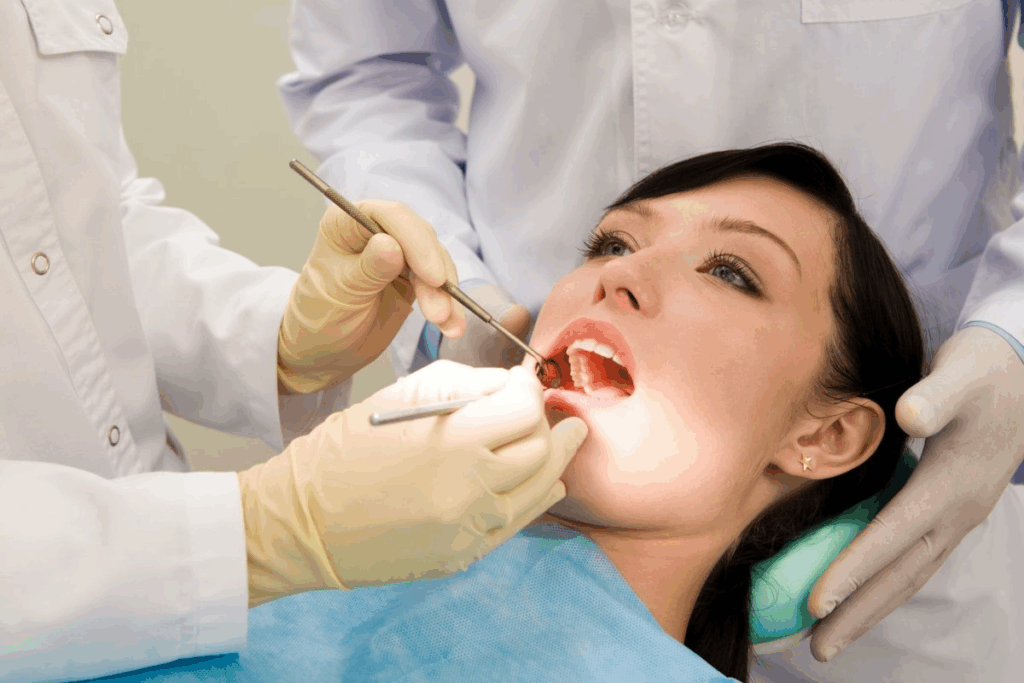
Having trouble opening your mouth wide can be worrying and affect your daily life. Issues like trismus or lockjaw can be painful and are often caused by stress and tight muscles.opening mouth How to Repair an Ascending Aortic Aneurysm: Step-by-Step Guide
At Liv Hospital, we focus on treating jaw problems with care that puts you first. We use the latest medical knowledge and treatments to help you feel better and move your jaw easily again. It’s important to keep your jaw opening within a normal range. Certain exercises can also help make your jaw more mobile.
Key Takeaways
- Understanding the causes of limited jaw mobility is key to effective treatment.
- Jaw exercises can greatly improve mobility and lessen pain.
- Managing stress can help reduce symptoms of trismus and lockjaw.
- A complete approach is needed to tackle jaw-related problems.
- Getting professional medical advice is vital for diagnosing and treating jaw issues.
Understanding Jaw Mechanics and Limitations

It’s key to know how the jaw works and what affects its movement. The jaw, or temporomandibular joint (TMJ), lets us eat, speak, and even yawn. It’s a complex part of our body.
Normal Range of Motion for the Human Jaw
The jaw can open about 40 mm, which is like two fingers side by side. But, this can change for each person. Things like Generalized Joint Hypermobility (GJH) can affect this. GJH makes joints move more than usual.
The Beighton Score helps check for GJH. It’s a simple test to see how flexible your joints are. This score is used in studies to link GJH with TMD.
Anatomy of the Temporomandibular Joint (TMJ)
The TMJ is a special joint that connects the jaw to the skull. It’s made of bones, ligaments, and muscles working together. This joint lets us move our jaw in unique ways.
The TMJ has parts like the articular eminence and the mandibular condyle. The articular disc is key for smooth jaw movement and shock absorption.
“The TMJ is one of the most complex joints in the human body, requiring precise coordination between bones, muscles, and ligaments to function properly.” — Medical Expert, TMJ Specialist
Common Causes of Restricted Jaw Movement
Many things can make it hard to move the jaw. These include jaw injuries, TMD, and conditions like arthritis. Stress and anxiety can also cause jaw tension.
- Trauma or injury to the jaw
- Temporomandibular disorders (TMD)
- Arthritis or other inflammatory conditions
- Stress and anxiety leading to jaw clenching
Knowing what causes jaw problems helps doctors find the right treatment. They can help patients move their jaw normally again and feel better.
The Impact of Temporomandibular Disorders (TMD)
It’s important to know about Temporomandibular Disorders (TMD) for both patients and doctors. TMD includes many conditions that affect the TMJ and jaw muscles.
Prevalence and Demographics
About 10-15% of adults have TMD. It mostly affects people between 20 and 50 years old. This can really impact their daily life.
Demographic analysis shows TMD is more common in women. Stress, jaw injuries, and some medical conditions also play a role.
Symptoms and Warning Signs
Knowing the symptoms of TMD is key for early treatment. Common signs include:
- Jaw pain or tenderness
- Clicking or grating sounds when opening or closing the mouth
- Limited jaw movement or locking
- Headaches or earaches
The American Dental Association says, “Spotting TMD symptoms early can help manage it better and prevent lasting damage.”
Genetic Factors in TMD Development
Genetics also play a part in TMD, with up to 27% of cases linked to genes. Knowing this helps doctors create better treatment plans.
“The role of genetics in TMD highlights the complexity of the disorder and the need for a multifaceted approach to treatment.”
Understanding TMD’s prevalence, demographics, symptoms, and genetics helps doctors provide better care. This is important for those affected by TMD.
The Stress-Jaw Connection
The link between stress and jaw tension is key to understanding Temporomandibular Disorders (TMD). Stress often leads to jaw tension, causing us to clench and grind without realizing it. This can make TMD symptoms worse.
How Stress Triggers Jaw Tension
Stress makes our body’s “fight or flight” response kick in. This causes muscle tension, including in the jaw. This tension can make us clench and grind, straining the TMJ.
Chronic stress can cause long-lasting jaw tension. This can lead to or worsen TMD symptoms. It’s important to know the signs of stress-related jaw tension to tackle it.
Unconscious Clenching and Grinding
Unconscious clenching and grinding, often happening while we sleep, is a big problem. This behavior, called bruxism, can cause a lot of jaw pain and problems. Being aware of this habit is the first step to managing it.
“The relationship between stress and bruxism is well-documented, with stress being a major contributing factor to this condition.”
Breaking the Stress-Tension Cycle
To break the stress-jaw tension cycle, we need to try different things. Using relaxation exercises, mindfulness, and stress management can help lower stress. This, in turn, can reduce jaw tension.
- Try relaxation techniques like deep breathing or meditation to lower stress.
- Do regular physical activity to manage stress and tension.
- Consider getting professional help, like cognitive-behavioral therapy, to deal with stress and anxiety.
By tackling stress and its effects on the jaw, we can make big strides in managing TMD symptoms. This can also improve our jaw health overall.
Basic Techniques for Opening Your Mouth Wide
Improving jaw alignment and stretching can help you open your mouth wider. This is important for comfort and good oral health. It also makes dental procedures easier.
Proper Jaw Alignment Principles
Proper jaw alignment is key to better jaw mobility. It means knowing how your jaw should sit with your face. Correct alignment helps avoid TMJ strain and improves jaw function.
To align your jaw right, follow these tips:
- Keep your head straight and avoid tilting it forward or backward.
- Ensure your jaw is relaxed and not clenched.
- Practice good posture to avoid putting unnecessary strain on your jaw.
Progressive Stretching Methods
Progressive stretching increases your jaw’s range of motion slowly. It uses exercises to stretch jaw muscles and boost flexibility.
Try the “open-and-close” exercise:
- Start by opening your mouth as wide as you can without causing discomfort.
- Hold this position for a few seconds.
- Slowly close your mouth, and then repeat the process several times.
Medical Expert, “Progressive stretching can significantly improve jaw mobility when done correctly and consistently.”
“The key to improving jaw flexibility lies in consistent and gentle stretching exercises.”Medical Expert, TMJ Specialist
Breathing Techniques to Facilitate Wider Opening
Breathing techniques also help with jaw mobility. Deep, controlled breathing relaxes jaw muscles, making wider mouth opening easier.
| Breathing Technique | Description | Benefit |
|---|---|---|
| Diaphragmatic Breathing | Involves breathing deeply into the diaphragm, not shallowly into the chest. | Relaxes the jaw and reduces tension. |
| 4-7-8 Breathing | Inhale for 4 seconds, hold for 7, and exhale for 8. | Promotes relaxation and reduces stress. |
Mario, a yoga instructor, said, “The art of breathing is closely linked to jaw relaxation. When we breathe correctly, our jaw relaxes, allowing for a wider opening.” This idea is like how the first pressing vinyl records set the quality standard, just as proper breathing sets the stage for better jaw mobility.
Effective Exercises for Opening Mouth Capacity
Doing jaw exercises can really help you open your mouth wider. It also makes your jaw healthier. We suggest doing a mix of exercises to boost your jaw’s strength and flexibility.
Controlled Opening and Closing Exercises
These exercises make your jaw move better. To do them, put your fingers on your top teeth. Then, gently open and close your jaw. Do this 10 times, slowly getting your jaw to open wider.
Benefits: It makes your jaw more flexible and easier to control.
Lateral Movement Exercises
These exercises move your jaw side to side. Put your fingers on your top teeth again. Slowly move your jaw to the right, then to the left. Do this 10 times on each side.
Tip: Move slowly and carefully to avoid hurting your jaw.
Resistance Training for Jaw Muscles
Resistance training makes your jaw muscles stronger. Put your thumb under your chin and press up while opening your mouth. This makes the muscles that open your mouth stronger.
| Exercise | Repetitions | Benefits |
|---|---|---|
| Controlled Opening and Closing | 10 | Enhances jaw flexibility and control |
| Lateral Movement | 10 (each side) | Improves lateral jaw mobility |
| Resistance Training | 10 | Strengthens jaw muscles |
Adding these exercises to your daily routine can improve your jaw’s movement. Start slow and gradually do more. This will help you open your mouth wider.
Massage Techniques to Release Jaw Tension
Massage therapy is a great way to ease jaw tension. It helps relax the muscles and improves jaw movement.
External Massage Points for TMJ Relief
External massage targets the muscles around the TMJ. Start by finding the masseter muscle, key in jaw movement. Use your fingertips for gentle circular motions on this area. It helps relax the muscle and eases tension.
Another method is massaging the temporalis muscle, found on your head’s sides, above the ears. Use your index and middle fingers for circular motions along the muscle. This method reduces tension and promotes relaxation.
Intraoral Massage Techniques
Intraoral massage works on muscles inside the mouth. To do this, place your gloved finger inside and gently massage the lateral pterygoid muscle. This muscle is vital for jaw movement and can cause tension if not cared for.
Be gentle with intraoral massage to avoid discomfort or injury. Start with light pressure and increase as needed and tolerated.
When and How Often to Massage
For best results, massage your jaw muscles 2-3 times a week. If you have sudden jaw tension, you might need to massage more often. Always do this under a healthcare professional’s guidance.
It’s also wise to combine massage with other relaxation techniques, like deep breathing or meditation. Being consistent is key in managing jaw tension through massage.
Heat and Cold Therapy for Jaw Mobility
Heat and cold therapy are simple yet effective methods for improving jaw mobility. They help manage pain and increase jaw movement. This makes everyday activities like eating and speaking more comfortable.
When to Apply Heat vs. Cold
Knowing when to use heat therapy versus cold therapy is key. Heat therapy relaxes muscles and boosts blood flow. It’s great for relieving jaw stiffness and tension. Cold therapy, on the other hand, reduces inflammation and numbs pain. It’s best for acute injuries or post-traumatic pain.
For chronic jaw pain or stiffness, start with heat therapy to loosen muscles. If pain is due to inflammation or swelling, cold therapy is more effective.
DIY Heat and Cold Packs
Making your own DIY heat and cold packs is affordable and easy. For a heat pack, use a warm washcloth or a microwaveable heat wrap. For a cold pack, a cold compress or a frozen bag of peas in a cloth works well.
- For heat packs: Soak a washcloth in warm water, wring it out, and apply. Or use a microwaveable heat wrap as directed.
- For cold packs: Wrap a cold compress or a frozen bag of peas in a cloth to avoid ice burns.
Duration and Frequency Recommendations
The time and frequency of heat and cold therapy vary by individual. Generally, apply for 15-20 minutes, with at least 30 minutes between uses.
For best results, use heat therapy before bed to relax jaw muscles and reduce morning stiffness. Use cold therapy as needed for acute pain or inflammation during the day.
Nutritional Considerations for Jaw Health
Learning about the nutrition for jaw health can change lives for those with jaw tension. What we eat and take as supplements greatly affects our jaw’s health and comfort.
Nutrition is key to keeping the jaw working well. Eating foods full of important nutrients can lower inflammation and relax jaw muscles. Let’s look at how various foods and supplements can help jaw health.
Foods That Promote Jaw Relaxation
Some foods can relax the jaw muscles and lessen tension. These include:
- Leafy Greens: Full of magnesium, spinach and kale relax muscles, including the jaw.
- Fatty Fish: Fatty fish like salmon have omega-3s, which fight inflammation and support muscle health.
- Nuts and Seeds: Almonds, sunflower seeds, and pumpkin seeds have magnesium and minerals that relax muscles.
Foods to Avoid When Experiencing Jaw Tension
Some foods can make jaw tension worse. It’s best to limit or avoid:
- Caffeine: Too much caffeine tightens muscles, including the jaw.
- Hard or Chewy Foods: Foods like nuts, hard candies, or chewy meats strain the jaw.
- Processed Foods: High in sodium and preservatives, processed foods cause inflammation and discomfort.
Supplements That May Support TMJ Health
Along with diet changes, some supplements can help TMJ health. These include:
- Magnesium: It relaxes muscles and can ease jaw tension.
- Omega-3 Fatty Acids: These anti-inflammatory supplements reduce TMJ pain and inflammation.
- Calcium: It’s vital for muscle function and keeps jaw muscles healthy.
While diet changes and supplements are helpful, always talk to a healthcare professional before starting new supplements.
Emergency Techniques for a Locked Jaw
When your jaw locks, it can be scary. But, there are emergency techniques to help. A locked jaw, or trismus, causes pain and makes it hard to open your mouth. Knowing how to handle it is key to feeling better.
Immediate Steps When Your Jaw Locks
Stay calm if your jaw locks. Panicking makes things worse. Try to open your mouth a bit without hurting more. A warm or cold compress can relax your jaw muscles.
Gentle Stretching Exercises: Try to open your mouth a bit more by stretching it gently. Use your fingers to help guide your jaw open.
Gentle Manual Manipulation Methods
Gentle manual manipulation can help a locked jaw. This means using your fingers or thumbs to massage the jaw joint and muscles. It aims to relax the muscles and improve jaw movement.
- Use your index fingers to apply gentle pressure in front of the earlobe, where the TMJ is.
- Massage in a circular motion to relax the muscles.
- Slowly increase pressure if needed, but don’t cause pain.
When to Seek Emergency Medical Help
While many locked jaw cases can be managed at home, some need medical help. If you have severe pain, swelling, or trouble breathing or swallowing, get emergency care.
| Symptom | Description |
|---|---|
| Severe Pain | Pain that is unbearable or significantly interferes with daily activities. |
| Swelling or Infection | Visible swelling, redness, or signs of infection around the jaw. |
| Difficulty Breathing or Swallowing | Any difficulty in breathing or swallowing due to the locked jaw. |
If you’re not sure about your condition or symptoms don’t go away, see a healthcare professional. They can give you the right advice and treatment.
Gender-Specific Considerations for Jaw Issues
It’s important to understand jaw issues in different ways for men and women. Women often face more problems with TMD and jaw locking. Hormones, genes, and body differences play a big role in these gender gaps.
Why Women Experience Higher TMD Rates
Women are more likely to get TMD because of several reasons. Hormonal changes, like those with estrogen, can affect the jaw and muscles. Also, women tend to feel more stress and anxiety, which can make TMD worse.
Genetics also matter, with some women being more at risk for TMD. Plus, women might feel pain differently than men. This could explain why more women report TMD.
Female-Specific Jaw Locking Patterns
Jaw locking can happen more often and for longer in women. Changes in the menstrual cycle might make jaw pain and function worse. Women are also more likely to grind their teeth, which can cause jaw locking.
Tailored Approaches for Women’s Jaw Health
Because of these gender differences, women need special care for their jaw health. Personalized treatment plans that take into account hormones, stress, and genes can help. This can make TMD symptoms better.
Women can also make lifestyle changes to help. This includes managing stress, eating right, and doing gentle jaw exercises. Physical therapy and relaxation techniques can also help reduce TMD symptoms and improve jaw health.
Professional Treatments for Severe Jaw Restrictions
For those with severe jaw restrictions, many professional treatments can help. These treatments aim to fix the root cause of the problem. They offer solutions tailored to each person’s needs.
Physical Therapy Options
Physical therapy is key in managing severe jaw restrictions. Therapists use methods like manual therapy and exercises. They also use heat or cold therapy to help.
Personalized exercise programs are made to strengthen jaw muscles. This improves flexibility and reduces pain.
“Physical therapy has been key in helping patients regain normal jaw function,” says Medical Expert, a top physical therapist for TMJ disorders. “We tailor treatments to each patient’s needs. This leads to big improvements in jaw mobility and comfort.”
Dental Interventions and Mouth Guards
Dental treatments are often needed for severe jaw restrictions, like TMD. Custom-made mouth guards help stop teeth grinding and clenching. This reduces jaw tension.
Dental splints are also suggested to align the jaw. This reduces strain on the TMJ.
Medical Procedures for Persistent Cases
When other treatments don’t work, medical procedures might be needed. This includes arthrocentesis, a procedure to clean the joint. Or, more complex surgeries like TMJ replacement.
It’s essential to consult with a healthcare professional to find the best treatment. This depends on the severity and cause of the jaw restriction.
The American Dental Association says, “Sometimes, surgery is needed for severe TMJ disorders.” This shows the importance of getting professional advice to explore all treatment options.
Conclusion: Maintaining Optimal Jaw Mobility
Keeping your jaw mobile is key for your health. We’ve looked at ways to boost and keep your jaw moving well. This includes simple exercises, massages, what you eat, and professional help.
Adding these tips to your day can really help your jaw. It can also lower the chance of jaw problems. Keeping up with jaw care is important to avoid issues and keep your jaw working right.
Stress, food, and health all affect your jaw. Being aware of these and taking care of your jaw can keep it moving smoothly. This leads to better health overall.
If you want to ease jaw pain or keep your jaw healthy, try these tips. Making jaw care a part of your wellness plan can improve your jaw’s mobility. This means less discomfort for you.
FAQ
What is the normal range of motion for the human jaw?
The human jaw moves about 40 to 60 mm. This allows for easy eating, speaking, and other mouth functions.
How does stress affect jaw tension?
Stress can make you clench and grind your teeth. This increases jaw tension and can worsen TMD.
What are some basic techniques for opening the mouth wide?
To open your mouth wide, align your jaw right. Use stretching and breathing exercises to help.
Can massage help release jaw tension?
Yes, massage can ease jaw tension. Try external and intraoral massage for TMJ relief.
How can heat and cold therapy help with jaw mobility?
Heat relaxes jaw muscles. Cold therapy reduces inflammation. Use them to improve jaw movement.
Are there specific nutritional considerations for jaw health?
Yes, some foods relax the jaw. Others may tighten it. Magnesium and calcium can also support TMJ health.
What should I do if my jaw locks?
If your jaw locks, try gentle manipulation. If it doesn’t work, get emergency medical help to avoid problems.
Why do women experience higher rates of TMD?
Hormonal, genetic, and biomechanical factors make women more prone to TMD. They need special treatment plans.
What professional treatments are available for severe jaw restrictions?
For severe jaw issues, try physical therapy, dental guards, and medical procedures. These options can help a lot.
How can I maintain optimal jaw mobility?
Keep your jaw mobile with proper alignment, exercises, stress control, and good nutrition. Also, get professional help when needed.
References
National Center for Biotechnology Information. Evidence-Based Medical Guidance. Retrieved from https://pubmed.ncbi.nlm.nih.gov/24469737/