Discover the basics of astigmatism, a common vision condition caused by an irregular eye shape. Learn about its definition, how it affects sight, and the role of the cornea.
We're Here to Help. Get in Touch.
Send us all your questions or requests, and our expert team will assist you.
Overview And Definition
What is Astigmatism?
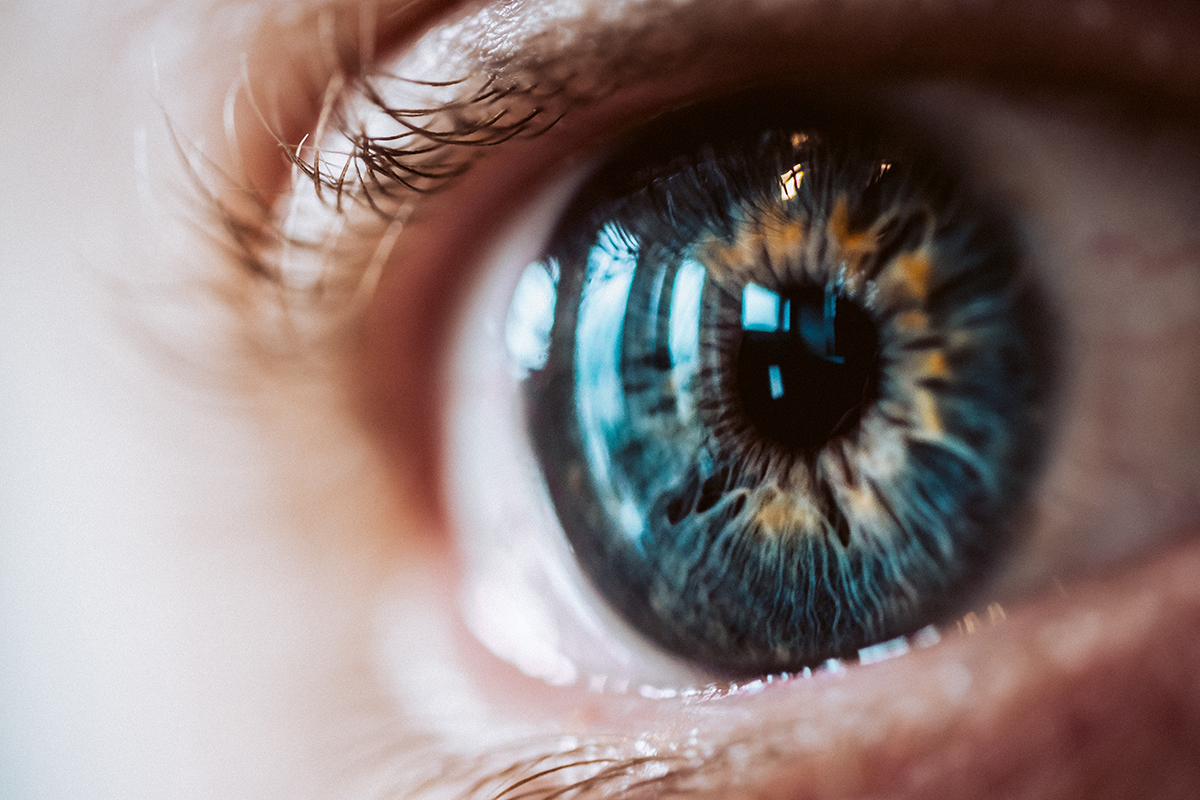
Astigmatism is a very common and usually treatable imperfection in the curvature of the eye that causes blurred distance and near vision. It occurs when either the front surface of the eye, which is the cornea, or the lens inside the eye has mismatched curves. Instead of having one curve like a round ball, the surface is shaped more like a football or the back of a spoon.
This irregular shape prevents light from focusing properly on the retina, which is the light sensitive surface at the back of the eye. Instead of focusing to a single point, light focuses to multiple points, resulting in vision that is out of focus at all distances.
Types of the Astigmatism
There are two primary types: corneal and lenticular. If the cornea has a distorted shape, it is called corneal astigmatism. If the lens is distorted, it is called lenticular astigmatism. Both types cause light to bend unevenly as it enters the eye. The condition often occurs alongside other refractive errors like nearsightedness (myopia) or farsightedness (hyperopia), compounding the focusing issues.
Symptoms and Causes
Recognizing Astigmatism Symptoms
The most prominent astigmatism symptoms include blurry, fuzzy, or distorted vision at all distances. Patients often experience significant eye strain, fatigue, and frequent headaches, especially after reading or focusing on a computer screen for prolonged periods.
A very specific and common complaint relates to astigmatism lights; individuals often notice that lights, particularly at night, appear stretched out, smeared, or have a “starburst” or halo effect around them. This makes activities like nighttime driving particularly challenging and uncomfortable.
Underlying Causes of Astigmatism
The exact cause of the irregular shape of the cornea or lens is largely genetic. It is frequently present from birth and can change or worsen as a child grows. It is not caused by reading in low light or sitting too close to the television.
However, it can occasionally develop later in life as a result of an eye injury, an eye disease like keratoconus (which causes the cornea to thin and bulge outward like a cone), or following certain types of eye surgery.
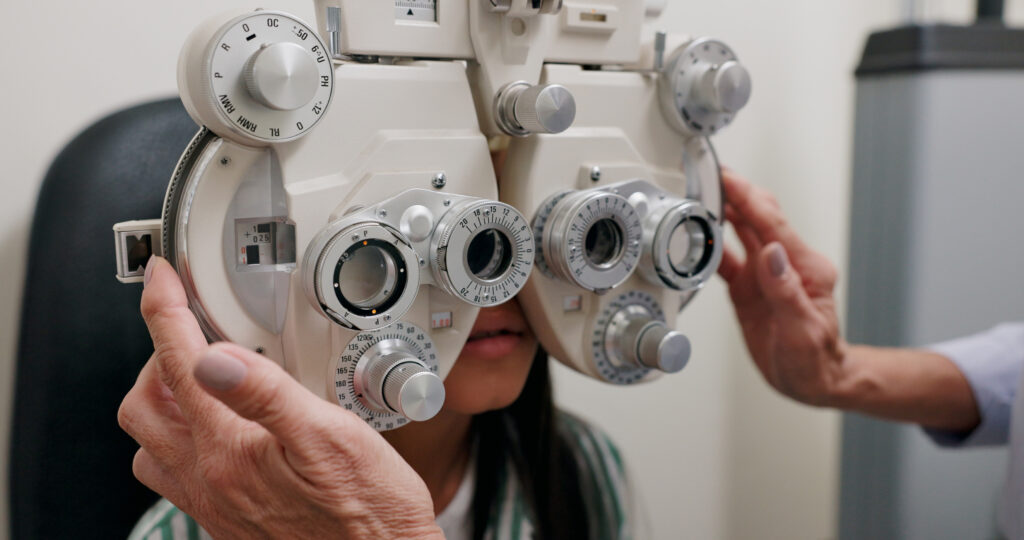
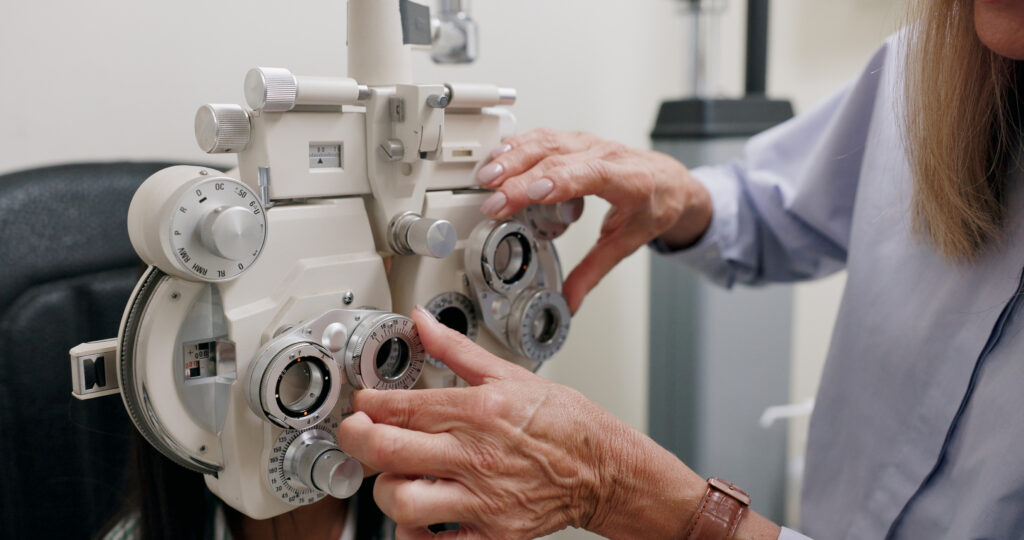
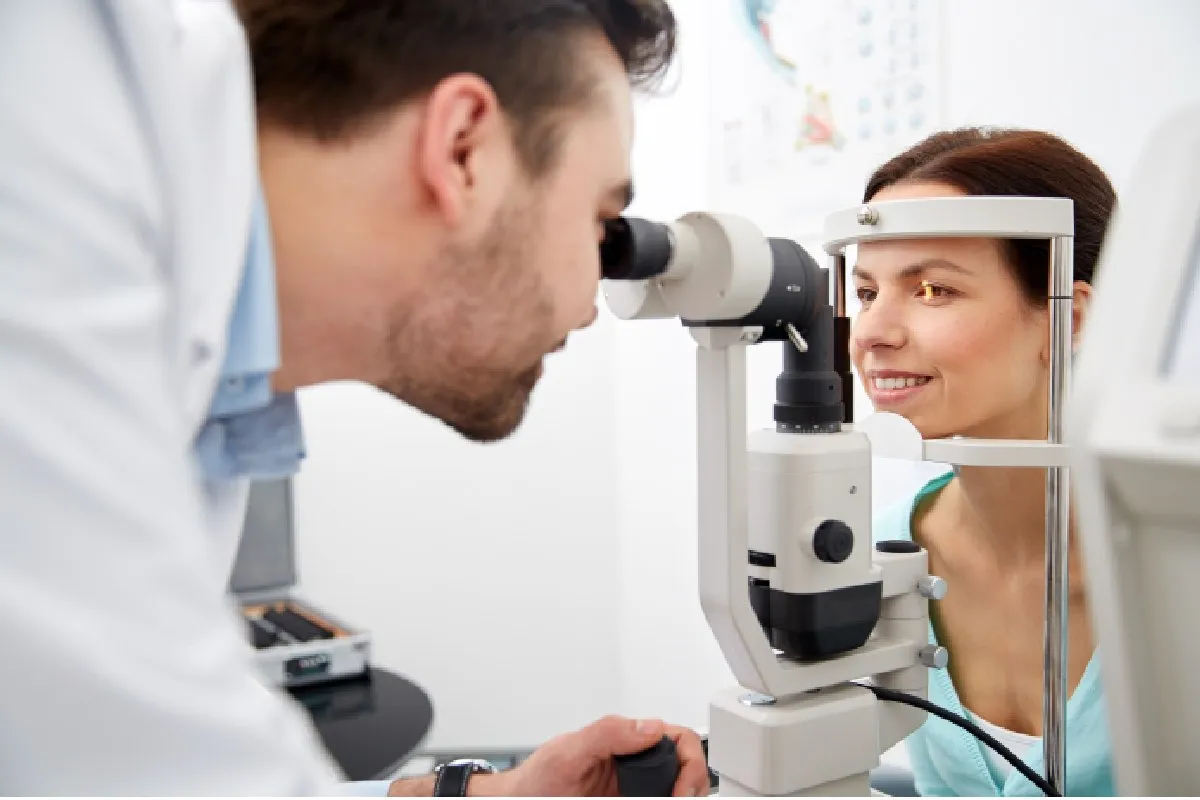
Diagnosing the condition requires a comprehensive eye examination. A specific astigmatism test involves measuring how the eye focuses light. The eye doctor will use a phoropter, placing various lenses in front of your eyes to determine the exact prescription needed to correct the refractive error. You will be asked to look at a standard eye chart and compare which lens combinations provide the sharpest image.
Measuring Corneal Curvature
To physically measure the curve of the cornea, the doctor uses a keratometer or a corneal topographer. A keratometer measures the reflection of light from the cornea to determine the exact radius of its curvature. Corneal topography is an advanced imaging technique that creates a highly detailed, color-coded 3D map of the surface of the eye. This mapping is crucial not only for confirming the diagnosis but also for fitting contact lenses and planning refractive surgeries.
The most common and non-invasive treatments are corrective lenses. Astigmatism glasses contain a special cylindrical lens prescription that compensates for the uneven shape of the cornea, bending the light correctly to focus on the retina. For those who prefer not to wear glasses, contacts for astigmatism are highly effective.
These are known as toric lenses. Unlike standard spherical contacts, toric lenses are heavier at the bottom to keep them from rotating, ensuring the corrective axes align perfectly with the eye’s irregular shape. Popular brand options, such as Acuvue Oasys for astigmatism, offer specialized stabilization designs to keep the lens in place even when you blink or move your head.
Surgical Interventions
For patients looking for a permanent solution to reduce or eliminate the need for glasses or contacts, refractive surgery is an option. Procedures like LASIK or PRK use highly precise lasers to reshape the cornea, smoothing out the irregular curves to make it more symmetrical. For older patients who may also have cataracts or presbyopia, a Toric Intraocular Lens (IOL) can be implanted during cataract surgery to correct the astigmatism internally.
If a patient opts for laser eye surgery to correct their vision, strict post-surgery care is necessary. Immediately following the procedure, the eyes will be sensitive, and patients may experience mild burning or a gritty sensation. Medicated eye drops are prescribed to prevent infection and control inflammation. It is absolutely vital not to rub the eyes, as this can dislodge the corneal flap created during LASIK or disrupt the healing surface after PRK.
Long-Term Monitoring
Vision may fluctuate for a few weeks or even months as the eyes heal and adjust to their new shape. Patients will need to attend several follow-up appointments so the surgeon can monitor the healing process and ensure the cornea is stabilizing correctly. Even after successful surgery, wearing sunglasses to protect the eyes from UV damage remains an important part of lifelong eye health.
Send us all your questions or requests, and our expert team will assist you.
FREQUENTLY ASKED QUESTIONS
What is astigmatism, and what does a specialist do?
Astigmatism is blurred vision caused by an irregular cornea or lens. An eye specialist measures the eye’s shape and treats it with glasses, contacts, or surgery.
What conditions does treatment cover?
It corrects corneal and lenticular astigmatism, and also treats irregular cases caused by scars, injury, or keratoconus.
What are the main types of astigmatism?
Regular (smooth, football-shaped eye) and irregular (uneven surface). It can also be myopic or hyperopic.
When should I see a specialist?
See one for blurred vision, headaches, eye strain, or halos at night. Children should be screened early.
What is the difference between astigmatism and myopia?
Myopia is blurry distance vision from an elongated eye; astigmatism is blurred vision at all distances from an oval-shaped eye. Both can occur together.
Can you cure uveitis? This is the ultimate treatment guide, exploring powerful medical options and essential steps for lasting relief. Uveitis is a serious eye
Uveitis is a complex inflammatory condition affecting millions worldwide. It is the leading cause of vision loss among working-age populations. Timely and effective uveitis therapy is key.
Anterior disease includes many medical conditions that affect important body parts. These need quick diagnosis and expert care to avoid serious problems. At Liv Hospital, we combine
Don’t ignore these 7 alarming uveitis symptoms. This essential guide explains eye inflammation and what you must do to protect your vision. We’re here to