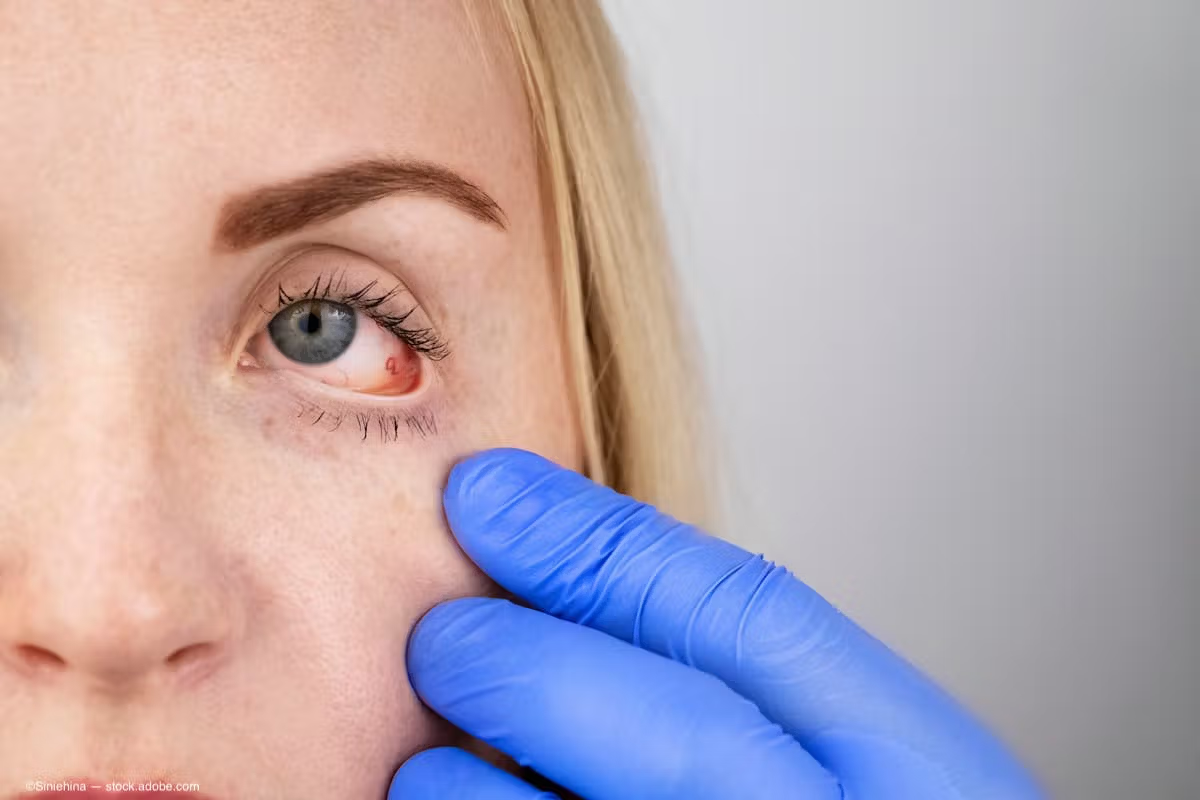
Conjunctivitis, commonly known as Pink Eye, is the inflammation of the eye’s protective membrane. Learn what conjunctivitis is, its causes, and why it spreads.
We're Here to Help. Get in Touch.
Send us all your questions or requests, and our expert team will assist you.
Overview And Definition
What Is Conjunctivitis?
Conjunctivitis is a common medical condition characterized by inflammation of the conjunctiva. The conjunctiva is the thin, transparent tissue that lines the inner surface of the eyelid and covers the white part of the eye. When the small blood vessels in the conjunctiva become inflamed, they become more visible, which gives the eye a red or pink appearance. This is why the condition is widely referred to as pink eye. It can affect one or both eyes and is a frequent reason for clinical visits. While it can be uncomfortable, it rarely affects vision permanently if addressed correctly.
Types of Conjunctivitis
The condition is broadly categorized into three main types based on its origin: viral, bacterial, and allergic. Viral conjunctivitis is the most common and is highly contagious, often accompanying a common cold or respiratory infection. Bacterial conjunctivitis is also highly contagious and is caused by bacteria such as staphylococcus or streptococcus. Allergic conjunctivitis, on the other hand, is not contagious and occurs as a reaction to allergens like pollen, pet dander, or dust mites, typically affecting both eyes simultaneously.
Symptoms and Causes
Recognizing the Signs
The classic conjunctivitis symptoms can vary slightly depending on the root cause, but they generally include intense redness, an itchy or gritty feeling in one or both eyes, and excessive tearing. If the cause is bacterial, you will likely notice a thick, yellow-green discharge that forms a crust over your eyelashes during the night, sometimes sealing the eye shut by morning.
Viral strains tend to produce a more watery, clear discharge, while allergic reactions usually cause severe itching, tearing, and swollen eyelids.
How the Infection Spreads
The causes of this condition are directly tied to its type. Viral and bacterial strains are incredibly contagious and spread through direct or indirect contact with the eye secretions of an infected person. This often happens by touching a contaminated surface and then touching your eye, or by sharing personal items like towels, pillowcases, or makeup.
Allergic cases are triggered by an immune system response to an allergen, releasing histamines that cause the blood vessels in the eye to swell and become inflamed. Chemical splashes or foreign objects in the eye can also cause a non-infectious form of the condition.
In most cases, a doctor can diagnose the condition simply by taking a detailed medical history and conducting a visual examination of the eye. They will ask about your specific symptoms, when they started, and if you have been exposed to anyone else with pink eye or to any known allergens. The type of discharge and the presence of other symptoms, like a runny nose or a sore throat, often give the doctor enough clues to determine whether the cause is viral, bacterial, or allergic.
Laboratory Testing
Routine laboratory tests are rarely needed for a standard diagnosis. However, if the infection is particularly severe, does not respond to initial treatments, or if your doctor suspects a more serious underlying infection (such as chlamydia or gonorrhea, which can cause severe bacterial conjunctivitis), they may take a sample of the eye secretions. Using a small cotton swab, the doctor collects the discharge from the conjunctiva and sends it to a laboratory for culture and analysis to identify the specific pathogen.
Effective conjunctivitis treatments depend entirely on identifying the correct underlying cause. Because viruses do not respond to antibiotics, viral conjunctivitis usually just needs to run its course over one to two weeks, much like a common cold. For allergic reactions, doctors typically recommend antihistamine eye drops or oral allergy medications to control the immune response. However, doctors will specifically prescribe antibiotic eye drops bacterial conjunctivitis cases. These antibiotic drops or ointments are crucial for clearing up the bacterial infection quickly, preventing complications, and reducing the window of time in which the patient is contagious to others.
Eyelid Hygiene and Care
Regardless of the medical treatment prescribed, keeping the eye clean is a primary procedure for recovery. Patients are instructed to gently wash away any crust or discharge using a clean, damp cotton ball or cloth, wiping from the inside corner of the eye to the outside. If using antibiotic ointments, which can briefly blur vision, it is often recommended to apply them just before bedtime.
While the infection clears, practicing good conjunctivitis self-care is essential for comfort and preventing the spread. This involves applying a cold or warm compress to the closed eyelids several times a day to soothe the inflammation and loosen crusts. It is important to use a different washcloth for each eye to avoid spreading the infection from one eye to the other. Contact lens wearers must stop wearing their lenses until the infection is completely gone and their doctor gives them clearance.
Preventing Re-infection
Long-term care focuses heavily on hygiene to prevent recurrence. You should discard any eye makeup or applicators used while infected. Throw away disposable contact lenses and thoroughly disinfect hard lenses and cases. Wash your hands frequently with soap and warm water, especially after applying eye drops. By not sharing towels, frequently changing pillowcases, and avoiding touching or rubbing your eyes, you can successfully manage the condition and protect those around you.
Send us all your questions or requests, and our expert team will assist you.
FREQUENTLY ASKED QUESTIONS
What is conjunctivitis, and what does a specialist do?
Conjunctivitis (Pink Eye) is the inflammation of the clear membrane covering the white of the eye and the inner eyelid. An Ophthalmologist diagnoses the cause, whether viral, bacterial, or allergic, and prescribes the appropriate treatment, such as antibiotic drops or antihistamines, to resolve the infection and prevent spread.
What conditions does conjunctivitis treatment cover?
Treatment covers the management of ocular surface inflammation. This includes clearing bacterial infections, managing highly contagious viral infections (like adenovirus), and controlling the immune response in allergic conjunctivitis. It also involves treating giant papillary conjunctivitis caused by contact lens overuse.
What are the main types of conjunctivitis?
The three main categories are Viral (watery discharge, contagious), Bacterial (thick yellow pus, contagious), and Allergic (itchy, watery, not contagious). There is also Chemical Conjunctivitis caused by irritants like smoke or chlorine.
When should I see a specialist?
You should see a specialist if you have a red eye accompanied by eye pain, sensitivity to light, or blurred vision. If the symptoms do not improve after 24 hours or if you produce thick yellow pus, you need a medical assessment to determine if antibiotics are necessary.
What is the difference between viral and bacterial conjunctivitis?
Viral conjunctivitis typically causes a watery discharge and often accompanies a cold or sore throat. It is not helped by antibiotics. Bacterial conjunctivitis causes a thick, sticky yellow or green discharge that makes the eyelids stick together, especially in the morning. It responds quickly to antibiotic drops.
Can you cure uveitis? This is the ultimate treatment guide, exploring powerful medical options and essential steps for lasting relief. Uveitis is a serious eye
Uveitis is a complex inflammatory condition affecting millions worldwide. It is the leading cause of vision loss among working-age populations. Timely and effective uveitis therapy is key.
Anterior disease includes many medical conditions that affect important body parts. These need quick diagnosis and expert care to avoid serious problems. At Liv Hospital, we combine
Don’t ignore these 7 alarming uveitis symptoms. This essential guide explains eye inflammation and what you must do to protect your vision. We’re here to