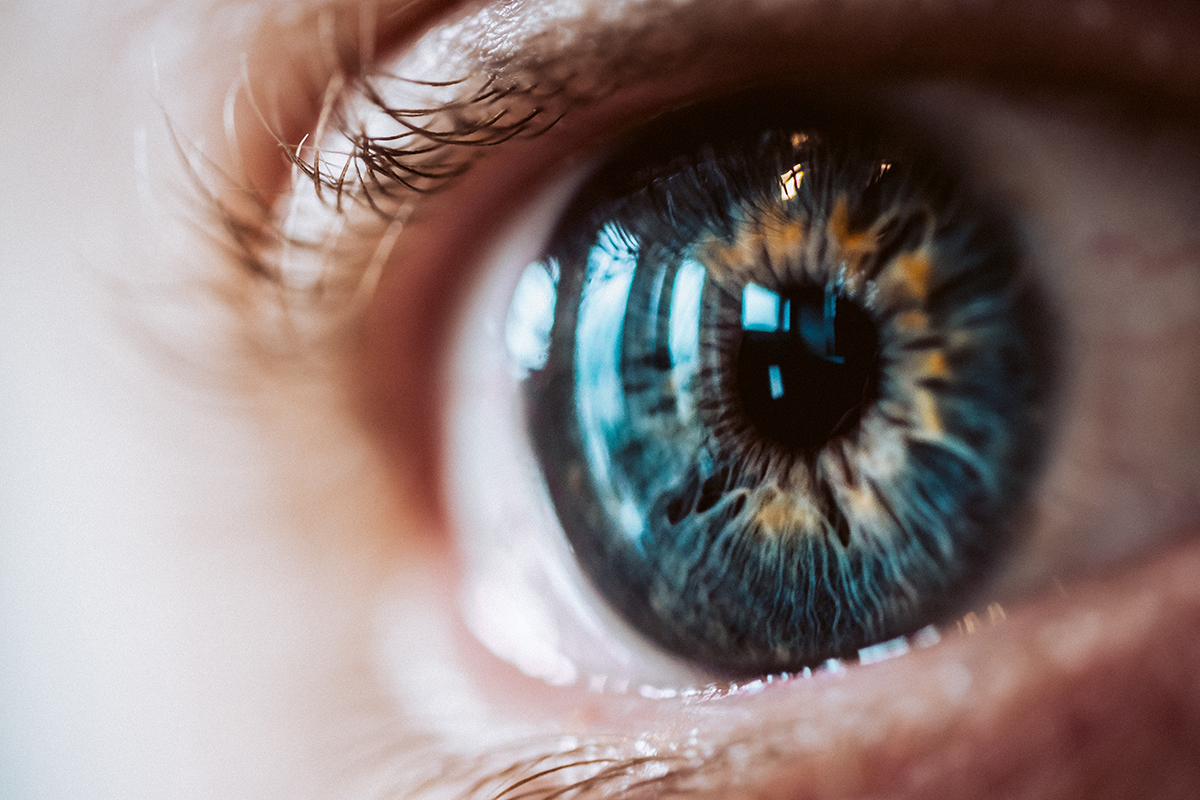
Discover the essentials of Contact Lenses, from their basic definition to how they work on the eye. Learn about different types and the importance of professional care.
We're Here to Help. Get in Touch.
Send us all your questions or requests, and our expert team will assist you.
Overview and Definition
What Are Contact Lenses?
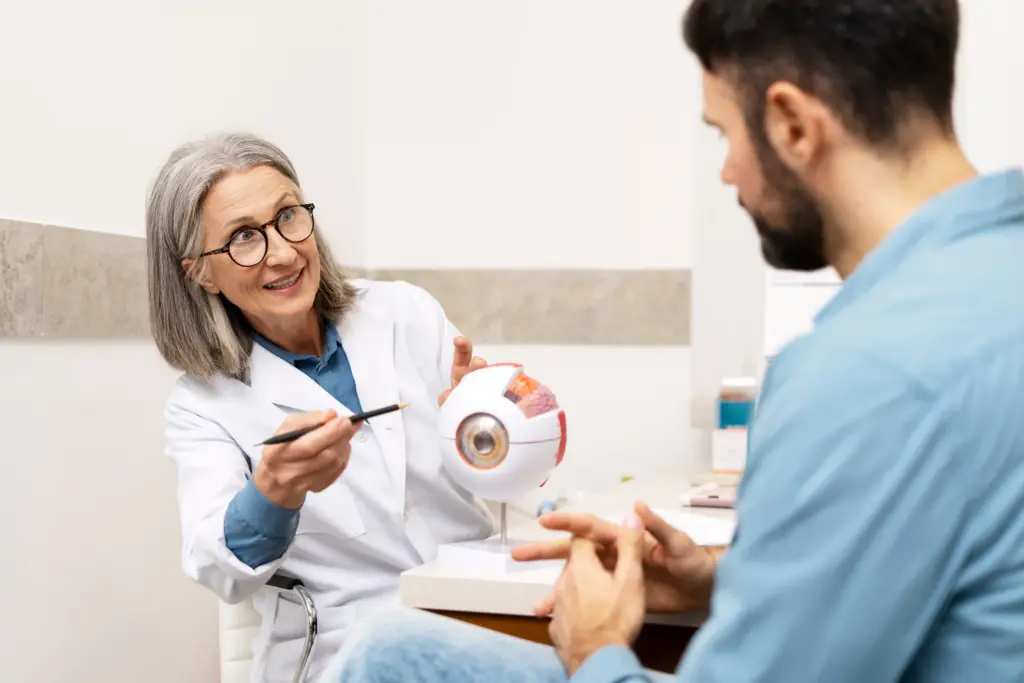
Contact Lenses are thin, curved medical devices placed directly on the surface of the eye. They are primarily used to correct vision but can also be used for cosmetic or therapeutic purposes. Unlike eyeglasses, which sit away from the face, these lenses float on the tear film layer that covers the cornea. They move with your eye, providing a natural field of vision without the obstructions of frames. Modern technology has allowed for the creation of various materials that ensure oxygen reaches the eye, maintaining health and comfort for the wearer.
Types of Contact Lenses
The materials and designs of these lenses vary widely to suit different optical needs. Soft contact lenses, made from flexible water-absorbing plastics like silicone hydrogel, are the most popular due to their immediate comfort and oxygen permeability. They are available in daily, bi-weekly, or monthly disposable formats. Rigid Gas Permeable (RGP) lenses are made of firmer plastics that retain their shape, offering crisper vision, particularly for patients with high astigmatism or irregular corneas. Specialty designs include toric lenses for astigmatism, multifocal lenses for presbyopia, and scleral lenses that vault entirely over the cornea to rest on the white part of the eye (the sclera).
Symptoms and Causes
Symptoms Indicating a Need for Lenses
Patients typically seek contact lenses when they experience symptoms of uncorrected refractive errors. The most common sign is blurred or hazy vision—either when looking at distant objects (nearsightedness), focusing on close-up text (farsightedness), or experiencing overall distorted vision at all distances (astigmatism).
Frequent eye strain, squinting to bring objects into focus, and recurring headaches after visual tasks like reading or driving are also strong indicators. For older adults, the sudden need to hold reading materials at arm’s length signals presbyopia, prompting the need for multifocal lenses.
Causes of Refractive Errors
The underlying causes that make contact lenses necessary are usually structural. Myopia (nearsightedness) is caused by an eyeball that is too long or a cornea that is too steeply curved. Hyperopia (farsightedness) occurs when the eyeball is too short or the cornea is too flat.
Astigmatism is the result of an irregularly shaped cornea or lens, resembling an oval rather than a perfect sphere. These anatomical variations prevent incoming light from focusing precisely on the retina. Most of these conditions are hereditary and develop during childhood or early adulthood, though presbyopia is a natural, age-related loss of flexibility in the eye’s internal lens.
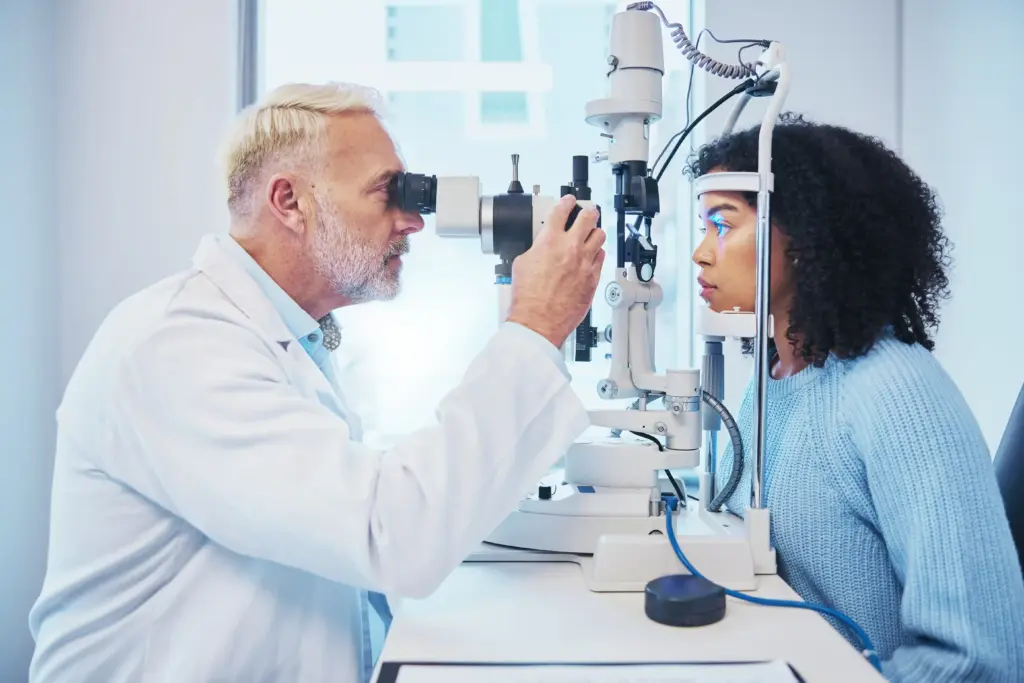
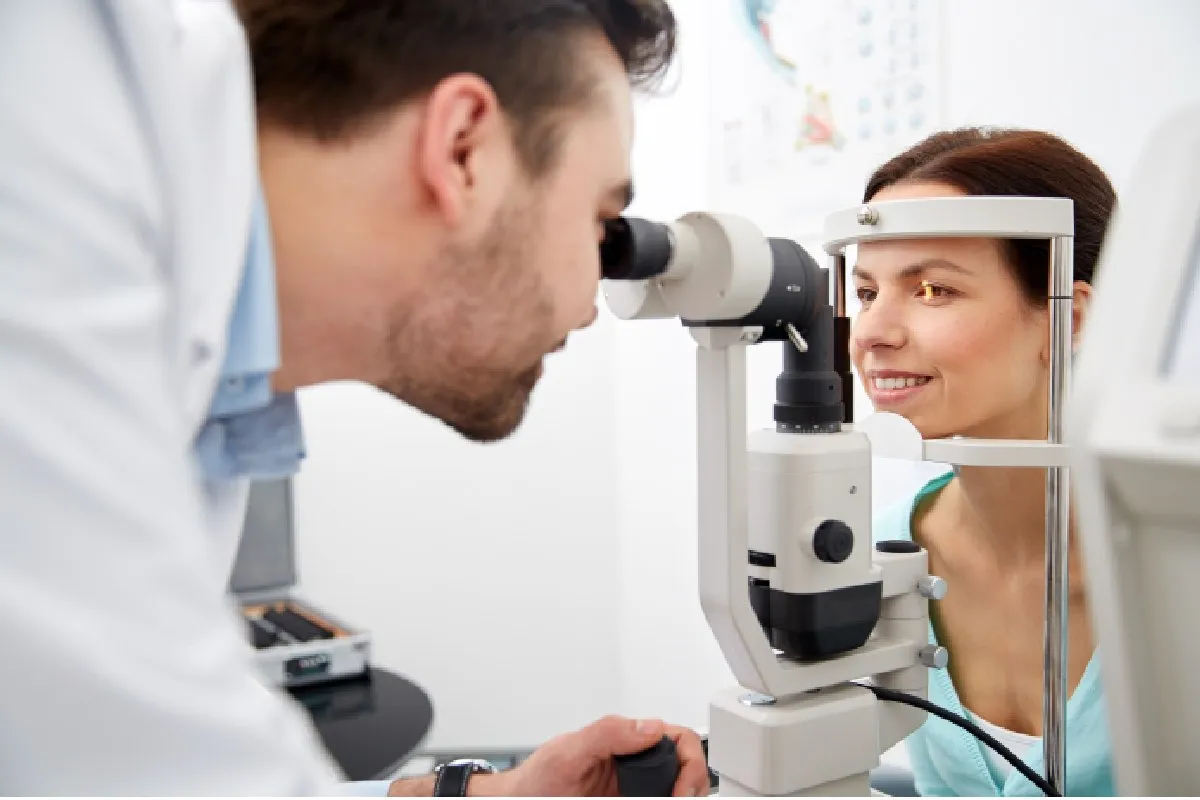
Acquiring contact lenses requires a specialized evaluation that goes beyond a standard eyeglass exam. The doctor first determines your exact refractive prescription. Next comes the contact lens fitting, which evaluates the overall health of your eyes to ensure they can safely tolerate a lens. The doctor will examine the conjunctiva, eyelids, and cornea using a slit-lamp biomicroscope. A crucial part of this test is the tear film evaluation; because lenses float on the tear layer, patients with severe dry eye syndrome may require specialized lenses or treatments before wearing contacts successfully.
Measuring the Cornea
To ensure the lens fits the unique curvature of your eye perfectly, precise measurements are taken. A keratometer is used to measure the steepness or flatness of the clear front surface of the eye. For a more detailed analysis, especially for fitting RGP or scleral lenses, the doctor performs corneal topography. This non-invasive test maps the microscopic peaks and valleys of the cornea, creating a highly detailed 3D image. This data allows the doctor to select a lens with the correct base curve and diameter, preventing the lens from fitting too tightly (which restricts oxygen) or too loosely (which causes irritation and blurred vision).
Once the right fit is found, the treatment relies heavily on the patient’s adherence to daily hygiene and maintenance procedures. The doctor or a technician will teach the patient the proper technique for inserting and removing the lenses. Patients must follow strict cleaning and disinfecting protocols using specialized multipurpose or hydrogen peroxide solutions to prevent the buildup of protein deposits and bacteria. Sleeping in lenses not specifically approved for overnight wear is strictly prohibited, as it drastically increases the risk of severe corneal infections and ulcers.
Specialty Lenses and Orthokeratology
For certain conditions, contact lenses act as an active treatment procedure rather than just a visual aid. Orthokeratology (Ortho-K) involves wearing specially designed rigid gas permeable lenses overnight. These lenses gently reshape the curvature of the cornea while the patient sleeps, allowing them to see clearly during the day without wearing any lenses at all. This procedure is frequently used as a myopia control strategy in children to slow the progression of nearsightedness.
Contact lenses play a vital role in post-surgery care for various ophthalmic procedures. Following surgeries like Photorefractive Keratectomy (PRK) or corneal cross-linking, the surgeon will place a “bandage contact lens” over the eye. This specialized, highly oxygen-permeable soft lens does not contain a prescription; instead, it acts as a protective shield. It covers the exposed nerve endings on the surface of the eye, significantly reducing pain, preventing the eyelid from rubbing against the healing tissue, and promoting faster regeneration of the corneal epithelium.
Implantable Collamer Lenses (ICL) Recovery
For patients who cannot tolerate traditional contacts and are not candidates for LASIK, an Implantable Collamer Lens (ICL) surgery is an alternative. This involves surgically placing a permanent micro-thin lens inside the eye, behind the iris. The post-surgery care for this procedure requires strict adherence to using prescribed antibiotic and anti-inflammatory eye drops. Patients must avoid rubbing their eyes, lifting heavy objects, or bending over for several weeks to ensure the tiny incisions heal correctly and the implanted lens remains perfectly positioned. Regular follow-up exams are required to monitor eye pressure and corneal health.
Can you cure uveitis? This is the ultimate treatment guide, exploring powerful medical options and essential steps for lasting relief. Uveitis is a serious eye
Uveitis is a complex inflammatory condition affecting millions worldwide. It is the leading cause of vision loss among working-age populations. Timely and effective uveitis therapy is key.
Anterior disease includes many medical conditions that affect important body parts. These need quick diagnosis and expert care to avoid serious problems. At Liv Hospital, we combine
Don’t ignore these 7 alarming uveitis symptoms. This essential guide explains eye inflammation and what you must do to protect your vision. We’re here to