Learn about the importance of a comprehensive Eye Examination. Discover how regular checkups protect your vision, detect diseases early, and ensure ocular health.
We're Here to Help. Get in Touch.
Send us all your questions or requests, and our expert team will assist you.
Overview and Definition
What Is An Eye Examination?
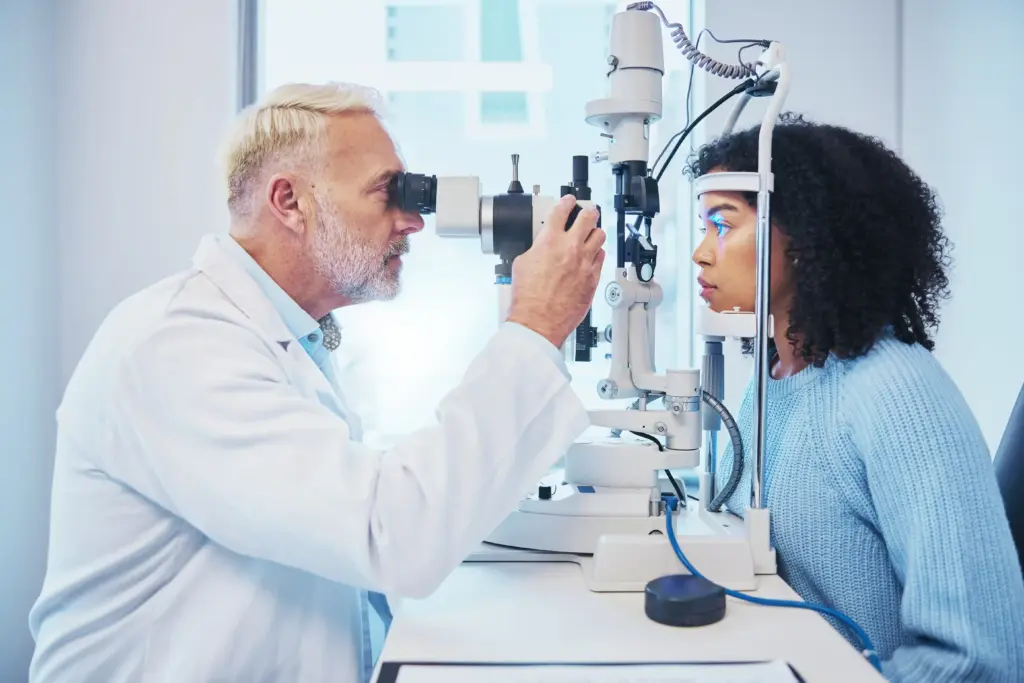
An Eye Examination is a series of clinical tests performed by a specialist to assess your vision and the health of your eyes. It goes far beyond a simple vision screening often found at schools or workplaces. A full checkup evaluates how well you see at various distances and looks for signs of serious conditions that might not have obvious symptoms.
In a professional setting, this process involves sophisticated technology and medical expertise to ensure that your optical system is functioning correctly. Regular checkups are the primary defense against permanent vision loss and are essential for maintaining your overall quality of life.
The Role Of An Eye Examiner
The term eye examiner refers to the medical professional responsible for evaluating your sight and ocular structures. This role is typically filled by an optometrist or an ophthalmologist. An optometrist is trained to examine the eyes for both vision and health problems, prescribing corrective lenses when necessary. An ophthalmologist is a medical doctor who provides comprehensive eye care, including surgical interventions. Both specialists are trained to use high-magnification tools and digital imaging to see deep into the eye. Choosing a qualified professional ensures that your evaluation is accurate and that any potential issues are addressed with a scientifically backed plan.
Symptoms and Risk Factors
Indications for an Evaluation
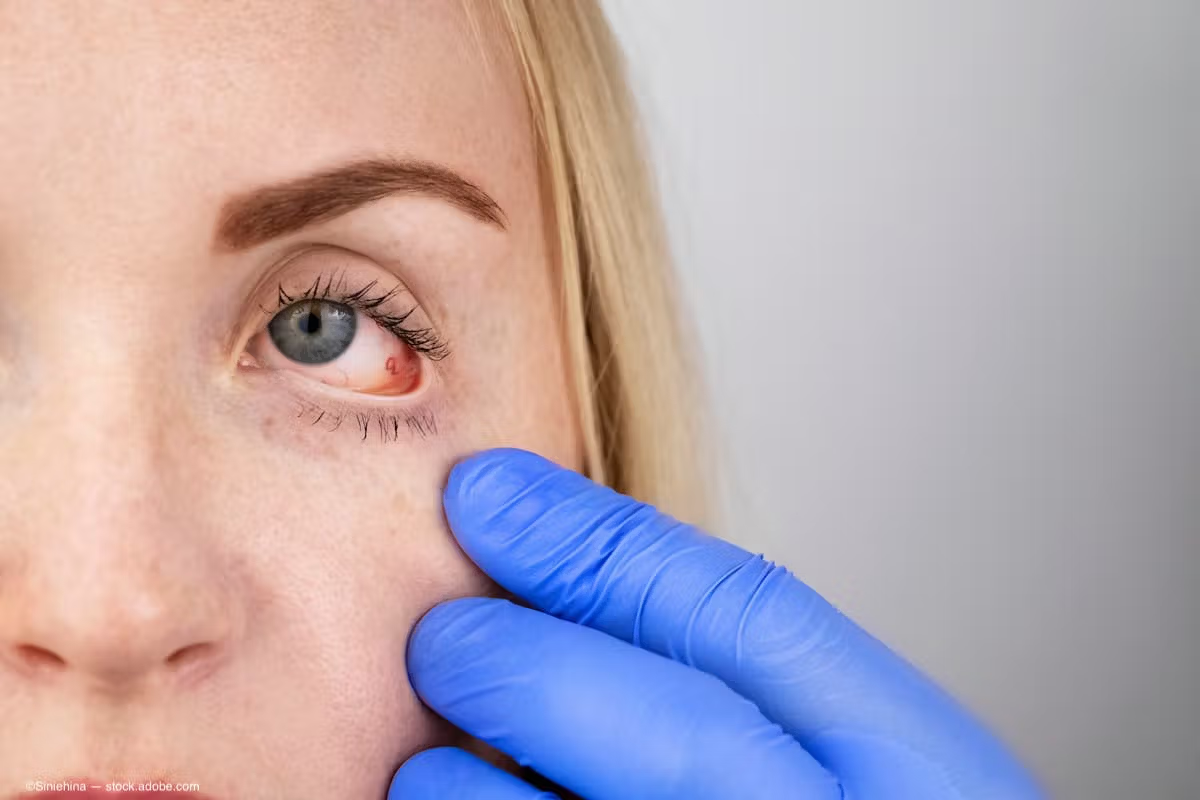
Many people only schedule an appointment when they notice obvious symptoms, such as blurry vision, frequent headaches, eye strain after reading or computer work, or sudden changes like flashes of light and new floaters.
Squinting, rubbing the eyes frequently, or holding reading materials unusually close are common signs that a person is struggling to focus. However, relying solely on symptoms is a misconception; many serious eye diseases are entirely painless and asymptomatic in their early stages.
Risk Factors for Eye Disease
Certain risk factors make regular exams even more imperative. A family history of eye disease, advancing age, and systemic health conditions like diabetes or hypertension significantly increase your risk of developing vision-threatening problems.
For instance, African American and Hispanic populations have a higher genetic predisposition to certain types of glaucoma. Individuals taking medications with potential ocular side effects, or those with highly demanding visual jobs, also carry a higher risk of eye strain and long-term damage, necessitating more frequent check-ups.
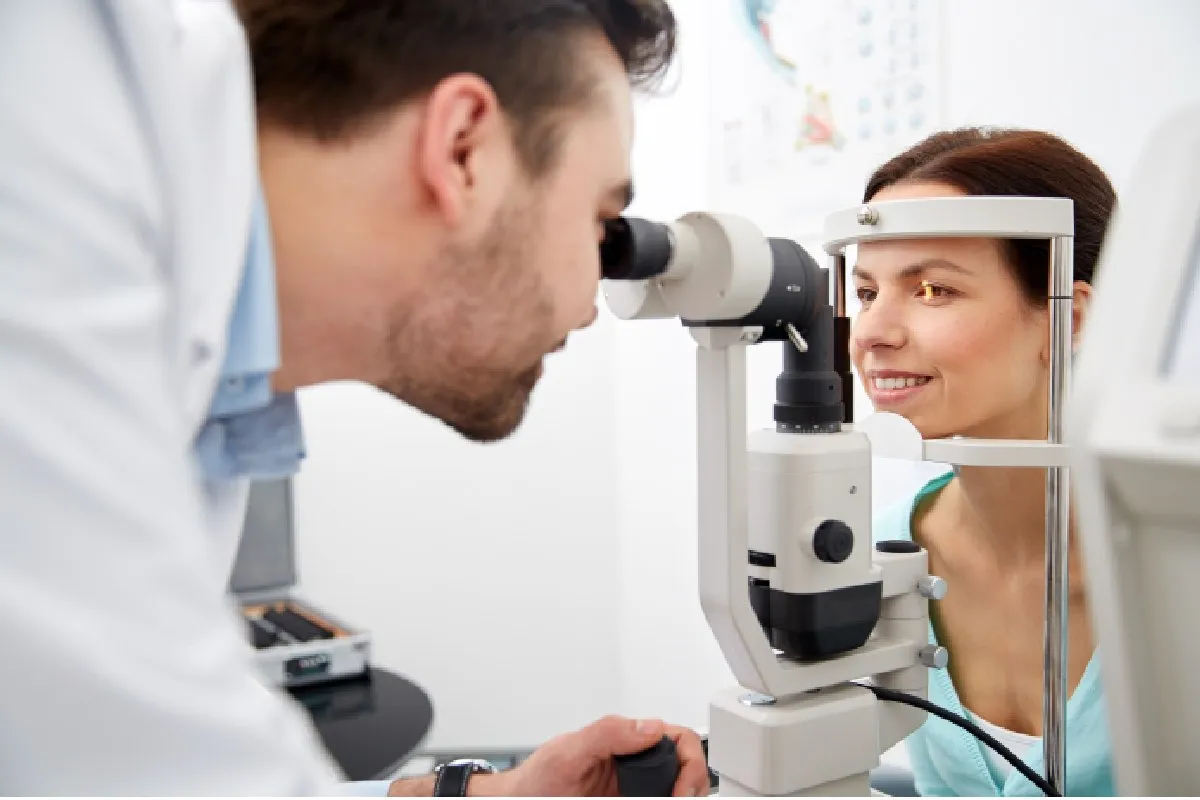
The core of the visit usually begins with a refractive eye examination, where the doctor uses a phoropter to determine your exact prescription for glasses or contact lenses, correcting nearsightedness, farsightedness, or astigmatism. Following this, the physical health of the eye is assessed. An eye examination for cataract involves using a slit-lamp biomicroscope to shine a high-intensity light into the eye, allowing the doctor to examine the crystalline lens for any clouding or opacities that could be obstructing vision.
Screening for Silent Diseases
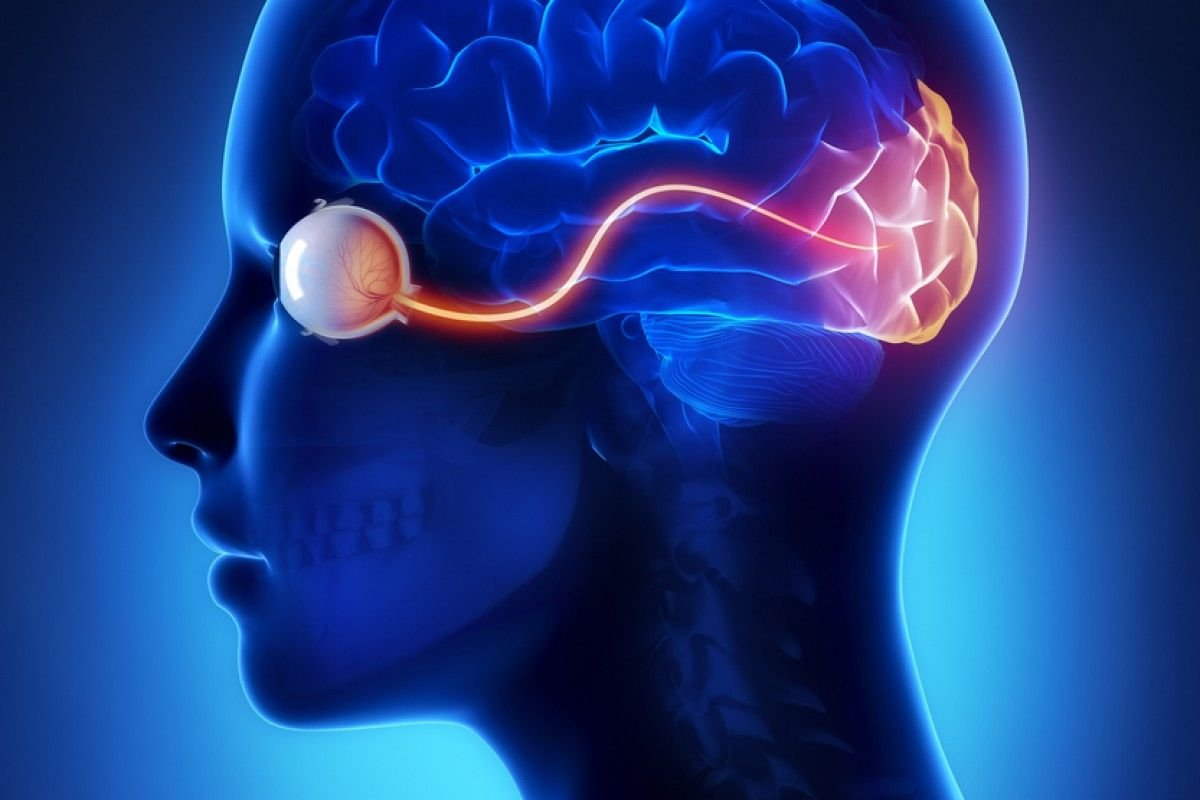
Dilating drops are often used to widen the pupil, providing a clear window to the retina and optic nerve at the back of the eye. This is essential because, during an eye examination glaucoma signs are primarily detected by observing the shape and color of the optic nerve head. The doctor will also measure your intraocular pressure (IOP) using a tonometer. Advanced imaging, such as Optical Coherence Tomography (OCT), may be used to capture high-resolution, cross-sectional images of the retina and optic nerve, allowing the eye examiner to detect microscopic damage years before it affects your vision.
If the exam reveals a refractive error, the immediate treatment is prescribing corrective lenses to restore clear, comfortable vision. For functional issues like convergence insufficiency or a lazy eye, particularly found during a children eye examination, the doctor may prescribe vision therapy. This involves a customized program of eye exercises designed to retrain the brain and eye muscles to work together effectively, rehabilitating the patient’s binocular vision.
Medical Interventions
If a disease is detected, the exam immediately transitions into treatment planning. If an eye examination for cataract shows that the lens clouding is severely impacting daily life, the doctor will discuss surgical rehabilitation to replace the lens. If elevated eye pressure or optic nerve damage is found, prescription eye drops or laser treatments are typically initiated right away to halt the progression of glaucoma and preserve the remaining visual field.
Long-term eye care relies on sticking to a routine examination schedule. For healthy adults, a comprehensive exam is generally recommended every one to two years. However, individuals with diagnosed eye conditions, systemic diseases like diabetes, or a strong family history of vision loss will need to be monitored much more frequently.
Lifelong Vision Preservation
The ultimate goal of lifelong eye care is to prevent irreversible vision loss. By keeping up with scheduled exams, your doctor can track subtle changes in your vision and eye anatomy over time. Consistent monitoring ensures that your corrective lens prescriptions are up-to-date, reducing daily eye fatigue, and guarantees that any emerging diseases are treated aggressively before they can permanently impact your independence and quality of life.
Can you cure uveitis? This is the ultimate treatment guide, exploring powerful medical options and essential steps for lasting relief. Uveitis is a serious eye
Uveitis is a complex inflammatory condition affecting millions worldwide. It is the leading cause of vision loss among working-age populations. Timely and effective uveitis therapy is key.
Anterior disease includes many medical conditions that affect important body parts. These need quick diagnosis and expert care to avoid serious problems. At Liv Hospital, we combine
Don’t ignore these 7 alarming uveitis symptoms. This essential guide explains eye inflammation and what you must do to protect your vision. We’re here to