Learn about Glaucoma, a group of eye conditions that damage the optic nerve. Understand the importance of early detection and the basics of this silent condition.
We're Here to Help. Get in Touch.
Send us all your questions or requests, and our expert team will assist you.
Overview and Definition
What Is Glaucoma ?
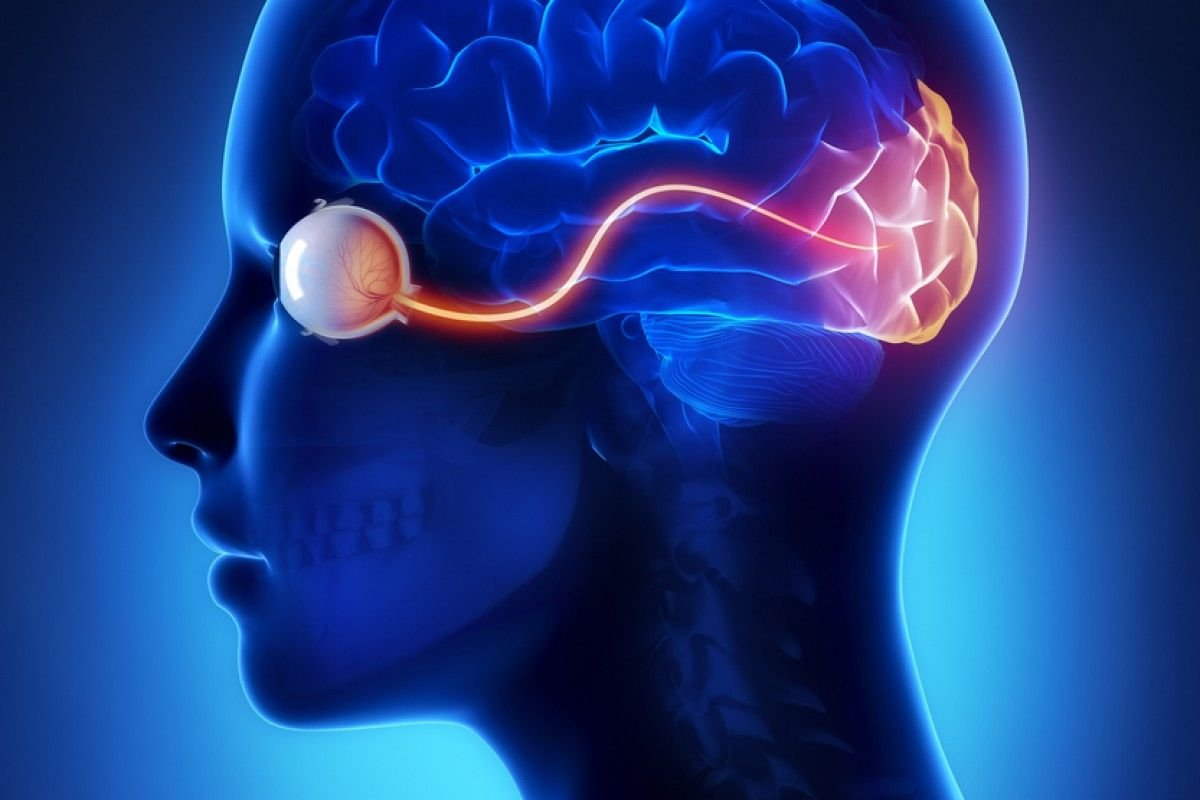
Glaucoma is the medical term for a group of eye diseases that lead to progressive damage of the optic nerve. This nerve is responsible for transmitting visual information from the eye to the brain, and its health is vital for clear sight.
In most cases, this damage is associated with higher than normal pressure inside the eye, which is known as intraocular pressure. If left unmanaged, the condition can lead to permanent loss of vision. It is often called the silent thief of sight because it can develop slowly without a person noticing anything is wrong until the later stages.
The Role Of The Optic Nerve
The optic nerve is like a high speed cable made of over a million tiny nerve fibers. It connects the back of the eye to the visual cortex of the brain. When pressure inside the eye increases, it physically compresses these delicate fibers.
As the fibers die off, the connection between the eye and the brain weakens. Because the brain is very good at filling in gaps, you might not notice the small blind spots that develop early on.
This is why preserving the health of this nerve is the primary goal of any intervention in this field.
Different Types Of The Condition
There are several ways this condition can manifest, and understanding the type is essential for management.
Open angle is the most common form where the drainage angle remains open but fluid passes too slowly.
Angle closure is a less common but more urgent form where the drainage angle becomes blocked.
Normal tension occurs when damage happens even though eye pressure remains in the typical range.
Secondary types can develop due to other issues like injuries, certain medications, or other eye diseases.
Congenital types are present at birth or develop in early childhood due to developmental issues.
Symptoms and Causes
Recognizing Silent Symptoms
In the most common form, open angle glaucoma, there are virtually no symptoms in the early stages. Vision remains clear and there is no pain. As the disease progresses, patients may begin to notice a gradual loss of peripheral side vision, often described as tunnel vision. In contrast, acute angle closure glaucoma is a medical emergency and presents with sudden symptoms such as:
Severe eye and brow pain
Sudden blurred vision or seeing halos around lights
Nausea and vomiting accompanying eye pain
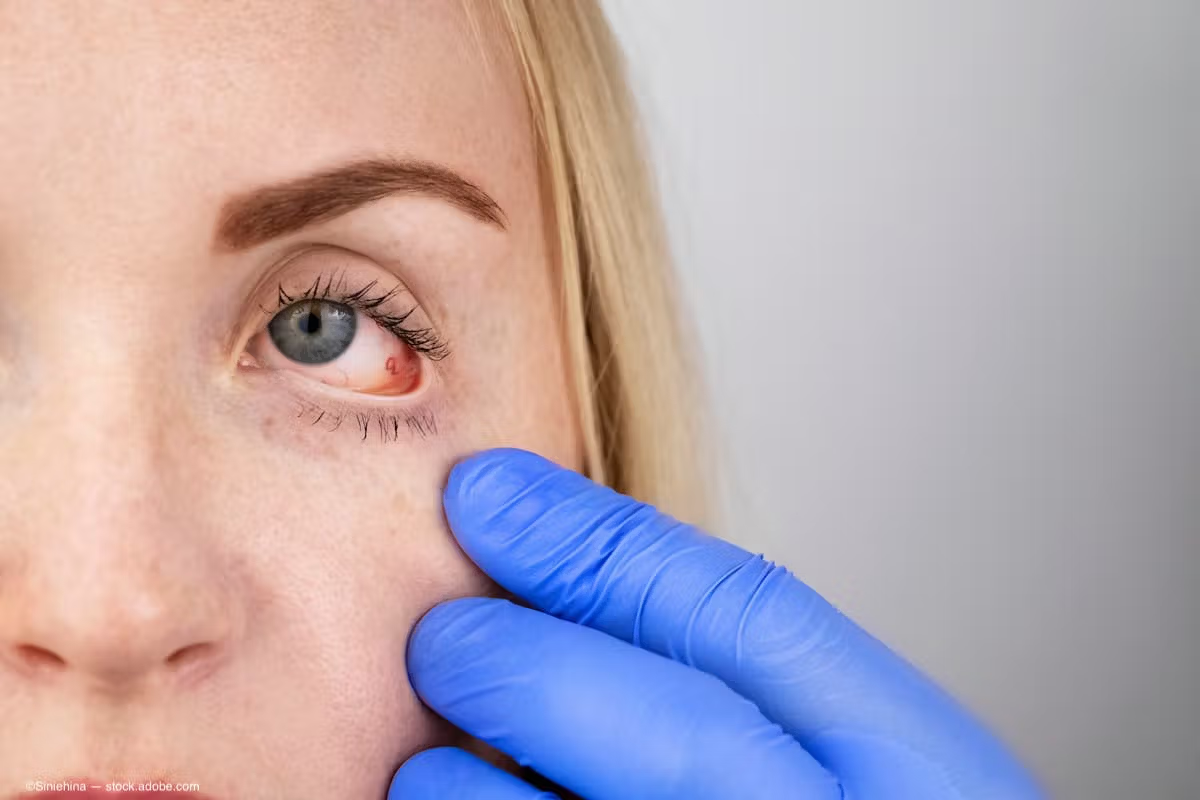
Significant redness in the eye
Primary Causes and Risk Factors
The primary cause of glaucoma is the buildup of intraocular pressure, which occurs when the eye’s natural fluid, the aqueous humor, cannot drain properly. This drainage failure can be due to a clogged meshwork or a structural blockage. While the exact reason for this failure is not always clear, risk factors include:
Age over sixty and a family history of the condition
To diagnose glaucoma, a specialist must perform more than a simple vision screening. During a comprehensive exam, doctors use tonometry to measure the internal pressure of the eye. Another critical test is gonioscopy, which allows the surgeon to inspect the drainage angle where the iris meets the cornea. The optic nerve is also examined directly through a dilated eye exam to look for physical changes known as cupping, which indicates nerve fiber loss.
Advanced Imaging and Field Testing
Modern technology provides precise data to track the progression of the disease. Practitioners use:
Optical Coherence Tomography (OCT) to measure the thickness of the nerve fiber layer.
Visual field testing to map out the patient’s peripheral vision and detect blind spots.
Pachymetry to measure corneal thickness, which can influence pressure readings.
Fundus photography to keep a visual record of the optic nerve’s appearance over time.
The most common treatment for glaucoma is the daily use of medicated eye drops. These drops work by either decreasing the amount of fluid the eye produces or by improving the outflow of fluid through the drainage angle. Consistency is vital, as skipping doses can lead to pressure spikes and further nerve damage. In some cases, oral medications may also be used as a temporary measure to lower pressure.
Laser and Surgical Interventions
When medication is not enough, several procedures can help stabilize the condition:
Selective Laser Trabeculoplasty (SLT) to help fluid drain more easily from the eye.
Laser Peripheral Iridotomy (LPI) for patients with narrow or closed angles.
Trabeculectomy, a surgical procedure that creates a new drainage path for the fluid.
Glaucoma drainage implants (shunts) to redirect excess fluid.
MIGS (Minimally Invasive Glaucoma Surgery) which offers a faster recovery for milder cases.
After a glaucoma procedure, the eye needs time to heal and adjust to the new pressure levels. Patients should follow these guidelines:
Wear a protective eye shield, especially during sleep.
The administrator prescribed antibiotic and anti-inflammatory drops as directed.
Avoid rubbing or putting any pressure on the treated eye.
Limit activities such as heavy lifting, bending over, or swimming for several weeks.
Long Term Monitoring
Recovery from glaucoma surgery is a gradual process. Vision may be blurry for a few days or weeks as the eye stabilizes. It is crucial to attend all follow up appointments so the doctor can monitor the new drainage site and ensure the pressure is at the target level. Even after successful surgery, patients must understand that glaucoma is a lifelong condition that requires ongoing monitoring to protect the remaining vision.
Can you cure uveitis? This is the ultimate treatment guide, exploring powerful medical options and essential steps for lasting relief. Uveitis is a serious eye
Uveitis is a complex inflammatory condition affecting millions worldwide. It is the leading cause of vision loss among working-age populations. Timely and effective uveitis therapy is key.
Anterior disease includes many medical conditions that affect important body parts. These need quick diagnosis and expert care to avoid serious problems. At Liv Hospital, we combine
Don’t ignore these 7 alarming uveitis symptoms. This essential guide explains eye inflammation and what you must do to protect your vision. We’re here to