Learn about Glaucoma Surgery, its types, and how it helps lower eye pressure. Explore symptoms, diagnosis, and recovery in this comprehensive guide by Liv Hospital.
Send us all your questions or requests, and our expert team will assist you.
Glaucoma Surgery refers to a group of medical procedures designed to lower intraocular pressure within the eye to prevent further damage to the optic nerve. When standard treatments like eye drops fail to sufficiently control the internal pressure, surgical intervention becomes necessary.
The primary objective is not to restore vision that has already been lost but to preserve the remaining sight by improving fluid drainage or reducing fluid production. At Liv Hospital, we utilize the most advanced surgical technologies to provide patients with long term stability for their ocular health. This intervention is often the most effective way to manage advanced cases where the optic nerve is under constant threat from high pressure levels.


The eye produces a clear fluid called aqueous humor that normally drains out through a specialized meshwork. In patients requiring this intervention, the drainage system is either blocked or inefficient, causing pressure to build up. This buildup of pressure is much like a clogged pipe in a plumbing system; if the fluid has nowhere to go, the resulting force damages the most delicate part of the eye, which is the optic nerve.
By achieving a lower and more stable pressure level, surgeons can stop the progressive death of nerve fibers that leads to blindness, allowing patients to maintain their independence.


Modern medicine offers several approaches depending on the severity and type of the condition. Each method is chosen based on how much the pressure needs to be lowered and the specific anatomy of the patient’s eye.
Symptoms and Causes
Many patients do not realize they need surgery until the later stages because the condition is often painless and gradual. It is frequently referred to as the silent thief of sight. However, as the pressure remains high, specific signs begin to emerge that indicate the need for a more permanent solution than just eye drops. These include a noticeable loss of peripheral or side vision, which often makes the patient feel as if they are looking through a tunnel.

Some individuals report seeing halos or rainbow colored rings around lights at night. In acute cases, sudden and severe eye pain accompanied by redness and nausea may occur. This marks a medical emergency that requires immediate surgical intervention to save the sight. If these symptoms occur, the high pressure must be reduced immediately to prevent total vision loss within a matter of hours.
Diagnosis and Tests
Before recommending a procedure, specialists perform a detailed assessment of the eye’s internal dynamics. This is not a simple checkup; it is a deep dive into the health of the optic nerve and the efficiency of the drainage angle. At Liv Hospital, we use tonometry to measure the current intraocular pressure with high precision.
We also conduct ophthalmoscopy to inspect the color and shape of the optic nerve, looking for signs of physical damage. Visual field testing is performed to map the extent of any vision loss, and gonioscopy allows the surgeon to examine the drainage angle of the eye directly. These tests collectively help determine if surgery is the best path forward to protect the patient’s long term vision.
Treatment and Procedures
The surgical process is typically performed as an outpatient procedure under local anesthesia, meaning the patient can usually go home the same day. The surgeon works under a high powered microscope to manipulate tissues often thinner than a human hair. Whether it involves a glaucoma laser surgery or a traditional incision, the focus remains on creating a reliable and consistent pressure relief system.
During the procedure, the patient might feel a sense of pressure but generally no sharp pain. Our clinical team monitors every heartbeat and breath to ensure the highest safety standards during these delicate interventions. Advanced imaging and real time monitoring allow the surgeon to place micro stents or create drainage flaps with extreme accuracy, reducing the risk to surrounding ocular tissues.
Post-Surgery Care
Recovery is a gradual process that requires patient diligence and frequent follow up visits. It is a partnership between the surgeon and the patient to ensure the new drainage site stays functional.
Most patients can return to light activities within a few days, but the internal healing of the eye and the stabilization of vision continue for several months.
While the technology at Liv Hospital minimizes complications, every surgical procedure carries some level of risk that must be weighed against the risk of going blind from the disease itself. Potential issues include temporary inflammation, fluctuations in eye pressure that might be too high or too low, or the development of cataracts over time. In some cases, the body’s natural healing response might try to close the new drainage hole, necessitating a minor revision. Discussing these factors with a specialized surgeon ensures that the patient has realistic expectations and is fully prepared for the journey toward sight preservation.
The field of ocular surgery has moved from large incisions to microscopic interventions. This progress means that the procedures are safer and more effective than ever before. We no longer wait for a patient to be nearly blind before recommending surgery; instead, we intervene early with minimally invasive techniques to keep the eye healthy for as long as possible. This proactive approach is the hallmark of modern glaucoma management at Liv Hospital, where we combine surgical excellence with compassionate care to achieve the best possible outcomes for our patients.
At Liv Hospital, we believe that an informed patient is a safer patient. Understanding the mechanics of how surgery works and why it is necessary helps reduce the anxiety often associated with eye procedures. We provide comprehensive resources to help families navigate the decision making process and support their loved ones through the recovery phase. Education is the first step in the fight against irreversible vision loss, and we are dedicated to providing the tools and expertise needed to win that fight.

Send us all your questions or requests, and our expert team will assist you.
Unfortunately, no surgical procedure can restore vision lost to optic nerve damage; the goal is strictly to save the remaining sight.
Success is measured by reaching a stable, lower eye pressure and seeing no further changes in your visual field tests during follow up.
Yes, a scratchy or “sandy” feeling is very common due to the tiny stitches or the incision, and it usually improves within a week.
Many patients can stop or reduce their drops, but some may still need a small amount to keep the pressure at the target level.
It is generally recommended to wait at least one to two weeks, but you must get specific clearance from your surgeon first.

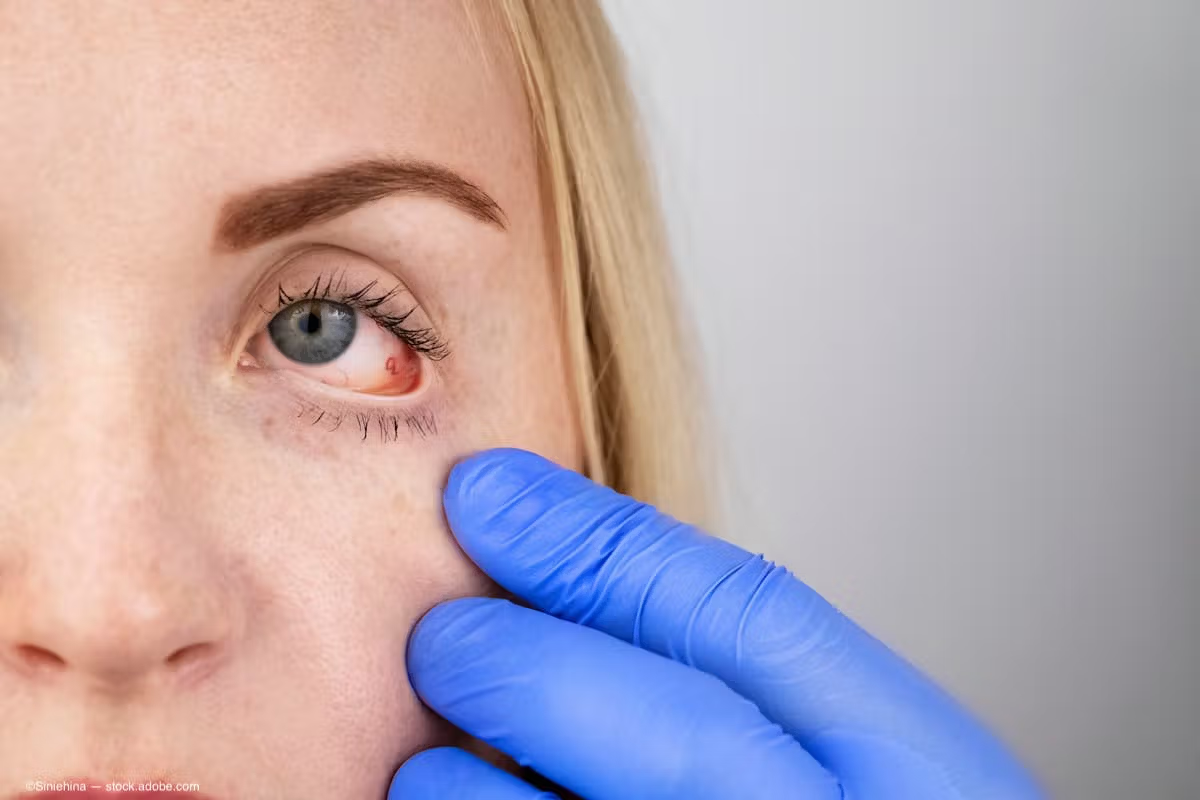
Can you cure uveitis? This is the ultimate treatment guide, exploring powerful medical options and essential steps for lasting relief. Uveitis is a serious eye

Uveitis is a complex inflammatory condition affecting millions worldwide. It is the leading cause of vision loss among working-age populations. Timely and effective uveitis therapy is key.

Uveitis is a disease that causes inflammation of the uvea, the middle layer of the eye. It can lead to eye pain, redness, and vision
Anterior disease includes many medical conditions that affect important body parts. These need quick diagnosis and expert care to avoid serious problems. At Liv Hospital, we combine
Don’t ignore these 7 alarming uveitis symptoms. This essential guide explains eye inflammation and what you must do to protect your vision. We’re here to

How do you know if you have eye inflammation? This guide reveals 7 critical signs you can’t afford to ignore. Get the essential facts now.

Leave your phone number and our medical team will call you back to discuss your healthcare needs and answer all your questions.
Leave your phone number and our medical team will call you back to discuss your healthcare needs and answer all your questions.
Your Comparison List (you must select at least 2 packages)