Discover the essentials of LASIK eye surgery. Learn about the definition, benefits, and how this advanced technology restores clear vision and visual freedom.
We're Here to Help. Get in Touch.
Send us all your questions or requests, and our expert team will assist you.
Overview and Definition
What Is LASIK?
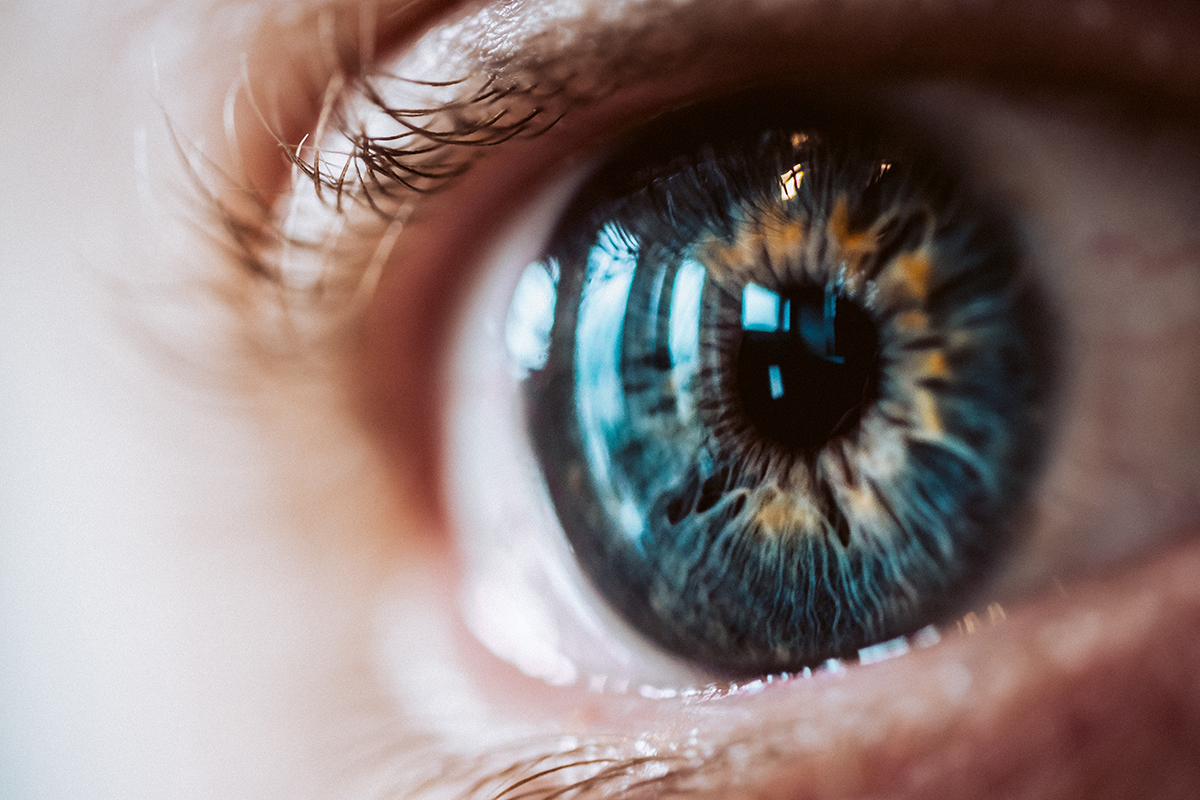
LASIK is a highly advanced type of refractive eye surgery designed to correct common vision problems and reduce or eliminate the need for eyeglasses or contact lenses. The name is an acronym for Laser Assisted In Situ Keratomileusis. This medical procedure works by permanently changing the shape of the cornea, which is the clear front part of the eye. By reshaping this tissue, the eye can properly focus light onto the retina at the back of the eye, resulting in sharp and crisp images.
It has become one of the most frequently performed elective surgeries in the world due to its high success rate and rapid recovery time. For millions of people, it represents a path to visual independence and a significant improvement in daily quality of life.
Understanding Lasik Eye Surgery
When people refer to lasik eye surgery, they are describing a two step clinical process that utilizes cold laser technology. In the first step, a surgeon creates a thin, protective flap on the surface of the cornea. In the second step, an excimer laser is used to remove microscopic amounts of tissue from the underlying corneal bed.
This reshaping is tailored to the unique anatomy of each patient’s eye. The goal of this surgical intervention is to fix the eye’s refractive error so that light rays land exactly where they should. This technology has evolved over decades, moving from manual blades to all laser systems that provide incredible precision and safety for the patient.
Symptoms and Causes
Why Patients Seek Intervention
Patients typically look into this option because they are frustrated by the limitations of uncorrected refractive errors. Symptoms include blurry distance vision, difficulty reading, frequent eye strain, and the physical inconvenience of wearing corrective lenses during active pursuits or sports.
The Root of Refractive Errors
The underlying physical causes that necessitate this surgery are structural imperfections in the eye:
Nearsightedness (Myopia): The eyeball is slightly too long, causing light to focus in front of the retina.
Farsightedness (Hyperopia): The eyeball is slightly too short, causing light to focus behind the retina.
Astigmatism: The cornea has an irregular, oval-like shape, scattering light to multiple focal points.
Not everyone is an ideal candidate for surgery. An ophthalmologist will conduct a comprehensive dilated eye exam to ensure your prescription has been stable for at least a year and that your eyes are entirely healthy.
Precision Mapping
To plan the surgery, doctors rely on advanced imaging:
Corneal Topography: This creates a highly detailed, 3D topographical map of the cornea’s surface, acting as a customized blueprint for the laser.
Pachymetry: This measures the exact thickness of your cornea. The cornea must be thick enough to safely undergo reshaping without compromising its structural integrity.
A standard lasik treatment is remarkably fast, usually taking less than 15 minutes for both eyes in an outpatient setting. After applying numbing drops, the surgeon uses a specialized femtosecond laser to create a microscopic, hinged flap on the surface of the cornea. This flap is gently folded back, and a cool excimer laser is used to vaporize targeted microscopic layers of the underlying corneal tissue, reshaping it to your exact prescription. The flap is then laid back down, acting as a natural bandage that begins sealing itself immediately.
Comparing PRK vs LASIK
A frequent point of discussion during surgical consultations is prk vs lasik. While both use the same excimer laser to reshape the underlying cornea, the way the surgeon accesses that tissue is distinctly different.
LASIK involves creating the aforementioned corneal flap.
PRK (Photorefractive Keratectomy) does not use a flap. Instead, the surgeon completely removes the ultra-thin outer layer of the cornea (the epithelium), which naturally grows back over a few days.
Because PRK does not leave a flap, it requires a longer and slightly more uncomfortable recovery period (often a few days to a week). However, PRK is often the recommended, safer alternative for patients with naturally thin corneas, a history of dry eyes, or those involved in high-impact contact sports where a corneal flap could theoretically be dislodged.
Recovery from LASIK is famously rapid. Most patients experience dramatically improved vision within 24 hours and can often drive and return to work the next day. The eyes may feel slightly gritty or water excessively for a few hours post-surgery. You will be prescribed protective eye shields to wear while sleeping and a strict regimen of antibiotic and anti-inflammatory eye drops to prevent infection and manage swelling.
Addressing the Big Question: Safety
Many patients understandably ask, is lasik safe? The candid answer is a resounding yes. Since its FDA approval, decades of clinical data and tens of millions of procedures have proven it to be one of the safest and most successful elective surgeries in modern medicine. The complication rate is exceptionally low—well below 1%.
In fact, clinical studies frequently note that long-term contact lens wear actually carries a higher risk of sight-threatening eye infections than undergoing this surgery. While minor, temporary side effects like dry eyes or nighttime halos are common during the initial healing phase, severe complications are exceedingly rare when the procedure is performed by an experienced surgeon on a properly screened candidate.
Can you cure uveitis? This is the ultimate treatment guide, exploring powerful medical options and essential steps for lasting relief. Uveitis is a serious eye
Uveitis is a complex inflammatory condition affecting millions worldwide. It is the leading cause of vision loss among working-age populations. Timely and effective uveitis therapy is key.
Anterior disease includes many medical conditions that affect important body parts. These need quick diagnosis and expert care to avoid serious problems. At Liv Hospital, we combine
Don’t ignore these 7 alarming uveitis symptoms. This essential guide explains eye inflammation and what you must do to protect your vision. We’re here to