ReLEx Smile delivering minimally invasive laser vision correction for faster recovery and long lasting visual clarity

Discover ReLEx SMILE, the next generation of laser eye surgery. Learn about this flapless, minimally invasive procedure for myopia and astigmatism correction.

We're Here to Help.
Get in Touch.

Send us all your questions or requests, and our expert team will assist you.

Doctors

Overview and definition

What Is ReLEx SMILE?

ReLEx SMILE is a revolutionary, minimally invasive laser eye surgery designed to correct vision errors like nearsightedness and astigmatism. The name stands for “Refractive Lenticule Extraction, Small Incision Lenticule Extraction.” Unlike traditional methods that require large incisions, this procedure uses a single, high-precision femtosecond laser to create a tiny, lens-shaped piece of tissue (lenticule) within the intact cornea.

This lenticule is then removed through a microscopic incision, typically measuring less than 4 millimeters. By removing this tissue, the surgeon reshapes the cornea to allow light to focus correctly on the retina. It is often described as “keyhole” surgery for the eye, representing a significant leap in surgical safety and patient comfort.

How ReLEx SMILE Eye Surgery Works

The mechanism of relex smile eye surgery is unique because it eliminates the need for a corneal flap. During the procedure, the laser pulses with extraordinary speed and precision to carve the lenticule inside the corneal stroma. Because the laser can “see” through the outer layers of the eye without damaging them, the surface of the cornea remains virtually untouched. Once the lenticule is formed, the surgeon manually extracts it through the small tunnel created by the laser. This process changes the curvature of the eye to neutralize the refractive error. The entire procedure is performed in a single step using the state-of-the-art VisuMax laser system, making it an efficient and highly accurate clinical option.

Symptoms and Causes

Icon LIV Hospital

Indications for Surgery

Intralase Treatment and Procedures

Patients seek out this procedure because they are experiencing the disruptive symptoms of uncorrected refractive errors. The most common symptom is blurred or fuzzy distance vision, making activities like driving, recognizing faces, or watching television difficult without corrective lenses.

Patients may also suffer from frequent eye strain, headaches, and the physical inconvenience or intolerance of wearing contact lenses or heavy glasses during sports and daily activities.

Icon 1 LIV Hospital

Underlying Anatomical Causes

Intralase Treatment and Procedures

The conditions that necessitate this surgery are structural. Nearsightedness (myopia) occurs when the eyeball is slightly too long from front to back, or when the cornea has too steep of a curvature. This causes light entering the eye to focus in front of the retina rather than directly on it.

Astigmatism occurs when the cornea is shaped irregularly, more like a football than a perfectly round sphere, scattering light rays to multiple focal points. The surgery directly addresses these physical causes by flattening and smoothing the corneal curvature.

Diagnosis and Tests

The Candidacy Evaluation

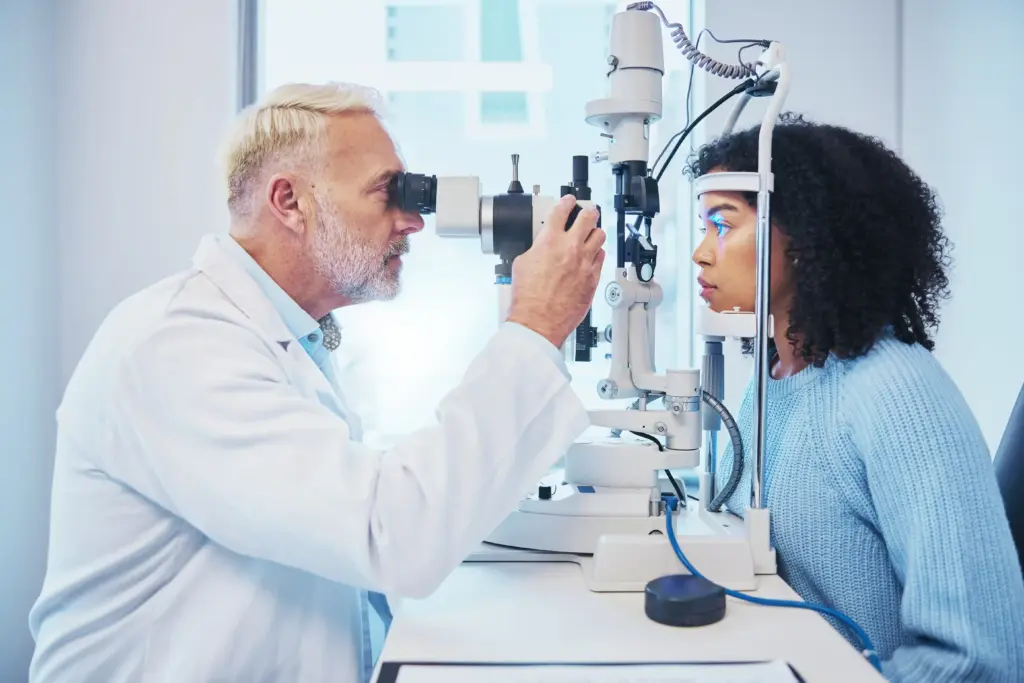
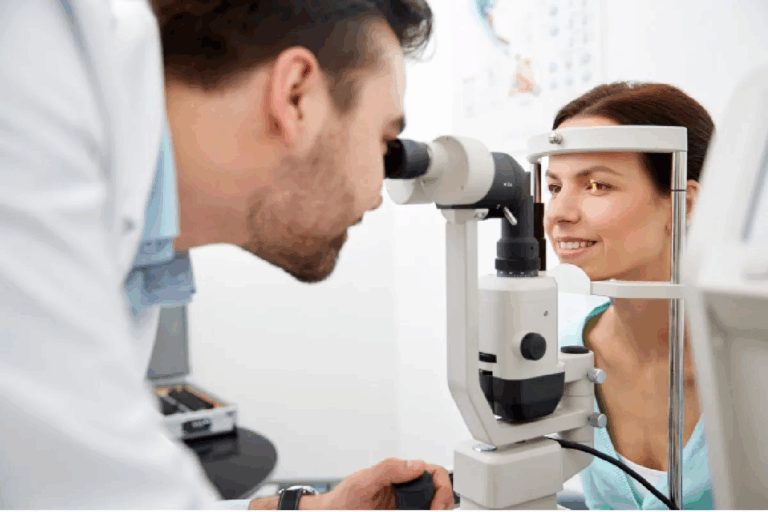
To determine if a patient is a safe candidate, an ophthalmologist conducts a comprehensive dilated eye exam. The patient’s prescription must be stable for at least one year. The doctor will thoroughly evaluate the overall health of the eye, checking for signs of cataracts, glaucoma, or severe ocular surface disease. While this procedure is excellent for patients with mild to moderate dry eye, severe dry eye must be treated before any surgical intervention.

Advanced Corneal Imaging

Precise diagnostic imaging is crucial for surgical planning.

  • Corneal Topography: This maps the surface of the eye in 3D to identify the exact degree and axis of astigmatism, ensuring no underlying diseases like keratoconus are present.
  • Pachymetry: This measures the exact thickness of the cornea using ultrasound or optical coherence tomography. Because the laser will be creating a lenticule inside the stromal layer, the surgeon must confirm that the patient has adequate corneal thickness to safely undergo the extraction without weakening the eye.
Strabismus Disorders

Treatment and Procedures

The SMILE Procedure

The procedure is performed in an outpatient setting and typically takes less than 15 minutes for both eyes. After numbing the eye with anesthetic drops, the surgeon uses a VisuMax femtosecond laser. In a single step lasting about 30 seconds, the laser pulses to outline a precise, customized lenticule within the middle layer of the cornea, and simultaneously creates a tiny 2 to 3-millimeter incision on the corneal surface. The surgeon then carefully extracts this lenticule through the small incision. Removing this tissue flattens the cornea, correcting the refractive error.

ReLEx SMILE vs LASIK

When evaluating ReLEx SMILE vs LASIK, the key difference lies in the surgical approach to the cornea. LASIK requires creating a 20-millimeter circular flap on the surface of the eye, which is folded back so an excimer laser can reshape the tissue underneath. SMILE is “flapless,” requiring only a 2-millimeter incision. Because SMILE does not sever as many superficial corneal nerves as LASIK, patients typically experience a significantly lower incidence of post-operative dry eye. Furthermore, the absence of a flap eliminates the risk of flap-related complications (such as dislocation from trauma), making SMILE an excellent choice for athletes or military personnel.

Post-Surgery Care

Immediate Recovery

Post-operative care is straightforward but critical for optimal healing. Patients are advised to rest with their eyes closed for a few hours immediately following the procedure. The eye may feel slightly scratchy or watery, but significant pain is rare. A regimen of antibiotic and anti-inflammatory eye drops must be strictly followed to prevent infection and control swelling. Preservative-free artificial tears are used to keep the eyes comfortable and lubricated.

Visual Recovery and Long-Term Healing

The physical healing of the tiny 2-millimeter incision is incredibly fast, often sealing itself within 24 hours. Patients can usually return to normal activities, including showering and working on a computer, within a day or two. While visual recovery is rapid, it can sometimes take slightly longer to achieve perfect crispness compared to LASIK, with vision continuing to sharpen over the first few weeks as the cornea settles into its new shape. Patients must attend all scheduled follow-up appointments to ensure the eye is healing correctly and the refractive target was met.

30 Years of
Excellence

Trusted Worldwide

With patients from across the globe, we bring over three decades of medical

Book a Free Certified Online
Doctor Consultation

Clinics/branches
Op. MD. Ulviye Askerova Op. MD. Ulviye Askerova Ophthalmology
Group 346 LIV Hospital

Reviews from 9,651

4,9

Was this article helpful?

Was this article helpful?

We're Here to Help.
Get in Touch.

Send us all your questions or requests, and our expert team will assist you.

Doctors

FREQUENTLY ASKED QUESTIONS

Is the laser procedure painful?

No, powerful anesthetic eye drops are used to numb the eye completely; you may only feel a slight sensation of pressure during the 24-second laser application.

The actual laser time is less than 30 seconds per eye, and the entire process in the operating room is usually completed in 10 to 15 minutes.

Yes, you are awake and can follow simple instructions, but you will be very relaxed, and many clinics offer a mild sedative to help with any anxiety.

Yes, it is highly effective at correcting both nearsightedness and astigmatism in a single session.

Both are very safe, but this method is considered less invasive and carries no risk of flap complications, making it safer for certain active lifestyles.

Spine Hospital of Louisiana

Let's Talk About Your Health

BUT WAIT, THERE'S MORE...

Leave your phone number and our medical team will call you back to discuss your healthcare needs and answer all your questions.

Let's Talk About Your Health

How helpful was it?

helpful
helpful
helpful
Your Comparison List (you must select at least 2 packages)