
Oral papillomas are growths in the mouth, often from low-risk HPV. They can show up as bumps on the tongue, lips, and gums. This can cause discomfort and worry. Found an oral papilloma? This ultimate guide covers all proven treatment options, from simple removal to what to expect during recovery.
At Liv Hospital, we know how oral papillomas affect your health. Our team offers expert advice and proven treatments. We aim to help you manage these growths and regain your confidence.
It’s important to understand what causes papillomatous tongue and other oral papillomas. Knowing this helps you make better health choices.
Key Takeaways
- Understanding the causes of oral papillomas is essential for effective treatment.
- Oral papillomas are benign growths that can appear on the tongue, lips, and gums.
- Low-risk HPV types are often associated with the development of oral papillomas.
- Expert guidance and evidence-based treatment protocols can help manage oral papillomas.
- Liv Hospital is committed to delivering world-class medical outcomes and patient-centered care.
What Is Oral Papilloma? Definition and Key Characteristics
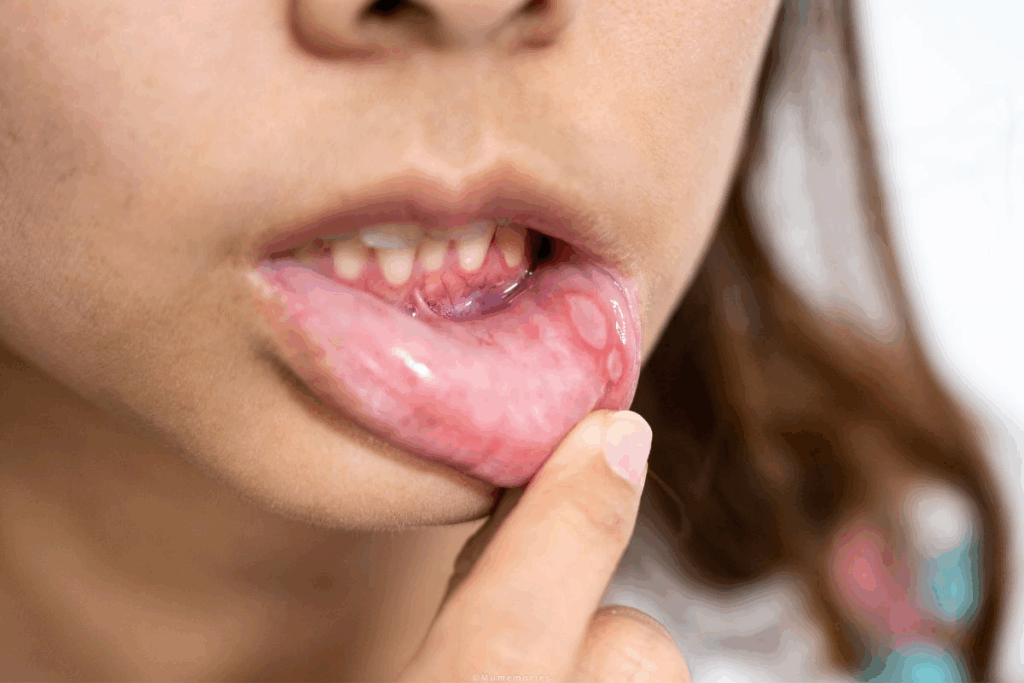
Oral papilloma is a common, non-cancerous growth in the mouth. It can appear as one or more lesions. The color of these growths changes based on how much keratin they have.
Clinical Definition and Terminology
Oral papillomas grow out from the mucosal surface. They are called squamous papillomas because they start from the squamous epithelium. The name “papilloma” comes from their cauliflower-like shape.
Key Clinical Features:
- Benign growth pattern
- Exophytic projections
- Origin from squamous epithelium
Common Locations: Tongue, Lips, Gums, and Palate
Oral papillomas can show up anywhere in the mouth. They often appear on the tongue, lips, gums, and palate. Where they are can affect how they look and feel.
Location | Frequency | Clinical Notes |
Tongue | Common | Often presents as a painless growth |
Lips | Less Common | May be associated with trauma or irritation |
Gums | Common | Can be mistaken for other gingival lesions |
Palate | Less Common | May vary in appearance based on keratinization |
Visual Appearance and Physical Characteristics
Oral papillomas look different. They are usually pink or white. The surface can be smooth or have finger-like projections. They are usually painless unless hurt.
These growths are small, from a few millimeters to a few centimeters. They don’t spread to other tissues. But, they can cause irritation or discomfort if they get big.
Understanding oral papillomas is key for diagnosis and treatment. Knowing their features and where they often appear helps doctors manage them.
Causes and Risk Factors Behind Oral Papillomas
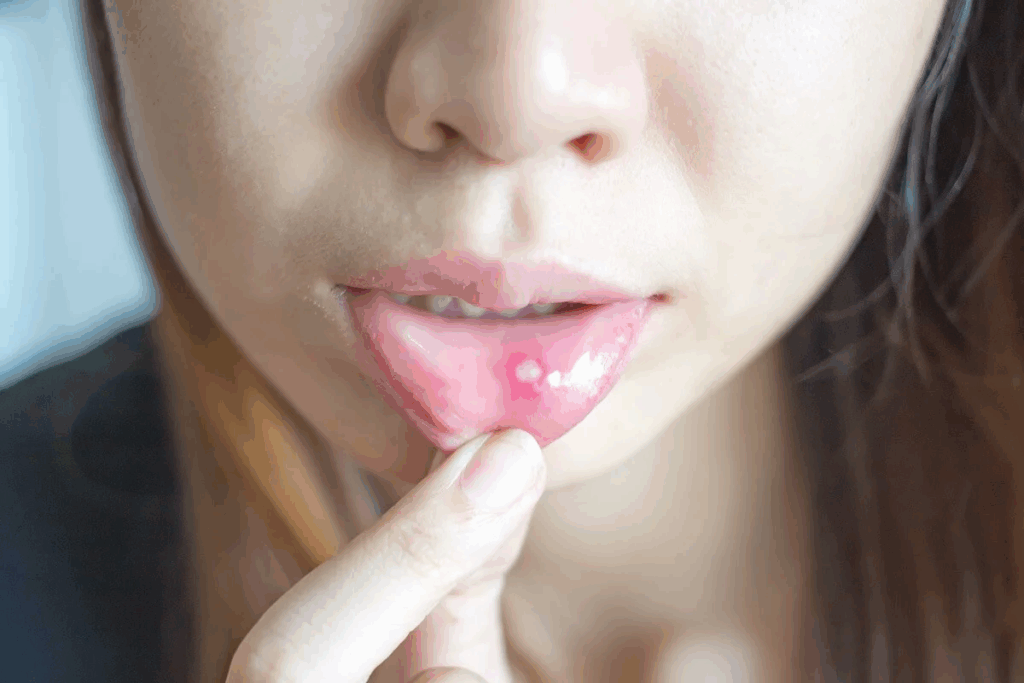
Oral papillomas can appear due to viral infections. These are benign growths in the mouth. They mainly come from certain human papillomavirus (HPV) strains.
HPV Types 6 and 11: The Primary Culprits
Low-risk HPV types 6 and 11 cause oral papillomas. These viruses lead to benign lesions in the mouth. Unlike high-risk types, they don’t cause cancer.
Studies confirm that HPV types 6 and 11 are the main culprits. They are responsible for most cases.
Transmission Methods and Exposure Risks
HPV is highly contagious. It spreads through direct contact. This includes skin-to-skin or touching infected surfaces.
It can spread through sexual contact. This makes it common among those who are sexually active.
Age Demographics and Susceptibility Factors
Oral papillomas can affect anyone, but some groups are more at risk. Children and young adults are more likely to get them. People with weak immune systems are also more prone.
Immune System’s Role in Development
The immune system is key in fighting oral papillomas. A strong immune system can fight off HPV and prevent papillomas. But a weak immune system may not be able to, leading to growths.
Recognizing Oral Papilloma: Signs and Symptoms
Oral papillomas can be spotted by their unique look and symptoms. These growths are usually harmless and can pop up in different parts of the mouth.
Visual Identification of Papillomatous Growths
Oral papillomas look like rough, solid bumps or soft, hanging masses. They can show up on the tongue, lips, gums, and roof of the mouth. These growths are often small and might be the same color as your skin or a bit lighter.
When we check the mouth, we look for signs of papilloma oral or papilloma tongue. These growths are usually painless but can be annoying, like when they touch food or dental tools.
Distinguishing Features from Other Oral Lesions
It’s key to tell oral papillomas apart from other mouth growths. Papillomas have a clear edge and look like cauliflower. They often appear alone but can sometimes show up in groups, known as papillomatosis mouth.
It’s important to tell them apart from other growths like fibromas, verrucous carcinoma, or tongue papilloma. A detailed check-up and, if needed, a biopsy can confirm the diagnosis.
Warning Signs That Require Medical Attention
Even though oral papillomas are usually harmless, some signs need a doctor’s visit. Look out for fast growth, color changes, or pain. Also, if a papilloma gets in the way of eating or talking, see a doctor.
If you spot any odd growths in your mouth, see a healthcare expert. Early check-ups can figure out what the growth is and what to do next.
Diagnosis Process for Oral Papilloma
To find out if you have an oral papilloma, doctors use a few steps. They look at your mouth and do tests. This helps them know what you have and how to treat it.
Initial Clinical Examination Steps
First, doctors look at your mouth. They check for any growths or odd spots. They note the size, shape, color, and where it is. Oral papillomas are usually small and harmless.
Biopsy Procedures and What to Expect
If a growth looks like a papilloma, a biopsy might be needed. This means taking a small piece of tissue for a closer look. It’s done with a numbing shot to make it less painful.
Laboratory Testing and HPV Identification
The tissue sample goes to a lab for more checks. They might test for human papillomavirus (HPV). This helps doctors know for sure what you have and how to help you.
Differential Diagnosis Considerations
Doctors have to tell apart oral papillomas from other growths. They use a detailed check-up, biopsy, and lab tests. This way, they can make a correct diagnosis.
Diagnostic Step | Purpose | Key Findings |
Clinical Examination | Visual inspection of oral cavity | Identification of lesion characteristics |
Biopsy | Histopathological evaluation | Confirmation of papilloma or other lesions |
Laboratory Testing | HPV identification | Presence of HPV types 6 and 11 |
Medical Treatment Options for Oral Papilloma
Understanding the treatment options for oral papillomas is key. The right approach depends on the papilloma’s size, location, and how many there are. It also depends on the patient’s health.
Surgical Excision Techniques
Surgical removal is a common and effective way to treat oral papillomas. Surgical excision techniques involve the removal of the papilloma under local anesthesia. This makes the process comfortable for the patient. The choice of technique depends on the papilloma’s size and location.
For small, pedunculated papillomas, a simple excision with a scalpel might be enough. But for larger or sessile lesions, laser surgery might be needed.
Treatment Method | Indications | Advantages |
Surgical Excision | Large, persistent, or symptomatic papillomas | Effective, allows for histopathological examination |
Cryotherapy | Small, superficial papillomas | Minimally invasive, quick recovery |
Intralesional Injections | Persistent or recurrent papillomas | Less invasive than surgery, can stimulate immune response |
Cryotherapy Procedures
Cryotherapy uses extreme cold to destroy abnormal tissue. It’s a minimally invasive option for treating small, superficial oral papillomas. The procedure is quick and can be done in a clinic without general anesthesia.
“Cryotherapy is a valuable treatment modality for oral papillomas, it causes minimal tissue damage and heals quickly.”
– Journal of Oral Pathology
Intralesional Medication Injections
Intralesional injections put medication directly into the papilloma. This method is good for persistent or recurrent lesions. The medications used can include antiviral or immunomodulatory agents to reduce the papilloma’s size and activity.
When Treatment Is Necessary vs. Observation
Deciding whether to treat an oral papilloma depends on several factors. These include the papilloma’s size, location, symptoms, and the patient’s health. Sometimes, observation may be recommended for small, asymptomatic papillomas. But if the papilloma is causing discomfort, is cosmetically concerning, or shows signs of dysplasia, treatment is usually needed.
It’s important to weigh the benefits and risks of each treatment option. This helps determine the best course of action for each patient.
Alternative and Supportive Treatment Approaches
Along with medical treatments, other methods can help manage oral papilloma. These methods help the body heal naturally and improve overall health.
Topical Treatments and Their Efficacy
Topical treatments are applied directly to the oral papilloma. They include creams or gels that may reduce the size or discomfort. The success of these treatments depends on the individual case and the type of papilloma.
Immunomodulatory Therapies
Immunomodulatory therapies boost the body’s immune response against HPV, the virus causing oral papillomas. These therapies are great for patients with recurring or persistent lesions. They help the immune system fight the virus, reducing oral papilloma occurrences.
Complementary Approaches to Support Healing
Complementary methods like dietary changes, stress management, and supplements support healing. Eating a balanced diet rich in vitamins and minerals is key. Practices like meditation or yoga also help manage stress, which is vital for health.
Oral Hygiene Practices During Treatment
Good oral hygiene is essential during oral papilloma treatment. Regular brushing, flossing, and using antibacterial mouthwashes prevent infections and aid healing. Regular dentist visits are also important for check-ups and cleanings.
Natural Course and Self-Resolution of Oral Papillomas
The body’s immune response is key in fighting off oral papillomas. Many cases clear up on their own. Oral papillomas, caused by the human papillomavirus (HPV), can go away as the immune system fights the virus.
Immune Response and Natural Clearance Rates
Research shows that a lot of oral HPV infections clear up naturally within a year. About 63 to 70 percent of people with oral HPV infections see it go away within 12 months. This shows how important a strong immune system is.
A strong immune response can make oral papillomas go away. Things like overall health and other infections can affect how well the immune system works.
Typical Timeline for Spontaneous Resolution
The time it takes for oral papillomas to go away can vary a lot. Some may go away in a few months, while others may take longer. Usually, if they go away on their own, it happens in 1-2 years.
- Early stages: The immune system starts to fight the HPV virus.
- Within 6-12 months: Many oral papillomas start to go away.
- 1-2 years: Most cases of spontaneous resolution happen within this time.
Monitoring Techniques for Self-Resolving Lesions
For oral papillomas that might go away on their own, regular checks are important. This helps make sure they don’t cause problems. This includes:
- Regular doctor visits to check the size and look of the papilloma.
- Telling patients about signs and symptoms that mean they need to see a doctor.
- Follow-up visits to see if the lesion is getting better or worse.
Low Risk of Malignant Transformation
Oral papillomas, mostly caused by low-risk HPV types (like HPV 6 and 11), have a very low chance of turning into cancer. This risk is much lower than with high-risk HPV types.
“Most oral papillomas are harmless and have a low chance of becoming cancerous, making them likely to go away on their own.”
Expert Opinion
In summary, knowing how oral papillomas work and how they can go away on their own can give patients and doctors peace of mind. A strong immune system is key to getting rid of them. Regular checks can help find cases that might need more attention.
Post-Treatment Care and Recurrence Prevention
Proper care after treatment is vital to avoid oral papilloma coming back. It also keeps your mouth healthy. After treatment, a detailed care plan is needed for the best healing and to lower recurrence risk.
Wound Care After Surgical Removal
After removing an oral papilloma, it’s important to care for the wound. Use saltwater rinses to keep it clean. Avoid foods that are spicy or sharp to prevent irritation.
Always follow your doctor’s specific instructions. They might have special advice for your situation.
Follow-up Schedule and Importance
Seeing your doctor regularly after treatment is key. These visits help check on the treated area and catch any signs of recurrence early.
Follow-up times can vary. You might need to see your doctor at 1, 3, and 6 months post-treatment, or more often if needed.
HPV Vaccination Considerations
For some, getting the HPV vaccine is part of their care plan. It protects against certain HPV strains linked to oral papillomas.
Talk to your doctor about the HPV vaccine. They can help you decide if it’s a good choice for you.
Lifestyle Modifications to Reduce Recurrence
Changing your lifestyle can help prevent oral papilloma from coming back. Practice good oral hygiene, don’t use tobacco, and drink less alcohol.
Eating a diet full of fruits and veggies is also good for your mouth. It can help lower recurrence risk.
The table below highlights important aspects of post-treatment care and preventing recurrence for oral papilloma:
Aspect | Recommendation | Benefit |
Wound Care | Keep wound clean with saltwater rinses | Promotes healing, prevents infection |
Follow-up | Regular appointments with healthcare provider | Early detection of recurrence |
HPV Vaccination | Discuss with healthcare provider | Protection against HPV strains |
Lifestyle | Good oral hygiene, avoid tobacco, limit alcohol | Reduces risk of recurrence |
Conclusion: Moving Forward After Oral Papilloma Treatment
As we wrap up our guide on oral papilloma treatment, it’s clear that recovery is possible with the right care. Treatment options range from surgery to alternative therapies. Knowing these choices is key to managing the condition well.
We’ve looked at what causes oral papillomas, who’s at risk, and how they’re diagnosed. We’ve also covered the different ways to treat them. Understanding these helps people make smart choices about their care.
After treatment, it’s vital to focus on post-care and preventing recurrence. This includes proper wound care, regular check-ups, and considering the HPV vaccine. These steps help lower the chance of the condition coming back and ensure a full recovery.
Our aim is to offer full support during the treatment process. With proper care and attention, people can beat oral papilloma and keep their mouth healthy.
FAQ
What is oral papilloma, and how does it occur?
Oral papilloma is a non-cancerous growth in the mouth. It’s mainly caused by HPV types 6 and 11. You can find it on the tongue, lips, gums, and palate.
What are the symptoms of oral papilloma?
Oral papillomas look like small, cauliflower-like growths. They are usually painless but can cause discomfort or trouble with eating and speaking.
How is oral papilloma diagnosed?
First, a doctor will do a visual check. Then, a biopsy might be needed to confirm HPV presence. Lab tests help identify the virus and rule out other conditions.
What are the treatment options for oral papilloma?
Treatments include surgery, cryotherapy, and injections. The choice depends on the size, location, and number of growths, and the patient’s health.
Can oral papilloma resolve on its own?
Yes, the immune system can clear the virus. But, how long it takes can vary. It’s important to keep an eye on it.
How can I prevent the recurrence of oral papilloma?
To prevent it from coming back, keep your mouth clean, avoid tobacco and alcohol, and get vaccinated against HPV. Regular check-ups are also key.
Is there a risk of oral papilloma becoming cancerous?
The chance of it turning cancerous is low, mainly for HPV types 6 and 11. But, it’s important to have any growths checked by a doctor.
What is the role of the immune system in oral papilloma development?
A strong immune system helps fight off HPV and prevent oral papillomas. People with weak immune systems are more likely to have persistent infections.
Can I treat oral papilloma with alternative or complementary therapies?
Some alternative methods might help, but they shouldn’t replace medical treatment. Your doctor might suggest topical treatments or immunomodulatory therapies along with standard treatments.
How can I care for my oral health during oral papilloma treatment?
Keep your mouth clean by brushing and flossing regularly. Avoid irritants and go to all your follow-up appointments to help your mouth heal and prevent it from coming back.
What are the benefits of HPV vaccination in preventing oral papilloma?
The HPV vaccine can prevent infections with HPV types that cause oral papillomas. It’s a key preventive step, mainly for those at high risk.
References
Government Health Resource. Oral Papilloma: Treatment Options and Management of Symptoms. Retrieved from https://www.aafp.org/afp/2016/0515/p862.html