Işıl Yetişkin is a versatile Content Writer with 9 years of professional…
View author profile →We review our content at regular intervals and update it whenever new research or a change in clinical guidelines requires it.


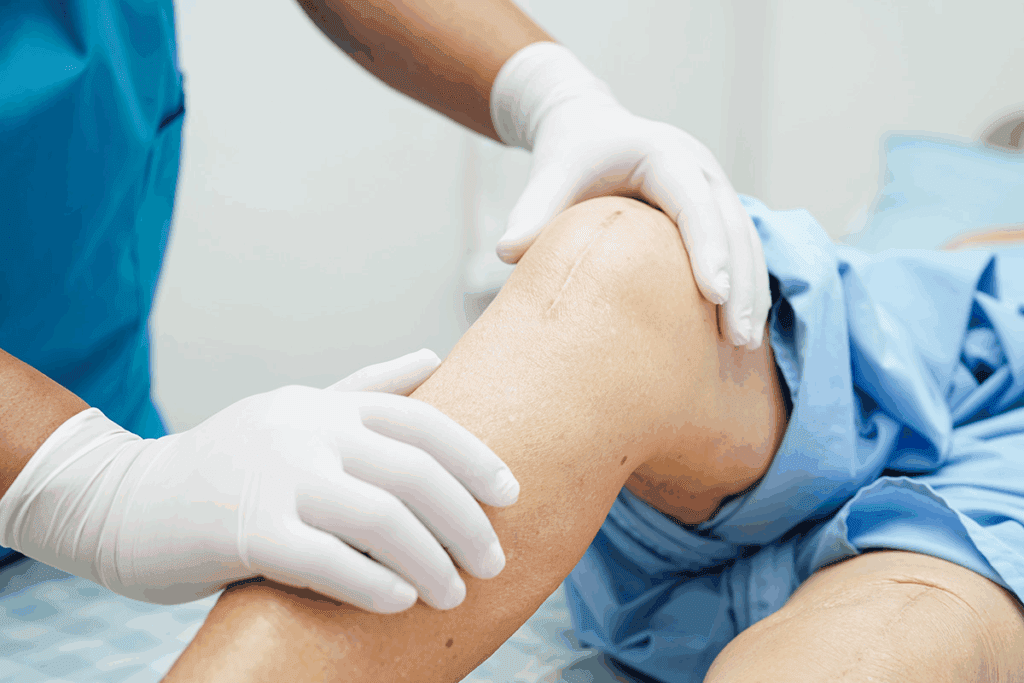
Orthopedic surgeries are life-changing but carry big risks. A major worry is infection risk. It affects many patients who have these surgeries.
Research shows infections can happen a lot after some surgeries. This can make recovery longer, lead to more treatments, and even be deadly. It’s important to know about risks like blood clots, deep vein thrombosis, and pulmonary embolism—common orthopedic surgery complications that doctors and patients should understand.
Key Takeaways
- Infection is a big problem after orthopedic surgeries.
- Blood clots and related issues are also a big worry.
- Knowing these risks helps manage and reduce them.
- Patients and doctors need to work together to lower these risks.
- Understanding complications can improve patient results.
The Landscape of Orthopedic Surgery Risks
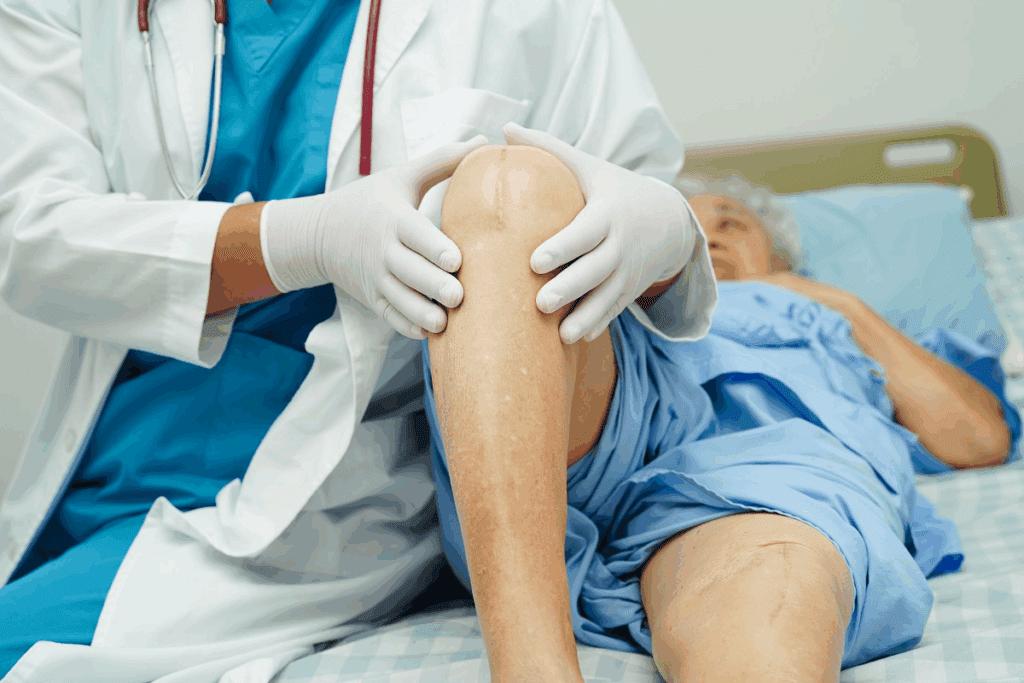
Orthopedic surgery includes many procedures, each with its own risks. It’s important for surgeons and patients to understand these risks as the field grows.
Common Types of Orthopedic Procedures
Orthopedic surgeries fall into several categories:
- Joint replacement surgeries (e.g., hip, knee, shoulder)
- Fracture repairs
- Soft tissue repairs (e.g., ligament, tendon)
- Osteotomies
- Arthroscopic procedures
Each procedure has its own benefits and risks. For example, joint replacement surgeries help with pain and function. But they can also lead to implant failure and infection.
Overview of Possible Complications
Orthopedic surgery can lead to serious complications. Some common ones are:
- Nerve damage or neuropathy
- Blood clots or deep vein thrombosis (DVT)
- Infection, including surgical site infections
- Delayed healing or nonunion
- Implant or hardware failure
Knowing about these complications helps manage patient expectations and improve care after surgery. The data shows a lot of cases of vertebral column fractures. This shows the wide range of orthopedic surgeries and their possible issues.
Infection: The Leading Orthopedic Surgery Complication

Infection is a big problem after orthopedic surgeries. Even with better surgery and care, infections are a big worry for patients and doctors.
Prevalence and Statistical Evidence
Studies show infections are a big issue in orthopedic surgery. About 2-5% of surgeries get infections, but it depends on the surgery and the patient. A study in a Journal found infections make hospital stays longer and costs higher.
Types of Surgical Site Infections
Infections can be shallow or deep. Shallow ones affect the skin and just below. Deep infections, which reach muscle and bone, are very serious.
Osteomyelitis as a Severe Consequence
Osteomyelitis is a bone infection that’s very serious. It can happen during surgery or spread through the blood. It needs long antibiotic treatment and sometimes more surgery to fix.
Impact on Patient Outcomes and Recovery
Infections after surgery can really hurt recovery. They can make patients sicker, lead to longer hospital stays, and cost more. It’s important to prevent and treat infections well to help patients get better.
Blood Clots: A Life-Threatening Post-Operative Risk
One of the biggest risks after orthopedic surgery is blood clots. These can be very dangerous. They often happen because of not moving much after surgery, which can lead to deep vein thrombosis (DVT) or pulmonary embolism (PE). Both are serious problems.
Formation of Deep Vein Thrombosis (DVT)
DVT usually happens in the legs. It’s when blood clots form because blood isn’t moving well. Things that can make DVT more likely include how long the surgery is, not moving much after, and certain health issues like being older or overweight.
It’s important to know the signs of DVT. These include swelling, pain, or feeling warm in the leg. Spotting these early can help a lot.
Pulmonary Embolism Development and Risks
A pulmonary embolism happens when a blood clot moves to the lungs. It can block blood flow and is very serious. It needs quick medical help.
Symptoms of PE include trouble breathing, chest pain, and a fast heart rate. The risk of PE is high in the first few weeks after surgery.
Prophylactic Measures and Treatments
To stop blood clots, doctors use both mechanical and medicine methods. Mechanical ways include wearing compression stockings and using devices that squeeze the legs. Medicine helps by stopping clots from forming.
Treating DVT and PE usually means using medicine to stop clots from getting worse or coming back.
Knowing the risks and taking steps to prevent them can help a lot. Patients should watch for signs of DVT and PE. If they see any, they should tell their doctor right away.
Implant and Hardware Failures in Orthopedic Surgery
Implant and hardware failures are big problems in orthopedic surgery. They can cause more surgeries, longer recovery times, and higher healthcare costs.
Prosthesis Failure Mechanisms
Prostheses can fail for many reasons. Wear and tear, mechanical stress, and material fatigue are common causes. Knowing these reasons helps make prostheses better and last longer.
Hardware Loosening and Migration
Loosening and migration are common problems after surgery. Loosening means the implant slowly comes loose from the bone. Migration means it moves from where it was placed. These issues can cause pain, make it hard to move, and may need more surgery.
Allergic Reactions to Implant Materials
Some people can be allergic to the materials in implants. Nickel, chromium, and cobalt are common allergens. It’s important to know about these allergies to avoid problems.
Long-term Durability Concerns
How long implants last is a big worry. The material, design, and the patient’s health and lifestyle all play a part. Regular check-ups help catch problems early.
To reduce the risks of implant and hardware failures, surgeons use many strategies. They include:
- Advanced imaging for planning
- Better implant design and materials
- Improved surgery techniques
- Good care and monitoring after surgery
Understanding why implants and hardware fail helps doctors and nurses prevent and treat these problems. This leads to better care for patients.
Nerve and Vascular Injuries During Orthopedic Procedures
Orthopedic surgeries carry a risk of nerve and vascular injuries. These risks concern both surgeons and patients. The complex and invasive nature of these surgeries can lead to these complications.
Common Types of Nerve Damage
Nerve damage in orthopedic procedures can take different forms. Neuropraxia is a temporary issue with nerve conduction. Axonotmesis damages axons but keeps the surrounding tissue intact. The most severe, neurotmesis, cuts the nerve completely.
Vascular Injury Complications
Vascular injuries in orthopedic surgeries can cause serious problems. Issues like hemorrhage, pseudoaneurysm formation, and arteriovenous fistula can arise. These need quick action to avoid lasting damage.
Long-term Functional Impact
Nerve and vascular injuries can have lasting effects. Patients might face ongoing pain, weakness, or mobility issues. In extreme cases, these injuries can lead to permanent disability, impacting daily life and activities.
Detection and Management Approaches
Spotting and treating nerve and vascular injuries early is key. Tests like electromyography and nerve conduction studies help with nerve issues. For vascular problems, angiography is used. Treatment varies from non-surgical methods to surgery, based on the injury’s severity.
Bone Healing Complications After Surgery
After orthopedic surgery, the body’s natural bone healing process can be disrupted. This leads to various complications. Bone healing is a complex process involving multiple biological and mechanical factors. When this process is impaired, it can result in significant challenges for patients and healthcare providers.
Delayed Union Challenges
Delayed union refers to a slower than expected healing process of bone fractures or surgical sites. This complication can lead to prolonged recovery times, increased pain, and additional medical interventions. Factors contributing to delayed union include inadequate blood supply, infection, and mechanical instability.
Nonunion: Causes and Risk Factors
Nonunion is a more severe complication where the bone fails to heal altogether. Causes and risk factors for nonunion include severe trauma, infection, poor blood supply, and certain medical conditions like diabetes. Understanding these risk factors is key for early intervention and management.
Malunion Issues and Consequences
Malunion occurs when the bone heals in an incorrect anatomical position. This can lead to functional impairment and the need for further surgery. Malunion can result from inadequate initial alignment, insufficient immobilization, or significant displacement during the healing process.
Biological and Mechanical Factors Affecting Healing
Both biological and mechanical factors play critical roles in bone healing. Biological factors include the patient’s overall health, nutritional status, and presence of conditions like osteoporosis. Mechanical factors involve the stability of the fracture or surgical site, the presence of any implants, and the degree of loading or stress on the healing bone.
Understanding these complications and their underlying causes is essential. It helps in developing effective prevention and treatment strategies. By addressing both biological and mechanical factors, healthcare providers can improve outcomes for patients undergoing orthopedic surgery.
Joint-Specific Complications in Orthopedic Surgery
It’s important to know the risks of different orthopedic surgeries. These procedures are usually safe but can have specific complications. The type of joint involved plays a big role in these risks.
Knee Replacement Complications
Knee replacement surgery is common but can have problems. Joint stiffness and limited mobility are common issues. Infection is also a big risk, which can be serious if not treated quickly.
- Infection
- Implant loosening
- Nerve damage
Hip Surgery Complications
Hip surgery can have serious complications. These include dislocation of the hip prosthesis, limited mobility, and nerve damage. Joint stiffness is also a risk, affecting how well you can move.
Shoulder and Upper Extremity Issues
Surgeries on the shoulder and upper arm can cause nerve injury, implant failure, and limited mobility. The shoulder’s complexity makes it prone to certain problems.
Spine Surgery Risks and Complications
Spine surgery risks include nerve damage, infection, and hardware failure. These issues can lead to serious problems and might need more surgery.
- Nerve damage
- Infection
- Hardware failure
In conclusion, knowing the specific complications of orthopedic surgery is key. Surgeons and patients need to understand these risks. This knowledge helps in taking steps to reduce these risks, leading to better outcomes.
Pain Management Challenges Following Orthopedic Procedures
Managing pain after orthopedic surgery is a complex task. It needs a multifaceted approach. Effective pain management is key for patient comfort, recovery, and to avoid complications.
Acute Post-Operative Pain Patterns
Many patients experience sharp, intense pain after orthopedic surgery. This pain comes from tissue damage during surgery. Effective management of acute pain is vital to prevent suffering and aid in early movement.
Development of Chronic Pain Syndromes
Acute pain can sometimes turn into chronic pain, lasting long after healing. Chronic pain can greatly affect a patient’s life, causing decreased mobility, depression, and anxiety. It’s important to understand the risk factors for chronic pain to prevent it.
Modern Pain Management Approaches
Modern pain management includes various techniques. These include pharmacological interventions, physical therapy, and psychological support. Multimodal analgesia, which uses different pain relief medications, is key. Techniques like regional anesthesia and nerve blocks are also used to reduce opioid use and improve pain control.
Opioid Use Concerns in Orthopedic Recovery
Opioids for pain management raise concerns about addiction and adverse effects. Opioid-sparing strategies are being used to reduce opioid use. This includes non-opioid analgesics and alternative pain management techniques.
Effective pain management after orthopedic procedures requires a balanced approach. By using a multifaceted pain management plan, healthcare providers can improve patient outcomes and lower complication risks.
Mobility and Rehabilitation Complications
After orthopedic surgery, many patients face issues with mobility and rehab. These problems can affect how well they recover and their long-term health. They can also impact the success of the surgery and the patient’s quality of life.
Joint Stiffness and Limited Range of Motion
Joint stiffness and limited range of motion are common after surgery. This can happen due to scar tissue, not enough rehab, or the surgery itself. Early mobilization and physical therapy are key to avoiding or reducing this problem.
Muscle Weakness and Atrophy Challenges
Muscle weakness and atrophy are big challenges in rehab. Being immobile for too long can weaken muscles, affecting strength and mobility. Targeted physical therapy exercises can help strengthen muscles and improve function.
Scar Tissue Formation and Adhesions
Scar tissue and adhesions are common after surgery and can cause pain, stiffness, and limited mobility. Manual therapy and mobilization can help manage scar tissue and improve range of motion.
Rehabilitation Protocol Adherence Issues
Following rehab protocols is key for the best recovery. But, patients may struggle due to pain, lack of motivation, or not understanding the rehab process. Patient education and support are essential to ensure they follow the rehab plan and get the best results.
Understanding and tackling these mobility and rehab challenges can help healthcare providers improve patient outcomes. This makes orthopedic surgery more effective.
Preventing Orthopedic Surgery Complications
Orthopedic surgery complications can be lessened by a mix of pre-surgery checks, new surgical methods, and care after surgery. Knowing the risks and using prevention strategies can help. This way, healthcare teams can make sure patients do well and avoid problems.
Pre-Operative Risk Assessment and Optimization
Checking patients before surgery is key to spotting and fixing risks. Doctors look at medical history, current health, and lifestyle. This helps find patients at higher risk and plan better care for them.
Surgical Technique Advancements
New surgical methods have cut down on risks in orthopedic surgery. Techniques like minimally invasive surgery and robotic help are more precise and quick. Keeping up with these advances helps surgeons avoid complications and get better results.
Post-Operative Care Protocols
Good care after surgery is vital for avoiding problems and helping patients recover well. This includes using proven methods for pain, wound care, and getting back to normal. Watching patients closely and fixing issues fast helps prevent complications and makes patients happier.
Patient Education and Engagement Strategies
Teaching patients and getting them involved is key to avoiding surgery problems. By explaining their condition and what to do after surgery, doctors empower patients. This means giving clear advice, encouraging questions, and helping them stick to their recovery plans.
Special Considerations for High-Risk Patient Populations
Some patients face higher risks during and after orthopedic surgery. They need special care to avoid bad outcomes. It’s important to evaluate and manage their needs carefully.
Elderly Patients and Frailty Concerns
Elderly patients often have frailty. This means they have less strength and are more easily affected by stress. Surgeons must think about how frailty affects surgery. They need to make sure patients are as healthy as possible before surgery.
Diabetic Patients and Wound Healing Issues
Diabetic patients face more problems with wound healing after surgery. Keeping blood sugar levels stable and managing wounds well is key. This helps prevent infections and aids in healing.
Immunocompromised Individuals
People with weakened immune systems are more likely to get infections after surgery. It’s important to take preventive steps and watch them closely.
Obesity-Related Surgical Challenges
Being overweight makes surgery harder, increasing risks of wound problems, infections, and implant failure. Surgeons use special techniques and care plans to help these patients.
| Patient Population | Specific Concerns | Management Strategies |
| Elderly Patients | Frailty, comorbidities | Preoperative optimization, careful postoperative care |
| Diabetic Patients | Wound healing, infection risk | Glycemic control, wound management |
| Immunocompromised Individuals | Infection risk | Prophylactic antibiotics, close monitoring |
| Obese Patients | Wound complications, implant failure | Specialized surgical techniques, tailored postoperative care |
Orthopedic surgeons can improve outcomes by understanding the challenges of different high-risk groups. They can then create specific plans to help these patients.
Conclusion: Balancing Risks and Benefits in Orthopedic Surgery
It’s important to know the risks and benefits of orthopedic surgery. Complications like infection, blood clots, and implant failures can happen. But, knowing these orthopedic surgery risks helps patients and doctors prevent and manage them.
The benefits of orthopedic surgery are big, like less pain and better mobility. Weighing these against the risks helps people choose the right treatment. Keeping complications in check is key to success.
To lower risks, a detailed plan is needed. This includes checking risks before surgery, using new surgical methods, and caring for patients well after. Also, teaching patients and getting them involved helps avoid problems and makes recovery easier. With careful planning, orthopedic surgery can greatly help many people.
FAQ
What is the most common complication of orthopedic surgery?
Infection is the top complication of orthopedic surgery. It affects patient outcomes and recovery.
What are the risks associated with orthopedic implant surgeries?
Risks include implant failure, loosening, and allergic reactions. These can affect the implant’s long-term use.
How can blood clots be prevented after orthopedic surgery?
To prevent blood clots, use anticoagulant meds, compression stockings, and move early after surgery.
What are the complications related to bone healing after orthopedic surgery?
Bone healing issues include delayed or nonunion. These can be due to biological or mechanical factors.
What are the specific complications associated with knee replacement surgery?
Knee replacement surgery can lead to stiffness, limited motion, and implant failure.
How can nerve and vascular injuries be managed during orthopedic surgery?
Manage nerve and vascular injuries with careful techniques, monitoring, and quick treatment of injuries.
What are the challenges in pain management following orthopedic procedures?
Challenges include managing acute pain and preventing chronic pain. Also, address opioid use concerns.
How can mobility and rehabilitation complications be minimized after orthopedic surgery?
Minimize complications with early movement, following rehab plans, and addressing stiffness and muscle weakness.
What are the special considerations for high-risk patient populations undergoing orthopedic surgery?
High-risk patients need special care. This includes elderly, diabetic, immunocompromised, and obese patients.
What are the strategies to prevent orthopedic surgery complications?
Prevent complications with pre-op risk assessment, advanced techniques, post-op care, and patient education.
What is osteomyelitis, and how is it related to orthopedic surgery?
Osteomyelitis is a bone infection from surgery. It needs quick treatment to avoid long-term issues.
How do orthopedic surgery complications impact patient recovery?
Complications can delay healing, extend hospital stays, and raise healthcare costs.
Reference
- Dindo, D., Demartines, N., & Clavien, P. A. (2004). Classification of surgical complications: A new proposal with evaluation in a cohort of 6336 patients and results of a survey. Annals of Surgery. https://pmc.ncbi.nlm.nih.gov/articles/PMC1360123/