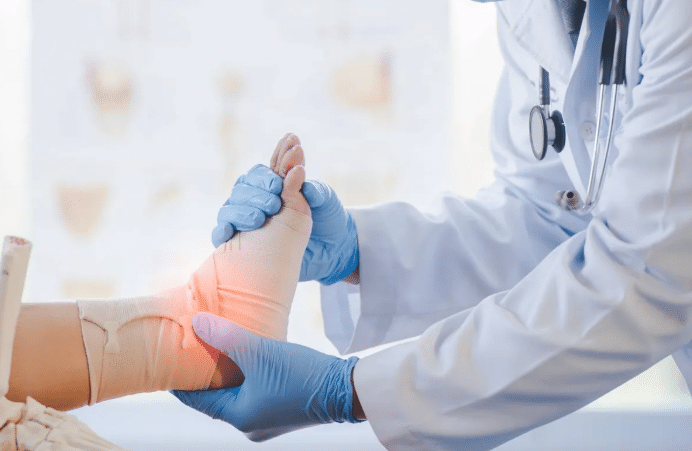
Orthopedic surgery covers a wide range of procedures. These are designed to treat musculoskeletal disorders and injuries. For example, in New York State, 37,147 patients had revision total joint arthroplasty from 2008 to 2016. This shows how important orthopedic surgery is for complex joint problems. Orthopedic surgery covers bones and joints. Learn about ACL repairs, fractures, and spinal fixes that restore movement safely.
Orthopedic surgery is key in helping patients move better and feel less pain. Procedures like joint replacement greatly improve life quality for those affected.
Key Takeaways
- Orthopedic surgery includes various procedures to treat musculoskeletal disorders.
- Joint replacement is a significant aspect of orthopedic surgery.
- These surgical interventions aim to restore mobility and alleviate pain.
- The importance of orthopedic surgery is highlighted by the large number of procedures performed annually.
- Orthopedic interventions significantly improve patients’ quality of life.
Overview of Orthopedic Surgery
Orthopedic surgery is a medical field that deals with surgeries for musculoskeletal problems. It helps patients move better and feel less pain. This field is key in healthcare, focusing on bones, joints, and soft tissues like muscles and tendons.
Definition and Purpose
The main goal of orthopedic surgery is to fix musculoskeletal issues. It includes many procedures, like joint replacements and fixing broken bones. This surgery improves patients’ lives, letting them do daily tasks more easily and with less pain.
Common Conditions Treated
Orthopedic surgeons handle many conditions, like osteoarthritis and fractures. Spinal surgery is also a big part, treating herniated discs and scoliosis. They also deal with birth defects, tumors, and infections in the musculoskeletal system.
More people will need knee replacements in the future. It’s important to help them get back to work quickly and well.
Importance in Health Care
The importance of orthopedic surgery in healthcare is huge. With more older people and musculoskeletal issues, the need for these surgeries is growing. Orthopedic surgery helps patients move better, feel less pain, and live better lives. It’s a big part of healthcare’s ability to give full care.
Types of Orthopedic Surgeries
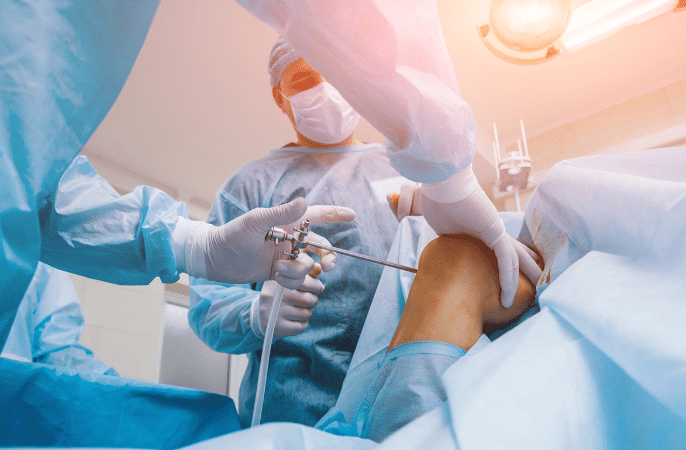
Orthopedic surgeries come in many forms, each with its own benefits and risks. These surgeries aim to fix musculoskeletal issues. They help restore function, ease pain, and improve life quality.
Joint Replacement Surgeries
Joint replacement surgery swaps a damaged joint for an artificial one. It’s a common procedure, often needed for severe joint damage. It’s very helpful for those who haven’t gotten better with other treatments. Hip and knee replacements are the most common types.
Arthroscopic Surgery
Arthroscopy is a small, minimally invasive surgery. It uses a camera to look inside joints. This method leads to smaller cuts and faster healing. It’s used for issues like torn menisci and osteoarthritis.
Spine Surgery
Spine surgery treats various spinal problems. It aims to ease pressure on nerves and improve symptoms. Techniques range from simple to complex.
Fracture Repair
Fracture repair fixes broken bones. Orthopedic surgeons use different methods, like casting or surgery. The choice depends on the fracture’s type and the patient’s health.
Knowing about different orthopedic surgeries helps patients make better choices. Talking to an orthopedic surgeon about each option prepares them for their surgery and recovery.
Pre-Operative Considerations
Before surgery, several important steps must be taken. These steps help ensure a good outcome. They include evaluations and preparations to reduce risks and improve recovery.
Patient Evaluation
A detailed patient evaluation is the first step. It checks the patient’s health, medical history, and the surgery needed. For example, those getting hip replacement surgery are checked for diabetes or heart disease.
Imaging and Diagnostics
Imaging and diagnostic tests are key. They use X-rays, MRI, and CT scans to see the condition’s extent. This helps surgeons plan the best surgery. In trauma surgery, they check fracture severity and other injuries.
Preparation for Surgery
Preparation includes patient education and health optimization. Patients learn about fasting, medication, and post-surgery care. A study showed the value of preparation for returning to work after knee surgery.
| Pre-Operative Consideration | Description | Importance |
| Patient Evaluation | Assessment of overall health and medical history | High |
| Imaging and Diagnostics | Use of X-rays, MRI, CT scans for condition assessment | High |
| Preparation for Surgery | Patient education, health optimization, post-operative care arrangements | High |
By following these steps, patients and healthcare providers can achieve the best results in orthopedic surgery.
Anesthesia in Orthopedic Surgery
Anesthesia is key in orthopedic surgery, affecting both comfort and safety. The right anesthesia choice greatly impacts the patient’s experience and recovery.
Types of Anesthesia
Orthopedic surgery uses different anesthetics. General anesthesia makes the patient sleep. Regional anesthesia numbs a bigger area, like the lower body. Local anesthesia works on a small area.
The choice depends on the surgery, the patient’s health, and their wishes. For example, regional anesthesia is often picked for joint replacements. It offers good pain relief without the risks of general anesthesia.
Benefits and Risks
Anesthesia has many benefits, like pain control and less anxiety. But, it also has risks. These can be minor, like nausea, or serious, like allergic reactions or breathing problems.
We look at each patient’s health history to lower these risks. Pre-operative assessment helps us plan the safest anesthesia.
Recovery from Anesthesia
Recovery from anesthesia is closely watched. Patients go to the recovery room where their health is monitored until the anesthesia wears off. Pain management is a big focus to keep patients comfortable.
Recovery time varies based on the anesthesia and how the patient responds. We give clear instructions for recovery at home to help avoid complications.
The Surgical Process
Advances in surgery have greatly improved orthopedic surgery results. This has led to better recovery and happier patients. Knowing the details of surgery is key for both doctors and patients.
Step-by-Step Overview
The orthopedic surgery process has many important steps. It starts with patient evaluation to check the patient’s health and condition. Then, imaging and diagnostics are done to find out what’s wrong, like a fracture or degenerative disease.
After finding out what’s wrong, the team gets ready for the surgery. They pick the right surgical technique. The surgery can be simple, like arthroscopy, or complex, like joint replacement or spine surgery.
Surgical Techniques Used
Orthopedic surgeons use many techniques, each for a specific patient need. Arthroscopic surgery is a small incision method for joint issues, cutting down recovery time. Deformity correction fixes bone or joint problems, improving function and reducing pain.
In pediatric orthopedics, surgeons focus on growing bones and joints. They use special techniques for kids, aiming for the best results for young patients.
Duration of Procedures
The time needed for surgery varies a lot. Simple surgeries like arthroscopic surgery might last under an hour. But, complex surgeries like joint replacement or spinal fusion can take several hours.
Knowing how long surgery takes helps set patient expectations. It also makes them happier with the results.
Post-Operative Care
Orthopedic surgery is just the beginning. After surgery, it’s vital to focus on post-operative care. This care helps patients heal well and avoid complications. It ensures they can get back to their daily lives safely and quickly.
Recovery Protocols
Recovery protocols are set up to help patients heal fast and avoid problems. They include watching for infection signs, managing pain, and following a rehab plan. Following these steps is key to the best results.
It’s important to keep up with follow-up appointments with healthcare providers. These visits help catch any issues early and fix them right away.
Pain Management Strategies
Pain management is a big part of post-operative care. It includes medicines, physical therapy, and other methods like acupuncture. The aim is to reduce pain and help the body heal.
Each patient gets a pain plan that fits their needs and medical history. This approach helps control pain better and makes patients happier.
Rehabilitation and Physical Therapy
Rehab and physical therapy are key to getting better. They help patients regain strength, mobility, and function. A good rehab plan is made for each patient to help them recover best.
| Rehabilitation Phase | Goals | Interventions |
| Immediate Post-Surgery | Pain management, wound healing | Medication, wound care |
| Early Rehabilitation | Restore range of motion, strength | Physical therapy exercises |
| Advanced Rehabilitation | Improve function, return to activities | Progressive exercises, functional training |
By sticking to a detailed post-operative care plan, patients can have a successful recovery. We’re dedicated to giving top-notch care every step of the way.
Risks and Complications
It’s important for patients to know about the risks of orthopedic surgery. These surgeries, like joint replacements and spine surgeries, can have risks. These risks can affect how well you recover and how you feel after surgery.
Common Risks Associated
Joint replacements, arthroscopic surgeries, and spine surgeries have risks like infection and blood clots. Infection can make recovery longer and might need more surgery. Nerve damage is rare but can cause numbness or permanent injury.
Studies show that infection risk can be lowered with good pre-surgery care. This includes antibiotics and clean surgical techniques. “Antibiotic prophylaxis significantly reduces surgical site infections in orthopedic procedures,” a study found.
Preventive Measures
To lower risks, we take several steps. These include careful patient checks before surgery and using advanced tools. We also follow strict clean techniques during surgery.
- Pre-surgery patient checks, like managing diabetes and high blood pressure.
- Anticoagulants to prevent blood clots.
- Minimally invasive techniques to reduce tissue damage.
These steps help reduce complications and improve results for patients.
Long-Term Effects
The long-term effects of orthopedic surgery depend on the procedure and patient. Joint replacements can help with pain and function but might need future surgery.
Revision surgery is a possibility, mainly for younger patients. New implants and techniques are making these surgeries better and longer-lasting.
“New implants and techniques are making orthopedic surgery better. This means fewer revision surgeries,” says a top orthopedic surgeon.
Knowing these points helps patients make better choices. It prepares them for what to expect with orthopedic surgery.
Advancements in Orthopedic Surgery
Orthopedic surgery is changing fast, bringing new hope to people all over the world. New tech and surgical methods are making care better and results more promising.
Robotics and Technology
Robotics are playing a big role in orthopedic surgery. They help surgeons be more precise and flexible. For example, robotic joint replacements lead to better function and longer-lasting implants.
New tech is also helping before and during surgery. Things like 3D printing and computer-assisted tools help plan and do surgeries more accurately.
Key Benefits of Robotics in Orthopedic Surgery:
- Enhanced precision and accuracy
- Improved patient outcomes
- Reduced recovery time
- Better implant longevity
Minimally Invasive Techniques
Minimally invasive surgery means smaller cuts, less damage, less pain, and faster healing. Arthroscopy and percutaneous fixation are getting better, treating complex issues with less harm to tissues.
| Procedure | Benefits | Recovery Time |
| Arthroscopic Surgery | Less invasive, precise diagnosis and treatment | Typically 2-6 weeks |
| Percutaneous Fixation | Minimally invasive, reduced risk of infection | Usually 6-12 weeks |
Future Trends and Research
The future of orthopedic surgery looks bright, with new research in biologic augmentation, stem cell therapy, and better implant materials. These advancements aim to make surgeries safer and more effective, improving patient lives.
We’re always looking to improve in orthopedic surgery, focusing on the latest tech and methods. This way, we can give each patient the best care tailored to their needs.
Pediatric Orthopedic Surgery
Orthopedic surgery for kids is very special. It needs a lot of care and a plan that fits their needs. Kids’ bones, joints, and muscles are growing, so their needs are different from adults.
Common Pediatric Conditions
Pediatric orthopedic surgeons deal with many issues, like:
- Congenital deformities, such as clubfoot
- Fractures and bone injuries
- Developmental dysplasia of the hip
- Scoliosis and other spinal deformities
- Cerebral palsy and other neuromuscular disorders
These problems need to be caught early. This helps prevent lasting damage and improves the child’s life.
Unique Considerations
When treating kids, surgeons think about:
- The child’s age and developmental stage
- The chance for growth and change
- The need for small procedures to cut down recovery time
- The importance of involving parents or guardians in the treatment
This way, surgeons can give treatments that help the child’s health and happiness.
Treatment Options for Children
Treatments for kids’ orthopedic issues can be non-surgical or surgical. Some common ones are:
- Bracing and casting to fix deformities or stabilize injuries
- Physical therapy to boost strength and mobility
- Minimally invasive surgeries, like arthroscopy, to lessen recovery time and scarring
- Corrective surgeries, such as osteotomies, for complex deformities
In some cases, shoulder repair is needed for kids with specific shoulder problems. The goal is to fix function, ease pain, and support an active lifestyle.
| Condition | Treatment Options | Considerations |
| Congenital Deformities | Bracing, Casting, Surgery | Early intervention is key |
| Fractures | Casting, Surgery | Children’s bones heal quickly |
| Scoliosis | Bracing, Physical Therapy, Surgery | Regular checks are important |
Orthopedic Surgery for Elderly Patients
The aging population is leading to more orthopedic surgeries, mainly for the elderly. As people get older, they face more joint diseases, fractures, and other issues that might need surgery.
Challenges and Considerations
Elderly patients face unique challenges in surgery, like diabetes, heart disease, and osteoporosis. These can make surgery and recovery harder. So, a detailed check before surgery is key to spot risks and plan how to avoid them.
We also need to think about the patient’s health, physical shape, and mental state when planning surgery. For example, those with dementia might need extra help during recovery.
Common Procedures
Some common surgeries for the elderly include:
- Knee Replacement Surgery: This replaces the damaged knee joint with artificial parts to ease pain and improve function.
- Hip Replacement Surgery: Similar to knee replacement, it replaces the damaged hip joint to boost mobility and reduce pain.
- Fracture Repair: Elderly people often get fractures due to osteoporosis. Surgery is often needed to fix these fractures and help them move better.
A study in the Journal of Orthopaedic Trauma found that quick surgery for hip fractures in the elderly can cut down on deaths and improve results.
“The goal of orthopedic surgery in elderly patients is not only to treat the immediate condition but also to improve their quality of life and maintain their independence.”
— Orthopedic Surgeon
Importance of Geriatric Care
Geriatric care is vital for elderly patients having orthopedic surgery. A team effort from surgeons, geriatricians, physical therapists, and others can lead to better results.
| Aspect of Care | Description | Benefits |
| Pre-operative Evaluation | Comprehensive assessment of the patient’s health status | Identifies possible risks and helps find ways to avoid them |
| Geriatric Consultation | Specialized care focusing on the health issues of older adults | Improves patient health and lowers the chance of complications after surgery |
| Rehabilitation | Physical therapy and rehabilitation programs tailored to the elderly | Boosts recovery, enhances function, and lowers the risk of falls |
By focusing on geriatric care and a patient-centered approach, we can make orthopedic surgery better for the elderly. This improves their quality of life.
Choosing an Orthopedic Surgeon
Finding the right orthopedic surgeon is key to a good surgery outcome. Orthopedic surgeries are complex. You need a surgeon who knows your needs well.
Credentials and Experience
Look at a surgeon’s credentials and experience first. Board certification shows they meet high standards. Also, check if they have done many surgeries like yours.
Check their education and any extra training. Many surgeons keep learning and researching. This shows they stay up-to-date with new methods.
Questions to Ask
Make a list of questions for your surgeon. Ask about their experience with your condition and treatment plans. Here are some important questions:
- What are the risks and benefits of my surgery?
- Are there other treatment options?
- Can I see photos of your past patients?
- How long will I need to recover, and what care will I need?
Patient Testimonials and Reviews
Read what other patients say about a surgeon. Online reviews can help, but look at the overall trend. Also, ask your doctor or friends for recommendations.
By looking at credentials, asking questions, and reading reviews, you can choose wisely. The right surgeon is key to a good surgery and recovery.
Conclusion: The Importance of Orthopedic Surgery
Orthopedic surgery is key to bettering patients’ lives and fixing their joints. We’ve looked at what orthopedic surgery is, its types, and why getting ready for surgery matters.
Restoring Function and Quality of Life
Orthopedic surgery, like joint replacement, is vital for treating bone and joint problems. It helps patients move better and feel less pain. This way, they can do things they love again.
Ongoing Developments and Future Trends
The world of orthopedic surgery is always changing. New tech, like robotics and less invasive methods, are coming. These advancements will likely make surgeries better and recovery times shorter.
Encouraging Early Intervention
Getting help early is very important in orthopedic surgery. It can stop problems from getting worse and make treatments work better. If you’re feeling bone or joint pain, don’t wait. Seeing a doctor quickly can really help your life.
FAQ
What is orthopedic surgery?
Orthopedic surgery is a field that deals with fixing problems in the musculoskeletal system. This includes bones, joints, muscles, and soft tissues.
What are the common conditions treated with orthopedic surgery?
Orthopedic surgery helps with many issues. These include joint diseases, fractures, spinal problems, sports injuries, and tumors.
What are the different types of orthopedic surgeries?
There are many types of orthopedic surgeries. These include joint replacements, arthroscopic surgery, spine surgery, and more.
What is joint replacement surgery?
Joint replacement surgery replaces a damaged joint with an artificial one. This helps restore function and ease pain.
What is the role of anesthesia in orthopedic surgery?
Anesthesia makes sure patients are comfortable and safe during surgery. It can be general, regional, or local.
What are the risks associated with orthopedic surgery?
Risks include infection, blood clots, nerve damage, and reactions to anesthesia. But, these can be lowered with good planning and care.
How long does it take to recover from orthopedic surgery?
Recovery time varies. It depends on the surgery, the patient’s health, and post-operative care. Most people can get back to normal in weeks or months.
What is the importance of post-operative care in orthopedic surgery?
Post-operative care is key for a successful recovery. It includes recovery plans, pain management, and physical therapy.
How has technology impacted orthopedic surgery?
Technology has greatly improved orthopedic surgery. Advances in robotics, minimally invasive techniques, and imaging have led to better outcomes and faster recovery.
What are the unique considerations for pediatric orthopedic surgery?
Pediatric orthopedic surgery needs special care. It considers the child’s growth and development and the long-term effects of surgery.
How do I choose the right orthopedic surgeon?
Choosing the right surgeon involves looking at credentials and experience. Ask questions and read reviews to ensure the best care.
What is the significance of early intervention in orthopedic conditions?
Early intervention is vital. It prevents further damage, reduces complications, and improves outcomes, leading to a better quality of life.
What is cartilage repair?
Cartilage repair is a surgery to fix damaged cartilage in joints. It helps with pain and improves joint function.
What is revision surgery?
Revision surgery corrects a previous surgery. It’s often to address complications or improve results.
References
National Center for Biotechnology Information. Evidence-Based Medical Insight. Retrieved from https://pubmed.ncbi.nlm.nih.gov/17668340/