Orthopedics focuses on the musculoskeletal system. Learn about the diagnosis, treatment, and rehabilitation of bone, joint, ligament, and muscle conditions.
Send us all your questions or requests, and our expert team will assist you.
Complex joint reconstruction represents the highest tier of orthopedic surgical intervention. It addresses severe joint damage, deformity, or failure of previous implants that cannot be managed by standard primary joint replacement techniques. This field combines advanced biomechanics, material science, and surgical precision to salvage limb function.
The definition of complex reconstruction extends beyond simple joint resurfacing. It involves the management of significant bone loss, the restoration of compromised soft tissue envelopes, and the correction of profound anatomical alignment issues. Surgeons in this field act as architects, rebuilding the skeletal foundation before restoring motion.
This discipline is distinct from primary arthroplasty due to the unpredictable nature of the anatomy encountered. In primary cases, the anatomy is generally native and predictable. In complex reconstruction, the anatomy is often distorted by trauma, prior surgery, infection, or congenital defects, requiring a customized and adaptive surgical strategy.

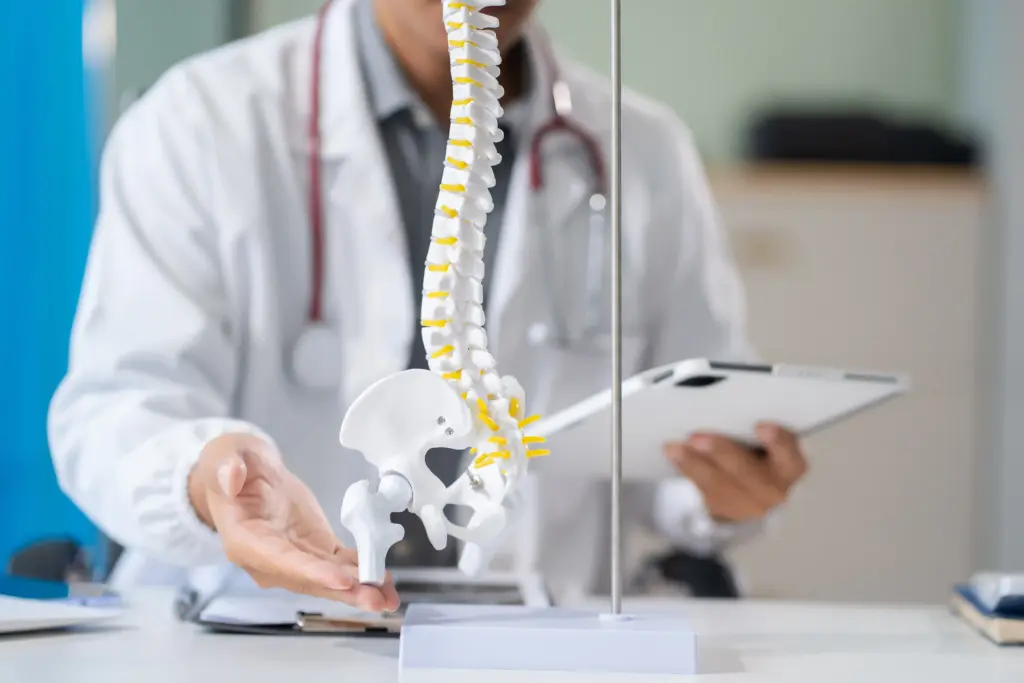
Primary arthroplasty typically involves resurfacing the ends of the bones with standard implants. It relies on the presence of supportive bone stock and intact ligaments. Complex reconstruction begins where primary arthroplasty limits are exceeded. It requires specialized implants designed to substitute for missing bone and connective tissue.
The level of planning required for complex cases is significantly higher. It often necessitates the use of advanced imaging and 3D modeling to understand the defect before the incision is made. The implants used are often modular, allowing the surgeon to build a custom solution inside the operating room.


The core philosophy of complex joint reconstruction is limb salvage and functional restoration. In many cases, the alternative to these procedures would be joint fusion (arthrodesis) or, in extreme cases of tumor or infection, amputation. The goal is to preserve the limb while providing a stable, painless, and mobile joint.
Functional expectations must be managed carefully. While primary replacements often allow for a return to high levels of activity, complex reconstructions focus on restoring the activities of daily living and independence. The definition of success shifts from performance to pain relief and stability.
The 21st century has introduced patient specific solutions to complex reconstruction. When standard modular implants do not fit the patient’s unique anatomy, custom implants can be fabricated. This process uses CT scan data to print a titanium implant that matches the patient’s bone defect perfectly.
3D printing technology allows for the creation of porous metal structures that mimic the properties of natural bone. These structures encourage bone ingrowth, providing long term biological fixation. This technology is particularly vital in cases of massive pelvic or femoral bone loss.
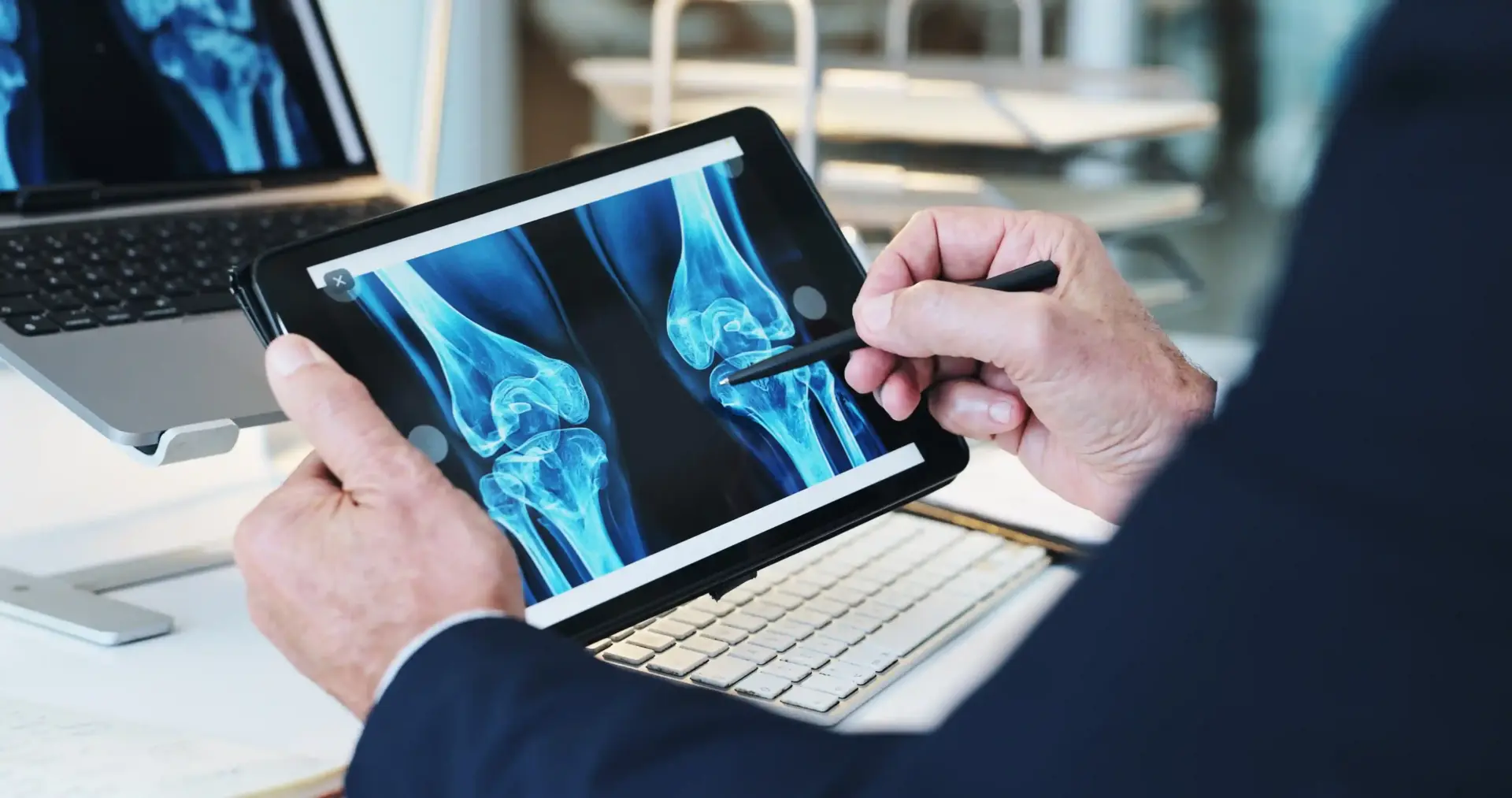
Robotic platforms have revolutionized the precision of complex joint reconstruction. In cases with severe deformity, finding the correct anatomical landmarks can be difficult for the human eye alone. Robotics provide a sub millimeter level of accuracy in bone preparation and implant positioning.
The robot allows the surgeon to plan the bone cuts virtually before touching the patient. This helps in conserving the limited remaining bone stock. It also ensures that the complex modular implants are aligned perfectly to reduce wear and loosening over time.
Complex reconstruction is not just a carpentry problem; it is a biological challenge. The success of the surgery depends on the body’s ability to heal and accept the implant. In cases of previous infection or radiation, the biology of the bone and soft tissue is compromised.
Surgeons often use biological augments to stimulate healing. This can include bone grafts, stem cell concentrations, or specialized proteins. Ensuring a healthy vascular supply to the surgical site is paramount to preventing infection and wound complications.
Patients requiring complex reconstruction often have disease affecting multiple joints. Severe rheumatoid arthritis or skeletal dysplasia can result in deformities that span the hips, knees, and ankles. Reconstruction in these cases requires a strategic, staged approach.
Correcting a deformity in the knee without addressing a hip contracture can lead to early failure of the new joint. The surgeon must evaluate the entire kinetic chain. The sequence of surgeries is planned to optimize the overall alignment and function of the patient.
Complex joint reconstruction is rarely a solo endeavor. It requires a multidisciplinary team to manage the various aspects of the patient’s health. This team includes orthopedic surgeons, infectious disease specialists, plastic surgeons, and specialized anesthesiologists.
Medical optimization prior to surgery is handled by internal medicine experts. Physical therapists with advanced training in complex rehabilitation are essential for the recovery phase. This collaborative approach reduces the risk of systemic complications and improves outcomes.
Not every patient with a severe joint issue is a candidate for complex reconstruction. The decision to operate is based on physiological age rather than chronological age. The patient must have the physiological reserve to withstand a major surgery and a grueling recovery.
Factors such as uncontrolled diabetes, severe obesity, or active smoking can preclude surgery due to the high risk of infection and failure. Patient selection is a rigorous process designed to ensure that the benefits of the procedure outweigh the significant risks involved.
The longevity of complex reconstruction implants is a critical consideration. Because these surgeries are often performed on patients who have already experienced a failure, the goal is to create a construct that lasts the remainder of the patient’s life. However, mechanical forces on constrained implants are high.
Surgeons aim for a construct that provides immediate stability but allows for potential future revision if necessary. Long term survivorship is monitored through regular radiographic follow up to detect early signs of loosening or wear before catastrophic failure occurs.

Complex joint reconstruction includes revision surgery but is a broader category. It encompasses any joint surgery involving severe bone loss, deformity, or anatomical complexity, whether it is a first time operation (primary) or a redo (revision).
Yes, a joint can be replaced multiple times, but each subsequent surgery becomes more complex. The bone stock diminishes with each procedure, requiring more specialized implants and carrying higher risks of complications.
A tumor prosthesis, also known as a megaprosthesis, is a large implant used to replace significant segments of bone. It is often used in oncology patients or in non cancer patients with massive bone loss due to trauma or infection.
Yes, 3D printing is extensively used to create custom implants for patients with unique anatomical defects. It allows surgeons to treat conditions that were previously considered impossible to reconstruct.
Yes, recovery from complex reconstruction is typically longer and more demanding. Limitations on weight bearing may be required to allow bone grafts to heal, and muscle rehabilitation is often slower due to the extent of the surgical exposure.


Leave your phone number and our medical team will call you back to discuss your healthcare needs and answer all your questions.
Leave your phone number and our medical team will call you back to discuss your healthcare needs and answer all your questions.
Your Comparison List (you must select at least 2 packages)