Orthopedics focuses on the musculoskeletal system. Learn about the diagnosis, treatment, and rehabilitation of bone, joint, ligament, and muscle conditions.
Send us all your questions or requests, and our expert team will assist you.
Deformity correction is a specialized field of medicine focused on fixing bones that are crooked, twisted, or of unequal lengths. For many people, living with a bone deformity is more than just a cosmetic concern; it affects how they walk, how their joints function, and their overall quality of life. Whether the issue is present from birth or the result of a serious injury that healed incorrectly, the goal is the same: to restore normal alignment and function to the body. This process often involves a combination of careful planning, surgery, and the body’s own amazing ability to heal and grow new bone tissue.
When we talk about correcting a deformity, we are usually referring to the legs or arms. We most commonly focus on the legs because they bear our weight. If a leg is bowed (curved outward) or knocked (curved inward), it puts uneven pressure on the knees and ankles. Over time, this uneven pressure acts like a car with incorrect alignment—the “tires,” or in this case the cartilage in your joints, wear out much faster than they should. By straightening the bone, surgeons can prevent arthritis and pain later in life. This section will explore what deformity correction actually entails, the different types of problems it addresses, and the fascinating methods doctors use to straighten solid bone.

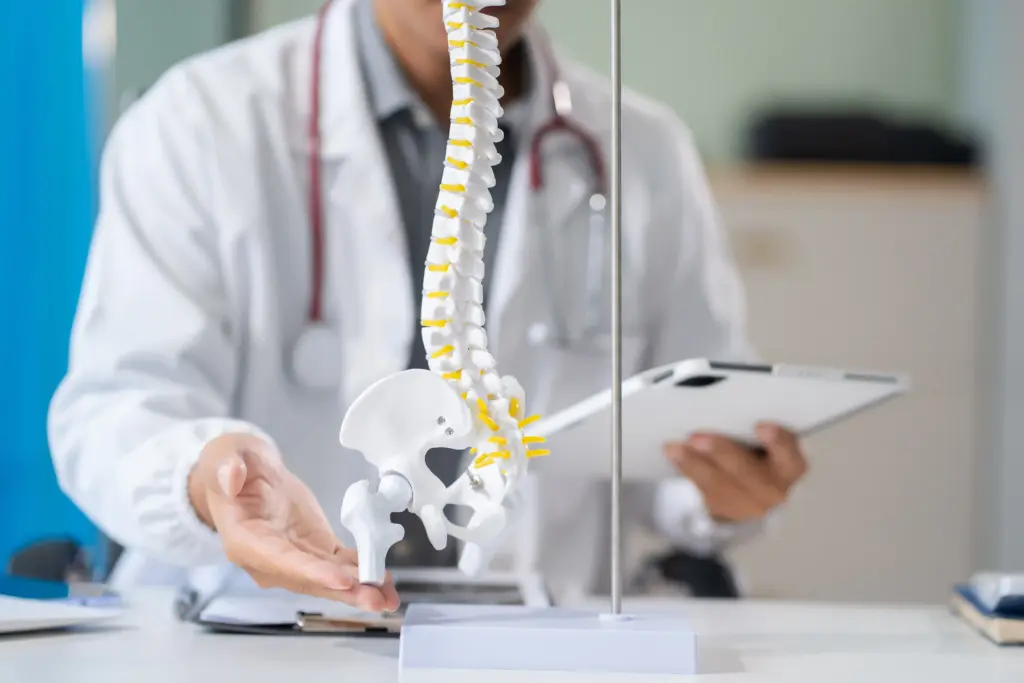
A bone deformity refers to any deviation from the normal shape or alignment of a bone. In a healthy skeleton, bones are designed to stack up in a specific way to support weight efficiently. For example, a straight line should ideally pass through the center of the hip, the center of the knee, and the center of the ankle. When a bone is bent or twisted, this mechanical axis is thrown off balance.
Deformities can happen in different directions. Angulation is when the bone is bent at a sharp angle. Rotation is when the bone is twisted along its length, causing a foot or hand to point inward or outward excessively. Translation means the bone fragments have shifted sideways. Often, a patient has a complex deformity that involves a mix of these issues. Understanding the geometry of the bone is the first step in fixing it. Doctors use precise measurements to map out exactly where the bone has gone off track and how much correction is needed to bring it back to a neutral, healthy position.


Deformity correction is the medical process of straightening or aligning bones that have grown or healed incorrectly. It is a journey that often combines surgical intervention with the body’s natural healing powers. The core concept is usually to cut the bone—a procedure called an osteotomy—and then stabilize it in the correct position while it heals. In some cases, the correction happens all at once during surgery. In other cases, it happens slowly over weeks or months.
This slow method is particularly intriguing. It takes advantage of a biological principle called distraction osteogenesis. By slowly pulling two segments of bone apart, the body tries to bridge the gap by creating new bone tissue. This allows doctors to not only straighten a bone but also lengthen it at the same time. This technique has revolutionized the treatment of short or deformed limbs, allowing for corrections that were once thought impossible.
Deformities are broadly categorized based on when and how they appeared. Some people are born with them, while others develop them later in life due to accidents or illness. Knowing the origin of the deformity helps doctors predict how the bone will respond to treatment.
For instance, addressing soft tissue tightness in a deformity that has been present since birth is also necessary. On the other hand, a deformity from a healed fracture might be surrounded by scar tissue. Each type requires a unique strategy. The complexity can range from a simple bow in the shinbone to a multi-dimensional twist in the thigh bone.
Congenital deformities are those that a baby is born with. These issues arise during fetal development. Common examples include fibular hemimelia, where part of the lower leg bone is missing or short, and congenital femoral deficiency, which affects the thigh bone.
Parents often notice these issues when the child begins to walk. The legs might look different lengths, or the feet might turn in odd directions. Treating these early is often crucial because a child’s bones are still growing. In some cases, doctors can use the child’s remaining growth potential to help correct the deformity over time, using less invasive methods than those required for adults.
Acquired deformities develop in a person who previously had normal bones. The most common cause is trauma—a broken bone that heals in a crooked position, known as a malunion. Infection in the bone, called osteomyelitis, can also damage the growth plate in children, causing the bone to grow crookedly from that point on.
Other acquired causes include metabolic bone diseases like rickets, which soften the bones and cause them to bow under the body’s weight. Unlike congenital cases, acquired deformities often come with a history of normal function, and the goal is to return the patient to the level of activity they enjoyed before the problem started.
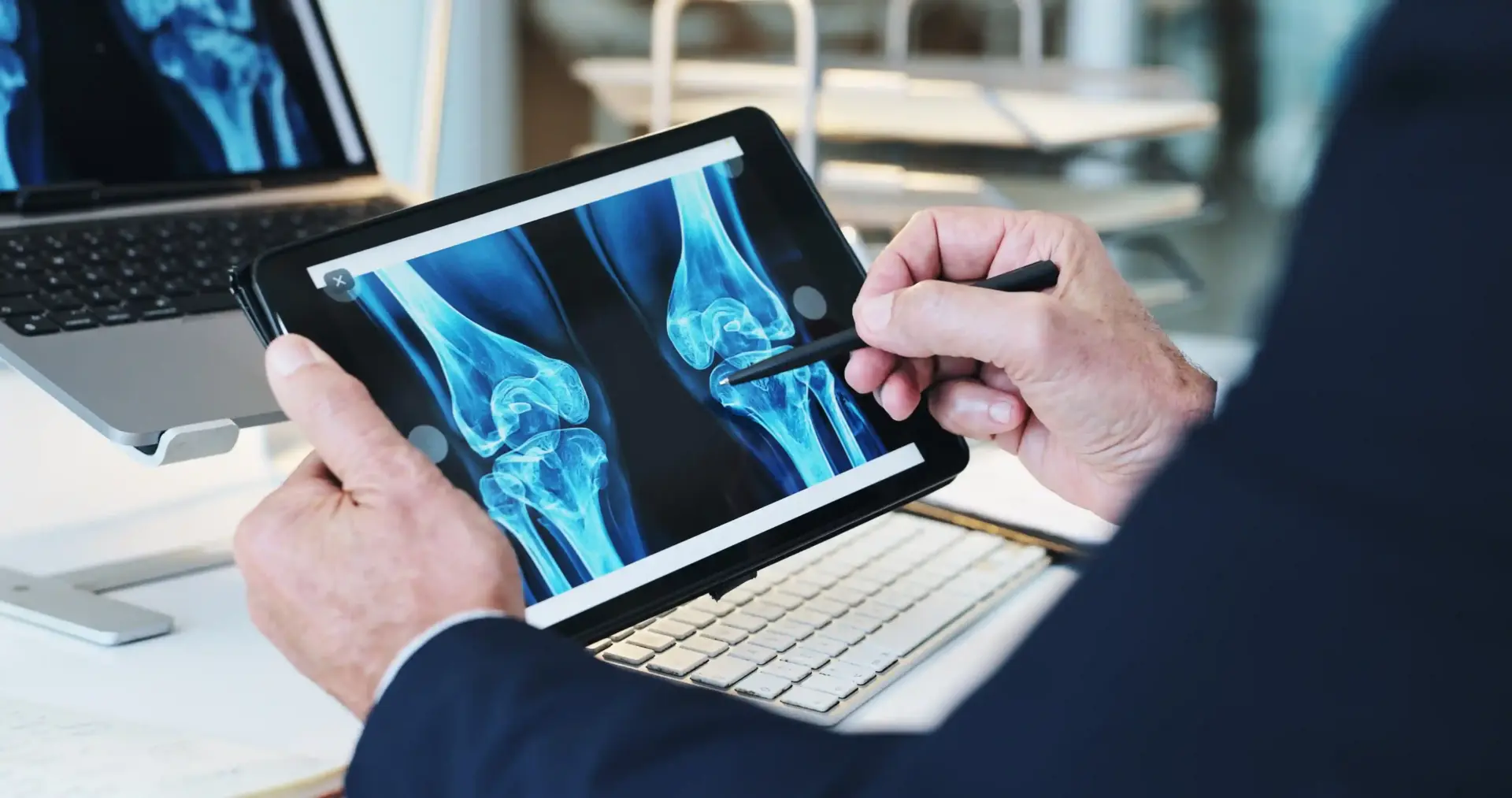
The primary goal of deformity correction surgery is to restore normal mechanical alignment. This is not just about making the leg look straight; it is about saving the joints. When a leg is crooked, gravity pushes down unevenly. This procedure can overload one side of the knee or ankle, leading to painful osteoarthritis, effectively grinding the joint down over years.
By realigning the limb, surgery shifts the weight-bearing forces back to the center of the joint, where the cartilage is thickest and best able to handle the load. This can eliminate pain, improve walking ability (gait), and delay or even prevent the need for joint replacement surgery later in life. For patients with a limb length discrepancy, making the legs equal length restores balance to the pelvis and spine, relieving back pain.
Not everyone with a slightly crooked bone needs surgery. The human body has a fair amount of tolerance for imperfection. Candidates for deformity correction are usually those who are experiencing pain, functional limitations, or who are at high risk for future joint damage.
Doctors look for specific signs. You may qualify if you have knee or ankle pain that worsens with activity or if you limp due to one leg being shorter. Patients who are unhappy with the appearance of their legs—for instance, severe bowlegs that make them self-conscious—may also seek correction. The decision is always based on a balance of the risks of surgery versus the benefits of having a straight, functional limb.
The process of fixing a bone begins long before the actual surgery. It starts with detailed X-rays and planning. Once a plan is in place, there are two main ways the bone is fixed: acutely (all at once) or gradually (slowly over time).
The choice depends on the severity of the deformity and the health of the surrounding soft tissues (skin, muscle, nerves). If a bone is bent a lot, straightening it instantly might stretch the nerves and blood vessels too much, causing damage. In those cases, gradual correction is safer. If the deformity is mild, fixing it in one go is often preferred.
In acute correction, the surgeon cuts the bone and immediately realigns it into the straight position during the operation. Metal plates, screws, or a nail (rod) are placed inside the bone to hold it there while it heals.
This method is similar to fixing a broken leg. The patient wakes up with the leg straight. However, there is a limit to how much correction can be done this way. It is best for simple bends where the bone doesn’t need to be lengthened significantly.
Gradual correction involves cutting the bone but not straightening it immediately. Instead, an external fixator—a frame worn on the outside of the leg—is attached to the bone segments with pins.
After a few days, the patient or family member turns the struts on the frame slightly every day. This slowly pulls or twists the bone into the correct position. This method is incredibly powerful. It can fix severe deformities and lengthen the leg at the same time. The body grows new bone, skin, nerves, and blood vessels to match the changing shape.

Send us all your questions or requests, and our expert team will assist you.
Post-surgical pain is managed with medication. In gradual correction, the daily adjustments are typical, often described as a feeling of stretching or tightness rather than sharp pain.
months. Gradual correction takes longer, often 6-12 months, because the bone must first be moved and then harden (consolidate) before the frame is removed.
Yes, surgery involves incisions. Acute correction uses standard surgical scars. External fixators leave small pinpoint scars where the pins entered the skin, which usually fade well over time.
Absolutely. While children heal faster, adults can successfully undergo deformity correction and limb lengthening. The biological principles of bone healing work at any age, provided the patient is healthy.
The goal is to restore function. Most patients return to all normal activities, including running and sports, once the bone has fully healed and rehabilitation is complete.


Did you know that about 2-3% of teens and adults worldwide have scoliosis? This condition makes the spine curve abnormally. We’re looking into if simple

Leave your phone number and our medical team will call you back to discuss your healthcare needs and answer all your questions.
Leave your phone number and our medical team will call you back to discuss your healthcare needs and answer all your questions.
Your Comparison List (you must select at least 2 packages)