Orthopedics focuses on the musculoskeletal system. Learn about the diagnosis, treatment, and rehabilitation of bone, joint, ligament, and muscle conditions.
Send us all your questions or requests, and our expert team will assist you.
Orthopedic Rheumatology represents a sophisticated integration of two distinct medical disciplines: the surgical management of the musculoskeletal system and the medical management of autoimmune diseases. This specialized field addresses conditions where the body’s immune system mistakenly attacks its own structural components, such as joints, bones, muscles, and tendons. The primary objective is to bridge the gap between systemic disease control and local structural preservation.
In the modern clinical landscape, this discipline has evolved to focus on early intervention and disease modification. Clinicians in this field recognize that mechanical failure of a joint is often the result of unchecked biological inflammation. Therefore, the approach is dual faceted: suppressing the biological fire of autoimmunity while surgically reinforcing or reconstructing the damage it leaves behind.

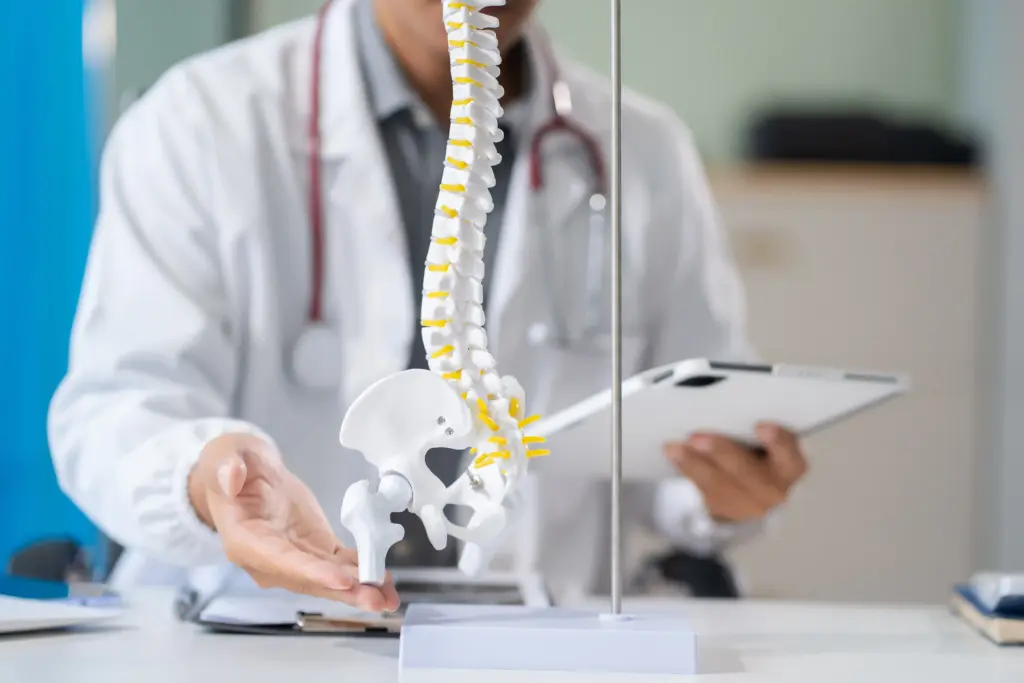
The human skeleton relies on a precise balance of mechanical forces to function. In orthopedic rheumatology, clinicians understand that inflammation fundamentally alters these mechanics. When the synovial lining of a joint becomes inflamed, it expands, stretching the stabilizing ligaments and creating instability.
This instability leads to abnormal wear patterns, which, in turn, trigger further inflammation. This discipline seeks to break this destructive cycle. By treating the immune response, mechanical integrity is preserved; by surgically stabilizing the mechanics, the inflammatory burden is often reduced.

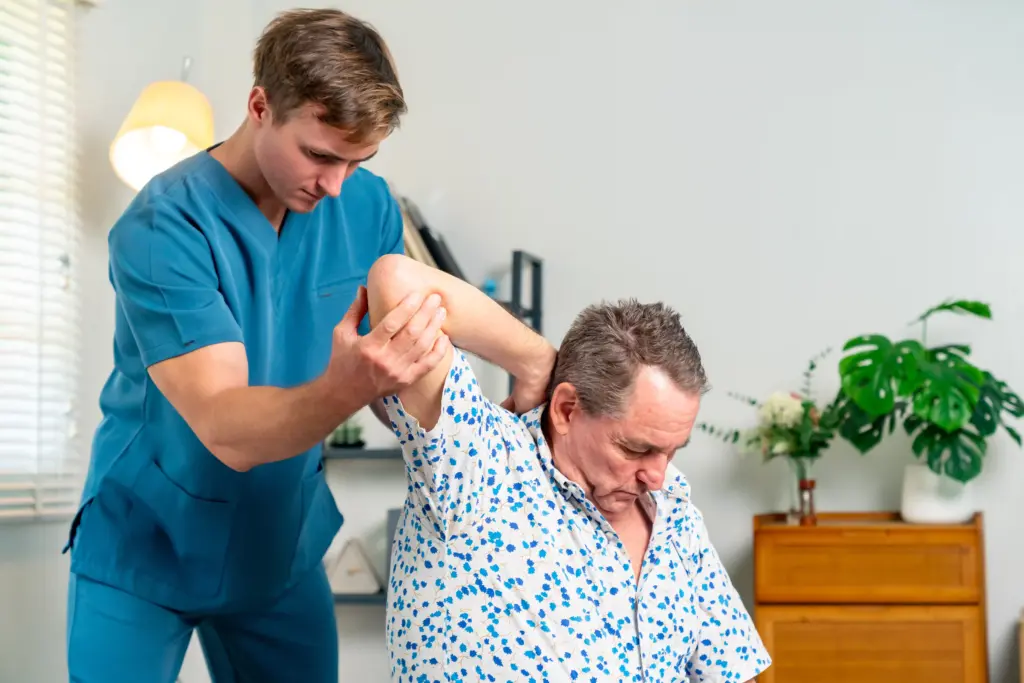
Orthopedic rheumatology deals primarily with the synovium, cartilage, and entheses. The synovium is the delicate lining of the joint that, in disease states, can transform into an aggressive tissue capable of invading bone. Cartilage acts as the shock absorber that is enzymatically digested during flares.
The enthesis is the anchor point where tendons attach to bone. Many rheumatic conditions, particularly spondyloarthropathies, specifically attack these anchor points. Understanding which tissue is the primary target helps distinguish between diseases and select the appropriate surgical or medical intervention.
Unlike mechanical wear and tear, which often leads to bone spur formation, rheumatic diseases are characterized by erosions. The inflamed tissue essentially eats away at the bone margins, creating “bites” out of the joint surface. This loss of bone stock makes future surgical reconstruction more challenging.
Orthopedic rheumatology focuses heavily on preventing these erosions. Modern imaging and biologic therapies aim to halt this process before the joint architecture is irreversibly altered. Once erosion occurs, the focus shifts to salvage and reconstruction.
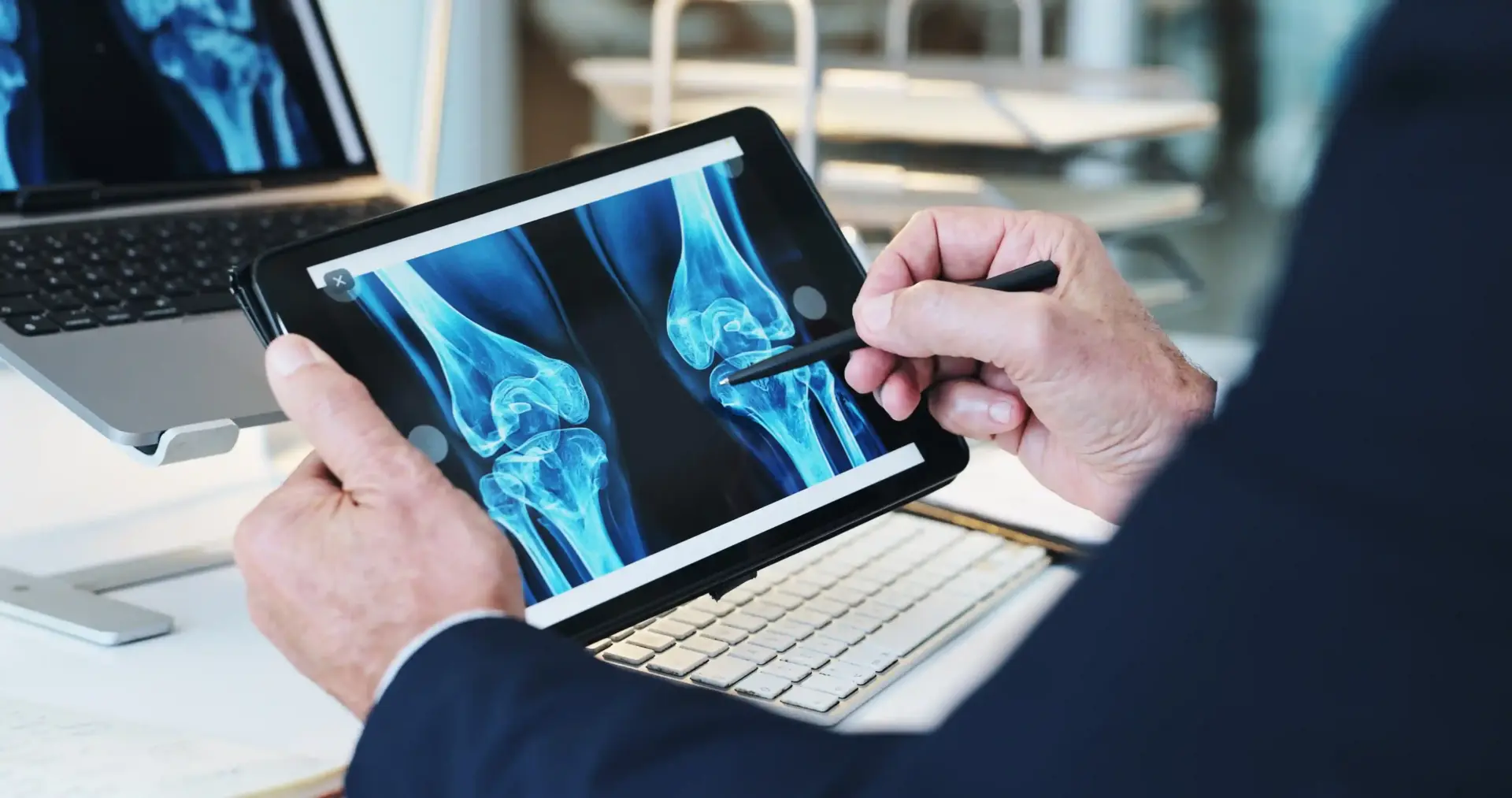
While the patient may present with a painful knee or hand, orthopedic rheumatology recognizes that this is a local manifestation of a systemic problem. The immune cells attacking the knee are circulating throughout the entire blood supply. This means that surgical decisions must take into account the patient’s overall health status.
A localized hand surgery must be timed with the medical management of the entire body. Ignoring the systemic nature of the disease can lead to poor surgical outcomes, infection, or repair failure due to inadequate tissue quality.
Conditions in this field are often categorized by the presence of specific antibodies in the blood. Seropositive conditions, like classic Rheumatoid Arthritis, carry markers that usually predict a more aggressive, erosive course requiring early orthopedic vigilance.
Seronegative conditions, such as Psoriatic Arthritis, lack these markers but present with unique orthopedic challenges, such as severe tendon inflammation and spinal fusion. Differentiating these categories is essential for predicting the trajectory of joint destruction.
In health, the synovium is a thin membrane that nourishes the joint. In rheumatic disease, it becomes the engine of destruction. It thickens into a mass called pannus, which releases destructive enzymes. Orthopedic rheumatology often involves procedures to remove this diseased tissue.
Synovectomy, or the removal of the synovium, is a procedure used to debulk the inflammatory tissue. This can be done arthroscopically to preserve the joint when medical management fails to control local swelling.
Chronic inflammation degrades collagen, the building block of tendons and ligaments. In orthopedic rheumatology, surgeons must contend with friable, weak tissues. A tendon in a rheumatoid patient may rupture spontaneously or fail to hold sutures during repair.
This reality dictates specific surgical techniques. Surgeons may use grafts or transfers rather than direct repairs, even when native tissue is compromised. It also influences rehabilitation protocols, necessitating gentler, slower progressions.
The interplay of bone erosion and ligament laxity leads to characteristic deformities. As the stabilizing structures fail, the muscles pull the joints into abnormal positions. Common examples include ulnar drift of the fingers or valgus deformity of the knees.
Orthopedic rheumatology aims to correct these biomechanical faults. Realigning the joint improves function and reduces pain. However, correcting the deformity often requires complex osteotomies (bone cuts) or joint fusions to provide lasting stability.
While often metabolic, gout and pseudogout fall under this umbrella due to their destructive inflammatory nature. Crystals deposited in the joint trigger an immune response as violent as an infection. Over time, these crystals form masses (tophi) that erode bone and destroy cartilage.
Orthopedic management involves removing these tophic masses when they interfere with function or threaten to break through the skin. It requires a delicate balance of metabolic control and surgical debridement.
Diseases like Lupus and Scleroderma affect the connective tissues that support the skeleton. Lupus can cause ligament laxity without bone erosion, leading to correctable deformities. Scleroderma causes hardening of the soft tissues, leading to contractures.
Orthopedic rheumatology tailors the approach to the specific tissue defect. In Lupus, soft tissue tightening procedures may be needed. In Scleroderma, release of tight tissues is the priority.
Juvenile Idiopathic Arthritis (JIA) presents unique challenges because the skeleton is still growing. Inflammation can accelerate growth in some areas and stunt it in others, leading to limb length discrepancies or small jaws.
Orthopedic rheumatology for children focuses on preserving growth potential. Synovectomies and specialized physical therapy are used to keep joints moving and prevent premature fusion of growth plates.
No single specialist can manage these complex conditions alone. The orthopedic rheumatologist functions as a hub, coordinating with medical rheumatologists, physical therapists, and pain specialists. This team based approach ensures that medication adjustments support surgical recovery and vice versa.
Regular communication prevents gaps in care. For instance, holding biologic medications before surgery to avoid infection requires precise timing coordinated between the surgeon and the prescribing physician.
Ultimately, the definition of success in this field is the preservation of quality of life. It is not just about X rays; it is about the patient’s ability to walk, dress themselves, and work.
Treatments are evaluated based on functional outcomes. A successful surgery is one that allows a patient to button a shirt or walk without pain, restoring independence that the disease tried to steal.
The future lies in precision medicine and tissue engineering. Research is focused on regenerating cartilage damaged by inflammation and developing implants that are resistant to the unique stresses of the rheumatic joint.
Newer biologic drugs are making surgery less necessary for many patients. The field is shifting from reconstruction to preservation, aiming to intervene so early that joint replacement becomes a rarity.

Send us all your questions or requests, and our expert team will assist you.
Osteoarthritis is mechanical wear and tear, where cartilage breaks down over time. Rheumatoid arthritis is an autoimmune disease where the body’s immune system attacks the joint lining, causing inflammation and erosion.
Your rheumatologist manages the medications to stop the disease. An orthopedic surgeon specializes in repairing the physical damage that has already occurred, such as fixing ruptured tendons, stabilizing loose joints, or performing joint replacements.
Surgery cannot cure the systemic disease; it repairs the local damage. You will still need to take medications to control the immune system and prevent the disease from attacking other joints or the repaired site.
Yes, chronic inflammation and the use of steroid medications can weaken the bones, leading to osteoporosis. This makes the bone softer and sometimes requires surgeons to use specialized techniques or implants to ensure they hold securely.
A synovectomy is a surgical procedure to remove the inflamed lining (synovium) of a joint. By removing the tissue that is producing the inflammatory chemicals, the method can reduce pain and swelling and slow down cartilage damage.



Osteoarthritis is a common condition that affects over 500 million people worldwide. Its prevalence has grown a lot, starting from 1990. This disease is more
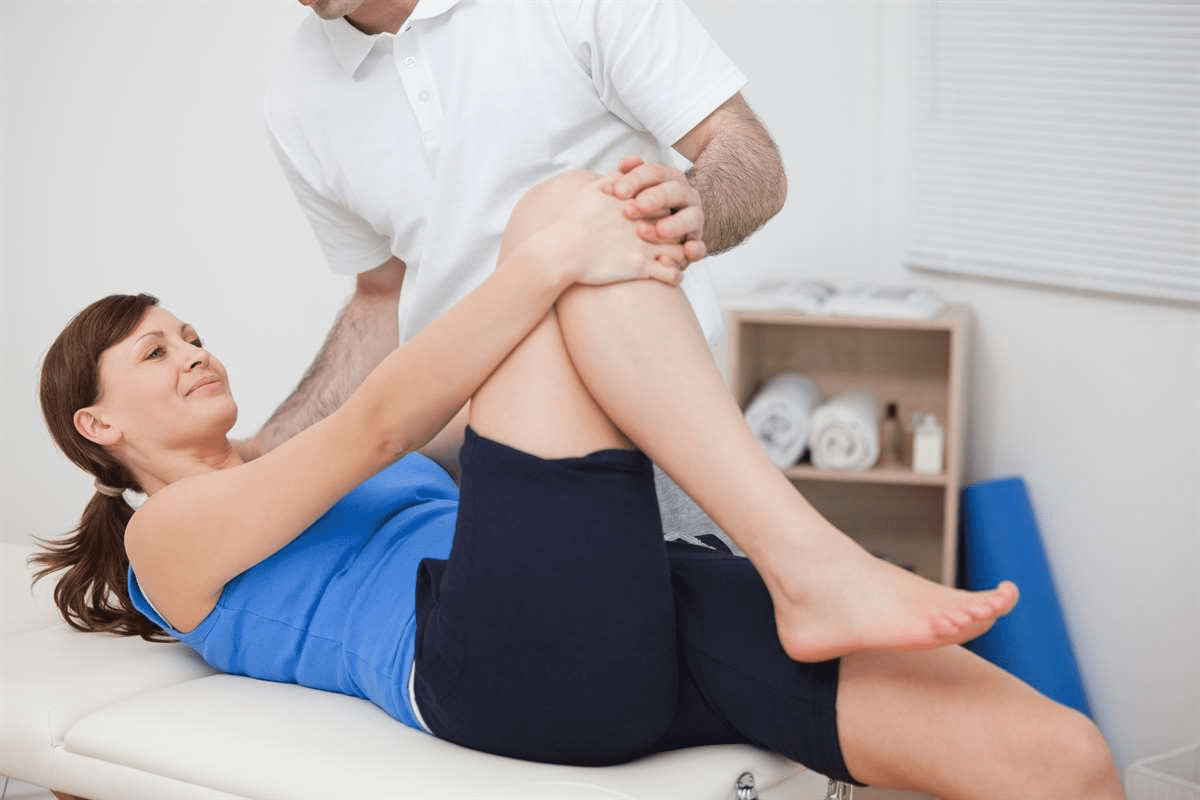
Did you know millions of people worldwide have autoimmune diseases that make their joints pop or crackle? This can be a sign of a serious
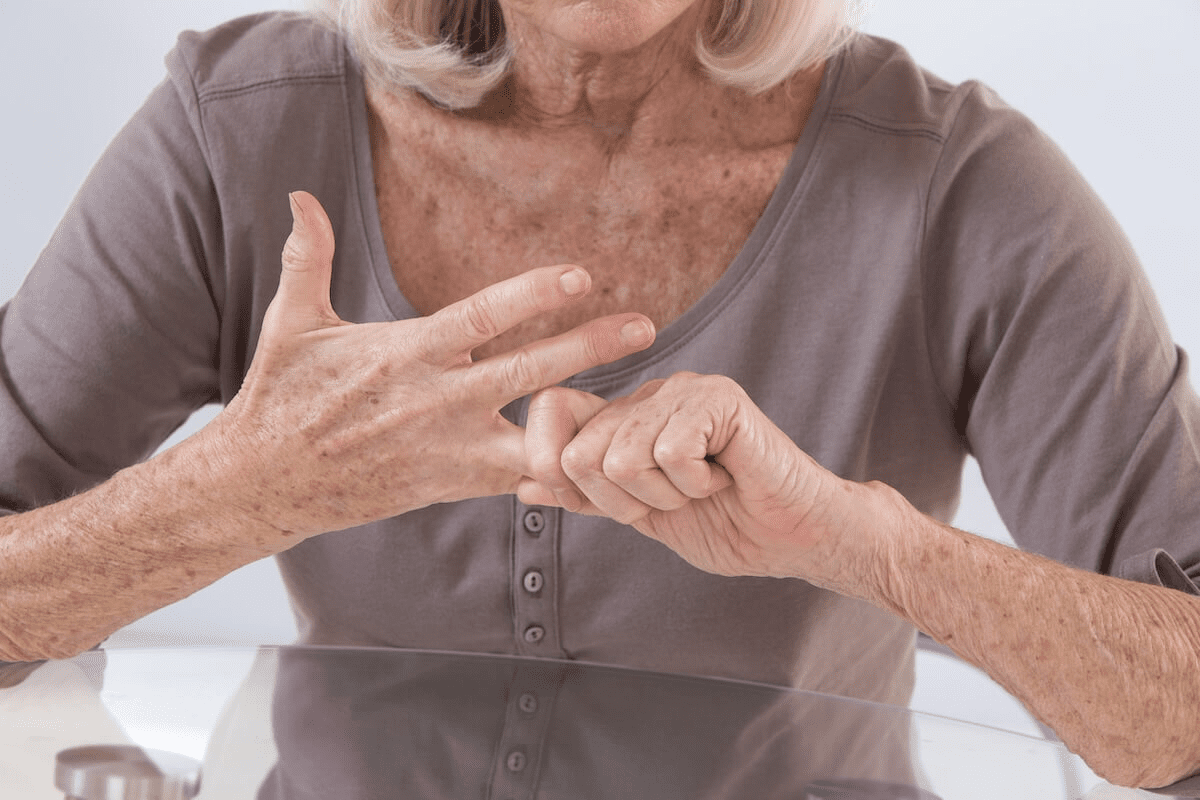
Psoriatic arthritis (PsA) is a chronic condition that affects millions worldwide. It causes swollen, scaly skin and joint pain. If not treated, PsA can cause

Leave your phone number and our medical team will call you back to discuss your healthcare needs and answer all your questions.
Your Comparison List (you must select at least 2 packages)