
Nearly 1 million people worldwide get a pacemaker implantation each year. Understanding the recovery process is essential for a smooth healing journey.pacemaker precautionsAtrial Fibrillation Pacemaker: Key Facts
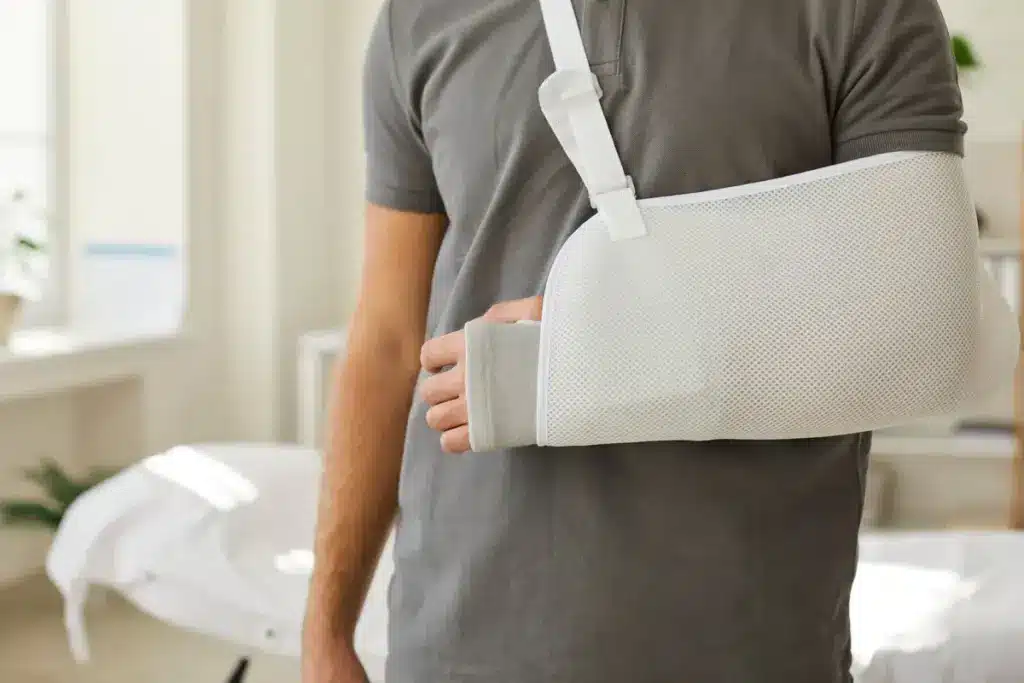
After the procedure, wearing a sling is often recommended. It helps reduce discomfort and supports the affected area. How long you wear the sling depends on several factors. These include the type of pacemaker and your overall health.
We will guide you through the typical recovery process, including the use of a sling. We’ll also tell you what to expect during this time.
Key Takeaways
- Understanding the importance of wearing a sling after pacemaker implantation.
- Factors influencing the duration of sling wear.
- General guidelines for pacemaker recovery.
- Tips for a smooth and effective healing process.
- Common precautions to take after receiving a pacemaker.
The Purpose of Pacemaker Implantation
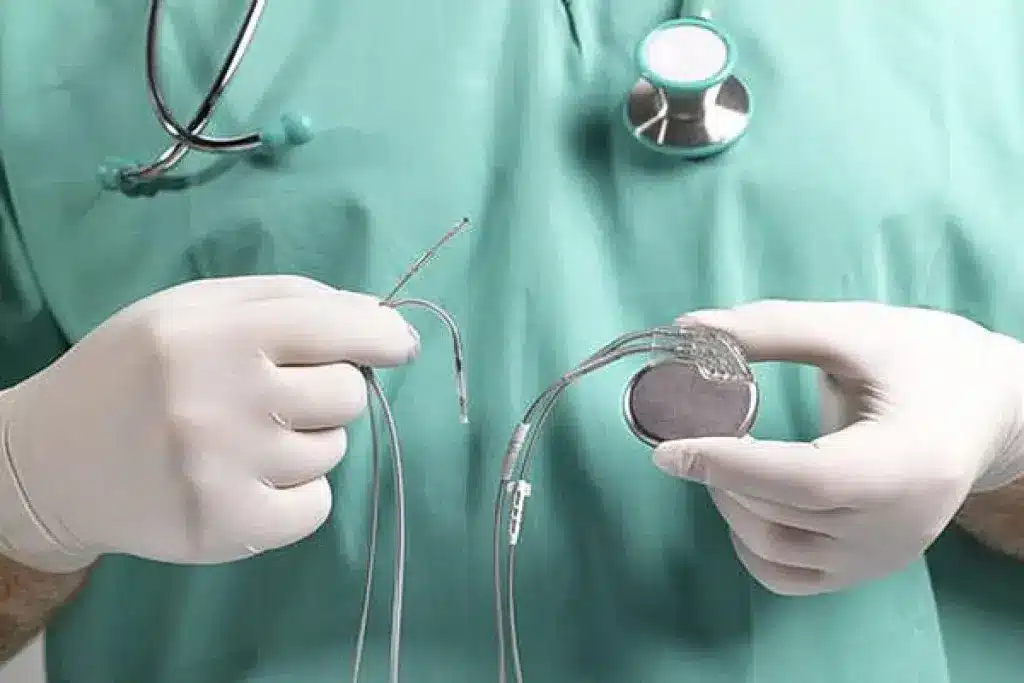
Pacemaker implantation is key in managing heart rhythm disorders. This condition affects millions globally. A pacemaker is a small device that controls the heartbeat by sending electrical impulses to the heart muscle.
What is a Pacemaker and How Does it Work?
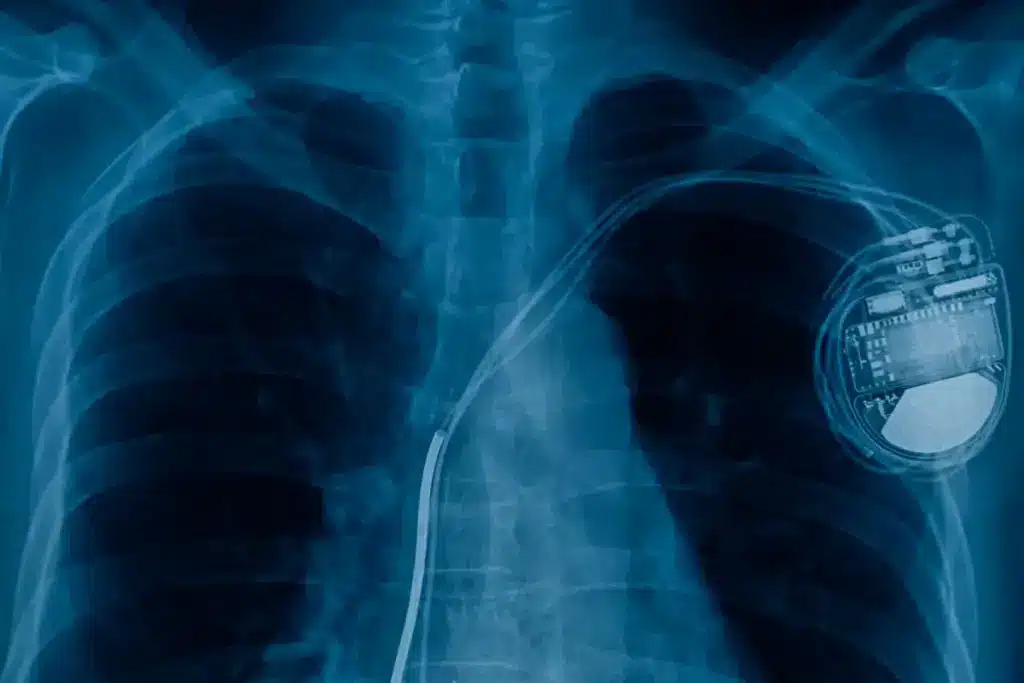
A pacemaker has two main parts: the pulse generator and the leads. The pulse generator is a small metal box with a battery and circuitry. It sends out electrical impulses. The leads are wires that connect the pulse generator to the heart. They deliver these impulses to the heart muscle.
Common Heart Conditions Requiring Pacemakers
Pacemakers treat heart conditions like bradycardia (slow heart rate), heart block (delayed or blocked signals), and sick sinus syndrome (heart’s pacemaker not working). These can cause fatigue, dizziness, and shortness of breath. They can really affect a person’s life quality.
- Bradycardia: A condition where the heart beats too slowly.
- Heart Block: A condition where the electrical signals are delayed or blocked.
- Sick Sinus Syndrome: A condition affecting the heart’s natural pacemaker.
Types of Pacemakers Available Today
There are many types of pacemakers, each for different heart conditions. Single-chamber pacemakers have one lead and pace one chamber. Dual-chamber pacemakers have two leads and pace both chambers, mimicking a natural heartbeat. Biventricular pacemakers are for heart failure, helping the heartbeat sync.
- Single-Chamber Pacemakers: Used for pacing one chamber of the heart.
- Dual-Chamber Pacemakers: Can pace both the atrium and ventricle.
- Biventricular Pacemakers: Used in cardiac resynchronization therapy for heart failure.
Knowing about these types and their uses is important for both patients and doctors. It helps in making the right choice for pacemaker therapy.
The Pacemaker Implantation Procedure
Getting a pacemaker implanted is more than just surgery. It’s a detailed process that includes preparation, the surgery itself, and care after. Each step is key for a good outcome.
Pre-Procedure Preparation
Prior to the pacemaker implant, patients undergo a series of checks. These help make sure they’re ready for the procedure. The checks include:
- A detailed look at your medical history
- A physical check-up
- An electrocardiogram (ECG) to check your heart’s rhythm
- An echocardiogram to see how well your heart is working
- Blood tests to find any health issues
Our electrophysiologist will talk about the risks and benefits of the procedure. They’ll answer your questions and tell you what to do before and after.
What Happens During the Surgery
The surgery is done under local anesthesia, so you won’t feel pain. Here’s what happens:
- A small cut is made in your upper chest for the pacemaker.
- Leads are put through a vein into your heart with fluoroscopy.
- The pacemaker is connected to the leads and set up for you.
- The cut is closed with stitches or staples, and you’re bandaged.
The whole thing takes about 1-2 hours. You’ll be watched closely during and after.
Immediate Post-Operative Care
After the surgery, you’ll go to a recovery area. Our team will keep a close eye on you. You might feel some pain or soreness, but it can be managed with medicine. It’s important to follow our care instructions, including:
- Keeping the incision clean and dry
- Avoiding heavy lifting or hard activities
- Watching for signs of infection or problems
We’ll give you all the details and support you need for a smooth recovery.
Why Slings Are Required After Pacemaker Implantation
Wearing a sling after pacemaker surgery is a common practice. It helps the body heal properly and prevents complications. The sling has several important roles in the recovery process.
Protecting the Surgical Site
One main reason for a sling is to guard the surgical area. The spot where the pacemaker is placed is sensitive during healing. A sling keeps the arm steady, avoiding bumps that could harm the wound or move the pacemaker leads.
Preventing Lead Displacement
The sling also stops the pacemaker leads from moving. These leads connect the pacemaker to the heart. If they move too much, it could lead to serious issues that might need more surgery. The sling limits arm movement, keeping the leads in the right spot.
Supporting Healing Tissues
The sling also helps the healing tissues around the pacemaker. It reduces movement and strain, which helps the healing process. This is key in the first weeks after surgery, when risks of problems like infection are high.
In short, a sling is a simple but effective way to protect the surgical area, prevent lead movement, and support healing. It helps patients avoid complications and recover better and faster.
Standard Timeframes for Wearing a Sling
Knowing how long to wear a sling after a pacemaker implant is key for a smooth recovery. The time needed can change based on the patient and the procedure details.
First 24-48 Hours Post-Procedure
Right after the pacemaker implant, it’s important to keep the arm on the implant side steady. Wearing a sling for the first 24-48 hours helps reduce movement and aids in healing. Patients should rest and avoid hard activities during this time.
First Week After Implantation
In the first week, the sling is vital for supporting the shoulder and preventing lead movement. Doctors usually tell patients to wear the sling most of the day, taking it off only for short times. Patients can start doing light activities but should avoid heavy lifting or intense movements.
Weeks 2-4 of Recovery
By weeks 2 to 4, patients often feel better and start to use the sling less. The exact time to stop wearing the sling varies based on healing and the pacemaker type. It’s important to follow the doctor’s advice on sling use and activity levels.
The table below shows typical sling wear times and recovery milestones:
|
Recovery Period |
Sling Wear Recommendation |
Activity Level |
|---|---|---|
|
First 24-48 Hours |
Continuous wear |
Rest, minimal movement |
|
First Week |
Most of the day |
Light activities, no heavy lifting |
|
Weeks 2-4 |
Gradual reduction |
Increasing activity levels as advised |
A study on pacemaker implant recovery found that following post-procedure guidelines, like sling use, greatly affects treatment success. Sticking to these guidelines is vital for a good recovery.
“The use of a sling after pacemaker implantation is a simple yet effective measure to protect the implant site and ensure proper healing.”
Cardiac Care Guidelines
Factors That May Extend Sling Wear Duration
Wearing a sling after a pacemaker implant can vary based on several factors. While a general time frame is given, some things can make you need to wear it longer.
Pacemaker Type and Placement Considerations
The type and where your pacemaker is placed can affect how long you wear a sling. For example, a biventricular pacemaker, used for heart therapy, might need a longer sling wear. Pacemakers placed near the shoulder or in tricky spots also might require more time to heal.
Patient Age and Overall Health Status
Your age and health are key in deciding sling wear time. Older people or those with health issues like diabetes or osteoporosis might need more time to recover. These conditions can slow down bone healing and extend sling wear.
Complications During Implantation
Problems during the pacemaker implant can also affect sling wear time. For instance, if there was a lot of bleeding or trouble with the leads, you might need to wear a sling longer. This helps with healing and reduces the risk of more issues.
Individual Healing Rates
Everyone heals at their own pace. Your health, lifestyle, and following doctor’s orders can affect how fast you heal. Those who heal slower might need to wear a sling longer to ensure the area heals right and avoid complications.
Proper Sling Wearing Techniques
After getting a pacemaker, wearing a sling right is key to protect the surgery area and help it heal. We’ll show you how to do it right for a smooth recovery.
Correct Positioning and Adjustment
To wear a sling correctly, start by making sure it’s under your arm and around your neck. It should be snug but not too tight. This way, it supports you without limiting your movement too much. Adjustment is key; you might need to adjust it during the day to stay comfortable and supported.
When adjusting the sling, remember these tips:
- Make sure the sling is not too high or too low on your arm.
- Check that the strap is comfortable around your neck.
- Ensure the sling supports your arm without straining your shoulder or back.
When to Remove the Sling Temporarily
There are times you might need to take off the sling, like when showering or changing clothes. Always follow your doctor’s advice on when and how to do this safely. Generally, you should:
- Take off the sling in a safe, supported place.
- Avoid raising your arm or making sudden movements.
- Have someone help you if you can.
Signs the Sling Needs Readjustment
Listen to your body. If you feel discomfort, pain, or notice the sling isn’t supporting you right, it might need adjusting. Common signs include:
|
Signs |
Possible Issues |
Action |
|---|---|---|
|
Discomfort or pain |
Sling too tight or too loose |
Adjust the strap |
|
Numbness or tingling |
Pressure on nerves |
Reposition the sling |
|
Sling slipping off the shoulder |
Improper positioning |
Readjust to fit snugly |
By following these guidelines, you can make your recovery after pacemaker implantation more comfortable and effective. Always talk to your healthcare provider if you have any questions or concerns about wearing your sling.
Essential Pacemaker Precautions During Recovery
To help healing and avoid problems, patients must follow key pacemaker precautions during recovery. These steps protect the surgery area, stop lead movement, and aid in healing.
Arm Movement Restrictions on the Implant Side
One important rule is to limit arm movement on the side of the pacemaker implant. We suggest not lifting heavy things, stretching, or doing hard arm movements for a few weeks. This keeps the lead in place and helps the surgery area heal right.
- Avoid lifting objects heavier than 5 pounds.
- Refrain from stretching or reaching overhead.
- Limit vigorous arm movements, avoiding twisting or rotating.
By sticking to these rules, patients can lower the chance of problems.
Activity Limitations During Healing
Patients should also watch their activity level during recovery. We advise against doing hard activities like:
- Contact sports or intense exercise.
- Heavy housework or yard work.
- Activities that involve bending, lifting, or straining.
Instead, light activities like walking or reading are good. They help recovery without too much strain.
Wound Care Guidelines
Good wound care is key during recovery. We suggest:
- Keeping the wound area clean and dry.
- Avoiding water until it’s fully healed.
- Following the doctor’s advice for dressing changes and care.
Following these steps helps avoid infection and ensures the best healing.
By following these essential pacemaker precautions, patients can have a smooth recovery. If you have questions or worries, always talk to your healthcare provider.
Transitioning Away From Sling Usage
Stopping sling use is a big step towards getting back to normal after a pacemaker implant. It’s key to follow a careful plan to avoid problems. We’ll show you how to slowly stop using the sling, introduce safe exercises, and watch for any issues.
Gradual Reduction Process
The way you slowly stop using the sling depends on how well you’re recovering. You might start by not wearing it for some activities or at certain times. For example, you could take it off for low-intensity tasks or when you’re in a safe place.
Your healthcare team will give you specific advice. They know your situation and surgery details best.
Safe Exercises to Begin After Sling Removal
After you stop using the sling, start with gentle exercises. These help you regain arm strength and mobility. Some good exercises are:
- Arm circles: Gently making small circles with your arm.
- Wrist extensions: Slowly tilting your wrist up and down.
- Shoulder rolls: Rolling your shoulders forward and backward.
Do these exercises carefully and within your comfort zone. This helps avoid straining the surgery area.
Monitoring for Complications During Transition
Keep an eye out for any signs of trouble as you start exercising without the sling. Look for increased pain, swelling, redness, or warmth at the surgery site. Also, watch for any odd feelings related to your pacemaker.
|
Potential Complication |
Signs to Watch For |
|---|---|
|
Infection |
Increased redness, swelling, warmth, or pus around the surgical site |
|
Pacemaker Issues |
Dizziness, fainting, irregular heartbeats, or unusual pacemaker sounds |
|
Lead Displacement |
Unusual heart rhythms or sensations, hiccuping, or twitching |
If you notice any of these symptoms, reach out to your healthcare provider right away.
Potential Complications from Improper Sling Use
Using a sling wrong after a pacemaker implant can cause problems. It can mess up the healing process and affect the pacemaker’s success. We’ll talk about the issues that can happen, like lead dislodgement, wound healing problems, and shoulder stiffness.
Lead Dislodgement Risks
One big risk is lead dislodgement. Leads are key for the pacemaker to work right. If the sling is not used right, the leads might move. This can make the pacemaker not work well, needing more medical help.
- Increased risk of lead displacement due to excessive movement
- Potential for pacemaker malfunction
- Necessity for additional surgical procedures to reposition or replace the lead
Wound Healing Complications
Using a sling wrong can also mess up wound healing. If it’s too loose or tight, it can irritate the wound. This can cause infections, slow healing, or even reopen the wound.
Shoulder Stiffness and Mobility Problems
Not using a sling right can also cause shoulder stiffness and mobility issues. The sling helps keep the shoulder and arm in place. Without it, the shoulder might get stiff or move less, making it hard to fix.
- Reduced range of motion due to inadequate immobilization
- Increased risk of chronic shoulder stiffness
- Potential need for physical therapy to regain mobility
It’s very important to follow your doctor’s sling use advice. Using it right helps you heal better and keeps your pacemaker working well.
Long-Term Pacemaker Precautions
Getting a pacemaker is just the start. It’s important to know about long-term precautions for your health. Life with a pacemaker means being careful about several things that can affect your device and health.
Electromagnetic Interference Concerns
One big precaution is avoiding electromagnetic interference (EMI). EMI can mess with your pacemaker. Sources include:
- Strong magnetic fields, like in MRI machines or some industrial gear
- Some household appliances, but most are safe
- Certain medical procedures, which we’ll talk about later
To stay safe, we suggest:
- Avoid leaning against or staying near big appliances or machines for long
- Be careful with devices that have strong magnetic fields
- Carry an ID card saying you have a pacemaker, helpful in emergencies
Physical Activity Guidelines
Pacemakers let you do normal activities, but follow some guidelines for exercise and movement:
|
Activity Type |
Recommended Guidelines |
|---|---|
|
Aerobic Exercises |
Start with light activities like walking or cycling after your doctor says it’s okay |
|
Contact Sports |
Stay away from contact sports that could harm your pacemaker or cause it to move |
|
Heavy Lifting |
Don’t lift heavy things or bend, on the side of your pacemaker implant |
a cardiologist, says, “Regular exercise is key, but listen to your body and don’t overdo it, specially in the first few months after getting a pacemaker.”
Medical Procedures to Approach with Caution
Some medical procedures need extra care if you have a pacemaker. These include:
- MRI scans, which might need special pacemaker settings or other imaging options
- Diathermy or electrocautery, which can mess with your pacemaker’s work
- Lithotripsy, which might need watching during the procedure
Tell your healthcare provider about your pacemaker before any medical procedure. As
“Patients with pacemakers should always carry their pacemaker identification card and inform their healthcare providers about their device to ensure safe medical care.”
Knowing these precautions helps keep your pacemaker working well and safely. This way, we can live active and healthy lives.
Follow-Up Care Schedule After Implantation
After getting a pacemaker, it’s important to follow a care plan. This ensures your device works right and keeps an eye on your health. We know this time can feel both good and scary. But with the right care, you can live a healthier life with your pacemaker.
Initial Check-Up
The first check-up is usually within 7-10 days after the surgery. We’ll look at the wound, remove any stitches, and check the pacemaker. This visit is key to spotting any early problems and answering your questions.
Routine Check-Up Schedule
After the first visit, you’ll have regular check-ups. You’ll see your doctor every 3-6 months for a pacemaker check. These visits include:
- Checking the pacemaker’s settings and battery
- Looking at your heart rhythm and overall heart health
- Making any needed changes to the pacemaker settings
- Talking about any symptoms or worries you have
Remote Monitoring Options
Many pacemaker patients also use remote monitoring. This lets your healthcare team check on your pacemaker and heart health without you having to go to the clinic. Remote monitoring can:
- Help catch problems early
- Make fewer trips to the clinic
- Keep a closer eye on your condition
We’ll talk about if remote monitoring is right for you during your visits.
Returning to Daily Activities
It’s important to know how to safely go back to daily life after getting a pacemaker. We’ll talk about driving, work, and exercise to help you recover well.
Driving Restrictions After Implantation
Many patients worry about driving after a pacemaker implant. Usually, you should not drive for 24 to 48 hours after the surgery. This helps your body heal and avoids problems.
Your doctor will give you specific rules about driving. The type of pacemaker and your health can affect these rules.
Work and Employment Considerations
Going back to work depends on your job and how you’re feeling. Most people need a few days off after surgery. Jobs that require lifting, bending, or hard work might need you to take more time off.
|
Job Type |
Recommended Leave Duration |
|---|---|
|
Desk Job |
1-3 days |
|
Manual Labor |
1-2 weeks |
|
High-Stress Job |
Variable, consult your doctor |
Exercise and Sports Guidelines
Starting to exercise is key to getting better, but do it carefully. Avoid heavy lifting and bending at first. Start with simple activities like walking to help your body heal and improve your heart health.
If you like sports, it’s best to avoid sports that could harm your pacemaker. Always check with your doctor before getting back into any hard physical activities.
By following these tips and talking to your healthcare team, you can safely get back to your daily life. Enjoy a better quality of life with your pacemaker.
The Role of Cardiac Electrophysiologists in Your Care
Cardiac electrophysiologists play a big role in caring for pacemaker patients. They focus on heart rhythm disorders. This makes them key in pacemaker care and follow-up.
What is a Cardiac Electrophysiologist?
A cardiac electrophysiologist is a cardiologist with extra training. They deal with heart rhythm problems. They know how to use devices like pacemakers.
When to Consult Your Specialist
See your cardiac electrophysiologist before, during, and after pacemaker surgery. They can help with any issues that come up.
Questions to Ask About Your Recovery
Ask about caring for your pacemaker site and any activity limits. Find out how to check your heart rhythm. Also, ask about follow-up visits and what to expect.
|
Stage |
Responsibilities |
|---|---|
|
Before Implantation |
Evaluation for pacemaker suitability, discussing the procedure and expectations. |
|
During Implantation |
Implanting the pacemaker, ensuring proper placement and functioning. |
|
After Implantation |
Follow-up care, monitoring pacemaker function, and addressing patient concerns. |
Living with a Pacemaker: Long-Term Considerations
Getting a pacemaker is just the start of a new chapter. It’s important to understand the long-term effects on your heart health. This knowledge helps you stay healthy over time.
Battery Life and Replacement Procedures
One key thing to think about is your pacemaker’s battery life. It usually lasts 5 to 15 years, depending on the type and how much it’s used. Regular check-ups with your cardiologist are key to keep an eye on the battery.
When the battery gets low, you’ll need a new one. Replacing it is a simpler surgery than the first time. It’s done under local anesthesia, and usually, the leads stay in place unless there’s a reason to change them.
Travel Considerations with a Pacemaker
Traveling with a pacemaker needs some extra planning. Before you go, make sure to:
- Tell your airline or travel provider about your pacemaker.
- Carry a pacemaker identification card.
- Watch out for things that might mess with your pacemaker’s signals.
Most pacemakers today are safe from common travel hazards like airport scanners. But, it’s smart to be careful. If you’re going abroad, find out about medical care at your destination.
Medical ID and Documentation Importance
Having a medical ID and the right papers is very important. A medical ID bracelet or necklace can save your life in an emergency. Also, keep your pacemaker card and medical records handy for quick access to your health info.
Don’t forget to tell your doctor and cardiologist about your travel plans. This is even more important if you’re going to a far-off place. They can help you get the medical care you need if something happens.
Special Considerations for Different Patient Groups
Understanding the needs of different patients with pacemakers is key. Age, activity level, and other health issues play big roles. These factors affect how patients are cared for.
Elderly Patients with Pacemakers
Elderly patients need extra care because of health problems and aging. Important things to consider include:
- Managing drug interactions
- Watching for pacemaker syndrome signs
- Changing pacemaker settings for heart function changes
Physically Active Individuals
Active patients must balance exercise with pacemaker risks. Key points are:
- Starting exercise slowly after implantation
- Staying away from sports that could harm the pacemaker
- Keeping an eye on heart rate and rhythm while exercising
Patients with Multiple Medical Conditions
Patients with many health issues need a detailed care plan. This plan should cover their overall health, not just the pacemaker. Important steps include:
- Working with many healthcare providers
- Handling interactions between the pacemaker and other treatments
- Reviewing and updating the care plan often
By focusing on these special needs, healthcare teams can give better, more tailored care to pacemaker patients.
Conclusion
Getting a pacemaker is just the start for a patient. It’s important to follow pacemaker precautions and guidelines for a smooth recovery and long-term care. Knowing how to wear your sling, what activities to avoid, and how to follow up with your doctor helps a lot.
It’s key to stick to the recovery plan. This means not moving your arm too much and not doing too much physical activity. This helps prevent problems and helps your body heal.
Going to regular check-ups with a cardiac electrophysiologist is also important. They can check how your device is working and help with any issues.
By being careful with pacemaker precautions and having a good long-term care plan, patients can feel better and live healthier. As a patient, knowing what to do and staying involved in your care is very important for the best results.
FAQ
What is a pacemaker and how does it work?
A pacemaker is a small device implanted under the skin. It helps control the heartbeat by sending electrical impulses. These impulses make the heart muscle contract.
How long do I need to wear a sling after pacemaker implantation?
You usually wear a sling for a few days to a week. This protects the surgical site and prevents lead displacement.
What are the common heart conditions that require pacemaker implantation?
Pacemakers treat conditions like bradycardia (slow heart rate), heart block, and certain heart failures.
What are the different types of pacemakers available?
There are single-chamber, dual-chamber, and biventricular pacemakers. Each type addresses different heart conditions.
Why is a sling necessary after pacemaker implantation?
A sling protects the surgical site and prevents lead displacement. It also supports healing tissues.
How do I properly wear a sling after pacemaker implantation?
Wear the sling under your arm on the pacemaker side. Adjust it to support your arm without pressure on the site.
What are the precautions I should take during recovery from pacemaker implantation?
Avoid heavy lifting, bending, or strenuous activities. Follow wound care guidelines to prevent complications.
When can I stop wearing a sling after pacemaker implantation?
Stop wearing a sling after a few days to a week. This depends on your recovery, as advised by your healthcare provider.
What are the possible complications of improper sling use?
Improper use can cause lead dislodgement, wound healing issues, and shoulder stiffness.
How do I transition away from using a sling?
Start by removing the sling for short periods. Do this under your healthcare provider’s guidance.
What are the long-term precautions for patients with pacemakers?
Be aware of electromagnetic interference and follow physical activity guidelines. Approach certain medical procedures with caution.
How often should I have follow-up appointments after pacemaker implantation?
You’ll have appointments within the first few weeks. Then, regular check-ups will follow. The frequency depends on your healthcare provider.
Can I exercise and play sports with a pacemaker?
Yes, but follow your healthcare provider’s guidelines. This ensures safe physical activity with a pacemaker.
What is the role of a cardiac electrophysiologist in my care?
A cardiac electrophysiologist specializes in heart rhythm disorders. They manage pacemaker care and address related issues.
How long does a pacemaker battery last?
Battery life varies, lasting 5 to 15 years. After that, the pacemaker needs to be replaced.
Are there special considerations for elderly patients with pacemakers?
Elderly patients need extra care and monitoring. This is due to comorbidities and careful management of pacemaker therapy.
National Center for Biotechnology Information. Evidence-Based Medical Insight. Retrieved from https://pmc.ncbi.nlm.nih.gov/articles/PMC2626349/



 Departments
 Related Videos
 Our Doctors
 News
News