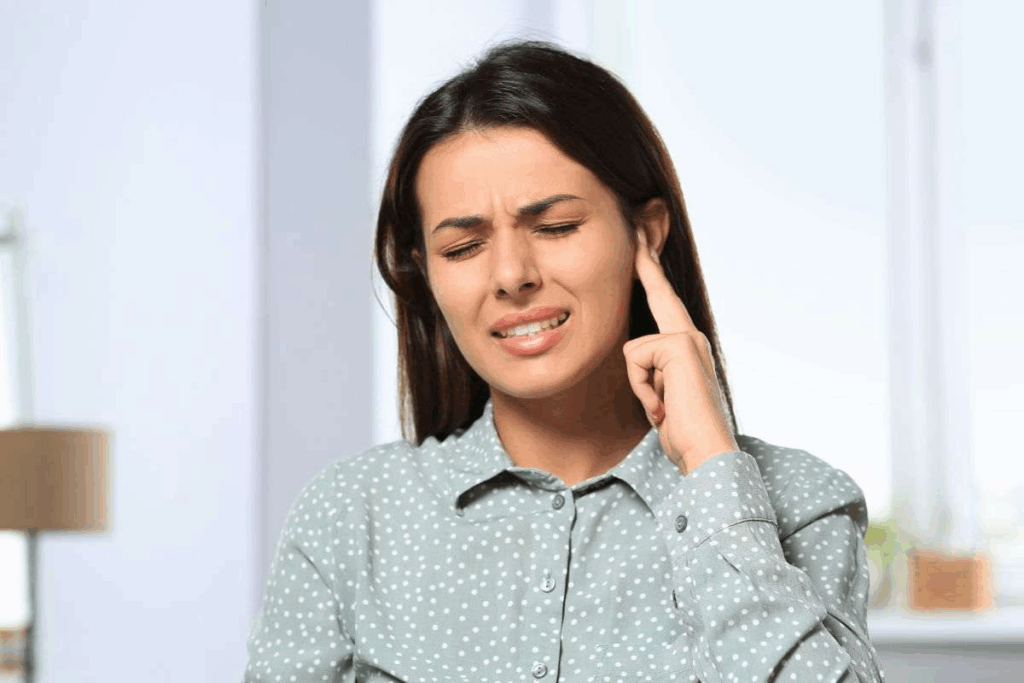
Pain under the ear behind the jaw is a common issue that can really affect your day. The temporomandibular joint (TMJ) is right in front of the ear. It links the lower jaw to the skull, helping with chewing, talking, and yawning pain under ear on jawline.
When this joint gets inflamed or hurts, it often spreads to the ear and nearby spots. We know how tough this can be, affecting not just the jaw but your overall health too. At Liv Hospital, we offer trusted care and new treatments to ease this pain.
Understanding the underlying causes is key to finding relief.
Key Takeaways
- TMJ disorders are a common reason for pain under the ear behind the jaw.
- This issue can really mess with daily tasks like eating and speaking.
- Knowing what’s causing the pain is vital for finding a solution.
- Liv Hospital provides trusted care and new treatments for TMJ problems.
- Getting professional help is important for ongoing pain.
Understanding Pain Under Ear on Jawline

Pain under the ear on the jawline can be puzzling and uncomfortable. It’s often linked to problems with the temporomandibular joint (TMJ). This joint is key for chewing, speaking, and yawning. Knowing how it works helps in figuring out and fixing the pain.
Anatomy of the Temporomandibular Joint
The TMJ is near the temporal bone, which holds the inner ear. It’s special because it involves the jawbone, muscles, and ligaments. This setup allows for a lot of movement. But, if it gets strained or out of balance, it can cause pain under the ear and behind the jaw.
The TMJ works hard every day, moving in many ways for chewing and talking. This constant activity can sometimes cause strain or swelling. This leads to discomfort or pain. TMJ disorders are a common cause of pain under the ear on the jawline. Knowing this helps in finding the right treatment.
Common Symptoms and Warning Signs
Spotting the signs of TMJ disorders is key for diagnosis. Symptoms include jaw pain or tenderness, clicking or grating sounds when moving the mouth, and trouble chewing or speaking. Some people might also have locking of the jaw, where the jaw gets stuck.
Other signs that might show up with pain under the ear behind the jaw include ear pain, ringing in the ears (tinnitus), or feeling like the ear is full. These symptoms can be mild or severe and might come and go. Spotting these signs early can help find the right medical care to ease the pain and fix the problem.
By knowing about the TMJ’s anatomy and the common symptoms of TMJ disorders, people can find better ways to treat their pain. If you’re dealing with ongoing or severe pain under the ear on the jawline, seeing a healthcare professional is a must. They can give a proper check-up and create a treatment plan just for you.
Common Causes of Pain Under Ear Behind Jaw

Pain under the ear behind the jaw can be puzzling and uncomfortable. It often comes from different causes. Knowing what causes it is key to managing it.
Temporomandibular Joint (TMJ) Disorders
TMJ disorders are a common reason for this pain. The TMJ connects the jawbone to the skull. It’s important for jaw movement. Problems here can cause pain and discomfort.
According to the American Dental Association, TMJ disorders are common. They can cause jaw locking, pain when chewing, and clicking sounds when moving the jaw.
Ear Infections and Inflammation
Ear infections can also cause jaw pain. Research shows that inflammation from these infections can spread to the TMJ. Middle ear infections, or otitis media, can be very painful and may cause fever and hearing loss.
Swollen Lymph Nodes and Their Triggers
Swollen lymph nodes in the neck can also cause jaw pain. These nodes swell when the body fights off infection. Dental problems, colds, and other infections can trigger this swelling.
Salivary Gland Infections and Disorders
Salivary gland infections, like parotitis, can cause pain and swelling behind the jaw. The parotid gland in this area can get infected. This leads to pain and discomfort.
Cause | Symptoms | Common Triggers |
TMJ Disorders | Pain, clicking or popping sounds, jaw locking | Jaw misalignment, teeth grinding, stress |
Ear Infections | Pain, fever, hearing loss | Bacterial or viral infections |
Swollen Lymph Nodes | Tenderness, pain radiating to the jaw | Dental problems, colds, infections |
Salivary Gland Infections | Pain, swelling, dry mouth | Bacterial or viral infections |
Knowing the causes of pain under the ear behind the jaw is important. It helps in finding the right treatment. By identifying the cause, people can get the help they need to feel better.
Diagnosing the Source of Your Jaw Pain
To find out why you have jaw pain, you need a detailed check-up. This includes looking at your past health and doing tests. Finding the cause of pain under ear and behind jaw needs a careful look.
Self-Assessment Questions to Ask
Before you see a doctor, think about a few questions. This can help you understand your pain better. Here are some things to consider:
- Where exactly is the pain located?
- How long have you been feeling this pain?
- Are there any activities that make the pain better or worse?
- Do you hear any clicking or feel like your jaw is locked?
Answering these questions can give you and your doctor important clues about your condition.
Professional Evaluation Process
A dentist or an ENT specialist will do a detailed check-up. They might:
- Talk to you about your symptoms and health history
- Look at your jaw and the area around it
- Check the TMJ for any problems
This check is key to figuring out why you have below ear jaw pain and finding the right treatment.
Common Diagnostic Tests and Procedures
Based on what they find, they might suggest more tests. These could be:
- X-rays to see the bones
- CT scans for detailed views of the jaw and soft tissues
- MRI to check soft tissues
- TMJ arthroscopy for a close look at the joint
These tests help find the exact reason for pain jaw below ear and guide treatment.
By using self-assessment, professional checks, and tests, doctors can find the cause of jaw pain. Then, they can suggest the best treatment.
Immediate Relief Strategies for Acute Pain
Acute pain under the ear behind the jaw bone can be very painful. But, there are quick ways to feel better. When you have sharp pain behind your jaw, it’s important to act fast to ease the pain and stop it from getting worse.
Proper Application of Heat and Cold Therapy
Using heat and cold therapy is a great way to get relief fast. Heat therapy relaxes muscles and boosts blood flow. Cold therapy cuts down inflammation and numbs the pain.
To use heat, apply a warm washcloth or a low-setting heating pad for 15-20 minutes. For cold, wrap an ice pack in a cloth and place it on the area for 10-15 minutes. Switching between heat and cold can help you feel better.
Effective Use of Over-the-Counter Pain Medications
Over-the-counter (OTC) pain meds are also key for quick relief. Ibuprofen and acetaminophen help with pain and swelling. Always follow the dosage and talk to a doctor if you have health issues or take other meds. These meds can really help with sharp pain behind your jaw.
Medication | Dosage | Frequency |
Ibuprofen | 200-400 mg | Every 4-6 hours |
Acetaminophen | 325-650 mg | Every 4-6 hours |
Gentle Massage Techniques
Gentle massage can also help with pain under the ear behind the jaw. Use soft, circular motions to relax the jaw muscles and improve blood flow. Be gentle to avoid making the pain worse. You can also massage your temples and the base of your skull to ease tension.
Emergency Pain Management Tips
If you have severe pain, it’s important to know how to handle it. If you have sudden, severe pain, stay calm and use cold therapy right away. If the pain doesn’t go away or you have trouble swallowing, speaking, or breathing, get medical help fast. Having a plan for emergencies can help you manage pain better.
Home Remedies for Pain Under Ear Behind Jaw Bone
Pain under the ear behind the jaw bone can be really tough. Luckily, there are home remedies that can help. These remedies aim to reduce pain, improve jaw movement, and boost your overall health.
Gentle Jaw Exercises and Stretches
Doing gentle jaw exercises and stretches can help ease pain. They make your jaw move better and feel less stiff. Try opening and closing your mouth, moving your jaw from side to side, and stretching your jaw muscles.
- Open your mouth as wide as you can, then close it.
- Move your jaw to the right, then to the left.
- Place your fingers on your jaw and gently massage the muscles.
Natural Anti-inflammatory Solutions
There are natural ways to fight pain and swelling under the ear behind the jaw bone. Some good options include:
- Turmeric: It has curcumin, which fights inflammation well.
- Ginger: It has compounds that help reduce pain.
- Omega-3 fatty acids: In fish oil, these fats help lower inflammation.
Natural Remedy | Benefits |
Turmeric | Reduces inflammation, alleviates pain |
Ginger | Anti-inflammatory properties, pain relief |
Omega-3 fatty acids | Reduces inflammation, promotes healing |
Supportive Sleep Positions and Pillows
Choosing the right sleep position and pillow is key to easing pain. Sleeping on your side or back with a good pillow keeps your jaw aligned right. This reduces strain on your jaw muscles.
Try using a contour pillow or a memory foam pillow. They offer the support you need and keep your jaw in a neutral spot.
By adding these home remedies to your daily life, you can find relief from pain under the ear behind the jaw bone. This can greatly improve your quality of life.
Dietary Adjustments to Reduce Jaw Discomfort
Changing what you eat can help ease jaw pain. Some foods can make pain worse, while others can help. By choosing the right foods, you can manage pain and keep your jaw healthy.
Foods to Avoid When Experiencing Pain
When you feel pain under your ear, avoid certain foods. Hard or chewy foods are bad because they put extra strain on your jaw. This can irritate the TMJ and muscles.
- Hard Foods: Nuts, hard candies, and raw veggies like carrots are tough to chew.
- Chewy Foods: Gum, tough meats, and chewy candies can strain your jaw.
- Crunchy Foods: Chips and crackers can also cause jaw discomfort.
Recommended Soft Foods Diet Plan
Eating soft foods can ease jaw pain. Here are some good options:
- Soft Fruits: Bananas, avocados, and cooked apples are easy to chew.
- Soft Proteins: Scrambled eggs, well-cooked fish, and tender meats are gentle on the jaw.
- Soft Grains: Oatmeal, cooked pasta, and soft bread are also good choices.
Food Category | Recommended Foods |
Fruits | Bananas, Avocados, Cooked Apples |
Proteins | Scrambled Eggs, Cooked Fish, Tender Meats |
Grains | Oatmeal, Cooked Pasta, Soft Bread |
Nutritional Supplements That May Help
Some supplements can help with jaw pain and inflammation. Omega-3 fatty acids have anti-inflammatory effects. Magnesium can relax muscles and improve jaw function.
Hydration and Its Impact on Jaw Pain
Drinking enough water is key for jaw health. Dehydration can cause muscle tension and worsen jaw pain. Drink water all day to keep your jaw muscles and joints lubricated.
Stress Management for Chronic Jaw Pain Relief
Managing stress is key to easing chronic jaw pain and improving life quality. Jaw pain can really affect daily life and well-being. It’s important to tackle the root causes, like stress.
Recognizing Stress-Related Jaw Clenching
Stress can make you clench your jaw, leading to pain. This is called bruxism. Spotting jaw clenching is the first step to managing it.
Signs of Stress-Related Jaw Clenching:
- Jaw pain or tenderness
- Teeth grinding or clenching sounds
- Headaches or earaches
- Worn-down teeth
- Morning jaw stiffness
Mindfulness and Meditation Practices
Mindfulness and meditation can ease jaw pain. They help you stay present, reduce stress, and relax.
“Mindfulness is the practice of being present in the moment, without judgment. It can help reduce stress and alleviate jaw pain by promoting relaxation and reducing muscle tension.” – Mindfulness Expert
Mindfulness Exercises:
- Deep breathing exercises
- Body scan meditation
- Mindful walking
- Progressive muscle relaxation
Progressive Muscle Relaxation Techniques
Progressive muscle relaxation (PMR) helps release tension. It’s great for jaw pain caused by clenching.
Muscle Group | Tensing Technique | Relaxation Technique |
Jaw | Clench teeth for 5 seconds | Release and relax for 10 seconds |
Neck | Tilt head to the side for 5 seconds | Return to neutral position and relax |
Shoulders | Shrug shoulders for 5 seconds | Release and relax for 10 seconds |
Addressing Nighttime Teeth Grinding
Teeth grinding at night can cause jaw pain. To fix this, you need stress management and sometimes dental help.
Tips for Managing Nighttime Teeth Grinding:
- Practice relaxation techniques before bed
- Use a mouthguard or splint
- Avoid stimulating activities before bedtime
- Manage stress through mindfulness and meditation
Medical Treatments for Persistent Pain Below Ear Behind Jaw
Persistent pain under the ear behind the jaw can be treated with medical help. If simple steps don’t work, doctors might suggest other treatments. These aim to find and fix the pain’s cause.
Prescription Medications and Their Effects
Medicines from the doctor are key in fighting pain and swelling. This includes muscle relaxants, pain relievers, and anti-inflammatory drugs. For example, muscle relaxants ease muscle tightness, while anti-inflammatory drugs cut down swelling and pain.
“The American Dental Association says prescription medicines can help with TMJ disorders. They should be used with a doctor’s advice.”
Physical Therapy and Rehabilitation Options
Physical therapy is also a good way to treat this pain. It includes gentle jaw exercises and stretches. A physical therapist can make a plan just for you to help your jaw move better and feel less stiff.
Dental Interventions and Mouth Guards
Dental treatments, like mouth guards and orthodontics, can fix dental problems that cause jaw pain. A custom mouth guard stops teeth grinding and clenching, which can hurt the TMJ. Orthodontics can also align the jaw, easing TMJ strain.
Minimally Invasive and Surgical Approaches
For severe cases, doctors might suggest less invasive or surgery. TMJ arthroscopy or open-joint surgery can fix or replace the TMJ. These are usually for serious damage or other complex issues.
It’s vital to talk to a healthcare expert to find the right treatment. They can guide you through the options and pick the best one for you.
When to Seek Emergency Care for Severe Jaw Pain
Severe pain under the ear and behind the jaw might mean a serious issue that needs quick medical help. It can be hard to tell if the pain is just a minor issue or something more serious. But, some symptoms are clear signs you need to see a doctor right away.
Red Flag Symptoms Requiring Immediate Attention
Some symptoms with jaw pain mean you should go to the emergency room. These include:
- Severe pain or swelling that doesn’t get better with medicine or home treatments.
- Difficulty breathing or swallowing.
- High fever or chills.
- Unexplained numbness or weakness in the face or arms and legs.
- Trauma to the jaw or face.
If you or someone you know has any of these symptoms, you must go to the emergency room right away.
Distinguishing Between Urgent and Non-Urgent Cases
Not all jaw pain is an emergency. But, it’s important to think about your symptoms carefully. Ask yourself:
- Is the pain getting worse or is it severe?
- Are there any red flag symptoms?
- Did you recently hurt your jaw or face?
- Is the pain making it hard to eat, speak, or sleep?
If you said “yes” to any of these, you should see a doctor as soon as you can. For less urgent cases, making an appointment with your doctor can help figure out and treat the cause of your jaw pain.
We stress the need to be careful and get medical help if you’re unsure. Your health and safety are the most important things. Getting medical help quickly can greatly improve your situation.
Conclusion
Managing pain under the ear behind the jaw needs a full plan. This plan includes knowing the causes, symptoms, and treatments. We looked at why jaw pain happens, like TMJ disorders, ear infections, and swollen lymph nodes.
Using self-care like heat, cold, massage, and changing what you eat can help. Medical treatments and lifestyle changes also play a big role. If pain lasts, getting professional help is key to find the cause and treat it.
Fixing jaw pain under the ear is a complex task. We hope our info helps you understand and manage this issue. It’s all about a mix of strategies to find relief.
FAQ
What are the common causes of pain under the ear behind the jaw?
Pain under the ear behind the jaw can be caused by several things. TMJ disorders, ear infections, swollen lymph nodes, and salivary gland infections are common culprits. These issues can lead to jaw pain, inflammation, and stiffness.
How is pain under the ear behind the jaw diagnosed?
Diagnosing this pain involves a few steps. First, a healthcare provider will assess the pain’s location and how severe it is. They’ll also look for any triggers or things that help relieve the pain. Tests like X-rays or MRI might be needed to get a clear diagnosis.
What are the symptoms of TMJ disorders?
TMJ disorders can cause a lot of discomfort. You might feel pain or tenderness in your jaw. You could also hear clicking or grating sounds when you open or close your mouth. Chewing or speaking might become difficult, and you might experience jaw locking or ear pain.
How can I relieve pain under the ear behind the jaw?
There are several ways to ease this pain. Applying heat or cold therapy can help. Over-the-counter pain medications and gentle massage are also effective. Try gentle jaw exercises, natural anti-inflammatory solutions, and supportive sleep positions at home.
What dietary adjustments can help reduce jaw discomfort?
Changing your diet can help with jaw discomfort. Avoid hard or chewy foods and stick to soft ones. Staying hydrated is also important. Omega-3 fatty acids or magnesium supplements might help reduce pain and inflammation.
How can stress management help relieve chronic jaw pain?
Stress can make jaw pain worse. Techniques like mindfulness, meditation, and progressive muscle relaxation can help. Recognizing when you clench your jaw and addressing nighttime teeth grinding can also prevent pain.
When should I seek emergency care for severe jaw pain?
Seek emergency care if you have severe jaw pain, swelling, or trouble breathing. It’s important to know when to get help quickly to avoid more serious problems.
What medical treatments are available for persistent pain under the ear behind the jaw?
For ongoing pain, doctors might prescribe medications or recommend physical therapy. Dental treatments could also be necessary. In some cases, surgery might be the best option.
Can jaw pain be a sign of an underlying infection?
Yes, jaw pain can signal an infection like an ear or salivary gland infection. Swollen lymph nodes are another sign. If you think you might have an infection, see a doctor right away.
How can I prevent jaw pain?
To avoid jaw pain, keep your teeth clean and avoid hard foods. Manage stress and get regular dental check-ups. Fixing any dental problems early can also help prevent pain.
References
National Health Service (NHS). Pain Relief: Temporomandibular Joint (TMJ) Dysfunction. Retrieved from https://www.nhs.uk/conditions/jaw-pain/