
If left untreated, parathyroid disorder can lead to severe health complications. Many people suffer from this condition without knowing the risks.
If left untreated, parathyroid disease may lead to bone loss, kidney stones, and cardiovascular complications. It’s important to understand these risks to make good health choices.
Key Takeaways
- Untreated parathyroid disorder can lead to severe health complications.
- Bone loss is a risk if parathyroid issues are not treated.
- Kidney stones can be a complication of untreated parathyroid disorder.
- Cardiovascular problems may arise if parathyroid issues are not addressed.
- Surgery is often necessary to prevent long-term health consequences.
Understanding Parathyroid Disease and Its Impact on Health
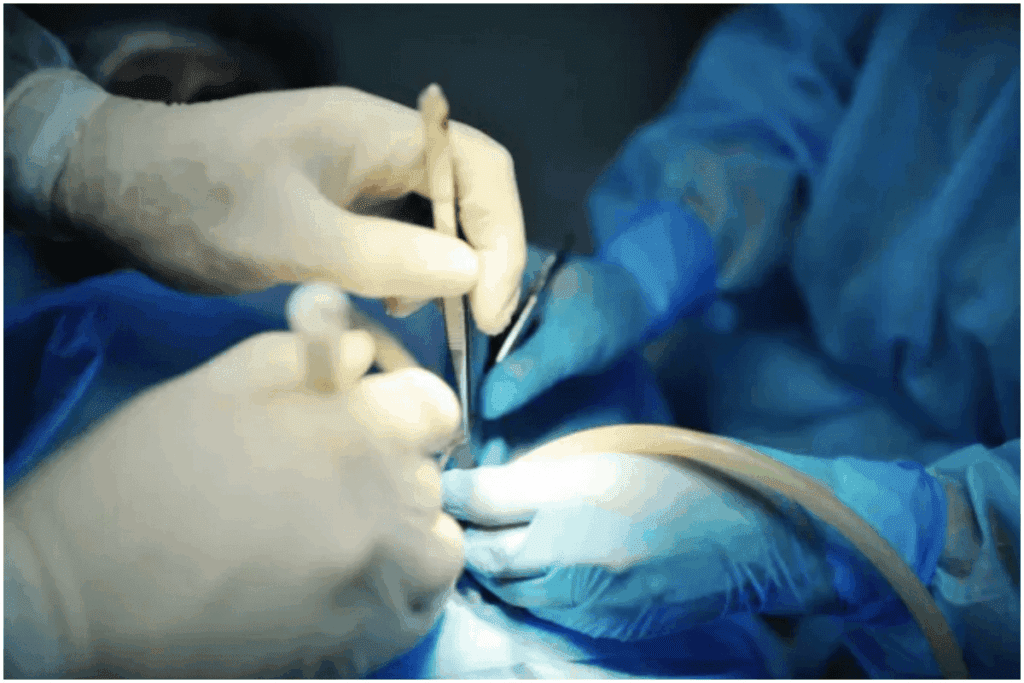
It’s important to know about parathyroid disease and how it affects the body. The parathyroid glands are small glands near the thyroid gland in the neck. They help keep the body’s calcium levels balanced.
What are the parathyroid glands and their function?
The parathyroid glands make parathyroid hormone (PTH). This hormone helps control calcium levels in the blood. It keeps calcium levels right, which is key for muscle and nerve function.
Common types of parathyroid disorders
Primary hyperparathyroidism is a common disorder. It happens when one or more glands make too much PTH. This can upset calcium levels and cause health problems.
When surgery is typically recommended
Parathyroid surgery, or parathyroidectomy, is often needed for primary hyperparathyroidism. It’s suggested when symptoms are severe or when complications arise. Surgery can fix calcium levels and ease symptoms.
- Symptomatic hyperparathyroidism
- Significant calcium imbalance
- Osteoporosis or bone density issues
- Kidney stone formation
The Progressive Nature of Untreated Parathyroid Disease

If left untreated, parathyroid disorders can get worse, leading to serious health problems. Parathyroid disease is not a fixed condition. It can change and get worse over time, affecting many parts of a person’s health.
How parathyroid disorders typically worsen over time
Parathyroid disorders, like primary hyperparathyroidism, tend to get worse. The overproduction of parathyroid hormone (PTH) can cause many problems. Chronically elevated PTH levels can lead to calcium imbalances, bone loss, and other metabolic issues.
The disease can progress slowly, with some people noticing symptoms gradually. Others may not show symptoms until the disease has advanced. It’s important to monitor the disease closely. But, for some, waiting and watching may not be the best strategy.
The misconception of “watching and waiting”
Some doctors suggest “watching and waiting” for patients with mild or no symptoms. But, this approach can be misleading. It may give patients a false sense of security. Parathyroid disease can progress quietly, and by the time symptoms appear, damage may already be done.
Research shows that even those without symptoms can develop serious problems like osteoporosis and kidney stones. It’s important to consider the risks and benefits of monitoring versus surgery for each patient.
Timeline of disease progression
The speed at which parathyroid disease progresses varies. Some people may see slow changes over years, while others may experience rapid decline.
- Early stages: Mild symptoms or no symptoms at all
- Intermediate stages: Noticeable symptoms such as fatigue, joint pain, and cognitive issues
- Advanced stages: Severe complications including osteoporosis, kidney stones, and cardiovascular problems
Knowing the timeline of disease progression helps patients and doctors make better treatment choices. While some may need to be watched closely, others may need early treatment to avoid serious complications.
Calcium Imbalance: The Root Cause of Complications
Parathyroid hormone is key to keeping calcium levels balanced. Its imbalance can cause big problems. The parathyroid glands make parathyroid hormone (PTH). It helps control calcium in the blood.
How Parathyroid Hormone Regulates Calcium
PTH works in many ways to keep calcium levels right. It helps release calcium from bones, boosts gut absorption, and cuts down kidney excretion. This ensures calcium stays within a healthy range.
Effects of Chronically Elevated Calcium Levels
Too much PTH can cause chronically elevated calcium levels, or hypercalcemia. This can make you feel tired, weak, and confused. Long-term, it can lead to kidney stones and bone diseases.
Metabolic Consequences of Calcium Dysregulation
Calcium imbalance affects many body functions. It impacts muscle, nerve, and blood clotting. It can also cause metabolic disorders, like kidney stones and weak bones.
Keeping calcium balanced is vital. Knowing how parathyroid hormone works and its role in calcium regulation is key. It helps manage parathyroid disease better.
Bone Health Deterioration and Fracture Risk
When parathyroid disease is not treated, bone health suffers greatly. This leads to a higher chance of osteoporosis and fractures. The disease disrupts calcium levels, which are key for strong bones.
Accelerated Bone Loss
Untreated parathyroid disease causes accelerated bone loss. The extra parathyroid hormone (PTH) pulls calcium from bones into the blood. This weakens bones over time, causing them to become brittle and porous, known as osteoporosis.
Increased Risk of Fractures
Weaker bones from untreated parathyroid disease raise the risk of fractures. Even small falls or stresses can cause fractures. This not only lowers quality of life but also increases the chance of more serious issues like immobility and loss of independence.
Long-term Skeletal Damage
The skeletal damage from untreated parathyroid disease can last forever. It’s not just about bone density; it also changes bone structure, making it more prone to fractures.
| Condition | Bone Density | Fracture Risk |
| Normal | High | Low |
| Osteoporosis | Low | High |
| Untreated Parathyroid Disease | Significantly Reduced | Very High |
In conclusion, untreated parathyroid disease has a big impact on bone health. It causes fast bone loss, raises fracture risk, and leads to long-term skeletal damage. Knowing these risks is key to making the right treatment choices.
Kidney Complications from Untreated Parathyroid Issues
Untreated parathyroid disease can cause serious kidney problems. These include kidney stones and a decline in kidney function. The main issue is an imbalance in calcium levels, which plays a big role in these complications.
Formation of Kidney Stones
Kidney stones are a common problem linked to untreated parathyroid disease. High calcium levels in urine can cause stones. These stones can be very painful and may block the urinary tract.
- Increased calcium excretion through urine
- Formation of calcium stones
- Potential for urinary tract obstruction
Declining Kidney Function
Untreated parathyroid disease can also harm kidney function. High levels of parathyroid hormone increase calcium, damaging the kidneys. This makes it hard for the kidneys to filter waste and balance electrolytes.
- Progressive damage to kidney tissues
- Reduced ability to filter waste
- Increased risk of chronic kidney disease
Risk of Kidney Failure
In severe cases, untreated parathyroid disease can lead to kidney failure. This is when the kidneys can’t work right anymore. It might mean needing dialysis or a kidney transplant, which greatly affects life quality.
- End-stage renal disease
- Need for dialysis or kidney transplant
- Significant impact on quality of life
In summary, untreated parathyroid disease is a big risk for kidney health. It can cause kidney stones, decline in function, and even kidney failure. It’s very important to treat parathyroid issues early to avoid these problems.
Cardiovascular System Damage
The heart and blood vessels are at risk from untreated parathyroid disease. This can cause serious heart problems. Untreated parathyroid disease can lead to heart issues and affect blood vessel health.
Calcium Deposits in Blood Vessels
Untreated parathyroid disease can cause calcium to build up in blood vessels. This is called vascular calcification. It can make arteries hard and stiff, which can block blood flow to important organs. Calcium deposits can also increase the risk of heart attacks and strokes.
Hypertension and Heart Rhythm Abnormalities
Untreated parathyroid disease can also lead to high blood pressure and heart rhythm problems. High levels of parathyroid hormone can mess with calcium levels in the heart. This can cause arrhythmias. Hypertension can also put more strain on the heart, raising the risk of heart failure and other heart problems.
Increased Risk of Heart Attack and Stroke
The combination of calcium buildup, high blood pressure, and heart rhythm issues raises the risk of heart attack and stroke. Getting parathyroid disease treated quickly is key to reducing these risks and preventing damage to the heart and blood vessels.
| Cardiovascular Risk Factor | Description | Potential Consequences |
| Calcium Deposits in Blood Vessels | Accumulation of calcium in vascular walls | Arteriosclerosis, reduced blood flow |
| Hypertension | Elevated blood pressure | Heart failure, cardiac strain |
| Heart Rhythm Abnormalities | Disrupted heart electrical activity | Arrhythmias, increased cardiac risk |
Knowing the heart risks from untreated parathyroid disease shows why early diagnosis and treatment are so important. Treating the parathyroid condition can greatly lower the risk of serious heart problems.
Living with Untreated Parathyroid Disease: Daily Symptoms
Untreated parathyroid disease can make daily life tough. People with this condition face many challenges that harm their well-being.
Chronic Fatigue and Weakness
Chronic fatigue is a big problem for those with untreated parathyroid disease. It makes simple tasks seem huge. This fatigue also messes with mental focus and clarity.
Muscle weakness makes everyday tasks hard. Carrying groceries or climbing stairs can be tough because of lack of strength.
Joint and Muscle Pain
Joint and muscle pain is another issue. This pain can be mild or severe. It feels like a dull ache or stiffness in the joints and muscles.
This pain can hit many parts of the body. It gets worse with movement or activity.
- Pain in the hands, feet, and other extremities
- Stiffness in the joints, mainly in the morning
- Muscle cramps and spasms
Emotional and Psychological Burden
The emotional and psychological effects of untreated parathyroid disease are huge. The constant symptoms lead to frustration, anxiety, and depression. It affects mental health and relationships.
People with parathyroid disease need to see a doctor to feel better. Understanding these daily struggles shows why treatment is so important.
Neurological and Cognitive Consequences
Parathyroid disease can severely affect your brain and nervous system if not treated. It messes with your brain’s health in many ways. This can cause big problems with thinking and feeling.
Memory Problems and Cognitive Decline
Untreated parathyroid disease can hurt your memory and brain power. High calcium levels, common in this disease, can cause memory loss and trouble focusing. People with this disease may also see their brain skills get worse over time.
- Difficulty concentrating and making decisions
- Memory lapses and forgetfulness
- Reduced problem-solving abilities
Depression and Mood Disorders
Parathyroid disease can also mess with your mood, leading to depression and other mood problems. Studies show that fixing the hormone imbalance with surgery can help improve mood.
Sleep Disturbances
People with untreated parathyroid disease often have trouble sleeping. The discomfort and changes in metabolism can cause insomnia and tiredness during the day. Fixing the parathyroid issue is key to better sleep.
- Insomnia and restless sleep
- Daytime fatigue and lethargy
- Impact on overall well-being and daily functioning
In summary, untreated parathyroid disease can have serious effects on your brain and mood. It’s vital to treat it quickly to avoid these problems and keep your health good.
Gastrointestinal Effects of Prolonged Parathyroid Dysfunction
Gastrointestinal problems often come from untreated parathyroid disease. The parathyroid glands help control calcium levels in our bodies. When they don’t work right, it can cause many stomach issues.
Chronic Nausea and Digestive Issues
Chronic nausea is a big problem with parathyroid issues. It can cause vomiting, stomach pain, and changes in bowel movements. High calcium levels from hyperparathyroidism can mess with digestion, causing these symptoms.
Nausea and vomiting can be serious. They can lead to dehydration and imbalances in electrolytes. People with untreated parathyroid disease should watch out for these signs and see a doctor if they get worse.
Peptic Ulcers and Pancreatitis Risk
High calcium levels from hyperparathyroidism can increase the risk of peptic ulcers. These ulcers can hurt the stomach or duodenum, causing pain and serious problems if not treated.
There’s also a higher risk of pancreatitis. This is an inflammation of the pancreas that can cause severe pain and serious health risks. The exact reason is not known, but high calcium levels might play a part.
| Gastrointestinal Condition | Association with Parathyroid Disease | Potential Complications |
| Peptic Ulcers | Increased risk due to hypercalcemia | Bleeding, perforation, obstruction |
| Pancreatitis | Potential link to elevated calcium levels | Severe abdominal pain, organ failure |
| Chronic Nausea | Common symptom of untreated parathyroid disease | Dehydration, electrolyte imbalance |
Nutritional Absorption Problems
Untreated parathyroid disease can also mess with how we absorb nutrients. This can lead to nutrient deficiencies over time.
Nutritional counseling can help. It ensures people with untreated parathyroid disease get the nutrients they need. This can help with stomach problems and support overall health.
Risk of Parathyroid Crisis: A Medical Emergency
Untreated parathyroid disease can cause a parathyroid crisis. This is a serious condition that needs quick medical help. A parathyroid crisis has very high blood calcium levels, leading to severe symptoms and serious risks.
Defining a Parathyroid Crisis
A parathyroid crisis happens when the parathyroid glands make too much parathyroid hormone (PTH). This causes blood calcium levels to soar. It’s a medical emergency because it can lead to severe and even deadly problems if not treated fast.
Warning Signs and Symptoms
It’s important to know the signs of a parathyroid crisis to get help quickly. Symptoms include:
- Severe nausea and vomiting
- Abdominal pain
- Dehydration
- Confusion or altered mental state
- Muscle weakness
These symptoms can get worse fast. They can lead to serious problems like heart issues, kidney failure, and even death if not treated right away.
Emergency Treatment Requirements
For a parathyroid crisis, treatment starts with hospital care to manage symptoms and lower calcium levels. This might include:
| Treatment Approach | Description |
| Aggressive hydration | To help flush out excess calcium |
| Medications to lower calcium | Such as bisphosphonates or calcitonin |
| Surgical intervention | To remove the parathyroid gland(s) causing the crisis |
Quick medical care is key to avoid lasting harm or death. Knowing the risks and symptoms of a parathyroid crisis can save lives.
When Monitoring May Be Appropriate vs. Surgical Intervention
Choosing between monitoring and surgery for primary hyperparathyroidism depends on several factors. These include how severe the disease is, the patient’s age, and any health issues they have.
Mild Cases and Borderline Lab Values
For those with mild primary hyperparathyroidism, watching the condition closely might be enough. This is often the case for people with lab values that are just a bit off and don’t have many symptoms.
Research shows that mild cases can stay the same for years without getting worse. But, it’s important to keep an eye on things to catch any changes early.
Age and Comorbidity Considerations
Age and health problems are key when deciding between watching the condition or surgery. Older people or those with serious health issues might face more risks with surgery. So, watching the condition might be safer for them.
On the other hand, younger people or those with fewer health problems might do better with surgery. This can help avoid problems that can come from not treating the condition.
Risk-Benefit Analysis for Individual Patients
Every patient needs a careful look at the pros and cons of surgery. This means weighing the good things surgery can do, like fixing calcium levels and easing symptoms, against the possible risks.
| Factors | Monitoring | Surgical Intervention |
| Disease Severity | Mild cases | Moderate to severe cases |
| Age | Older patients | Younger patients |
| Comorbidities | Presence of significant health issues | Fewer comorbidities |
| Symptoms | Minimal or absent | Significant symptoms |
Comparison of factors influencing the decision between monitoring and surgical intervention for primary hyperparathyroidism.
In conclusion, the choice between monitoring and surgery for primary hyperparathyroidism should be made with the patient’s specific situation in mind. This includes looking at how severe the disease is, the patient’s age, any health problems they have, and how they’re feeling.
Non-Surgical Management Options and Their Limitations
For those with parathyroid disease, non-surgical methods can offer temporary relief. These methods are often chosen for mild cases or when surgery is not immediate.
Medication Options for Controlling Symptoms
Medicines can help manage symptoms of parathyroid disease. For example, bisphosphonates can keep bones strong. Calcimimetics can lower parathyroid hormone and blood calcium levels. Yet, these drugs don’t fix the disease’s cause.
Limitations of Medication: Medicines can ease symptoms but don’t cure parathyroid disease. Despite treatment, the disease can worsen and lead to complications.
Dietary Modifications
Changing your diet is another non-surgical way to manage parathyroid disease. You might be told to eat less calcium or foods high in phosphate. Drinking plenty of water is also key to avoid kidney stones.
Importance of Balanced Diet: While diet changes can help, it’s vital to eat a balanced diet. This prevents nutritional deficiencies. Patients should get a diet plan from a healthcare provider or dietitian.
Why These Approaches Don’t Address the Underlying Problem
Non-surgical methods, like medicines and diet changes, mainly aim to control symptoms. They don’t fix the main problem, which is often overactive parathyroid glands.
- These methods don’t fix the hormonal imbalance caused by parathyroid disease.
- They might not stop the disease from getting worse or prevent long-term problems.
- Patients might need surgery or other treatments to fix the disease’s root cause.
It’s important to know the limits of non-surgical treatments. While they can ease symptoms, they’re not a permanent fix. Surgery can tackle the disease’s cause directly.
The Success Rate and Safety Profile of Parathyroid Surgery
Parathyroid surgery has become safer and more reliable thanks to new techniques. The success of the surgery depends on the surgeon’s experience and the care team’s quality.
Modern Surgical Techniques and Their Effectiveness
Today’s parathyroid surgery uses new methods like minimally invasive surgery and hormone monitoring during surgery. These advancements make the surgery more accurate and effective, leading to better results for patients.
Key benefits of modern surgical techniques include:
- Reduced recovery time
- Minimal scarring
- Lower risk of complications
- Improved precision in identifying and removing affected glands
Recovery Expectations
Recovery from parathyroid surgery is usually quick. Most patients can get back to their normal activities in a few days. The surgery is often done on an outpatient basis, so patients can go home the same day.
Factors influencing recovery include:
- The patient’s overall health
- The extent of the surgery
- The presence of any complications
| Recovery Aspect | Typical Outcome |
| Hospital Stay | Outpatient procedure, same-day discharge |
| Return to Normal Activities | Within 3-7 days |
| Full Recovery | Several weeks |
Comparing Surgical Risks to Risks of Non-Treatment
Parathyroid surgery has its risks, but not treating the disease can be riskier. Untreated parathyroid disease can cause serious problems like osteoporosis, kidney stones, and heart disease.
Comparing risks shows that parathyroid surgery is a safe and effective choice for treating the disease. This is true when experienced surgeons perform the surgery.
Conclusion: Making an Informed Decision About Parathyroid Treatment
It’s important to know the risks and benefits of different treatments for parathyroid disease. If left untreated, it can cause serious health problems like bone loss, kidney issues, and heart damage. This condition gets worse over time, so acting quickly is key to avoid serious problems.
There are different ways to treat parathyroid disease, and choosing surgery depends on many factors. Patients need to think about their health, how bad their condition is, and what each treatment might do. This helps them make a choice that fits their needs and health goals.
To manage parathyroid disease well, you need to understand it and the treatment choices. Being well-informed and working with your healthcare team is important. This way, you can find the best treatment for you and get good results.
FAQ
What is parathyroid disease and how does it affect the body?
Parathyroid disease happens when the parathyroid glands make too much hormone. This leads to too much calcium in the body. It can cause bone loss, kidney stones, and heart problems.
What are the symptoms of untreated parathyroid disease?
Symptoms include feeling very tired, pain in joints and muscles, and emotional issues. You might also have memory problems and trouble sleeping.
What happens if parathyroid disease is left untreated?
If not treated, it can cause serious problems. This includes losing bone fast, getting more fractures, and harming the kidneys and heart. It can even lead to a life-threatening crisis.
How does parathyroid hormone regulate calcium levels in the body?
Parathyroid hormone helps control calcium levels. It does this by releasing calcium from bones, absorbing it from food, and removing it in urine.
What are the risks of not having parathyroid surgery?
Not getting surgery can worsen calcium imbalance and symptoms. It also raises the risk of osteoporosis, kidney damage, and heart disease.
When is parathyroid surgery typically recommended?
Surgery is often needed for those with primary hyperparathyroidism. This is true for those with severe symptoms, osteoporosis, or kidney damage.
What are the benefits of parathyroid surgery?
Surgery can fix calcium levels, ease symptoms, and prevent future problems. It improves health and quality of life.
What are the risks associated with parathyroid surgery?
Surgery risks include bleeding, infection, and nerve damage. But these are rare with skilled surgeons.
Can parathyroid disease be managed without surgery?
Some cases can be managed with medicine and lifestyle changes. But surgery is often the best choice for severe cases.
What is a parathyroid crisis and how is it treated?
A parathyroid crisis is a severe condition needing emergency care. It involves hospitalization and careful management of calcium levels.
How can I determine if I need parathyroid surgery?
You should talk to a healthcare provider about surgery. They will consider your disease severity, symptoms, and health.
What are the long-term effects of untreated parathyroid disease on bone health?
Untreated disease can cause fast bone loss, osteoporosis, and more fractures. It can also damage bones long-term.
Can untreated parathyroid disease cause kidney damage?
Yes, it can lead to kidney stones, lower kidney function, and even kidney failure if not treated.
How does untreated parathyroid disease affect the cardiovascular system?
It can increase the risk of heart disease. This includes high blood pressure, irregular heart rhythms, and even heart attack and stroke.
References
JAMA Network. Evidence-Based Medical Insight. Retrieved from https://jamanetwork.com/journals/jamasurgery/fullarticle/2547439