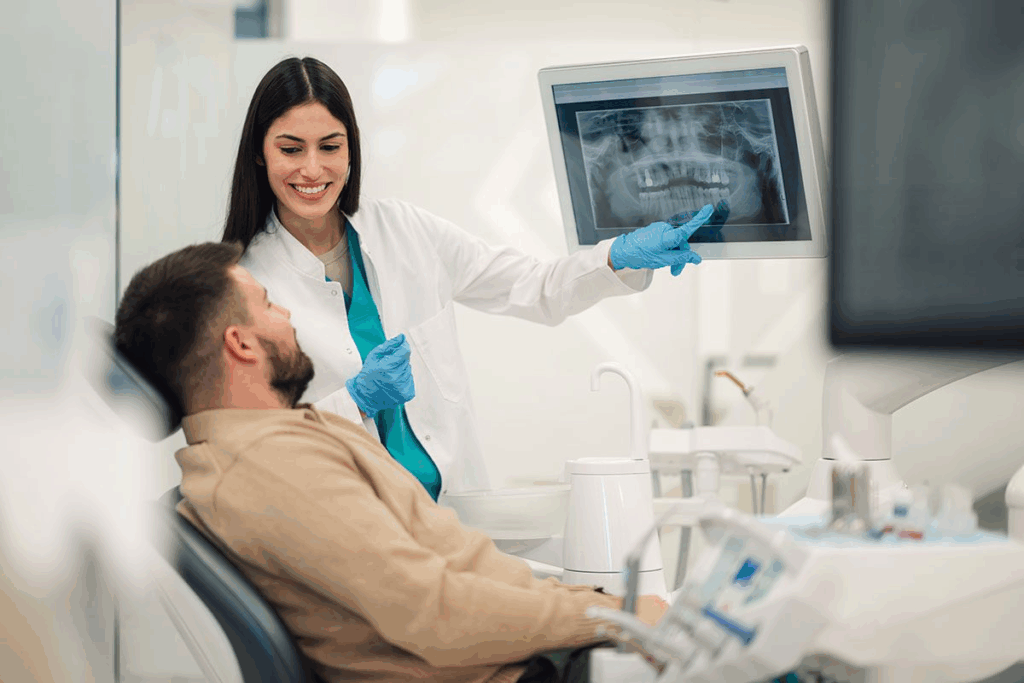
Do you feel jaw pain and swelling when you eat? These signs might mean you have a salivary gland duct blockage. This problem affects many people every year. It can make eating and daily activities hard parotid duct obstruction.
At Liv Hospital, we use the latest imaging and treatments to fix blocked parotid ducts. Our goal is to help you feel better and live better. We focus on our patients and aim for the best medical results.
It’s important to know why and how to treat a blocked parotid duct. We’ll look at ways to get your saliva flowing right again. This can help ease the pain and discomfort of a blocked gland.
Key Takeaways
- Understanding the causes and symptoms of parotid duct obstruction.
- Exploring effective treatment methods for salivary gland duct blockage.
- Restoring normal saliva flow to relieve discomfort.
- Minimally invasive techniques for treating blocked parotid gland.
- Importance of patient-centered care in treating salivary gland conditions.
Understanding the Parotid Gland System

The parotid gland system is key to our oral health. Knowing how it works is important for staying healthy. The parotid glands are the biggest salivary glands. They sit on each cheek, over the jaw, and in front of the ears.
Anatomy of the Parotid Gland and Duct
The parotid gland is made up of glandular tissue and a duct system. The parotid duct, or Stensen’s duct, is a key part. It carries saliva from the gland to the mouth. It opens near the second upper molar, letting saliva into the mouth.
The gland’s anatomy is complex, with a superficial and deep lobe. This helps us understand how it works and what can go wrong.
Normal Function and Saliva Production
The parotid gland’s main job is to make saliva. Saliva is vital for chewing and swallowing food. It also has enzymes that start breaking down food, mainly carbs.
Saliva is also key for keeping our mouths clean. It neutralizes acids, helps teeth stay strong, and removes bacteria and food bits. The parotid gland makes a lot of the saliva we have, mostly during meals.
Importance in Oral Health
The parotid gland’s role in making saliva is critical for our mouths. Enough saliva prevents dry mouth, tooth decay, and gum disease. It also has antibodies that fight off infections.
Understanding the parotid gland system shows us why good oral care is so important. Keeping the parotid glands healthy is essential for our mouths to stay well.
What is Parotid Duct Obstruction?

Parotid duct obstruction is a problem with the salivary gland. It makes it hard for the gland to work right. This can cause symptoms that affect daily life and overall health.
Definition and Prevalence
When the duct that carries saliva from the parotid gland to the mouth gets blocked, it’s called parotid duct obstruction. This blockage can happen for many reasons, like salivary stones, inflammation, or scarring.
About 1 in 10,000 to 20,000 people get obstructive salivary disorders each year. It’s not very common, but it can really affect people’s lives.
Impact on Quality of Life
The blockage in the parotid duct can cause pain, swelling, and discomfort, mostly during meals. These symptoms can make simple things like eating and drinking hard.
Some common effects of parotid duct obstruction on quality of life include:
- Difficulty eating or drinking due to pain or discomfort
- Swelling or tenderness in the area of the parotid gland
- Increased risk of infections or other complications
- Emotional distress due to persistent symptoms
In summary, parotid duct obstruction can really affect someone’s quality of life. Knowing what it is, how common it is, and its effects is key to finding the right treatment and managing symptoms.
Common Causes of Blocked Parotid Ducts
Knowing why parotid ducts get blocked is key to treating them right. Many things can block the parotid duct. Finding out what causes it is important for the right treatment.
Salivary Stones (Sialolithiasis)
Salivary stones are a big reason for blocked parotid ducts. These stones form from crystallized saliva and block the duct. Salivary stones cause about 66% of salivary gland blockages.
They can form from dehydration, less saliva, or certain health issues.
Inflammatory Conditions
Inflammation is another common cause of blocked parotid ducts. It causes swelling and narrows the duct, stopping saliva flow. Inflammation can come from infections, autoimmune diseases, or other reasons.
Prompt treatment of these conditions is key to avoid lasting damage to the gland and duct.
Fibrotic Stenosis
Fibrotic stenosis is scarring and narrowing of the duct. It can happen from long-term inflammation, surgery, or other causes of scarring. This condition can really affect your life, causing pain and discomfort, mainly during meals.
Less Common Causes
While salivary stones, inflammation, and fibrotic stenosis are main causes, there are others. These include tumors, cysts, and pressure on the duct from outside.
“Accurate diagnosis is key to understanding the underlying cause of parotid duct obstruction and guiding appropriate treatment.”
Other rare causes might be due to birth defects or injury to the gland or duct.
Recognizing Symptoms of a Blocked Parotid Duct
It’s important to know the signs of a blocked parotid duct. This issue can cause discomfort and serious problems if not treated quickly.
Pain and Swelling Patterns
Pain and swelling in the affected area are key signs. The swelling might be tender and red. The pain can be mild or very severe and lasts a long time.
Meal-Related Symptoms
Symptoms often get worse during meals because of more saliva. Patients might feel painful swelling or discomfort, mainly with sour or spicy foods. This can make eating hard and affect nutrition.
Distinguishing from Other Conditions
It’s vital to tell a blocked parotid duct from other issues like infections. A doctor’s thorough check is needed to find the cause.
Warning Signs Requiring Immediate Attention
Some symptoms need quick medical help, like severe pain, high fever, or trouble swallowing. These could mean an infection or serious problems that need fast treatment.
Spotting these symptoms early can help a lot. If you notice any, seeing a healthcare provider is key for the right diagnosis and care.
Diagnosis Techniques for Parotid Duct Obstruction
To diagnose parotid duct obstruction, we use physical exams, imaging, and lab tests. These methods help us find the cause and how bad it is. This is key to picking the right treatment.
Physical Examination Procedures
First, we do a physical exam to check for blockages. We feel the gland and duct for swelling, tenderness, or stones. We also look at symptoms like pain and changes in saliva.
Key aspects of the physical examination include:
- Inspecting the parotid gland and duct for visible signs of obstruction or inflammation
- Palpating the gland to detect any masses or tenderness
- Evaluating the patient’s saliva production and checking for any abnormalities
Medical experts say a detailed physical exam is vital for diagnosing and guiding further tests (
Journal of Oral and Maxillofacial Surgery
Imaging Methods
Imaging is key to confirming the diagnosis and finding the cause. We use ultrasound, CT scans, and MRI to see the gland and duct.
Ultrasound is often first because it’s non-invasive and can spot stones and gland issues. CT scans give detailed images, great for finding calcifications and seeing how bad the blockage is. MRI helps check soft tissues for inflammation or tumors.
Laboratory Tests
We use lab tests to support the diagnosis and find underlying issues. Tests check the patient’s health, like blood work for infection signs.
Laboratory tests may include:
- Complete blood count (CBC) to assess for infection or inflammation
- Salivary gland function tests to evaluate saliva production
- Microbiological tests to identify any underlying infections
By combining physical exams, imaging, and lab tests, we can accurately diagnose parotid duct obstruction. Then, we create a treatment plan that fits the patient’s needs.
Method 1: Home Remedies and Self-Care Approaches
Home remedies and self-care are often the first step against parotid duct obstruction. They can ease symptoms and might fix the blockage without a doctor’s help.
Warm Compresses and Massage Techniques
Using a warm compress on the affected area can boost saliva flow and lessen swelling. Here’s how to do it right:
- Soak a clean cloth in warm water, wring it out, and apply it to the affected gland for 5-10 minutes.
- Gently massage the area with your fingers in a circular motion to help dislodge any blockages.
- Repeat this process several times a day as needed.
Massage Techniques: Gently massaging the parotid gland area can help stimulate saliva production and encourage the natural flushing of the duct. This can be done by applying gentle pressure with your fingers in a circular motion over the gland.
Hydration and Salivary Stimulation
Staying well-hydrated is key for keeping saliva production up, which can prevent and ease parotid duct obstruction. Drinking lots of water throughout the day helps keep your saliva flowing.
Salivary Stimulation: In addition to staying hydrated, you can stimulate saliva production by chewing sugar-free gum or sucking on sugar-free candies.
Hydration Method | Benefits |
Drinking plenty of water | Maintains saliva production, helps flush out the duct |
Chewing sugar-free gum | Stimulates saliva flow, aids in clearing blockages |
Sucking on sugar-free candies | Encourages saliva production, helps relieve obstruction |
Sour Foods and Candies
Eating sour foods or candies can stimulate saliva production, which may help clear the blockage. Examples include:
- Lemons or lemon-flavored candies
- Sour candies or pickles
But, be careful not to overdo it, as too much acidity can harm your oral health.
When to Move Beyond Self-Care
While home remedies and self-care can be helpful, sometimes you need medical help. If you have:
- Persistent or severe pain
- Increasing swelling or infection signs
- Difficulty opening your mouth or swallowing
- Fever or chills
It’s important to see a doctor to figure out what’s causing your symptoms and get the right treatment.
Method 2: Medications and Anti-Inflammatory Treatments
When home remedies don’t work, medications and anti-inflammatory treatments can help. They can ease symptoms and tackle the root cause of the blockage.
Antibiotics for Infection-Related Blockages
Antibiotics are key when a blockage is due to an infection. They target the bacteria, helping to clear the blockage and ease symptoms.
Commonly prescribed antibiotics include amoxicillin and ciprofloxacin. The right antibiotic depends on the bacteria and the patient’s health history.
Anti-Inflammatory Medications
Anti-inflammatory drugs like ibuprofen can reduce swelling and pain. They’re great for managing symptoms in the early stages.
Sialagogues for Saliva Production
Sialagogues stimulate saliva, helping to clear the duct. Sour candies, citrus fruits, and pilocarpine are common sialagogues.
Sialagogue | Effectiveness | Side Effects |
Sour candies | Moderate | Dental erosion |
Citrus fruits | High | None significant |
Pilocarpine | High | Sweating, headache |
Effectiveness and Limitations
Medications and anti-inflammatory treatments can help with blockages. But, their success depends on the cause. Sometimes, they’re not enough and need other treatments like sialendoscopy or surgery.
Always talk to a healthcare professional to find the best treatment for you.
Method 3: Sialendoscopy and Minimally Invasive Procedures
Sialendoscopy is a minimally invasive method for treating parotid duct obstruction. It not only diagnoses but also treats the issue. This approach helps relieve symptoms like pain and swelling.
What is Sialendoscopy?
Sialendoscopy uses a thin, flexible tube with a camera and light. It lets us see inside the salivary duct. We can spot blockages and treat them directly.
Stone Removal Techniques
Sialendoscopy is great for removing salivary stones. We use special tools through the sialendoscope to remove stones. Sometimes, we break big stones into smaller pieces first.
Key benefits of sialendoscopic stone removal include:
- Minimally invasive, reducing recovery time
- High success rate in clearing blockages
- Preservation of the salivary gland function
Dilation of Strictures
Sialendoscopy also treats narrowings in the salivary duct. We use the sialendoscope to see the stricture and then dilate it. This improves saliva flow and reduces symptoms.
Recovery and Success Rates
Recovery from sialendoscopy is quick, with little discomfort. The success rate is high, with many patients seeing symptom relief. We’ll talk about your recovery and outcomes during your consultation.
Our advanced technology and expertise make sialendoscopy a top choice for parotid duct obstruction.
Method 4: Extracorporeal Shock Wave Lithotripsy
ESWL, or Extracorporeal Shock Wave Lithotripsy, is a modern method to break down salivary stones. It uses shock waves to make stones smaller, helping them leave the body. This treatment is non-invasive and helps those with salivary stones in the parotid duct.
How ESWL Works for Salivary Stones
ESWL uses a device to create shock waves. These waves are aimed at the stone, breaking it into smaller pieces. It’s done without anesthesia and on an outpatient basis.
This method is effective because it targets the stone without harming nearby tissue. The shock waves are set to break the stone, helping it move through the duct naturally.
Ideal Candidates for ESWL
ESWL is best for those with big or many salivary stones. It’s good for people who:
- Have stones too big to pass on their own
- Keep getting stones
- Can’t have surgery
Advantages and Limitations
ESWL is non-invasive, which means less risk and faster recovery. But, it’s not for everyone, like those with certain health issues or pacemakers.
Also, how well ESWL works depends on the stone’s size and where it is. Sometimes, you might need more than one treatment.
Combining with Other Treatments
ESWL can be paired with other treatments to work better. For example, sialendoscopy might be done after ESWL to clear out any leftover stone pieces.
By mixing ESWL with other treatments, doctors can give a full plan to tackle parotid duct blockages. This plan is made just for each patient’s needs.
Method 5: Surgical Interventions for Severe Cases
Surgical treatments are used when other methods don’t work for parotid duct blockage. For severe or ongoing blockages, surgery can fix the problem. It helps restore normal saliva flow and relieves symptoms.
When Surgery Becomes Necessary
Surgery is often needed when other treatments don’t work. This is true for big salivary stones or duct narrowing. We look at each case carefully. We consider symptoms, the cause, and the patient’s health.
Types of Surgical Procedures
There are different surgeries for parotid duct blockage, based on the cause and severity. These include:
- Removal of the affected gland or duct: This is needed for some conditions that can’t be treated another way.
- Ductal dilation or reconstruction: This helps if the duct is too narrow. It aims to improve saliva flow.
- Stone removal: This is for big salivary stones that can’t be removed by other means.
Risks and Complications
Surgical treatments for parotid duct blockage have risks and possible complications. These include:
Risks/Complications | Description |
Scarring | Visible scarring at the surgical site |
Numbness | Temporary or permanent numbness in the area |
Facial Weakness | Temporary weakness of facial muscles |
Infection | Risk of infection at the surgical site |
Recovery Timeline and Expectations
The recovery time after surgery for parotid duct blockage varies. Patients usually have swelling and discomfort first. This can be managed with pain meds and other care. Most can go back to normal activities in a few weeks. But, full recovery might take longer.
We give detailed instructions and follow-up care. This helps ensure a smooth recovery and the best results.
Conclusion
Knowing the treatment options for parotid duct obstruction is key for those seeking care. We’ve looked at many methods, from home remedies to surgery. Each one has its own role in managing this issue.
By understanding the causes and symptoms, people can start fixing their saliva flow problems. The treatments we’ve talked about offer a full plan for dealing with parotid duct obstruction. This helps people make smart choices about their health.
Managing parotid duct obstruction well means knowing all the treatment choices. We hope this info helps people get the medical help they need. And we hope they get the best results possible.
FAQ
What does a clogged salivary gland feel like?
A clogged salivary gland can cause pain and swelling. It also makes eating and swallowing hard.
What are the symptoms of a blocked parotid gland?
A blocked parotid gland can cause cheek pain and swelling. It also makes swallowing hard after eating.
How is a blocked salivary duct diagnosed?
To diagnose a blocked salivary duct, doctors do a physical exam. They might use ultrasound or CT scans. They also do lab tests to check for other conditions.
What causes a blocked salivary duct?
Blocked salivary ducts can be caused by stones, inflammation, or fibrotic stenosis.
How can I unblock my parotid gland?
To unblock a parotid gland, try warm compresses and drink lots of water. You can also take medications or have sialendoscopy. Sometimes, surgery is needed.
What is sialendoscopy?
Sialendoscopy is a small procedure. It uses a tiny endoscope to see and remove blockages or stones in the salivary duct.
Can a blocked salivary duct be treated without surgery?
Yes, many blocked salivary ducts can be treated without surgery. Sialendoscopy, medications, and home remedies can help.
What is extracorporeal shock wave lithotripsy (ESWL)?
ESWL is a non-invasive treatment. It uses shock waves to break up stones in the salivary gland, making them easier to pass.
When is surgery necessary for a blocked parotid gland?
Surgery is needed for severe cases of blocked parotid glands. This includes large stones or damage to the gland or duct.
How can I prevent blocked salivary ducts?
To prevent blocked salivary ducts, keep your mouth clean and stay hydrated. Avoid habits that can cause dehydration or reduce saliva.
References
National Center for Biotechnology Information. Evidence-Based Medical Guidance. Retrieved from https://pmc.ncbi.nlm.nih.gov/articles/PMC5463521/