

The large intestine is key in the human digestive system. It deals with food that can’t be digested. It absorbs water and salts, making and storing waste.
Knowing how the large intestine works is important. Liv Hospital is here to help. They offer top-notch care and focus on the patient.
Key Takeaways
- The large intestine plays a vital role in absorbing water and electrolytes.
- It is divided into four main sections: ascending colon, transverse colon, descending colon, and sigmoid colon.
- Understanding the large intestine’s anatomy and function is vital.
- Liv Hospital provides expert guidance on the human digestive system.
- The large intestine is about 1.5 meters long.
The Large Intestine: An Essential Component of Digestion
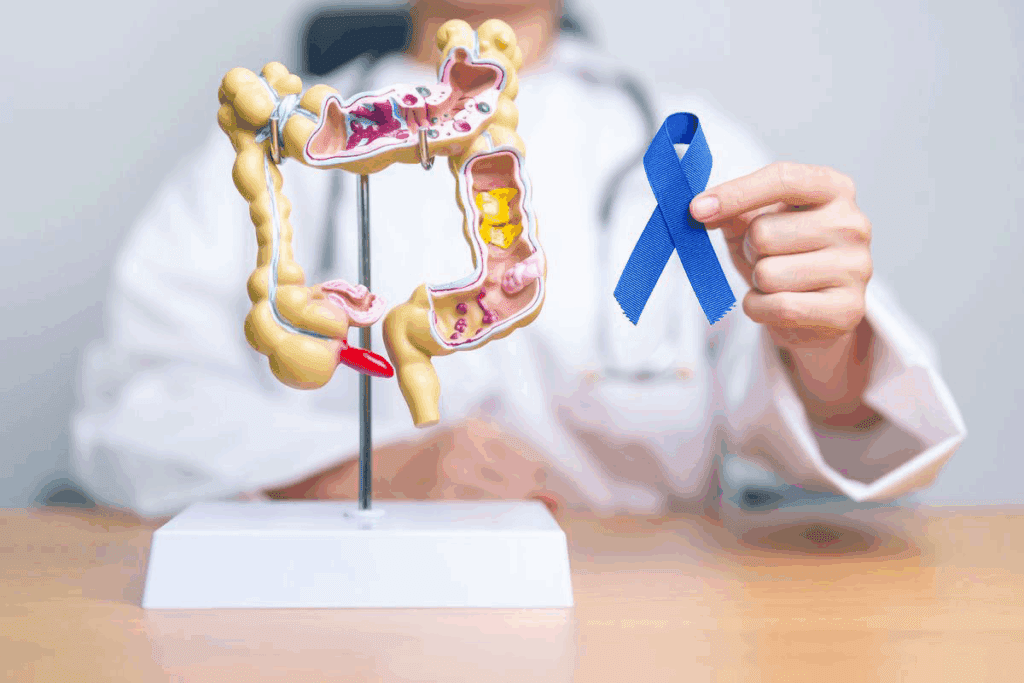
Understanding the large intestine is key to knowing how our body handles waste and stays healthy. The large intestine, or colon, is a vital part of our digestive system.
Definition and Importance in the Digestive System
The large intestine stretches from the end of the small intestine to the anus. It’s important for absorbing water and electrolytes. It also stores feces and houses a big part of our microbiome.
The large intestine’s role is huge. It helps keep our body hydrated and balanced with electrolytes. It also stores and breaks down feces, which is key for getting rid of waste.
“The large intestine is a complex organ that performs a variety of functions essential for maintaining health and homeostasis.” –
A renowned gastroenterologist
Size, Length, and General Structure
The large intestine is about 1.5 meters long, shorter than the small intestine but wider. It has parts like the cecum, colon, rectum, and anus.
- The cecum is the pouch-like start of the large intestine.
- The colon has four parts: ascending, transverse, descending, and sigmoid.
- The rectum holds feces until it’s time to go.
- The anus is where feces leave the body.
Comparison with the Small Intestine
The large intestine is different from the small intestine in many ways. The small intestine is longer and narrower, mainly for absorbing nutrients. The large intestine is wider and shorter, focusing on absorbing water, storing, and breaking down feces.
| Characteristics | Large Intestine | Small Intestine |
| Length | Approximately 1.5 meters | Approximately 6.5 meters |
| Diameter | Larger | Smaller |
| Primary Functions | Water absorption, feces storage, fermentation | Nutrient absorption |
Anatomical Structure of the Large Intestine

Understanding the large intestine’s anatomy is key to knowing its role. The large intestine, or colon, is a vital part of our digestive system. Its complex structure helps it perform its functions well.
The Four Layers of the Intestinal Wall
The large intestine’s wall has four layers: mucosa, submucosa, muscularis, and serosa. Each layer has a special role in keeping the digestive system healthy.
- Mucosa: The innermost layer, touching the contents inside. It has crypts of Lieberkühn and many goblet cells for mucus.
- Submucosa: Below the mucosa, it has blood vessels, lymphatic vessels, and nerves. It supports the mucosa and helps with nutrient and waste exchange.
- Muscularis: This layer has smooth muscle cells in two layers. It helps move the large intestine.
- Serosa: The outermost layer, it’s a part of the peritoneum. It reduces friction with other organs.
| Layer | Description | Function |
| Mucosa | Innermost layer with crypts of Lieberkühn and goblet cells | Produces mucus, absorbs water and electrolytes |
| Submucosa | Contains blood vessels, lymphatic vessels, and nerves | Supports mucosa, facilitates exchange of nutrients and waste |
| Muscularis | Smooth muscle cells in inner circular and outer longitudinal layers | Responsible for motility |
| Serosa | Outermost layer, continuation of the peritoneum | Reduces friction between the large intestine and other organs |
Blood Supply and Innervation
The large intestine gets its blood from the superior and inferior mesenteric arteries. The superior mesenteric artery feeds the right side, including the cecum and ascending colon. The inferior mesenteric artery supplies the left side, like the sigmoid colon.
The enteric nervous system controls the large intestine’s movement and secretions. It works on its own but also gets signals from the autonomic nervous system.
Lymphatic System Connection
The lymphatic system is key for the large intestine’s immune function. Lymphatic vessels drain into lymph nodes along the mesenteric arteries. Then, the lymph goes into the bloodstream.
The lymphatic system is vital for the large intestine’s immune defense. It helps keep the gut healthy and fights off pathogens.
Primary Functions of the Large Intestine
The large intestine is key to our digestive system. It absorbs water and electrolytes, forms feces, and houses beneficial bacteria. These bacteria help our immune system and make vitamins.
Water and Electrolyte Absorption
The large intestine absorbs water and electrolytes. This process makes waste more solid and keeps our body’s fluids balanced. It takes in about 90% of the water and essential salts like sodium and potassium.
Its lining, full of blood vessels, helps in this process. This lining has a big surface area for efficient absorption.
Formation, Compaction, and Storage of Feces
The large intestine also forms, compacts, and stores feces. As water is absorbed, the waste becomes solid. It moves towards the rectum through peristalsis.
The feces stay in the rectum until we choose to pass them. This allows for controlled bowel movements.
Bacterial Fermentation and Vitamin Synthesis
The large intestine has many bacteria, or gut microbiota. These bacteria ferment carbs and make vitamins like K and biotin.
They help our health by boosting our immune system and providing nutrients. A healthy balance of gut bacteria is vital.
Immune Function and Barrier Protection
The large intestine is also important for our immune system and protecting us from harm. Its lining keeps out pathogens and toxins. Immune cells in the lining fight off infections.
The gut-associated lymphoid tissue (GALT) in the large intestine is key for immune responses and making antibodies. This teamwork between the lining, immune cells, and bacteria keeps our gut healthy.
The Four Main Parts of the Large Intestine
The large intestine is made up of four main parts. These parts work together to help digest food. They absorb water, electrolytes, and help move waste.
Overview of Colon Anatomy
The large intestine has four main parts: the ascending, transverse, descending, and sigmoid colon. Each part has its own role in the digestive system.
Developmental Origins
The large intestine forms from the midgut and hindgut in the womb. The ascending and transverse colon come from the midgut. The descending and sigmoid colon come from the hindgut. This early development shapes their adult roles.
Functional Specialization of Each Section
Each part of the large intestine has a special job. The ascending colon absorbs water and electrolytes. The transverse colon stores waste and absorbs more water and electrolytes. The descending colon and sigmoid colon push waste towards the rectum.
Anatomical Relationships to Surrounding Organs
The large intestine is close to many organs. The ascending colon is near the right kidney and liver. The transverse colon is close to the stomach and pancreas. The descending colon is near the left kidney, and the sigmoid colon is in the pelvis, near the bladder and reproductive organs.
The Cecum: Gateway to the Large Intestine
The cecum is a pouch-like part of our body. It’s where the small intestine sends its contents to the large intestine. It’s key in moving digestive content from the small to the large intestine.
Structure and Location
The cecum sits in the lower right abdomen. It’s the start of the large intestine. It’s a sac that gets ileal contents through the ileocecal valve. This valve stops contents from flowing back into the small intestine.
The Ileocecal Valve
The ileocecal valve is very important. It keeps the small intestine separate from the large intestine. It lets contents from the ileum go into the cecum but stops them from coming back.
The Appendix and Its Function
The appendix is a small, finger-like pouch attached to the cecum. It’s thought to help with the immune system. It might act as a home for good bacteria.
Role in Digestion
The cecum’s main job is to receive ileal contents. It also helps absorb nutrients and salts.
| Structure | Function |
| Cecum | Receives ileal contents, involved in absorption |
| Ileocecal Valve | Prevents backflow into the small intestine |
| Appendix | Potential role in immune function |
The Ascending Colon: First Section of the Colon
The ascending colon is the first part of the colon. It goes up from the cecum to the right colic flexure. It is located behind the peritoneum, a membrane that lines the abdominal cavity.
Anatomical Features and Position
The ascending colon is in the right lower quadrant of the abdomen. It goes up towards the liver. It is approximately 5-10 cm in length and is fixed to the posterior abdominal wall.
Relationship to Surrounding Structures
The ascending colon is near many important structures. In front, it’s near the greater omentum and the small intestine. Behind, it touches the right kidney and the quadratus lumborum muscle. Knowing these relationships is key for surgeries and tests.
Specific Functions and Absorption Properties
The main job of the ascending colon is to absorb water and electrolytes. This helps keep the body’s fluid balance and electrolyte levels steady. The mucosa of the ascending colon has colonocytes that help with this process.
The Right Colic (Hepatic) Flexure
The ascending colon ends at the right colic flexure, also known as the hepatic flexure. This is where it turns into the transverse colon. It’s near the liver and is a key landmark in the colon.
The right colic flexure is important. It marks the transition from the ascending to the transverse colon, both in anatomy and function.
The Transverse Colon: The Longest Segment
The transverse colon is key for the large bowel’s function. It stretches from the right to the left colic flexure. This makes it a vital part of our digestive system.
Anatomical Features and Mobility
The transverse colon is found inside the abdominal cavity. It has a mesentery, which lets it move freely. This movement is important for handling different amounts of content.
Key Anatomical Features:
- Intraperitoneal structure
- Presence of a mesentery
- Significant mobility
The Hepatic and Splenic Flexures
The transverse colon has two key points: the hepatic and splenic flexures. The hepatic flexure is near the liver, and the splenic flexure is near the spleen. These points are important for understanding the colon’s anatomy.
Relationship to the Stomach and Pancreas
The transverse colon is close to the stomach and pancreas. Its position is important for its role in digestion and possible health issues.
| Organ | Relation to Transverse Colon |
| Stomach | Anteriorly related |
| Pancreas | Posteriorly related |
Specific Functions and Absorption Properties
The transverse colon is important for absorbing water and electrolytes. It also has a unique microbiome. This microbiome helps with digestion and vitamin production.
The diverse microbiome in the transverse colon is essential for overall gut health.
The Descending and Sigmoid Colon: Final Processing
The large intestine’s last parts, the descending and sigmoid colon, are key for making and moving feces. They store and push waste towards the rectum for a final release.
Descending Colon: Structure and Function
The descending colon is located behind the stomach and goes down to the sigmoid colon. It stores and moves feces towards the sigmoid colon. Its narrow shape helps pack feces tightly.
The descending colon’s role is vital for making feces right. It absorbs water and salts, making feces more solid. This is important for healthy bowel movements.
Sigmoid Colon: The S-shaped Final Section
The sigmoid colon is shaped like an S and connects the descending colon to the rectum. It has a flexible part called the sigmoid mesocolon. This flexibility is key for its job.
The sigmoid colon’s shape and flexibility help store and push feces into the rectum. Its work is linked to the whole gut’s movement. Problems here can cause big symptoms.
As a medical expert noted,
“The sigmoid colon’s role in fecal storage and its connection to the rectum underscore its importance in the final stages of waste elimination.”
The sigmoid colon’s S shape makes it a fecal reservoir. It holds feces until they’re ready to go. This is essential for regular bowel movements and avoiding fecal incontinence.
The Microbiome of the Large Intestine
The large intestine’s microbiome is a complex ecosystem that greatly benefits our health. It’s filled with microorganisms that help with digestion and boost our immune system.
Composition of Gut Bacteria
The large intestine hosts a variety of bacteria. These include species from Firmicutes, Bacteroidetes, and Actinobacteria phyla. They live in harmony, which is key to staying healthy.
| Phylum | Common Genera | Role in the Gut |
| Firmicutes | Clostridium, Bacillus | Carbohydrate metabolism, production of short-chain fatty acids |
| Bacteroidetes | Bacteroides | Polysaccharide degradation, immune system modulation |
| Actinobacteria | Bifidobacterium | Immune system support, vitamin production |
Role in Digestion and Immune Function
The gut microbiome is vital for digestion. It breaks down complex carbs and makes vitamins. It also helps our immune system work right.
Key functions include:
- Metabolizing undigested carbohydrates
- Producing short-chain fatty acids, which provide energy to colonocytes
- Modulating the immune response through interaction with immune cells
Impact on Overall Health
The balance of our gut microbiome affects our health a lot. It impacts digestion, immune function, and even our mental health. An imbalance can lead to issues like IBS, obesity, and mental health problems.
Factors Affecting Microbiome Balance
Many things can change our gut microbiome balance. Diet, lifestyle, and environment play big roles. Eating fiber, avoiding antibiotics, and managing stress can help keep our gut bacteria in check.
Strategies for maintaining microbiome balance:
- Eating a diverse diet that includes fiber-rich foods
- Avoiding unnecessary antibiotics
- Managing stress through relaxation techniques
Conclusion: The Integrated Function of the Large Intestine
The large intestine is a key organ that keeps us healthy. It has different parts like the cecum and the sigmoid colon. These parts work together to help the large intestine function well.
This teamwork helps the large intestine absorb water and electrolytes. It also stores feces and helps our immune system. Knowing how the large intestine works is important for our health.
Having a healthy large intestine helps avoid digestive problems. It also keeps our gut microbiome balanced. By understanding the large intestine’s role, we can take care of it better.
FAQ
What is the large intestine?
The large intestine, also known as the colon, is a key part of our digestive system. It absorbs water and electrolytes, stores feces, and helps our immune system.
What are the four main sections of the large intestine?
The large intestine has four main parts: the ascending, transverse, descending, and sigmoid colon. Each part has its own role and develops differently.
What is the function of the cecum in the large intestine?
The cecum is at the start of the large intestine. It receives contents from the small intestine and helps with digestion.
How does the large intestine absorb water and electrolytes?
The large intestine absorbs water and electrolytes through its mucosa. This process is helped by certain ions and solutes.
What is the role of the microbiome in the large intestine?
The microbiome in the large intestine is a complex ecosystem. It’s vital for our health, affecting digestion, immune function, and overall well-being.
What is the definition of the large intestine in biology?
In biology, the large intestine is the part of our digestive system from the cecum to the anus. It absorbs water and electrolytes, stores feces, and regulates our immune system.
How does the large intestine differ from the small intestine?
The large intestine is larger and has unique features like omental appendices and haustra. It absorbs water and electrolytes and stores feces, unlike the small intestine.
What are the layers of the large intestine?
The large intestine has four layers: mucosa, submucosa, muscularis, and serosa. Each layer has specific functions and structures that help it work.
What is the significance of the appendix in the large intestine?
The appendix is attached to the cecum and aids in immune function. Researchers are debating its exact role.
How do the different sections of the large intestine work together?
The sections of the large intestine work together to absorb water and electrolytes, store feces, and regulate the immune system. Each section has its own role and develops differently.
References
National Library of Medicine. (2022). Anatomy, abdomen, large intestine. In StatPearls. https://www.ncbi.nlm.nih.gov/books/NBK537147/



 Departments
 Related Videos
 Our Doctors
 News
News