Becoming a pediatric oncologist is a big commitment. It takes a lot of dedication and specialized training. After finishing pediatrics residency, you need more fellowship training. This makes people wonder if it’s a competitive field.

General pediatrics is pretty accessible, with a ratio of 1.05:1 applicants to positions, according to NRMP data. But, pediatric oncology is different. Its competitiveness comes from the need for specialized care and the number of fellowship spots.
Working with kids who have serious illnesses is emotionally tough. This adds to the field’s competitiveness.
Key Takeaways
- The path to becoming a pediatric oncologist involves extensive training beyond general pediatrics.
- The competitiveness of pediatric oncology is shaped by the demand for specialized care.
- Fellowship position availability affects the competitiveness of the specialty.
- Emotional demands of the job are a significant factor.
- Pediatric oncology requires a unique blend of medical expertise and compassionate care.
What Makes Pediatric Oncology a Unique Medical Field
Pediatric oncology is a special branch of medicine. It uses a team effort to find and treat cancers in kids. Doctors in this field, called pediatric oncologists, know a lot about cancers in children. They are different from adult cancers.

Definition and Core Focus Areas
Pediatric oncology is all about studying, diagnosing, and treating cancers in kids. It focuses on the genetic and molecular reasons behind these cancers. Pediatric oncologists also work with other doctors and nurses to give kids the best care.
The Distinctive Nature of Childhood Cancers
Childhood cancers are different from adult cancers. They have their own biology and genetics. Pediatric oncologists need to know these differences to create the right treatment plans. Common childhood cancers include leukemia, brain tumors, and lymphomas.
Multidisciplinary Approach to Treatment
Treating childhood cancers requires a team of doctors. This team includes surgeons, chemotherapists, and more. Multidisciplinary care is key to managing the complex needs of kids with cancer. It helps improve survival rates and quality of life.
The Educational Journey to Becoming a Pediatric Oncologist
Becoming a pediatric oncologist is a long and challenging journey. It involves many stages of education and training. This path is key to preparing specialists to care for children with cancer.
Undergraduate and Medical School Requirements
The first step is a strong undergraduate degree in sciences like biology or chemistry. Then, aspiring pediatric oncologists must earn a Doctor of Medicine (M.D.) or Doctor of Osteopathic Medicine (D.O.) degree. This takes four years.
During medical school, students learn a lot about medicine. They also get hands-on experience through clinical rotations in different specialties.
Key aspects of medical school include:
- Classroom instruction in basic sciences and clinical medicine
- Clinical rotations in pediatrics and other relevant specialties
- Participation in research projects or electives related to oncology
Pediatric Residency Training (3 Years)
After medical school, a three-year pediatric residency program is next. Residents work under experienced pediatricians. They learn to diagnose and treat childhood illnesses, including cancer.
The pediatric residency is critical for developing:
- Clinical judgment and decision-making skills
- Effective communication with patients and families
- Proficiency in performing pediatric procedures
Pediatric Hematology-Oncology Fellowship (3 Years)
After pediatric residency, a three-year fellowship in pediatric hematology-oncology follows. This program focuses on treating children with cancer and blood disorders. Fellows learn about treatments like chemotherapy and radiation therapy.
Fellowship training encompasses:
- Advanced clinical training in pediatric hematology and oncology
- Participation in multidisciplinary team meetings and tumor boards
- Involvement in research projects and clinical trials
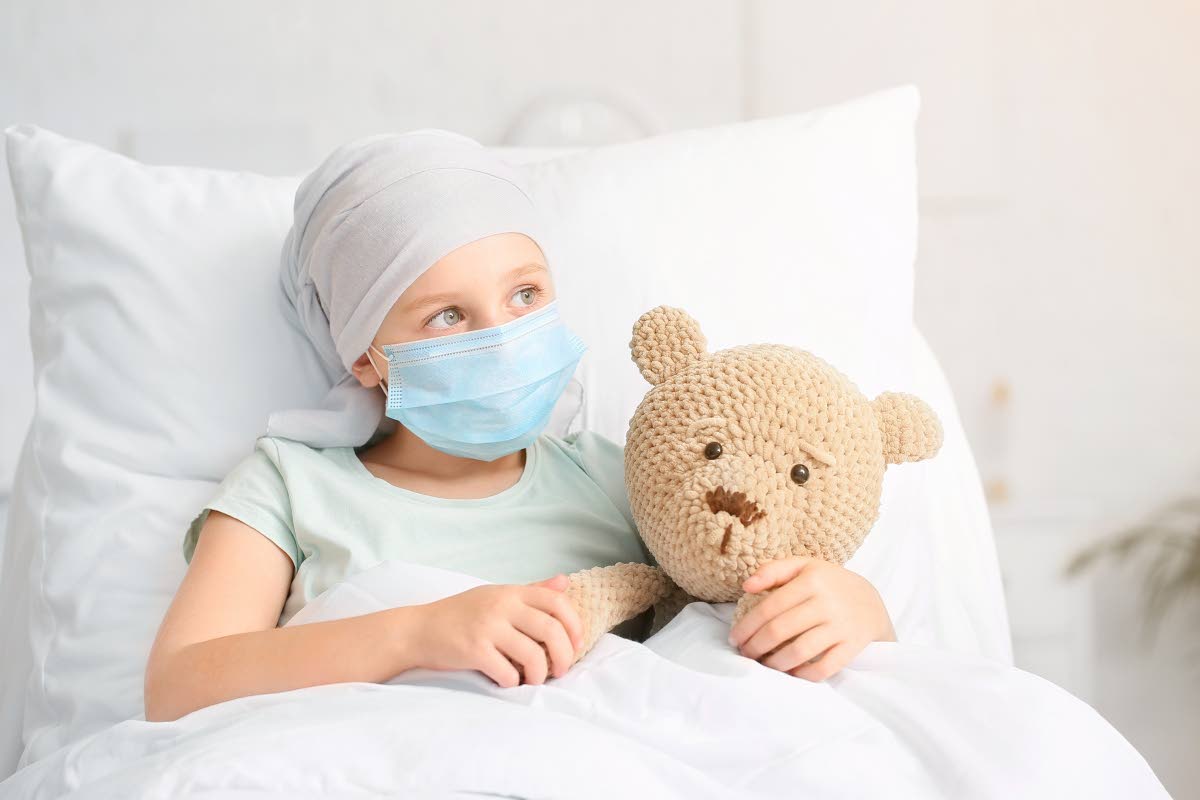
In conclusion, becoming a pediatric oncologist takes over a decade of education and training. The journey includes undergraduate studies, medical school, pediatric residency, and a fellowship in pediatric hematology-oncology. Each step is vital for the expertise and compassion needed to care for children with cancer.
Analyzing the Competitiveness of Pediatric Residency Programs
To understand how competitive pediatric residency programs are, we need to look at the National Resident Matching Program (NRMP) match statistics. These data give us insights into the competition for spots in pediatric residencies.
NRMP Match Statistics and Trends
The NRMP match statistics show us how competitive pediatric residency programs are. Pediatrics had 3,153 applicants and 3,016 spots, leading to an applicant-to-position ratio of 1.05:1. This ratio shows that pediatrics is more accessible than many other primary specialties.
The match rate for pediatrics is high, with most applicants getting a spot. This means while there’s some competition, it’s not as fierce as in other medical fields.
The 1.05:1 Applicant-to-Position Ratio Explained
The 1.05:1 applicant-to-position ratio for pediatrics shows a balanced market. This means for every 100 spots, there are 105 applicants. While there’s some competition, it’s not as high as in other specialties.
For those aiming to be pediatric oncologists, this ratio is good news. It shows that getting into a pediatric residency is possible with a strong application and the right experience.
Comparing Pediatrics to Other Primary Specialties
When we compare pediatrics to other primary specialties, the competition levels vary. For example, dermatology and orthopedic surgery have much higher ratios, showing more intense competition.
On the other hand, pediatrics is more accessible. This is due to the number of available spots and the demand for pediatric care.
In conclusion, while there’s some competition for pediatric residency spots, the field is more accessible than many other primary specialties. Aspiring pediatric oncologists can use this information to make better career choices and prepare more effectively.
Competitiveness Factors in Pediatric Oncology Fellowships
Pediatric oncology fellowships are very competitive. To become a pediatric oncologist, you need to work hard in school and in clinical settings. You also need to be dedicated to research and caring for patients.
Fellowship Position Availability Nationwide
There are only a few pediatric oncology fellowship spots available each year. About 50 to 60 positions open up in the U.S. This scarcity makes the competition fierce.
Profile of Successful Fellowship Applicants
Those who get into these fellowships are well-rounded. They have strong clinical skills and a passion for research. They also have a good track record of publications and clinical trial participation.
- Excellent academic records and clinical skills
- A demonstrated commitment to research, with a strong publication record
- Participation in clinical trials and research projects related to pediatric oncology
- Strong letters of recommendation from renowned professionals in the field
These qualities make them stand out. They’re ready for the challenges of a pediatric oncology career.
Critical Importance of Research Experience
Research is key to getting into pediatric oncology fellowships. Those with a solid research background are highly valued. They show they can make a difference in the field.
Research is not just a requirement but a cornerstone of advancing pediatric oncology. It helps us improve treatments and understand childhood cancers better.
The Emotional and Psychological Landscape of Pediatric Oncology
Pediatric oncologists face a tough emotional landscape. They care for children with life-threatening illnesses. This job needs advanced medical skills and a strong emotional base to support patients, families, and themselves.
Working with Children Facing Life-Threatening Illness
Working with kids who have cancer is emotionally hard. Pediatric oncologists must balance hope with the reality of treatment failure. They need emotional resilience and strong connections with patients and families.
This job can be very emotionally demanding. Oncologists often form close bonds with their patients. They feel loss and grief when treatments fail. It’s key to have resilience strategies to stay well and care for patients.
Family Support and Communication Challenges
Good communication with families is vital in pediatric oncology. Oncologists must share complex medical info in a kind and clear way. This is stressful for families. It needs excellent interpersonal skills.
Supporting families through tough times is a big challenge. Pediatric oncologists need to be emotionally smart and empathetic. They must handle family dynamics well while keeping professional boundaries.
Physician Burnout and Resilience Strategies
The high-stakes world of pediatric oncology can lead to physician burnout. This includes feeling emotionally drained, detached, and less accomplished. It’s important to recognize burnout and use resilience strategies to stay well.
Building resilience means having a good work-life balance. It’s also about getting support from colleagues and mentors. Self-care and professional growth are key. By focusing on their well-being, pediatric oncologists can keep caring for their patients with compassion and skill.
Current State of Pediatric Oncology in the United States
To understand pediatric oncology in the U.S., we must look at specialist numbers, top treatment centers, and care access. The country has made big steps in treating pediatric cancer, but there are ongoing challenges.
Geographic Distribution of Specialists
The number of pediatric oncologists varies across the U.S. Urban areas have more specialists, while rural areas have fewer. This gap can cause delays in diagnosis and treatment for kids in rural areas.
States like New York and California have more pediatric oncologists per person than less populated states. This shows we need new ways to make sure all kids can get the care they need.
Healthcare Access Disparities in Pediatric Cancer Care
Even with better treatments, getting care is hard for some kids. Socioeconomic factors, insurance, and where you live affect the care a child gets. Kids from poor communities often struggle to get the care they need.
- Lack of insurance or underinsurance
- Distance from treatment centers
- Cultural barriers to healthcare access
We need to tackle these issues with many solutions. This includes changing laws, reaching out to communities, and finding new ways to deliver care. Together, we can make sure all kids get the best care for their cancer.
Market Growth and Global Demand for Pediatric Cancer Care
Looking ahead to 2030, the need for pediatric cancer care is set to soar. This growth is fueled by several factors. The pediatric oncology market is changing fast, thanks to new treatments and more global teamwork.
Projected Market Growth Through 2030
The demand for pediatric cancer care is expected to skyrocket by 2030. This increase is due to more kids getting cancer and the need for better treatments. Market studies show the pediatric oncology market will grow at over 8% annually from 2023 to 2030.
Key drivers of this growth include:
- More money going into healthcare
- More people learning about childhood cancers
- New discoveries in cancer research
Factors Driving Increased Demand
Several things are making more kids need cancer care. Advances in immunotherapies and precision diagnostics are changing how we treat cancer. Also, more kids getting cancer means we need more specialized care and doctors.
The main reasons for this increased demand are:
- More Kids Getting Cancer: The number of kids with cancer is going up.
- New Treatment Options: Better treatments like targeted therapies are helping more kids survive.
- Better Ways to Diagnose: New diagnostic tools help catch cancer early, making more kids need care.
International Collaborative Initiatives
Global teamwork is key to bettering pediatric cancer care worldwide. Efforts like the Global Initiative for Childhood Cancer aim to boost survival rates and quality of life for kids with cancer. These partnerships help share knowledge, resources, and best practices, leading to better care.
Some important global partnerships include:
- Research partnerships between top cancer centers
- Global health projects focused on childhood cancer
- International conferences and workshops on pediatric oncology
Technological Advancements in Pediatric Oncology
New technologies are changing pediatric oncology, giving hope to young patients. These advancements improve diagnosis, treatment, and outcomes for childhood cancers.
Breakthrough Immunotherapies
Immunotherapy is a new hope for treating childhood cancers. CAR-T cell therapy is showing great promise in treating certain cancers. It has high success rates in kids with cancers that don’t respond to other treatments.
A study showed CAR-T cell therapy works well in kids with ALL. It led to complete remission in over 90% of patients (Source). This breakthrough could change how we treat childhood cancers.
Precision Diagnostics and Genetic Profiling
Precision diagnostics and genetic profiling are key in pediatric oncology. They help doctors find the exact cause of a child’s cancer. This leads to more effective treatments.
Next-generation sequencing (NGS) is a key tool for this. It quickly analyzes a tumor’s genetics. This helps doctors create personalized treatment plans.
- Improved diagnostic accuracy
- Personalized treatment plans
- Enhanced patient stratification for clinical trials
These technologies also help monitor treatment success and catch relapse early. This approach can greatly improve patient outcomes.
Emerging Treatment Modalities and Clinical Trials
New treatments like gene editing and targeted therapies are being tested. These include CRISPR/Cas9 and therapies that target cancer cells. They aim to reduce harm to healthy cells.
- Gene editing technologies
- Targeted therapies
- Novel immunotherapeutic approaches
As research advances, the future of pediatric oncology looks bright. We may see more effective, less harmful treatments. This could greatly improve survival rates and quality of life for kids with cancer.
Career Outlook and Compensation for Pediatric Oncologists
Looking into the career of pediatric oncologists shows us the importance of understanding their financial and professional rewards. This field requires a deep commitment to patient care. It also offers financial benefits that make the challenges worth it.
Salary Ranges Across Practice Settings
Pediatric oncologists earn different salaries based on where they work. Academic institutions, hospital-based practices, and private practices pay differently. In the U.S., they can make between $300,000 and over $500,000 a year, with an average of $400,000.
Salary differences come from location, experience, and employer. For example, those in big cancer centers or private practice might earn more. Those in academia or research might earn less.
Academic vs. Hospital-Based vs. Private Practice
The type of practice setting greatly affects a pediatric oncologist’s career and pay. Academic positions offer a chance to teach and do research but pay less. Hospital-based practices provide a steady income and a big team. Private practices can pay more but require running a business.
Each setting has its pros and cons. The choice depends on what the oncologist values most in their career.
Factors Affecting Compensation Growth
Several things affect how much pediatric oncologists get paid. These include new treatments, more patients needing care, and changes in healthcare policies. As the field grows, so might the demand for these doctors and their pay.
- More patients needing care
- New medical technologies and treatments
- Changes in how healthcare is paid for
Understanding these factors helps pediatric oncologists plan their careers. They can make better choices about where to work and how to grow professionally.
Comparing Pediatric Oncology to Other Pediatric Subspecialties
Pediatric oncology is unique among pediatric subspecialties. It faces special challenges and offers unique opportunities. It’s important for future pediatricians to understand these differences.
Competitiveness Rankings Among Pediatric Subspecialties
Pediatric oncology is moderately competitive. Let’s look at how it compares to other fields. It’s ranked alongside pediatric cardiology and gastroenterology in terms of competitiveness.
Competitiveness is based on the number of applicants versus available spots. Here’s a breakdown:
- Pediatric Cardiology: Highly competitive
- Pediatric Oncology: Moderately competitive
- Pediatric Gastroenterology: Moderately competitive
- Pediatric Nephrology: Less competitive
Workload and Call Schedule Comparisons
Pediatric oncologists face demanding workloads. They often work long hours, including nights and weekends. This is due to the serious nature of their cases.
Here’s a comparison of weekly hours worked:
- Pediatric Oncology: 50-60 hours/week
- Pediatric Cardiology: 45-55 hours/week
- Pediatric Gastroenterology: 40-50 hours/week
Interdisciplinary Collaboration Requirements
Pediatric oncology demands teamwork. Oncologists work with surgeons, radiologists, nurses, and more. This teamwork is similar to that in pediatric cardiology.
Collaboration is key in pediatric oncology. It ensures patients get the best care. Working together makes the job rewarding, as everyone aims for the same goal.
Conclusion: Evaluating Your Fit for a Career in Pediatric Oncology
A career in pediatric oncology is both challenging and rewarding. It needs a mix of medical knowledge, emotional strength, and good people skills. This path involves a tough educational journey and understanding childhood cancers well.
To see if this career is for you, think about your strengths, interests, and values. Ask if you’re ready for the long training, including a pediatric residency and fellowship. Also, consider if you can handle the emotional side of working with sick kids and their families.
The field of pediatric oncology is growing with new treatments and technologies. It’s a great time to join. By thinking about these points and your own fit, you can decide if this career is right for you.
FAQ
What is pediatric oncology?
Pediatric oncology is a field that deals with kids’ cancer. It involves understanding and treating childhood cancers.
How long does it take to become a pediatric oncologist?
It takes at least 11 years of education and training after high school. This includes 4 years of college, 4 years of medical school, 3 years of pediatric residency, and 3 years of fellowship in pediatric hematology-oncology.
Is pediatric oncology a competitive specialty?
Yes, it’s very competitive, mainly for fellowship spots. There are only a few spots available nationwide.
What are the key factors that influence the competitiveness of pediatric oncology?
Several factors make pediatric oncology competitive. These include the need for specialized care, the number of fellowship spots, and the emotional challenges of working with sick kids.
What is the average salary of a pediatric oncologist?
Pediatric oncologists’ salaries vary. They depend on where they work, their location, and their experience. Generally, they earn well.
What are the emotional challenges of working in pediatric oncology?
Working with sick kids can be tough emotionally. Pediatric oncologists must handle complex family situations and communicate well with patients and their families.
How do pediatric oncologists maintain resilience in the face of emotional challenges?
They stay strong by building support networks, taking care of themselves, and keeping up with new research.
What are the current trends in pediatric oncology?
New trends include better immunotherapies, precise diagnostics, and treatments like gene editing and targeted therapies.
How does pediatric oncology compare to other pediatric subspecialties?
Pediatric oncology is one of many subspecialties. Each has its own challenges and demands. The competitiveness and workload can differ.
What is the job outlook for pediatric oncologists?
The outlook is good. Advances in cancer treatment and a growing need for specialized care are driving demand.
What are the opportunities for professional growth in pediatric oncology?
There are many growth opportunities. These include research, teaching, leadership roles, and working with international teams.
How can one determine if a career in pediatric oncology is the right fit?
To decide, think about your skills, interests, and values. Also, consider the education needed, the emotional demands, and the career prospects.
References
- Hastings, C., Borinstein, S. C., Bergsagel, D. J., & Hagstrom, J. N. (2023). The American Society of Pediatric Hematology Oncology workforce, productivity, and fellowship assessment: Current state of the workforce. Pediatric Blood & Cancer, 70(4), e30221. https://doi.org/10.1002/pbc.30221