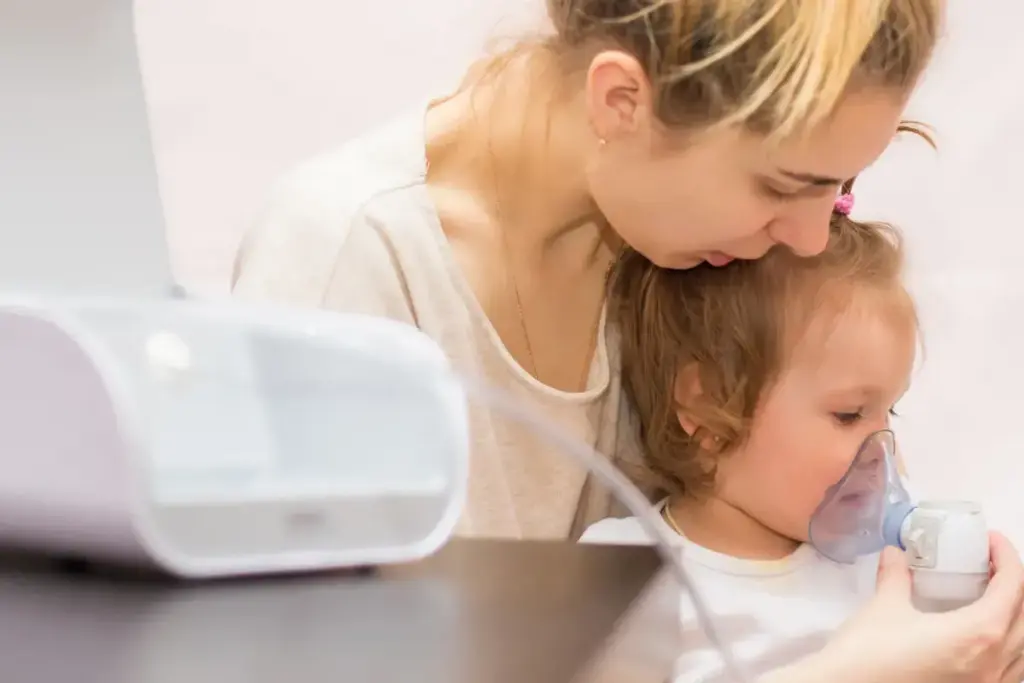
Bronchiolitis diagnosis at Liv Hospital combines clinical evaluation, oxygen monitoring, and expert pediatric assessment to ensure accurate and timely care.
Bronchiolitis diagnosis is mainly clinical, based on a child’s symptoms and physical exam.
There’s no single test; evaluation focuses on severity and ruling out other causes like pneumonia, foreign body, or early asthma.
Because bronchiolitis can progress rapidly, the evaluation at Liv Hospital focuses on “real time” monitoring of the infant’s physiological stability.
This ensures that interventions are tailored to the child’s specific needs at that moment
The evaluation begins with a detailed history. The doctor will ask about the onset of cold symptoms, the child’s ability to feed, and whether there have been any pauses in breathing. During the physical exam, the clinician will check:
- Respiratory Rate: Counting breaths for a full minute to detect tachypnea.
- Work of Breathing: Looking for retractions (skin pulling in) and nasal flaring.
- Auscultation: Using a stethoscope to listen for wheezing (whistling) and crackles (rattling) in the lungs.
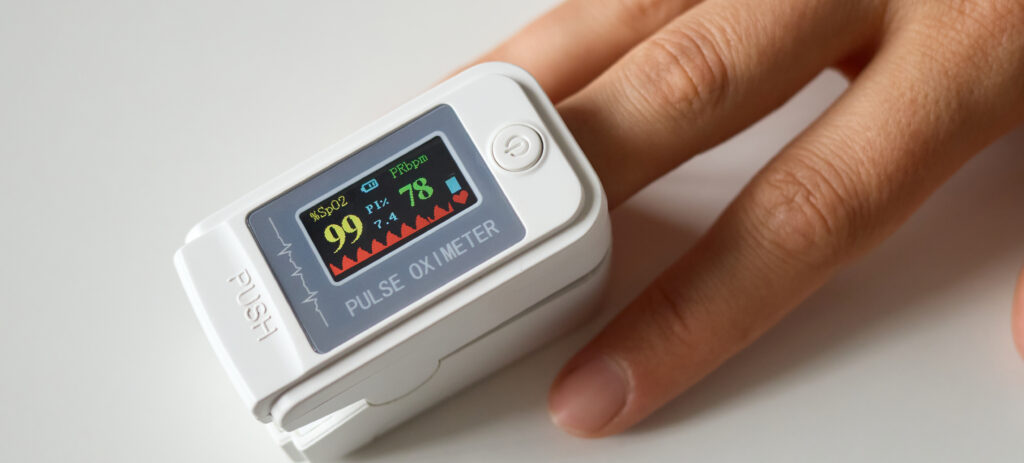
This is a vital, non-invasive test. A small sensor is placed on the infant’s foot or toe to measure the percentage of oxygen in the blood (SpO2).
- Normal: Above 94-95%.
- Concern: Levels consistently below 90-92% usually indicate a need for supplemental oxygen and possible hospitalization.
A doctor may use a soft swab to collect a sample of mucus from the back of the nose. This can be tested for RSV (Respiratory Syncytial Virus), influenza, or other common viruses.
While knowing the specific virus doesn’t usually change the treatment (since all are treated supportively), it helps in “cohorting” patients in the hospital to prevent the spread of the virus to others.
A chest X-ray is not routinely recommended for typical cases of bronchiolitis. However, a specialist may order one if:
- The child’s condition is exceptionally severe or worsening unexpectedly.
- The diagnosis is uncertain (ruling out heart failure or a swallowed object).
- There is a suspicion of bacterial pneumonia (indicated by localized “shadows” or infiltrates on the X-ray).
Routine blood work is rarely needed for bronchiolitis. However, in moderate to severe cases, a doctor might check:
- Complete Blood Count (CBC): To look for signs of a high white blood cell count, which might suggest a secondary bacterial infection.
- Electrolytes: To check for dehydration if the child has not been drinking enough or has been vomiting.
In severe cases where a child is struggling significantly to breathe, a small prick on the heel can be used to check the levels of carbon dioxide and the pH of the blood.
This helps determine if the child’s lungs are effectively “venting” CO2 or if the infant is becoming too exhausted to continue breathing on their own.
At Liv Hospital, we often use standardized scoring systems (like the Wang or RDAI score). These allow nurses and doctors to assign a number to the child’s distress based on respiratory rate, wheezing, and retractions.
This “common language” helps the team track whether a child is improving or needs more intensive care.
Distinguishing the two can be tricky in older infants. While bronchiolitis is an infection, asthma is an allergic/inflammatory response.
- Bronchiolitis: Usually preceded by a fever and runny nose; occurs in children under 2.
- Asthma: More likely if there is a family history of allergies, eczema, or if the child has had multiple previous episodes of wheezing without a cold.
The evaluation includes identifying high-risk factors that make a child more likely to have a severe course:
At Liv Hospital, our pediatric team monitors infants closely, following the latest Level of Care protocols.
With 24/7 access to pediatric radiology and rapid viral testing, we provide fast, precise evaluation while focusing on the child’s overall well being.