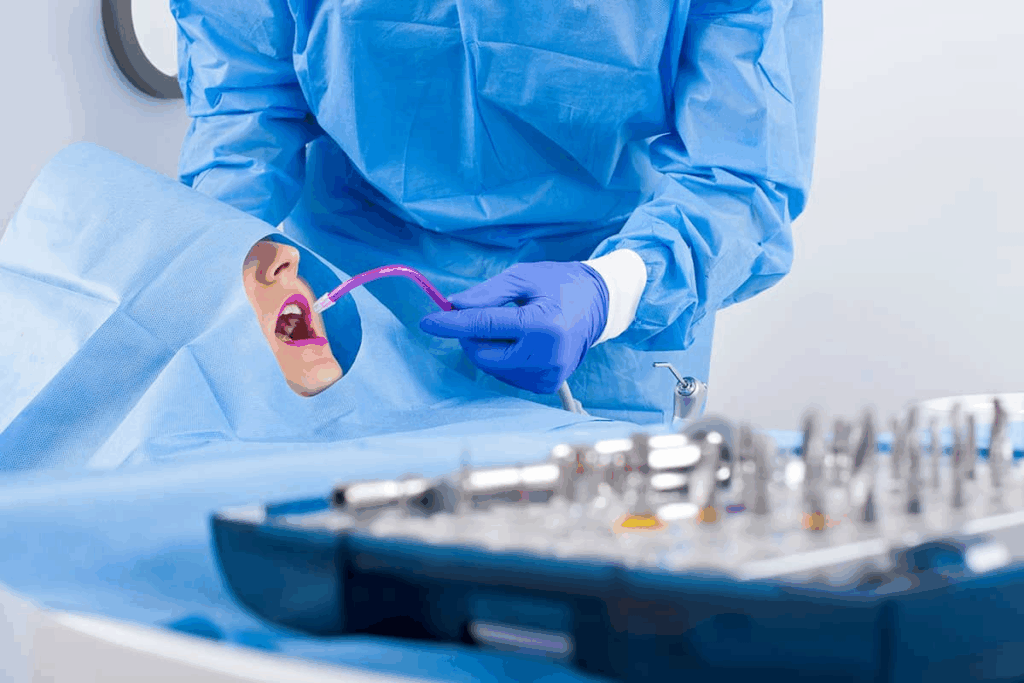
Significant bone loss from gum disease is tough to fix. But periodontal bone grafting is a proven fix. It brings back your oral health and bone structure, helping dental implants and your overall health.
Restoring lost bone is key for dental health. Studies show a 100 percent success rate over 70 months. This makes bone grafting a solid choice for improving your oral health.
This guide will cover the benefits, types, and how to recover from periodontal bone grafting. You’ll get the info you need to choose the best care for yourself.
Key Takeaways
- Understand the importance of periodontal bone grafting in restoring oral health.
- Learn about the benefits and types of bone grafting procedures.
- Discover what to expect during the procedure and recovery process.
- Find out how bone grafting supports dental implants and overall well-being.
- Gain insights into the success rates and reliability of bone grafting.
What Are Periodontal Bone Grafts and Why They’re Needed
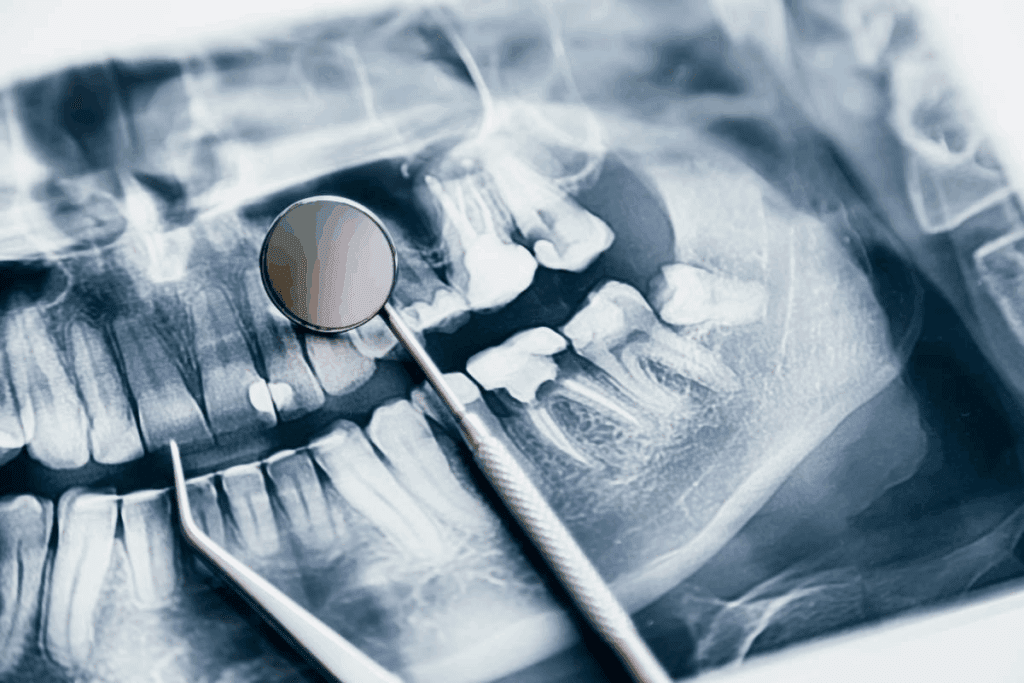
Our alveolar bone is key to keeping our teeth healthy. Periodontal bone grafts help keep this bone strong. The alveolar bone is the thickened ridge of bone that holds the tooth sockets in our jaws. It’s vital for supporting our teeth and dental implants.
The Function of Alveolar Bone in Dental Health
Alveolar bone is vital for our dental health. It gives teeth a strong foundation and supports the jaw structure. This bone is always changing, adapting to how we use our teeth.
When periodontitis attacks this bone, it can cause teeth to fall out. This can lead to other serious problems.
How Periodontitis Leads to Bone Loss
Periodontitis is a chronic disease that harms the gums and bone around teeth. It can destroy the alveolar bone, causing bone loss. This loss makes teeth unstable and more likely to fall out.
Severe periodontitis speeds up bone loss. It creates an inflammatory environment that damages bone. Bacteria in periodontitis release toxins that harm the bone.
Signs You May Need Bone Regeneration
There are signs that you might need bone regeneration. These include:
- Loose teeth due to loss of supporting bone
- Gum recession exposing roots
- Increased sensitivity or pain around teeth
- Changes in the fit of dentures
- Radiographic evidence of bone loss
If you notice any of these symptoms, see a dental professional. They can check your condition and decide if you need a bone graft.
Signs | Description | Possible Treatment |
Loose Teeth | Teeth become loose due to bone loss | Periodontal bone graft |
Gum Recession | Gums recede, exposing roots | Gum grafting, periodontal bone graft |
Increased Sensitivity | Pain or sensitivity around teeth | Desensitizing toothpaste, periodontal treatment |
Bone grafting helps fix alveolar bone defects. It’s key for implant success and keeping teeth healthy. Knowing how periodontal disease affects bone helps us protect our dental health.
Types of Periodontal Bone Grafts Available Today
Patients have many options for bone grafting in the mouth. The right choice depends on health, bone loss, and the dentist’s advice.
Autografts: The Gold Standard
Autografts use the patient’s own bone, often from another part of the mouth or body. They are the top choice because they work well and help bones grow naturally.
Autografts have big advantages:
- They match the body well, lowering rejection risk
- They help bones grow and fit in well
- There’s no chance of getting a disease from them
But, autografts have downsides too. They need another surgery site. This can make recovery longer and riskier.
Allografts: Human Donor Tissue
Allografts come from human donors, processed and ready for use. They’re a good choice because they don’t need another surgery.
Allografts have many benefits:
- They make surgery shorter and simpler
- Patients feel less pain after
- There are many sizes and shapes available
Xenografts: Animal-Derived Materials
Xenografts come from animals, like cows or pigs. They are processed to be safe and work well.
Xenografts have their own perks:
- There’s a lot of material available
- They’re safe because of how they’re made
- They don’t need to match the patient
Alloplastic Grafts: Synthetic Alternatives
Alloplastic grafts are made from man-made materials like hydroxyapatite. They are a non-living option for growing bone.
Alloplastic grafts have their own benefits:
- They’re safe from diseases
- They’re always the same quality
- They can be made to fit specific needs
Each bone graft has its own good points and things to think about. Choosing the right one should be done with a dentist’s help. They consider what’s best for each patient.
How to Determine If You Need a Periodontal Bone Graft
To find out if you need a bone graft, your periodontist will use several methods. They will check your gums and the bone around your teeth. This helps them see if you need a graft.
Clinical Evaluations and Diagnostic Tests
Checking your gums is key to knowing their health. Your periodontist will look at your medical history and examine your gums. They will also measure how deep your gum pockets are.
Tests like X-rays and 3D imaging show the bone around your teeth. These tests help see how much bone you’ve lost.
X-rays and 3D Imaging Assessments
X-rays help see if you have bone loss around your teeth. 3D imaging, like cone beam computed tomography (CBCT), gives a detailed look at your jawbone. This is important for planning a bone graft.
Measuring Periodontal Pocket Depths
Checking the depth of your gum pockets is also important. Deep pockets mean you might have lost bone and have gum disease. Your periodontist will use a probe to measure these pockets.
After these tests, your periodontist will make a plan just for you. If you need a bone graft, they will explain what it is and what to expect during recovery.
Diagnostic Tool | Purpose | Information Provided |
Clinical Evaluation | Assess gum health and periodontal pocket depth | Identifies issues needing a bone graft |
X-rays | Evaluate bone density and detect loss | Shows bone structure in 2D |
3D Imaging (CBCT) | Detailed jawbone assessment | Shows bone volume and density in 3D |
Periodontal Pocket Depth Measurement | Check pocket depth | Shows bone loss and disease |
Preparing for Your Periodontal Bone Graft Procedure
Knowing what to expect before a periodontal bone graft is key to a smooth recovery. It’s important to consider several factors as you prepare for this step in improving your dental health.
Required Medical Evaluations
Your periodontist will do a detailed medical check-up before the bone graft. They will look at your health history and do blood tests. This helps them understand if you’re ready for the procedure and how you’ll heal.
Medication Adjustments Before Surgery
Some medicines can mess with the bone grafting or healing. Your periodontist might tell you to stop or change some medicines before the surgery. It’s important to tell them about all the medicines and supplements you’re taking.
Dietary and Lifestyle Recommendations
Changing your diet and lifestyle before the bone graft can help your body heal better. Quitting smoking is a big help, as it can slow healing. Also, eating the right foods can give your body the nutrients it needs to recover.
Questions to Ask Your Periodontist
Ask your periodontist these questions to get ready for your procedure:
- What are the specific risks and benefits associated with my bone graft procedure?
- How should I prepare my mouth for the surgery?
- What kind of anesthesia will be used, and what are the implications?
- What is the expected recovery time, and how can I manage any discomfort?
- Are there any post-operative instructions I should be aware of?
Preparation Step | Description | Importance |
Medical Evaluations | Assessing overall health and identifying possible risks | High |
Medication Adjustments | Making sure medicines are safe during and after surgery | High |
Dietary Changes | Improving nutrition for healing and recovery | Medium |
Lifestyle Adjustments | Lowering risks like smoking | High |
The Periodontal Bone Graft Procedure: Step-by-Step Guide
The periodontal bone graft process has several key steps. It aims to fix bone loss around teeth due to periodontal disease.
Pre-Surgical Preparations
Before starting, we make sure you’re ready. This includes giving you the right anesthesia to reduce pain during the surgery.
Pre-surgical preparations also include checking your medical history and doing tests. We talk about any worries or questions you have.
Anesthesia Options and Administration
We have different anesthesia options for you. The choice depends on the surgery’s complexity and your anxiety level.
- Local anesthesia to numb the area
- Sedation to help you relax
- General anesthesia for more complex cases
The Surgical Process Explained
The surgery has several steps for placing the bone graft correctly.
- Incision in the gum to expose the bone
- Cleaning of the area to remove infected tissue
- Placement of the bone graft material
Graft Placement and Wound Closure
We then place the bone graft material carefully. The graft is secured, and the wound is closed with sutures.
The bone graft type can vary. It includes autografts, allografts, xenografts, and alloplastic grafts, each with benefits.
Type of Graft | Material Source | Advantages |
Autograft | Patient’s own bone | High success rate, natural compatibility |
Allograft | Human donor bone | Readily available, reduces surgery time |
Xenograft | Animal-derived bone | Available in various forms, cost-effective |
Alloplastic | Synthetic materials | Highly versatile, suitable for various cases |
After the surgery, we give you detailed care instructions for healing.
Recovery and Aftercare Following a Periodontal Bone Graft
Knowing how to take care of yourself after a periodontal bone graft is key. This time is important for healing and avoiding problems.
Managing Pain and Swelling
Some pain and swelling are normal after the procedure. We suggest a pain plan that might include medicines. An ice pack can also help with swelling.
Oral Hygiene Instructions
Good oral hygiene is essential during recovery. Brush and floss gently, avoiding the graft area at first. Saltwater rinses can help keep it clean. Your periodontist will give you personalized advice.
Dietary Restrictions During Healing
Eat soft foods for a few days after the procedure. Stay away from hot, spicy, or hard foods. Drinking plenty of water is also important.
Activity Limitations
Rest and avoid heavy activities to help healing. This includes no heavy lifting or bending. These can raise blood pressure and cause issues at the graft site.
Activity | Recommended Limitation |
Strenuous Exercise | Avoid for 7-10 days |
Heavy Lifting | Avoid for 5-7 days |
Bending | Avoid for 5-7 days |
By following these tips and your periodontist’s advice, you can have a smooth recovery. This will help your periodontal bone graft succeed.
Potential Risks and Complications to Be Aware Of
Periodontal bone grafting, like any surgery, has its risks and complications. It’s generally safe and works well. But knowing these risks helps you make better choices for your care.
Common Side Effects
After bone grafting, you might see swelling, bruising, and pain. These usually go away with time and some pain meds. Cold compresses can also help.
Some people might feel discomfort or sensitivity around the graft area. This usually goes away in a few days to a week.
Serious Complications to Watch For
Though rare, serious problems can happen. These include infection, graft rejection, or nerve damage. If you see more pain, swelling, or pus, it might be an infection.
Graft rejection means your body doesn’t accept the graft. Nerve damage is rare but can cause numbness or odd feelings in your tongue, lip, or cheek.
Complication | Symptoms | Action |
Infection | Increasing pain, swelling, pus | Contact your dentist immediately |
Graft Rejection | Pain, swelling, graft failure | Consult your periodontist |
Nerve Damage | Numbness, altered sensation | Seek immediate dental care |
When to Contact Your Dental Professional
If you have severe pain, too much bleeding, or signs of infection, call your dentist. Also, if you notice any unusual changes in your graft site or around it, talk to your periodontist.
Preventive Measures to Reduce Risks
To lower the risks of bone grafting, follow your periodontist’s advice. Keep your mouth clean, go to all follow-up visits, and tell them about any issues right away.
Getting ready for the surgery by managing infections or conditions can also help. This can reduce the chance of problems.
Knowing the risks and taking steps to prevent them can help you have a better recovery. This way, your bone grafting procedure can be successful and safe.
Success Rates and Outcomes of Periodontal Bone Grafts
It’s important for patients to know about the results of periodontal bone grafts. These grafts are a top choice for treating bone loss from periodontitis. They help patients regain their dental health and confidence.
Current Statistical Success Rates
Recent studies show great success with periodontal bone grafts. For example, one study found a 100 percent success rate over 70 months. This shows how effective these treatments can be for patients.
“The integration of bone grafts with the existing bone structure has shown to be highly successful, with many patients experiencing significant improvements in their dental health,” as noted by recent research in the field.
Factors Affecting Graft Success
Many things can affect how well a bone graft works. These include the type of graft, the patient’s health, and the surgeon’s skill. For instance, using the patient’s own bone tissue often leads to better results because it’s more compatible.
- The type of graft material used
- The patient’s oral hygiene practices
- The presence of any underlying health conditions
- The skill and experience of the periodontist
Timeline for Bone Regeneration
Bone growth after a bone graft takes time. First, the graft acts as a base for new bone to grow. Then, it merges with the bone around it, helping to create new tissue. This whole process can take months, and regular check-ups with the dentist are key to making sure it’s working.
Long-term Benefits for Dental Health
Periodontal bone grafts offer more than just fixing bone loss. They can lead to better oral health, a more attractive smile, and higher patient satisfaction. They also make it easier for patients to get dental implants or other treatments later on.
By choosing a periodontal bone graft, patients can enjoy a renewed sense of confidence in their smile and overall oral health.
Cost and Insurance Considerations for Periodontal Bone Grafts
Understanding the costs and insurance for periodontal bone grafts is key. The cost can be high, and knowing the factors can help patients make informed choices.
Average Costs by Graft Type
The cost of bone grafts changes based on the type. Here’s a look at average costs for different types:
Graft Type | Average Cost Range |
Autografts | $1,000 – $3,000 |
Allografts | $800 – $2,500 |
Xenografts | $600 – $2,000 |
Alloplastic Grafts | $500 – $1,500 |
These prices are just estimates. They can change based on the procedure’s complexity, location, and the dentist’s fees.
Insurance Coverage Options
Insurance for bone grafts varies by provider and policy. Some plans cover part of the cost, while others don’t. It’s important to check with your insurance to see what’s covered.
Key factors that influence insurance coverage include:
- The type of graft used
- The medical necessity of the procedure
- The patient’s overall dental health
Financing Alternatives
For those who can’t pay upfront, financing options are available. Dental clinics often have payment plans. There are also third-party financing companies that offer loans for dental procedures.
It’s important to look at the total cost of the loan, including interest and fees.
The Growing Market for Dental Bone Grafts
The market for dental bone grafts is growing fast. This is due to more people needing dental work and new grafting technologies. This growth means more people can get the care they need.
As the market expands, we’ll see more affordable options for bone grafts. This will help more patients get the care they need.
Conclusion
Periodontal bone grafting is key for fixing alveolar bone loss and keeping teeth healthy. We’ve looked at the different types of bone grafts, how they’re done, and the care needed after.
A periodontal bone graft or bone graft periodontal is needed when periodontitis causes bone loss around teeth. This procedure adds bone tissue to the area. It helps grow new bone and supports implants or natural teeth.
If you need a gum bone graft or perio bone grafting, see a dental expert. They’ll check your condition and suggest the best graft for you.
Learning about periodontal bone grafting is the first step to better dental health and a confident smile. Talk to a skilled periodontist about your options and get a treatment plan that fits you.
FAQ
What is a periodontal bone graft?
A periodontal bone graft is a surgery. It moves bone tissue to fix bone loss around teeth. This loss is often due to periodontal disease.
Why is a bone graft necessary for periodontal disease?
Bone grafts are needed to replace lost bone. This helps keep teeth stable and improves oral health. It also supports dental implants.
What are the different types of bone grafts available?
There are several types of bone grafts. You can use your own bone (autograft), bone from a donor (allograft), or materials from animals (xenograft). There are also synthetic options (alloplastic grafts).
How is the need for a periodontal bone graft determined?
Doctors check for bone loss through X-rays and 3D scans. They also measure pocket depths. These steps help decide if a graft is needed.
What should I expect during the periodontal bone graft procedure?
Expect some prep work, like anesthesia. Then, the graft is placed and the wound is closed. This is all part of the surgery.
How do I prepare for a periodontal bone graft?
You’ll need to get medical checks and adjust your meds. Follow diet and lifestyle tips. Ask your periodontist any questions you have.
What is the recovery process like after a periodontal bone graft?
You’ll need to manage pain and swelling. Follow oral hygiene tips and stick to a diet. Rest is key for healing.
What are the possible risks and complications of periodontal bone grafting?
Risks include common side effects and serious issues. If you notice anything odd, contact your dentist right away.
How successful are periodontal bone grafts?
Bone grafts are very successful. Success depends on the graft type, bone loss severity, and aftercare. Following instructions is key.
How much does a periodontal bone graft cost?
Costs vary by graft type. Autografts are pricier than others. Insurance and financing options can help.
Will my insurance cover the cost of a periodontal bone graft?
Coverage varies by insurance. Always check with your provider to see what’s covered.
What are the long-term benefits of a periodontal bone graft?
Benefits include better oral health and stable teeth. It also prepares your mouth for implants, improving dental health overall.
References
National Center for Biotechnology Information. Periodontal Bone Grafting: Restoring Bone Loss and Oral Health. Retrieved from https://pubmed.ncbi.nlm.nih.gov/38686547/**



 Departments
 Related Videos
 Our Doctors
 News
News