
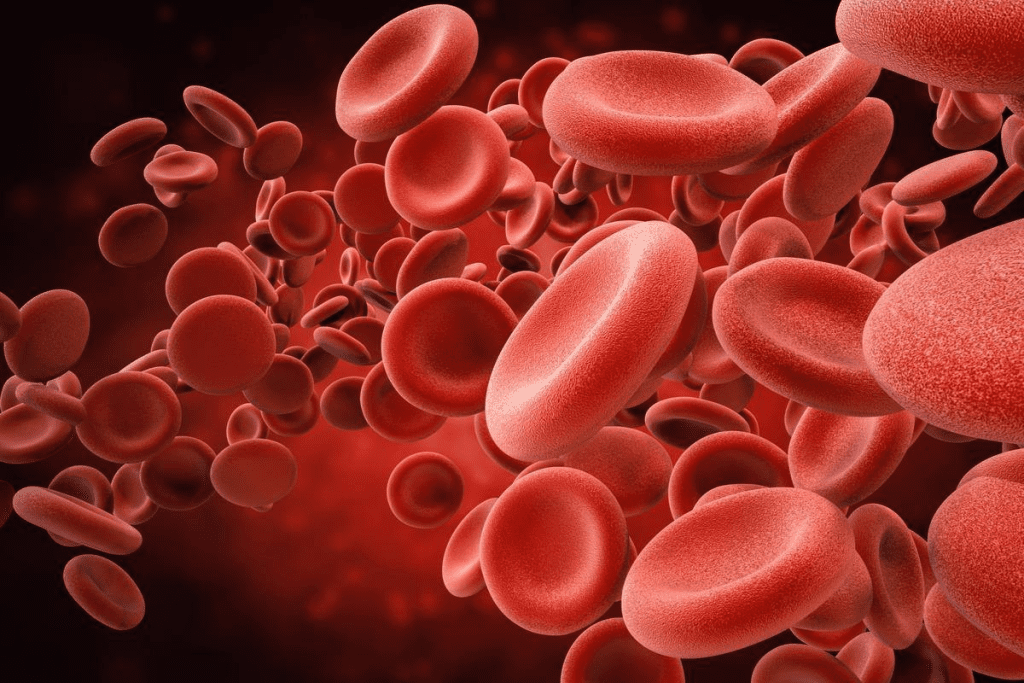
Pernicious anemia affects millions worldwide. It causes a big drop in vitamin B12 levels. This happens because the body can’t absorb this important nutrient.
We will look into what pernicious anemia is. It’s an autoimmune condition that stops the stomach from making an intrinsic factor. This protein is key for vitamin B12 absorption.
This condition brings on many health problems. These include feeling very tired, weak, and having neurological issues. Knowing the causes, symptoms, and treatments is key to managing it well.
Key Takeaways
- Pernicious anemia is an autoimmune condition affecting vitamin B12 absorption.
- The lack of intrinsic factor is a primary cause of this condition.
- Symptoms include fatigue, weakness, and neurological issues.
- Diagnosis involves blood tests and potentially bone marrow examination.
- Treatment typically involves vitamin B12 injections or oral supplements.
Understanding Pernicious Anemia

Pernicious anemia has a rich history and a complex medical classification. It affects the body’s ability to make red blood cells, causing anemia. The main issue is the body can’t absorb vitamin B12, which is key for making red blood cells.
Definition and Medical Classification
Pernicious anemia is a type of anemia caused by a lack of vitamin B12. It’s classified as a chronic disease, needing lifelong care. The ICD-10 code for it is D51.0, under nutritional anemias.
The condition is caused by the body attacking its own stomach cells or not making a protein needed for vitamin B12. Knowing this helps doctors diagnose and treat it better.
| Classification Criteria | Description |
| ICD-10 Code | D51.0 |
| Category | Nutritional Anemias |
| Pathophysiology | Autoimmune destruction of gastric parietal cells or impaired intrinsic factor production |
Historical Background of Pernicious Anemia
Once a deadly disease, pernicious anemia became treatable with the discovery of vitamin B12. Its history dates back to the 19th century. Thanks to medical progress, it’s now a manageable condition.
The finding of vitamin B12 was a major breakthrough in medicine. It saved many lives and opened doors for studying nutritional deficiencies.
Now, we see pernicious anemia as a complex issue. It involves autoimmunity, genetics, and environment. This new understanding has led to better treatments and improved lives for those with the condition.
The Role of Vitamin B12 in the Body
Vitamin B12 is very important for our health. It helps our red blood cells, nerve function, and DNA. Without enough vitamin B12, health problems can occur, like in pernicious anemia.
Functions of Vitamin B12
Vitamin B12 is key for many body functions. It helps:
- Make red blood cells, preventing anemia
- Keep the nervous system healthy, including myelin
- Help DNA synthesis, so cells can grow and repair
Vitamin B12 is vital for the nervous system and making red blood cells. Without it, people can feel tired or have nerve problems.
Normal B12 Absorption Process
Vitamin B12 absorption is complex. It starts with eating foods like meat, fish, and dairy. Then, it’s released and bound to an intrinsic factor in the stomach. This complex is absorbed in the ileum, the small intestine’s end.
Vitamin B12 is vital for our health. Its absorption is key to avoid deficiencies like pernicious anemia. Next, we’ll look into pernicious anemia, its causes, and effects.
Intrinsic Factor and Its Importance
Intrinsic factor is a protein in the stomach that helps with vitamin B12 absorption. It binds to vitamin B12 in food. This makes it easier for the body to absorb it in the ileum, the last part of the small intestine.
The Nature of Intrinsic Factor
Intrinsic factor comes from the stomach lining’s parietal cells. Its main job is to form a complex with vitamin B12. This complex is then absorbed by the body.
The significance of intrinsic factors are huge. It prevents pernicious anemia, a condition caused by vitamin B12 deficiency. Symptoms include fatigue, weakness, and neurological problems.
How Intrinsic Factor Facilitates B12 Absorption
Vitamin B12 absorption is a complex process. First, it’s released from food in the stomach. Then, it binds to an intrinsic factor, creating a complex.
This complex is transported to the ileum. In the ileum, the complex is absorbed into the bloodstream. There, vitamin B12 can be used by the body.
The importance of intrinsic factors are huge. Without it, the body can’t absorb vitamin B12, even if we eat enough. This shows how vital an intrinsic factor is for keeping vitamin B12 levels healthy.
| Process | Description |
| Release of Vitamin B12 | Vitamin B12 is released from food in the stomach. |
| Binding to Intrinsic Factor | Vitamin B12 binds to intrinsic factors, forming a complex. |
| Absorption in the Ileum | The vitamin B12-intrinsic factor complex is absorbed in the ileum. |
Causes of Pernicious Anemia
Pernicious anemia comes from a mix of genetic, autoimmune, and environmental factors. Knowing these causes helps in diagnosing and treating the condition well.
Autoimmune Factors
Autoimmune attacks on parietal cells are a main reason for pernicious anemia. “The autoimmune response destroys gastric parietal cells, which make an intrinsic factor. This protein is key for vitamin B12 absorption” autoimmune destruction is a major factor. Without enough intrinsic factor, vitamin B12 absorption is harmed.
Genetic Predisposition
Genetics also play a big part in pernicious anemia. People with a family history are more likely to get it. Some genes can make someone more likely to get autoimmune gastritis, a step towards pernicious anemia.
Other Contributing Factors
Other things can also lead to pernicious anemia. These include gastric surgery or chronic gastritis, and a diet low in vitamin B12. But these are less common than autoimmune causes.
Doctors say, “Early diagnosis and treatment can greatly improve life for those with pernicious anemia.” Knowing the causes is the first step to managing it well.
“The presence of autoantibodies against parietal cells or intrinsic factor is a hallmark of autoimmune pernicious anemia.”
In summary, pernicious anemia is caused by many factors, with autoimmune issues being the main one. Genetics and other factors also matter. Recognizing these causes is key for early diagnosis and treatment.
Risk Factors for Developing Pernicious Anemia

Several factors can increase the risk of getting pernicious anemia. These include age, gender, and family history. Knowing these factors helps us spot and prevent the condition early on.
Age and Gender Considerations
Pernicious anemia often affects older adults, usually those over 60. Women are more likely to get it than men. These factors are key in figuring out who might get this condition.
Table: Demographic Risk Factors for Pernicious Anemia
| Demographic Factor | Risk Level |
| Age > 60 | High |
| Female Gender | Moderate to High |
| Male Gender | Moderate |
Family History and Genetic Factors
People with a family history of pernicious anemia or autoimmune diseases are at higher risk. Genetic factors also play a big part. We often find pernicious anemia in those with a family history of autoimmune disorders.
Associated Medical Conditions
Some medical conditions raise the risk of getting pernicious anemia. These include type 1 diabetes, thyroid disease, and vitiligo. Gastrointestinal disorders that affect the stomach and intestines also increase the risk.
Understanding these risk factors helps us identify who’s more likely to get pernicious anemia. We can then take steps to prevent it.
Common Symptoms of Pernicious Anemia
It’s key to spot the signs of pernicious anemia early. This helps in getting the right treatment for vitamin B12 deficiency. We’ll cover the main signs of pernicious anemia, which can affect many parts of your health.
Early Warning Signs
In the beginning, pernicious anemia’s symptoms are often mild. You might feel fatigue, weakness, or just not feel right. Some people also get shortness of breath or dizziness when they stand up fast.
Advanced Symptoms
As pernicious anemia gets worse, symptoms get more serious. You might have a sore tongue, digestive problems, or lose your appetite. Your skin and mucous membranes could also change, showing a lemon-yellow color from broken red blood cells.
Neurological Manifestations
Pernicious anemia can really affect your nervous system. This is because vitamin B12 is vital for nerve health. You might feel numbness or tingling in your hands and feet, have trouble walking, or struggle with balance. If not treated, it could lead to serious nerve problems.
Seeing these symptoms early is critical. It helps start treatment quickly and avoid lasting harm. If you notice any of these signs, don’t hesitate to see a doctor.
Distinctive Physical Signs of Pernicious Anemia
Pernicious anemia shows itself through different physical signs. These signs are key for early diagnosis. They help doctors diagnose and manage the condition well.
Tongue Abnormalities
One key sign is tongue problems. Patients might have a sore tongue. They might also see changes in their tongue’s look, like glossitis, which is inflammation.
This can make eating and speaking hard.
Skin and Nail Changes
Pernicious anemia also affects skin and nails. Some see hyperpigmentation, or dark skin spots. Nails can become brittle, ridged, or thin and spoon-shaped, known as koilonychia.
Other Physical Manifestations
Other signs include fatigue, weakness, and nerve issues. These can be numbness or tingling in hands and feet. These symptoms come from a lack of vitamin B12.
Vitamin B12 is key for making red blood cells and keeping nerves healthy.
| Physical Sign | Description |
| Tongue Abnormalities | Soreness, inflammation (glossitis) |
| Skin Changes | Hyperpigmentation, pallor |
| Nail Changes | Brittleness, ridging, koilonychia |
| Neurological Symptoms | Numbness, tingling in hands and feet |
Diagnostic Approaches for Pernicious Anemia
Getting a correct diagnosis for pernicious anemia is key to effective treatment. It needs a detailed look at several tests and clinical checks.
Blood Tests and Laboratory Findings
Blood tests are vital in spotting pernicious anemia. They check for anemia and vitamin B12 levels in the blood.
- Complete Blood Count (CBC): To assess the severity of anemia.
- Vitamin B12 level test: To determine if vitamin B12 levels are below normal.
- Folate level test: To rule out folate deficiency as a cause of anemia.
| Blood Test | Purpose | Expected Result in Pernicious Anemia |
| Complete Blood Count (CBC) | Assess severity of anemia | Low hemoglobin and hematocrit levels |
| Vitamin B12 level test | Measure vitamin B12 levels | Low vitamin B12 levels |
| Folate level test | Rule out folate deficiency | Normal or elevated folate levels |
Antibody Testing
Antibody tests look for antibodies against intrinsic factors. This protein is needed for vitamin B12 absorption. Finding these antibodies is a key sign of pernicious anemia.
“The detection of intrinsic factor antibodies is highly specific for pernicious anemia, making it a valuable diagnostic tool.” -A medical expert
Other Diagnostic Procedures
Other tests are used to check for other anemia causes or vitamin B12 deficiency levels.
- Gastrointestinal endoscopy: To examine the stomach lining for atrophy or other abnormalities.
- Bone marrow biopsy: In some cases, to assess the bone marrow’s response to anemia.
In conclusion, diagnosing pernicious anemia requires a detailed approach. This includes blood tests, antibody testing, and other procedures. Accurate diagnosis is key to starting the right treatment and managing the condition well.
Differential Diagnosis: Conditions Similar to Pernicious Anemia
To diagnose pernicious anemia correctly, doctors must look at many other conditions. These conditions have similar symptoms. This careful process is key because pernicious anemia’s signs can be mixed up with other health problems.
Other Types of Anemia
Pernicious anemia is often mixed up with other anemias. This is because they share symptoms like tiredness, weakness, and shortness of breath. Some of these include:
- Iron-deficiency anemia: Happens when there’s not enough iron, leading to fewer red blood cells.
- Folate-deficiency anemia: Similar to pernicious anemia but due to a lack of folate, not vitamin B12.
- Anemia of chronic disease: Seen in people with long-term illnesses like rheumatoid arthritis or chronic infections.
Neurological Disorders
The neurological signs of pernicious anemia, like numbness, tingling, and trouble walking, can also appear in other conditions. These include:
- Multiple sclerosis: An autoimmune disease that affects the central nervous system.
- Diabetic neuropathy: Damage to nerves caused by diabetes.
- Peripheral neuropathy: Damage to nerves outside the brain and spinal cord, caused by diabetes, toxins, or infections.
Gastrointestinal Conditions
The symptoms or causes of pernicious anemia can be mistaken for other gut problems. For example:
- Celiac disease: An autoimmune disorder that makes the immune system react to gluten.
- Crohn’s disease: A type of inflammatory bowel disease that can affect any part of the gut.
- Gastritis: Inflammation of the stomach lining, caused by infection, alcohol, or other factors.
Getting a correct diagnosis needs a thorough check-up. This includes blood tests, antibody tests, and sometimes more tests to tell pernicious anemia apart from similar conditions.
Treatment Options for Pernicious Anemia
Understanding how to manage pernicious anemia is key. The main goal is to fix the vitamin B12 shortage and ease symptoms.
Vitamin B12 Injections
Vitamin B12 injections are a top choice for treating pernicious anemia. They skip the digestive system, getting the vitamin straight into the blood.
Benefits of Vitamin B12 Injections:
- Rapidly fills up vitamin B12 stores
- Quickly improves symptoms
- Works well for those with severe deficiency
Oral and Nasal Supplementation
Oral or nasal vitamin B12 supplements are sometimes suggested. Oral supplements come in high doses to help with absorption.
Considerations for Oral Supplementation:
- Needs high doses for good absorption
- Not best for those with severe absorption problems
- Must keep an eye on B12 levels
Dietary Considerations
Eating a balanced diet rich in vitamin B12 can help. Foods like meat, fish, and dairy are good sources.
Dietary Recommendations:
| Food | Vitamin B12 Content |
| Beef Liver | High |
| Salmon | Medium to High |
| Dairy Products | Medium |
Talking to a healthcare provider is important to find the right treatment. Everyone’s needs are different.
Long-term Management of Pernicious Anemia
Managing pernicious anemia long-term is complex but vital for patients’ health. It requires medical treatment, lifestyle changes, and regular checks. These steps help avoid complications and keep patients well.
Monitoring B12 Levels
It’s key to keep an eye on vitamin B12 levels. We suggest regular blood tests to check these levels and see how treatment is working.
These tests spot problems early. This lets us make changes to the treatment plan. It helps keep patients healthy.
Managing Associated Conditions
Pernicious anemia often comes with other health issues. Handling these conditions is important to avoid more problems. It also improves patients’ lives.
We create a detailed care plan for each patient. This plan covers all their health needs. We might work with other specialists to manage their health fully.
Lifestyle Adjustments
Changing your lifestyle is also important for managing pernicious anemia. Dietary changes can support health. We might suggest supplements or special diets for nutrients.
Other lifestyle changes like a healthy weight, regular exercise, and stress management also help. They can reduce symptoms and improve health.
Prognosis and Life Expectancy with Pernicious Anemia
Thanks to new medical treatments, the outlook for pernicious anemia has gotten much better. People with this condition can now live active and normal lives with the right care.
Impact of Early Diagnosis
Getting diagnosed early is key to managing pernicious anemia well. Early treatment can prevent serious problems. It helps lessen symptoms and improves life quality for patients.
Early treatment helps right away and stops long-term brain damage. This is vital because brain damage can’t be fixed if it’s not treated early.
Long-term Outlook with Treatment
With treatment, people with pernicious anemia see big improvements. Vitamin B12 shots are the main treatment and work well. It’s important to stick to the treatment plan to stay healthy.
The outlook is mostly good, with most patients doing well on treatment. Keeping an eye on B12 levels and adjusting treatment as needed is key for long-term care.
Factors Affecting Prognosis
Several things can change how well someone does with pernicious anemia. Other health issues, age at diagnosis, and how bad symptoms are can all play a part.
- Associated medical conditions can make treatment harder.
- The patient’s overall health and following treatment are very important for the prognosis.
- Timely diagnosis and treatment greatly improve the outlook.
Understanding these factors and working with doctors can help people with pernicious anemia get the best results. This way, they can live full and happy lives.
Medical Specialists for Pernicious Anemia Care
A team of specialists, including hematologists, gastroenterologists, and neurologists, play a key role in managing pernicious anemia. This team approach ensures patients get the best care. They address all aspects of the condition.
Hematologists
Hematologists are key in diagnosing and managing pernicious anemia. They specialize in blood disorders. They give vitamin B12 injections and check how the patient is doing.
The role of hematologists includes:
- Confirming the diagnosis through blood tests
- Initiating and managing vitamin B12 replacement therapy
- Monitoring for any complications
Gastroenterologists
Gastroenterologists are important in pernicious anemia care, focusing on the gut. They handle digestive issues and find out why the body can’t make intrinsic factor.
Gastroenterologists are involved in:
- Looking into digestive symptoms
- Managing other conditions that might go with pernicious anemia
- Advising on diet changes
Neurologists
Neurologists are key in dealing with the brain and nerve problems caused by pernicious anemia. They check and manage symptoms, making sure patients get the right care for nerve damage.
The neurologist’s role includes:
- Checking for brain and nerve symptoms
- Watching how nerve damage gets worse
- Recommending rehab if needed
Working together, these specialists give patients with pernicious anemia the best care. This teamwork improves patients’ lives and treatment results.
| Specialist | Primary Responsibilities | Shared Responsibilities |
| Hematologists | Diagnosing and managing anemia, vitamin B12 replacement therapy | Monitoring patient progress, managing complications, coordinating care |
| Gastroenterologists | Looking into digestive symptoms, managing related conditions | |
| Neurologists | Checking and managing brain and nerve symptoms, rehab |
By working together, these medical specialists ensure that patients with pernicious anemia receive the best care. This teamwork improves their quality of life and treatment outcomes.
Conclusion
Understanding pernicious anemia is key to managing it well. We’ve looked at its causes, symptoms, diagnosis, and treatments. We’ve also talked about how important vitamin B12 is and how intrinsic factor helps absorb it. A quick summary shows that pernicious anemia is a complex issue. It needs a detailed care plan. Early diagnosis and the right treatment can greatly help those with this condition. We hope to help improve health outcomes and support those looking for advanced treatments. Our discussion shows the need for a team effort. This includes doctors like hematologists, gastroenterologists, and neurologists working together.
FAQ
What is pernicious anemia?
Pernicious anemia is an autoimmune condition. It affects the stomach’s ability to absorb vitamin B12. This leads to various health issues.
What is the role of intrinsic factor in pernicious anemia?
Intrinsic factor is a protein in the stomach. It helps absorb vitamin B12. Without it, B12 deficiency occurs in pernicious anemia.
What are the common symptoms of pernicious anemia?
Symptoms include fatigue, weakness, and pale skin. Shortness of breath and numbness in hands and feet are also common.
How is pernicious anemia diagnosed?
Blood tests check for B12 deficiency. Antibody testing for intrinsic factor antibodies is also done. Other tests may be needed.
What are the treatment options for pernicious anemia?
Treatment includes vitamin B12 injections and oral supplements. Dietary changes are also important to manage the condition.
Can pernicious anemia be cured?
Pernicious anemia can’t be cured. But, effective treatment can manage it. This prevents complications and improves life quality.
What is the prognosis for individuals with pernicious anemia?
Early diagnosis and treatment lead to a normal life. Timely treatment and managing other conditions affect prognosis.
Which medical specialists are involved in the care of patients with pernicious anemia?
Hematologists, gastroenterologists, and neurologists care for patients. They ensure a complete management plan.
How often should vitamin B12 levels be monitored in pernicious anemia?
Vitamin B12 levels should be checked regularly. This ensures treatment is effective and supplements are adjusted as needed.
Are there any lifestyle adjustments that can help manage pernicious anemia?
Yes, dietary changes and lifestyle adjustments can help. They manage associated conditions and improve health.
Can pernicious anemia be prevented?
Pernicious anemia is an autoimmune condition. It can’t be prevented. But, early detection and treatment can prevent complications.
Is pernicious anemia a rare condition?
Pernicious anemia is relatively rare. It’s more common in older adults and those with a family history.
What are the complications of untreated pernicious anemia?
Untreated pernicious anemia can cause serious problems. These include neurological damage, heart issues, and increased infection risk.
References
- Centre for Perioperative Care. (2025). Guideline for the management of anaemia in the perioperative pathway. https://cpoc.org.uk/sites/cpoc/files/documents/2025-04/CPOC-AnaemiaGuideline2025.pdf
- Kidney Disease: Improving Global Outcomes (KDIGO) Anemia Work Group. (2024). KDIGO 2025 clinical practice guideline for anemia in chronic kidney disease (CKD) [Draft]. https://kdigo.org/wp-content/uploads/2024/11/KDIGO-2025-Anemia-in-CKD-Guideline_Public-Review-Draft_Nov42024.pdf