Persistent diarrhea affects about 1 to 3 percent of people worldwide. It’s when you have loose or watery stools for more than four weeks. This can happen due to infections or inflammatory conditions. Suffering from persistent diarrhea? This guide explores 7 alarming causes, from IBS and IBD to infections, and the best, proven fixes for relief.
We know how hard persistent diarrhea can make life. Finding the right way to manage it is key. In this article, we’ll look at seven effective ways to stop diarrhea.
Key Takeaways
- Understanding the causes of persistent diarrhea is key to managing it.
- Seven evidence-based remedies can help ease symptoms.
- Getting advice from healthcare professionals is very important.
- Effective management can greatly improve your life quality.
- Many things, like infections and what you eat, can cause diarrhea.
What Is Persistent Diarrhea and Why Does It Happen?
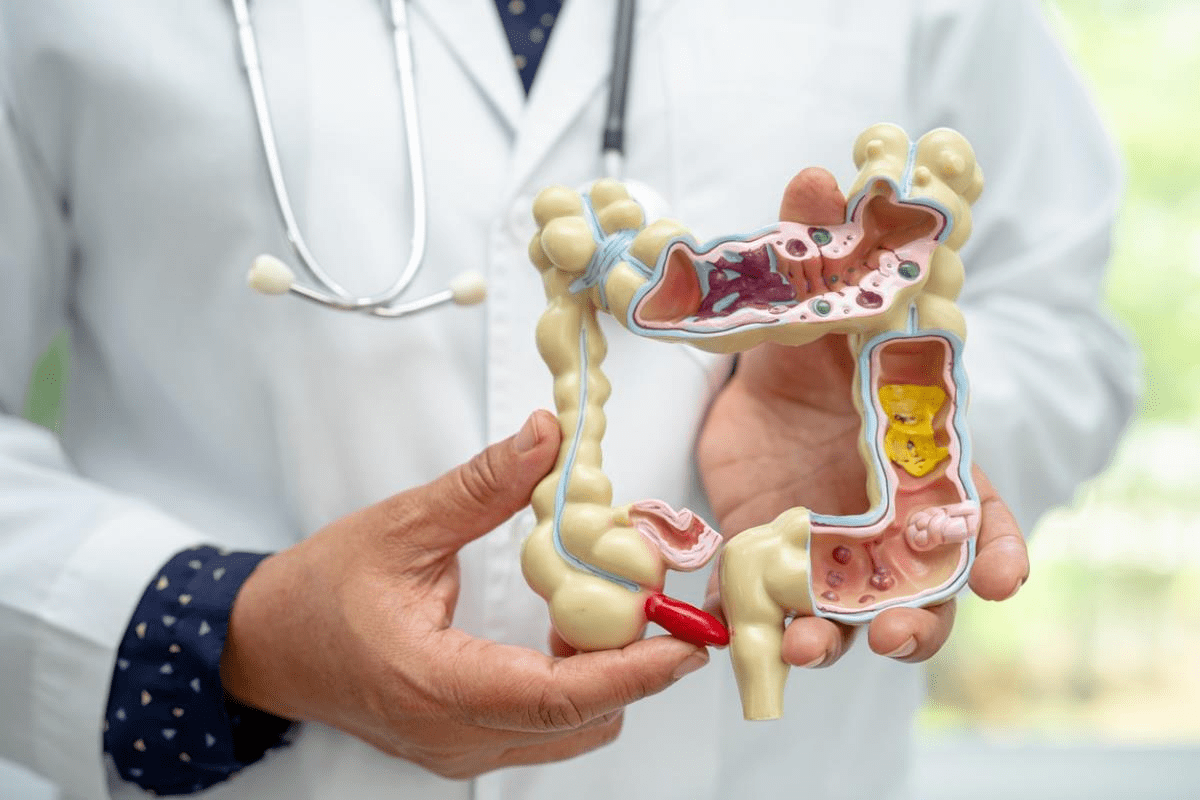
Persistent diarrhea is more than just a symptom. It’s a condition that can really hurt your quality of life. It lasts longer than a few days, causing dehydration, nutritional problems, and a big drop in how well you feel.
Clinical Definition and Prevalence
Persistent diarrhea lasts over four weeks. It affects people of all ages but hits harder in some groups. This includes kids in poor countries and those with weak immune systems.
It’s more common in places with bad sanitation and limited healthcare. The World Health Organization says diarrhea is a big killer worldwide.
Common Causes and Risk Factors
Persistent diarrhea comes from many sources. These include infections, inflammation, what you eat, and side effects from meds. Finding out why it happens is key to fixing it.
Some common reasons include:
- Infections: Bacterial, viral, and parasitic infections can lead to persistent diarrhea.
- Inflammatory bowel disease (IBD): Conditions like Crohn’s disease and ulcerative colitis can cause persistent diarrhea.
- Dietary factors: Food intolerances, such as lactose intolerance, and sensitivities can contribute to diarrhea.
- Medications: Certain medications, including antibiotics and antacids, can cause or exacerbate diarrhea.
Cause | Description | Common Symptoms |
Infectious Agents | Bacterial, viral, and parasitic infections | Diarrhea, abdominal pain, fever |
Inflammatory Conditions | Conditions like Crohn’s disease and ulcerative colitis | Diarrhea, abdominal pain, weight loss |
Dietary Factors | Food intolerances and sensitivities | Diarrhea, bloating, gas |
The Physical and Quality of Life Impact
Persistent diarrhea really affects your life. It causes discomfort, anxiety, and messes up your daily routine. It can lead to dehydration, malnutrition, and imbalances in your body’s salts.
It also affects your mind. It can make you feel embarrassed, isolated, and frustrated. This can hurt your mental health and happiness.
Knowing why persistent diarrhea happens is the first step to managing it. It helps improve your life and how you feel.
Recognizing When Watery Stools Become a Chronic Problem
Watery stools can be a temporary issue, but if they last, it’s a sign of something serious. We must know the difference between acute and persistent diarrhea to treat it right.
Distinguishing Acute vs. Persistent Symptoms
Acute diarrhea lasts up to 14 days. Persistent diarrhea goes on for more than a month. Knowing this difference is key because the causes and treatments are different.
Acute Diarrhea: It’s often caused by infections, food poisoning, or sudden diet changes. It usually gets better on its own with little treatment.
Persistent Diarrhea: It can be due to conditions like irritable bowel syndrome (IBS), inflammatory bowel disease (IBD), or malabsorption. It needs a detailed check-up and treatment plan.
Characteristics | Acute Diarrhea | Persistent Diarrhea |
Duration | Up to 14 days | Four weeks or longer |
Common Causes | Infections, food poisoning | IBS, IBD, malabsorption |
Treatment Approach | Minimal treatment, often self-resolving | Requires thorough investigation and treatment |
Associated Symptoms to Monitor
When you have watery stools, watch for other symptoms that could mean something serious. Look out for:
- Abdominal pain or cramping
- Fever
- Weight loss
- Blood in the stool
- Signs of dehydration
A gastroenterology expert says, “The presence of associated symptoms can significantly impact the diagnosis and treatment of persistent diarrhea.”
“Patients with persistent diarrhea often report a significant impact on their quality of life, making timely and effective treatment critical.”
— Medical Expert, Gastroenterologist
To know when watery stools are a chronic problem, look at how long they last and any other symptoms. By telling the difference between acute and persistent diarrhea, you can get the right medical help when you need it.
Remedy 1: Oral Rehydration Therapy
Oral rehydration therapy is key in fighting dehydration from diarrhea. When diarrhea lasts a long time, we lose water and important electrolytes. These are needed for our body’s functions.
Replenishing these lost fluids and electrolytes is vital to avoid dehydration and its problems. Oral rehydration solutions (ORS) are made to do this.
How Electrolyte Solutions Combat Persistent Diarrhea
Electrolyte solutions help by restoring the balance of fluids and electrolytes in our bodies. Diarrhea can cause a big loss of sodium, potassium, and other key electrolytes. Drinking an ORS helps our bodies get back in balance, supporting health and helping us recover.
Commercial ORS Options
Many commercial ORS products are out there, packed with the right electrolytes and fluids. Some well-known ones are:
- Pedialyte
- ORS-Oral Rehydration Solution by Jianlibao
- Resol
These come in powders, liquids, or gels, making them easy to use and flexible.
DIY Rehydration Solution Recipe
If you like making your own or can’t find commercial products, a DIY solution works well. Here’s a simple one:
- 1 liter of clean water
- 1/2 teaspoon of salt
- 6 teaspoons of sugar
- Optional: 1/4 teaspoon of baking soda
Mix these well and drink the solution often to rehydrate.
Using either commercial ORS or a DIY recipe helps fight dehydration from diarrhea. It supports our bodies’ recovery and well-being.
Remedy 2: Strategic Dietary Modifications
Making smart food choices can help with persistent diarrhea. By picking the right foods, we can improve our gut health and feel better overall.
Foods to Avoid During Episodes
When you have persistent diarrhea, stay away from certain foods. These can make things worse. Here are some to avoid:
- Dairy products, like milk and cheese, if you’re lactose intolerant.
- High-fiber foods like beans, cabbage, and broccoli.
- Fatty or greasy foods that are hard to digest.
- Caffeine and alcohol, which can upset your stomach.
- Spicy foods that can irritate your gut lining.
The BRAT Diet and Beyond
The BRAT diet includes bananas, rice, applesauce, and toast. It’s often suggested for diarrhea. These foods are easy on your stomach and can make stool firmer.
While the BRAT diet is helpful, it’s also good to try other foods. Adding variety ensures we get all the nutrients we need.
Nutrient-Rich Foods That Help Restore Gut Health
There are other foods that can help your gut health too. These include:
Food | Benefit |
Plain yogurt | Has probiotics that support good gut bacteria. |
Lean proteins | Helps fix the gut lining. |
Oatmeal | Is full of soluble fiber that can make stool firmer. |
Eating these foods and avoiding bad ones can help manage diarrhea. It’s a big step towards better gut health.
Remedy 3: Zinc Supplementation Protocol
Zinc supplements are proven to help with persistent diarrhea. Studies show they can cut down diarrhea time by 25% and reduce stool by 30%.
Scientific Evidence for Zinc’s Effectiveness
Many studies have looked into zinc’s role in diarrhea. They found zinc helps lessen diarrhea’s severity and length. It also boosts health, mainly in those lacking zinc.
Key findings from research include:
- Zinc supplements cut down diarrhea in kids and adults.
- They help the body absorb water and salts better, reducing stool.
- Zinc is key to keeping the gut lining strong.
Proper Dosage and Duration
Zinc dosage depends on age, health, and how bad the diarrhea is. The World Health Organization suggests 20 mg daily for kids over six months. Babies under six months should get 10 mg.
Adults might need 20 to 40 mg daily. Treatment usually lasts 10 to 14 days, based on how bad the diarrhea is and how well you respond.
Potential Side Effects and Precautions
Zinc supplements are usually safe, but too much can upset your stomach. Stick to the recommended amount to avoid side effects.
Precautions to consider:
- People with health issues should talk to a doctor before taking zinc.
- Always use zinc with other treatments as a doctor advises.
Remedy 4: Probiotics and Gut Microbiome Support
The gut microbiome is key to our health, and probiotics are a great help for diarrhea. Probiotics are live bacteria that are good for us. They help keep our gut healthy, which is important for stopping diarrhea.
How Probiotics Combat Persistent Diarrhea
Probiotics fill our gut with good bacteria, pushing out bad ones that cause diarrhea. They also make our gut stronger, help us absorb nutrients better, and boost our immune system. This helps make diarrhea less frequent and less severe.
Key Mechanisms of Probiotics:
- Restoration of the gut microbiome balance
- Enhancement of the gut barrier function
- Improved nutrient absorption
- Modulation of the immune response
Most Effective Probiotic Strains
Not all probiotics are the same; some work better than others for diarrhea. Lactobacillus rhamnosus GG, Bifidobacterium lactis, and Saccharomyces boulardii are top choices. Studies show they can shorten and lessen diarrhea episodes.
Probiotic Strain | Benefits |
Lactobacillus rhamnosus GG | Reduces duration and severity of diarrhea; enhances gut barrier function |
Bifidobacterium lactis | Improves gut motility; boosts immune system |
Saccharomyces boulardii | Antifungal properties; reduces antibiotic-associated diarrhea |
Incorporating Probiotic-Rich Foods
Supplements aren’t the only way to get probiotics. Foods like yogurt, kefir, sauerkraut, kimchi, and kombucha are full of good bacteria. Adding these to your diet can help keep your gut healthy and fight diarrhea.
Learning about probiotics and using them can help a lot with diarrhea. It’s a big step towards better gut health.
Remedy 5: Over-the-Counter Antimotility Medications
Over-the-counter antimotility medications can help with persistent diarrhea. They slow down bowel movements, reducing how often you have diarrhea. We’ll look at how they work, the common types, and when to avoid them.
How Antimotility Agents Work
Medicines like loperamide work by binding to opioid receptors in the gut. This slows down how fast things move through your intestines. It lets more water and electrolytes be absorbed, making stool more solid and reducing diarrhea.
It’s important to remember these medicines just help with symptoms. They don’t fix the underlying cause of diarrhea.
Loperamide and Other Common Options
Loperamide is a top choice for treating diarrhea. It’s sold under different brand names and is often the first thing doctors suggest. Other options might include medicines with loperamide and other ingredients, or different antimotility agents.
When picking an over-the-counter medicine, always follow the dosage instructions. This helps avoid side effects.
When to Avoid These Medications
While loperamide and similar medicines can be helpful, there are times to avoid them. If your diarrhea has blood or mucus, or if you have a fever, talk to a doctor first. People with certain health issues, like inflammatory bowel disease, should also be careful and get advice from a doctor.
If you’re dealing with ongoing diarrhea and aren’t sure what to do, it’s best to see a healthcare professional. They can guide you to the right treatment.
Remedy 6: Herbal and Natural Remedies
Exploring natural therapies shows that some herbal remedies can help with persistent diarrhea.
Herbal and natural remedies have been around for centuries. They are used for many health issues, including stomach problems. People like them because they are natural and often seen as safer than regular medicines.
Evidence-Based Natural Solutions
Many herbal remedies have been studied for treating diarrhea. Some of the most effective include:
- Slippery Elm: It soothes the mucous membranes and can reduce inflammation in the digestive tract.
- Psyllium Husk: This fiber helps make stool bulkier and can reduce how often you have diarrhea.
- Berberine: Found in plants like goldenseal and barberry, it has antimicrobial properties that fight off diarrhea causes.
Preparation Methods and Dosages
The success of herbal remedies depends on the herb, how it’s prepared, and the amount taken. Here are some tips:
- Slippery Elm Tea: Use 1-2 tablespoons of dried slippery elm bark in boiling water for 3-5 minutes. Drink 3-4 times a day.
- Psyllium Husk Supplement: Mix 1-2 tablespoons with 8 ounces of water, 1-3 times daily.
- Berberine Capsules: Take 500 mg to 1,500 mg per day, split into several doses.
Combining with Conventional Treatments
Herbal remedies can be helpful, but it’s important to think about how they work with regular treatments. Always talk to a healthcare provider before mixing herbal remedies with prescription drugs. This is to avoid any bad interactions.
Knowing about natural remedies, how to prepare them, and the right amounts can help you make smart choices. This way, you can add herbal remedies to your treatment plan for ongoing diarrhea.
Remedy 7: Stress Management and Lifestyle Adjustments
Making lifestyle changes, like managing stress, can really help with persistent diarrhea. Our gut and brain are closely linked, affecting our digestion.
The Gut-Brain Connection in Persistent Diarrhea
The gut and brain talk to each other through the gut-brain axis. Stress can upset this balance, causing diarrhea. Knowing this helps us tackle stress-related diarrhea.
Effective Stress Reduction Techniques
Stress reduction techniques can ease diarrhea symptoms. Some good ones are:
- Meditation and mindfulness practices
- Yoga and tai chi
- Deep breathing exercises
- Progressive muscle relaxation
These methods help calm us down and improve digestion. Doing them regularly can help manage diarrhea better.
Sleep, Exercise, and Hydration Habits
Good sleep, regular exercise, and enough water are key for managing diarrhea.
Sleep: Getting enough sleep is vital. Poor sleep can make stress and digestive issues worse. Try for 7-8 hours each night.
Exercise: Exercise helps reduce stress and improves digestion. Walking, cycling, or swimming are good choices.
Hydration: It’s important to drink lots of water, even more when you have diarrhea. Water or electrolyte drinks help replace lost fluids and salts.
By making these lifestyle changes and using stress management techniques, you can manage persistent diarrhea better. This improves your overall life quality.
When to Seek Medical Help for Persistent Diarrhea
Knowing when to get medical help is important for managing diarrhea. Many cases can be treated at home. But, some need quick medical attention to avoid serious problems.
Red Flag Symptoms That Require Immediate Attention
Some symptoms with diarrhea mean you need to see a doctor right away. These include:
- Severe abdominal pain that doesn’t get better or gets worse.
- Bloody stools or black, tarry stools.
- High fever (over 101.5°F) that lasts more than 24 hours.
- Signs of dehydration, such as excessive thirst, dark urine, dizziness, or fainting.
- Recent travel to areas with poor sanitation or outbreaks of diarrheal diseases.
Diagnostic Tests Your Doctor May Order
Your doctor might run several tests to find the cause of your diarrhea. These tests include:
Test | Purpose |
Stool Tests | To check for infections, inflammation, or malabsorption. |
Blood Tests | To assess for signs of infection, inflammation, or nutritional deficiencies. |
Endoscopy or Colonoscopy | To visually examine the inside of the colon for abnormalities. |
Imaging Tests (e.g., X-rays, CT scans) | To check for structural problems or other abnormalities. |
It’s important to know when to seek medical help for diarrhea. If you have red flag symptoms or if your symptoms don’t get better, see your doctor. They can help you figure out what’s going on and how to feel better.
Conclusion: Creating Your Comprehensive Management Plan
We’ve looked at seven ways to manage persistent diarrhea. These include oral rehydration therapy, changing your diet, and using zinc and probiotics. We also talked about medications, herbal remedies, and managing stress. Now, you can make a plan that fits your needs.
Creating a plan means picking the best remedies for you. For example, using oral rehydration and changing your diet can help with watery stools. Probiotics and stress management also help your gut and overall health.
To make your plan, first pick the remedies that work best for you. Talk to your doctor to find the right treatment. With a plan that’s just for you, you can take back control of your diarrhea and feel better.
FAQ
What causes liquid stool or watery diarrhea?
Liquid stool or watery diarrhea can come from many sources. This includes infections, what you eat, and health issues. We go into detail about these causes and risks in our article.
How can I manage persistent diarrhea?
To manage persistent diarrhea, try oral rehydration therapy, change your diet, and use other remedies. We share seven effective ways to help you manage it.
What is oral rehydration therapy, and how does it work?
Oral rehydration therapy uses special solutions to replace lost fluids and salts. We show you how to make a DIY solution and list commercial options.
What foods should I avoid during episodes of persistent diarrhea?
Some foods can make diarrhea worse. We tell you which ones to avoid and suggest nutrient-rich foods to help your gut health.
Can probiotics help manage persistent diarrhea?
Yes, probiotics can help by supporting your gut’s health. We talk about the best probiotic strains and how to add probiotic-rich foods to your diet.
When should I seek medical help for persistent diarrhea?
See a doctor if you have red flag symptoms or if diarrhea doesn’t go away. We explain the tests your doctor might do and when to get help right away.
What are the benefits of zinc supplementation in managing persistent diarrhea?
Zinc can help manage diarrhea. We look at the science, how much to take, and possible side effects.
How can stress management and lifestyle adjustments help with persistent diarrhea?
Managing stress and making lifestyle changes can help. We explore the gut-brain connection and stress reduction techniques.
What does it mean if my poop is watery or like water?
Watery stool might mean there’s an issue. We discuss possible causes and what to do about persistent watery diarrhea.
Can I use over-the-counter antimotility medications to manage persistent diarrhea?
Yes, medications like loperamide can help. But we also talk about when not to use them and possible side effects.
Are there any herbal or natural remedies that can help with persistent diarrhea?
Some herbal and natural remedies might help. We look at evidence-based options, how to prepare them, and using them with other treatments.
References:
World Health Organization. Evidence-Based Medical Guidance. Retrieved from https://www.who.int/news-room/fact-sheets/detail/diarrhoeal-disease