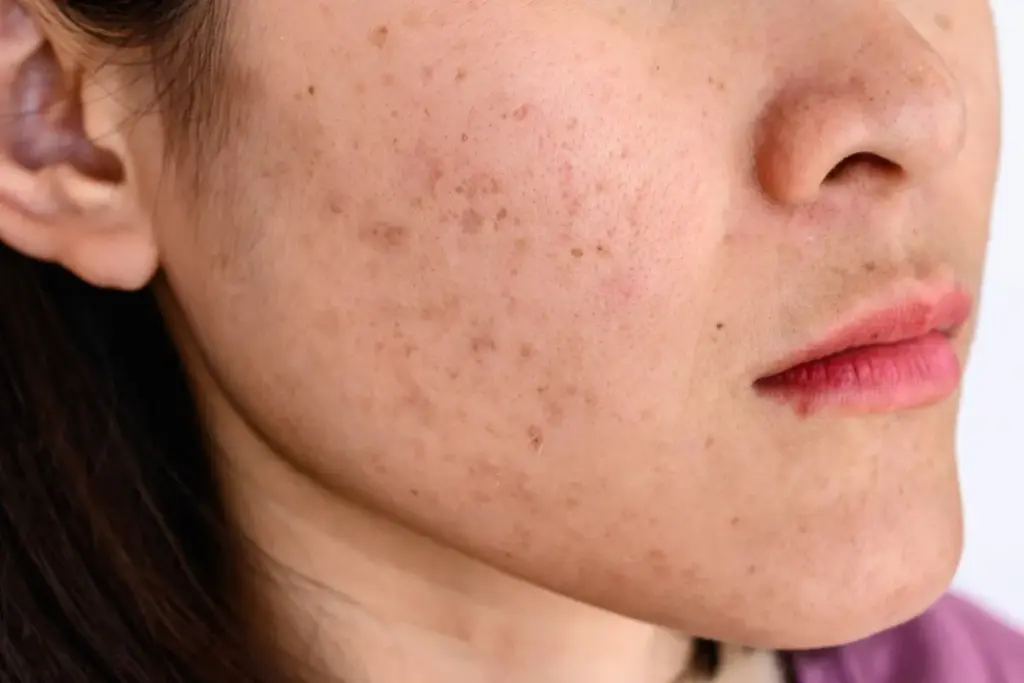
Removing unwanted pigmentation is a complex task. It needs the skills of certified dermatologists and cosmetic specialists. They use advanced technology for these treatments.
These experts employ methods such as laser therapy, topical agents, and microneedling to address various pigmentation concerns. These methods help solve different pigmentation problems. The need for these treatments is increasing.
The global market for hyperpigmentation treatments is growing fast.
We are always looking to improve our treatments. Our goal is to provide top-notch care for those looking to remove pigmentation.
Key Takeaways
- Certified dermatologists and cosmetic specialists perform pigmentation removal treatments.
- Advanced treatments include laser therapy, topical agents, and microneedling.
- The global hyperpigmentation treatment market is growing rapidly.
- Expert care is essential for effective pigmentation removal.
- Innovative technologies are transforming outcomes for individuals worldwide.
The Science Behind Skin Pigmentation
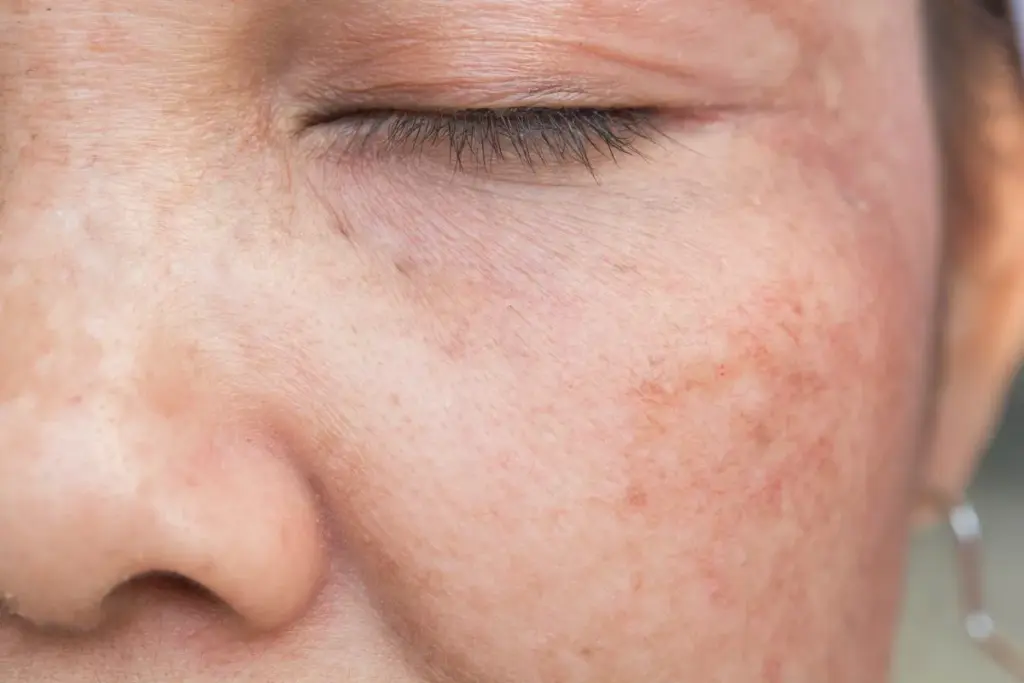
The science of skin pigmentation is complex. It involves how melanin is made and affects our skin. Melanin is a pigment created by cells called melanocytes in our skin.
Melanin Production and Distribution
Many things affect how melanin is made, like our genes, sunlight, and hormones. There are two main types of melanin: eumelanin for brown and black, and pheomelanin for red and yellow. These types decide our skin color and tone.
Melanin production is a complex process. It happens in melanocytes and then spreads to keratinocytes. This process is controlled by enzymes and proteins, with tyrosinase being key.
Common Types of Pigmentation Disorders
Pigmentation disorders happen when melanin is not made or spread right. Some common ones are:
- Melasma: Patches of dark skin on the face, caused by hormones, sun, and genes.
- Freckles: Small spots on sun-exposed skin, more common in fair skin.
- Post-inflammatory hyperpigmentation (PIH): Dark spots after skin injury or inflammation.
- Hypopigmentation: Conditions like vitiligo, where skin loses pigmentation.
Knowing about these disorders helps us find better treatments. By understanding each condition’s causes and signs, we can help those affected.
What Causes Pigmentation Issues?
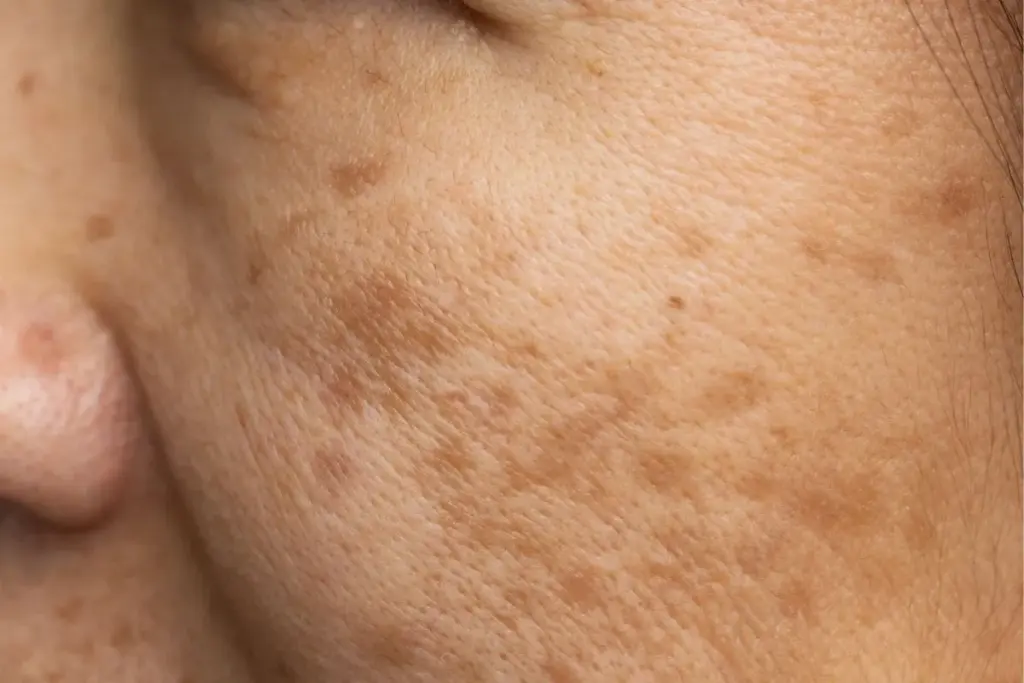
To tackle pigmentation problems, we must first understand what causes them. These issues stem from a mix of factors.
Environmental Factors
Environmental stressors are a big reason for pigmentation issues. Ultraviolet (UV) radiation from the sun or tanning beds boosts melanin production. This can cause uneven skin color.
Also, pollutants and chemicals can worsen pigmentation. For example, some industrial chemicals can cause skin discoloration.
Hormonal Influences
Hormonal changes can also lead to pigmentation problems. During pregnancy, estrogen and progesterone levels rise. This can cause melasma, a condition with skin patches.
Changes in hormones during menopause or with hormonal contraceptives can affect melanin. This can lead to pigmentation issues.
Genetic Predisposition
Genetics can make some people more prone to pigmentation disorders. For example, albinism and vitiligo are linked to genetics. They affect melanin production or melanocyte health.
Knowing the causes helps in creating better treatment plans. Healthcare experts can then tailor treatments to meet each patient’s needs.
The Global Pigmentation Treatment Market
The global pigmentation treatment market is growing fast. This is because more people want advanced skin treatments. They are looking for ways to deal with hyperpigmentation.
Current Market Size
This is thanks to new treatments and more people caring about their skin. It shows that people really want to find good solutions for their skin.
Projected Growth
This growth comes from new research and more people dealing with pigmentation issues. For more details, check out.
Regional Treatment Preferences
People around the world have different preferences for treating pigmentation. This is because of various skin types, cultural views, and dermatology practices. Knowing these differences helps in creating better treatment plans.
Regional Variations: In some places, like parts of Asia, laser treatments are very popular. They work well and don’t keep you out of action for long. On the other hand, Europeans might prefer chemical peels or microdermabrasion.
Tailoring Treatments: Healthcare providers can offer better care by understanding these regional differences. This way, they can give treatments that really work for their patients.
Board-Certified Dermatologists: Primary Pigmentation Specialists
Board-certified dermatologists are the top experts for pigmentation issues. They have the best training and knowledge to handle these problems. Their skills help them diagnose and treat pigmentation disorders well.
Medical Training and Specialization
These doctors go through a lot of training. They finish a dermatology residency program. This training prepares them to handle many skin conditions, including pigmentation disorders.
Key aspects of their training include:
- Completing medical school and earning a doctoral degree
- Completing a dermatology residency program
- Obtaining board certification through rigorous examination
- Engaging in ongoing education to stay current with the latest treatments and technologies
Diagnostic Capabilities
Board-certified dermatologists are great at finding the cause of pigmentation problems. They use a few methods to figure out what’s going on. This includes looking at the skin, talking about the patient’s medical history, and sometimes using special tools.
|
Diagnostic Tool |
Description |
Benefit |
|---|---|---|
|
Visual Examination |
Clinical assessment of the skin |
Immediate insights into skin condition |
|
Wood’s Lamp Examination |
Use of ultraviolet light to assess skin conditions |
Helps in diagnosing certain pigmentation disorders |
|
Skin Biopsy |
Removal of a small skin sample for microscopic examination |
Provides definitive diagnosis of skin conditions |
When to Seek Dermatological Care
Knowing when to see a dermatologist is important. If you notice sudden or severe changes in your skin, it’s time to go. Or if you’re not sure what’s causing your skin issues, a dermatologist can help.
Signs that you should seek dermatological care include:
- Sudden or unexplained changes in skin pigmentation
- Pigmentation issues that are widespread or severe
- Failure of over-the-counter treatments to improve pigmentation concerns
- Concerns about the possible risk of skin cancer
Cosmetic Specialists and Medical Estheticians
Cosmetic specialists and medical estheticians are key players in treating skin issues. They use non-invasive treatments and skin care to help patients. This team effort gives patients a full care plan.
Scope of Practice Limitations
Cosmetic specialists and medical estheticians have their own roles. They can’t diagnose or treat diseases on their own. But, they can do non-invasive treatments like chemical peels and laser therapies under a doctor’s watch.
It’s important to know their treatments are meant to support medical care. This way, patients get the best care possible.
Training Requirements
To become a cosmetic specialist or medical esthetician, one must complete a state-approved program. They also need a license. Medical estheticians might get extra training to work with doctors.
- Complete a state-approved esthetics program
- Obtain licensure to practice
- Pursue additional certifications for specialized treatments
Collaborative Approaches with Physicians
Cosmetic specialists and medical estheticians work with doctors to help patients. This teamwork makes sure treatments are safe and effective. Together, they create plans that meet each patient’s needs.
For example, a dermatologist might diagnose a skin issue and suggest a treatment. A medical esthetician could then use treatments like chemical peels to improve the skin.
Key benefits of collaborative care include:
- Comprehensive treatment plans
- Enhanced patient satisfaction
- Improved treatment outcomes
Knowing the roles of cosmetic specialists and medical estheticians helps patients. It lets them work better with their doctors for the best results.
Medical Spas and Pigmentation Removal Services
Medical spas are now a top choice for people wanting to remove pigmentation. They offer many treatments for issues like freckles and melasma.
As more people look for ways to remove pigmentation, it’s key to know about medical spas. We’ll look at how they’re regulated and how to pick a good one.
Regulation and Oversight
The rules for medical spas vary a lot, depending on where you are. This can affect how safe and effective the treatments are.
Key aspects of regulation include:
- Licensing requirements for medical spas and practitioners
- Oversight by state or local health departments
- Adherence to industry standards for safety and efficacy
When looking for a medical spa, check if they follow local rules and industry standards.
Selecting a Reputable Provider
Finding a good medical spa is important for safe and effective treatments. Here are some tips:
- Verify Credentials: Make sure the spa is licensed and the staff is qualified and experienced.
- Check Reviews and Testimonials: Look up the spa online and ask for recommendations from people you trust.
- Consultation: Have a meeting to talk about your issues, what treatments are available, and what you can expect.
By following these steps, you can choose a medical spa wisely for pigmentation removal.
Medical spas aim to offer safe and effective treatments. Knowing about regulations and choosing a reputable spa can help you get the results you want for pigmentation removal.
Laser Therapy: Leading Treatment for Pigmentation
Laser therapy is now a top choice for treating pigmentation. It can target specific areas with little damage to the skin around it. This precision helps fix various pigmentation problems without harming the skin too much.
Types of Lasers for Different Pigmentation Concerns
There are different lasers for different pigmentation issues. Q-switched lasers work well for deep pigmentation like tattoos and nevus of Ota. Picosecond lasers are faster and cause less damage. Ablative lasers are for lighter concerns and help rejuvenate the skin.
Every patient’s pigmentation issue is unique. We tailor treatments based on the specific pigmentation. This way, we choose the best laser technology for the best results.
The 68% Market Share of Energy-Based Treatments
Energy-based treatments, like laser therapy, lead the market with a 68% share. This shows how effective and popular laser treatments are. Laser technology can handle many pigmentation problems, making it a top choice.
Recovery and Results Timeline
The recovery and results timeline for laser therapy vary. It depends on the laser type, skin type, and condition. Patients might see redness and swelling right after, which usually goes away in a few days. It can take weeks for the full effects to show as the skin heals.
It’s key to follow up and protect your skin from the sun after laser therapy. This helps keep the results and prevents new pigmentation issues. With laser treatment and good skincare, patients can see lasting improvements in their skin.
Chemical Peels and Professional Exfoliation
Pigmentation problems can be treated with chemical peels. This non-surgical method removes the top skin layers. It helps reduce the look of pigmentation disorders.
Superficial, Medium, and Deep Peels
Chemical peels vary in depth to tackle different pigmentation issues. Superficial peels are gentle and for upkeep. Medium peels go deeper to tackle more noticeable pigmentation. Deep peels are the strongest and used for severe cases, but they need longer to heal.
- Superficial peels: Ideal for maintenance and mild pigmentation
- Medium peels: Suitable for moderate pigmentation concerns
- Deep peels: Reserved for severe pigmentation disorders
Ideal Candidates and Contraindications
Not everyone is right for chemical peels. Ideal candidates have realistic hopes and follow post-peel care. Those with active skin infections, eczema, or other skin issues should not get them. Always talk to a dermatologist or skincare expert first.
“The key to successful chemical peel treatment lies in proper patient selection and personalized treatment planning.”
Expected Outcomes
Chemical peels’ results depend on the peel’s depth and your skin. You might see less pigmentation, smoother skin, and a more even tone. You might need more than one session for the best results.
Knowing about the different peels helps you choose the right one. Always get treatment from a skilled professional for safety and effectiveness.
Prescription Topicals and Medical-Grade Products
Dermatologists often suggest prescription topicals and medical-grade products for treating pigmentation. These products are made to tackle different pigmentation issues. They are stronger than what you can buy over the counter.
Hydroquinone and Alternatives
Hydroquinone is a key ingredient in some prescription topicals for treating pigmentation. It stops melanin production, which helps reduce dark spots and hyperpigmentation. But, it can cause side effects and make skin sensitive. So, doctors also look at alternatives like kojic acid and azelaic acid.
Key benefits of hydroquinone include:
- Effective reduction of melanin production
- Improvement in skin hyperpigmentation
- Availability in various concentrations
Retinoids and Vitamin C
Retinoids, made from vitamin A, are important in prescription topicals. They help get rid of pigmented cells and improve skin texture. Vitamin C, with its antioxidant properties, brightens the skin and boosts collagen production.
“The combination of retinoids and vitamin C can significantly improve the appearance of pigmented skin areas.”
Combination Formulations
Products that mix different active ingredients like hydroquinone, retinoids, and vitamin C are getting more popular. They tackle pigmentation and skin health in a single product.
For example, a mix of hydroquinone and retinoids can lower melanin production and speed up cell turnover. This makes the treatment more effective.
“Using a combination of prescription topicals can lead to more effective pigmentation treatment outcomes.”
By using these advanced prescription topicals and medical-grade products, people can see big improvements in their pigmentation issues. A dermatologist’s guidance is key to getting the best results.
Advanced Techniques: Microneedling and PRP
Microneedling and platelet-rich plasma (PRP) therapy are changing how we treat pigmentation. These methods boost collagen, rejuvenate the skin, and give hope to those with pigmentation issues.
Collagen Induction Therapy
Microneedling, or collagen induction therapy, uses tiny needles to make micro-injuries in the skin. This triggers the body’s healing response, leading to more collagen and elastin. The skin then becomes smoother, firmer, and more even-toned.
The benefits of microneedling for pigmentation include:
- Enhanced collagen production
- Improved skin texture
- Reduced appearance of fine lines and wrinkles
- Minimized pigmentation irregularities
Platelet-Rich Plasma Applications
Platelet-rich plasma (PRP) therapy uses the patient’s own platelet-rich plasma to stimulate healing and rejuvenation. When used with microneedling, PRP boosts the treatment’s effects by promoting collagen and improving skin texture.
PRP applications for pigmentation treatment include:
- Stimulating collagen synthesis
- Enhancing skin rejuvenation
- Improving skin tone and texture
Combination Protocols for Enhanced Results
Combining microneedling with PRP has shown promising results in treating pigmentation disorders. This approach not only tackles pigmentation but also boosts overall skin health.
|
Treatment |
Benefits |
Key Features |
|---|---|---|
|
Microneedling |
Stimulates collagen production, improves skin texture |
Tiny needles create micro-injuries |
|
PRP Therapy |
Enhances healing, rejuvenation, and collagen synthesis |
Uses patient’s own platelet-rich plasma |
|
Combination Therapy |
Synergistic effect for enhanced results |
Combines microneedling and PRP for a complete treatment |
By using these advanced techniques, we can provide more effective and tailored treatment plans for removing pigmentation.
Professional vs. At-Home Pigmentation Treatments
Choosing between professional treatments and at-home remedies for pigmentation can be tough. It’s important to pick what’s best for your skin.
Limitations of DIY Approaches
At-home treatments are easy and might save money. But, they might not work as well as professional treatments. Their success depends a lot on the product and your skin type. Getting professional advice is key to find the right treatment.
Without the right help, at-home treatments can sometimes make things worse. Or, they might cause other skin problems. Always talk to a dermatologist to figure out why you have pigmentation issues.
When Self-Care Is Sufficient
For mild pigmentation or to keep it under control, at-home skincare can help. Look for products with retinoids, vitamin C, and hydroquinone. Being consistent is important for seeing results.
But, don’t expect miracles. At-home treatments work better for keeping things in check, not for fixing serious issues.
Complementary Home Care Regimens
Even with professional treatments, adding at-home care can make a big difference. We suggest mixing both for the best results.
Combining professional treatments with a good at-home skincare routine leads to better, longer-lasting results. It’s about finding the right mix of professional help and self-care.
The Cost of Professional Pigmentation Removal in the US
The cost of professional pigmentation removal in the US is a big deal for those looking for effective treatments. It’s important to know the financial side of things when choosing a treatment.
Annual Treatment Packages
On average, treatment packages for pigmentation removal in the US cost between $1,200 and $1,800 a year. These packages usually include a mix of treatments based on your skin type and what you’re trying to fix.
Here’s a quick look at what you might pay for different treatments:
Insurance Coverage Considerations
Insurance coverage for pigmentation removal treatments varies a lot. Most cosmetic procedures aren’t covered by insurance. But, if the pigmentation is due to a medical condition, some treatments might be partially covered.
Key Considerations:
- Check with your insurance provider to understand what is covered.
- Some clinics offer financing options or package deals.
- Discuss your treatment plan with your dermatologist to understand the costs.
Investment vs. Results Analysis
When thinking about pigmentation removal, it’s key to weigh the costs against the benefits. The initial cost might seem high, but the long-term gains can be huge.
Factors to Consider:
- Improved skin appearance and confidence.
- Potential reduction in the need for future treatments.
- Enhanced overall skin health.
By understanding the costs and benefits, patients can make informed decisions about their treatment options.
AI and Technology in Pigmentation Diagnostics
AI is changing dermatology by making pigmentation diagnoses more accurate. It brings new tools and strategies for treatment planning.
High Accuracy in Lesion Identification
AI algorithms can spot skin lesions with up to 87% accuracy. This is key for diagnosing pigmentation disorders. It helps tell the difference between harmless and dangerous lesions.
Key Benefits of AI in Lesion Identification:
- Enhanced diagnostic precision
- Early detection of possible malignancies
- Less need for human interpretation alone
Computer-Assisted Treatment Planning
AI helps not just in diagnosis but also in treatment planning. It analyzes patient data to suggest the best treatments.
|
Treatment Aspect |
Traditional Method |
AI-Assisted Method |
|---|---|---|
|
Diagnosis Accuracy |
Dependent on clinician expertise |
Enhanced by AI algorithms |
|
Treatment Planning |
Based on clinical guidelines |
Personalized through data analysis |
|
Outcome Prediction |
Limited by human experience |
Improved through pattern recognition |
Future Technological Developments
The future of AI in pigmentation diagnostics is bright. Ongoing research aims to make algorithms and machine learning even better. These improvements will likely make diagnoses and treatments more effective.
The integration of AI in dermatology is a big step forward in managing pigmentation disorders. As technology advances, we’ll see more innovative uses in this field.
Case Study: Liv Hospital’s Excellence in Pigmentation Treatment
Liv Hospital uses the latest medical research and technology for pigmentation treatment. We understand the complexity of pigmentation disorders and the need for personalized care. Our specialists follow evidence-based protocols to ensure effective treatment for our patients.
Evidence-Based Protocols
At Liv Hospital, we follow evidence-based protocols for various pigmentation concerns. Our treatments are based on the latest dermatology research. We update our protocols regularly to keep up with new findings and advancements.
5-Star Healthcare Approach
We focus on a 5-star healthcare approach at Liv Hospital. We prioritize patient comfort, safety, and satisfaction. Our team works hard to understand each patient’s unique needs and concerns.
Patient Outcome Metrics
We track and analyze patient outcome metrics to improve our services. By assessing our treatment effectiveness, we can refine our approaches. For more information on hyperpigmentation disorder treatment, visit.
Our commitment to exceptional care is shown in our positive patient outcomes. We aim to help patients achieve healthier, more even-toned skin through our pigmentation treatment services.
Conclusion: Making Informed Decisions About Pigmentation Removal
Pigmentation removal offers many treatment options and professionals. Understanding the causes and treatments helps patients make informed decisions. This way, they can choose the best care for their skin.
Board-certified dermatologists, cosmetic specialists, and medical estheticians are key in treating pigmentation. The right treatment, like laser therapy or chemical peels, depends on your needs and their skills.
Getting the best results means talking to a qualified expert. They can create a treatment plan just for you. This ensures you’re making informed decisions about your skin. You’ll get a more even-toned and radiant look through effective pigmentation removal treatments.
FAQ
What causes hyperpigmentation?
Hyperpigmentation can be caused by UV exposure, hormonal changes, and genetics. Knowing these causes helps in finding the right treatment.
What are the most effective treatments for pigmentation removal?
Effective treatments include laser therapy, chemical peels, microneedling, and prescription creams. The best treatment depends on the type and severity of the issue.
Can pigmentation issues be prevented?
Some pigmentation issues can’t be prevented, but you can reduce the risk. Protecting your skin from the sun, following a skincare routine, and avoiding hormonal imbalances can help.
How do I choose a qualified professional for pigmentation treatment?
Look for board-certified dermatologists or reputable medical spas. Make sure they use proven methods and have good results with patients.
What is the difference between professional and at-home pigmentation treatments?
Professional treatments are done by experts with medical-grade tools. They offer better and longer results. At-home treatments are easier but might not work as well and can be risky if not done right.
Are there any side effects associated with pigmentation removal treatments?
Side effects depend on the treatment. Common ones are redness, irritation, and dryness. Serious problems can happen if treatments or aftercare are not done correctly.
How much does professional pigmentation removal cost in the US?
Costs in the US vary, with treatments costing between $1,200 to $1,800 a year. Some insurance might cover it.
Can AI and technology improve pigmentation diagnostics and treatment?
Yes, AI and technology help a lot. They improve diagnosis and treatment planning. AI can spot lesions accurately, and computer planning makes treatments more personalized.
What role do cosmetic specialists and medical estheticians play in pigmentation treatment?
Cosmetic specialists and medical estheticians help a lot. They give supportive treatments and skincare advice. They work with doctors to create treatment plans.
How can I maintain the results of my pigmentation removal treatment?
To keep results, stick to a skincare routine, protect your skin from the sun, and might need follow-up treatments. Home care can also help keep your skin looking good.
Reference
- Grand View Research. Hyperpigmentation treatment market report.
- GlobeNewswire. Hyperpigmentation treatment market size to hit USD 2.36 Billion by 2032.
- Precedence Research. Hyperpigmentation disorder treatment market.
- Stellar Market Research. Hyperpigmentation treatment market.
- Mordor Intelligence. Hyperpigmentation treatment market report.



 Departments
 Related Videos
 Our Doctors
 News
News