
A brain tumor can cause a variety of brain tumor symptoms, including headaches, nausea, and balance problems.
Watch for dangerous signs of pineal gland tumor growth. Learn how to identify if a brain tumor is getting worse and seek urgent medical care.
As the tumor grows, it can create pressure on and change the function of surrounding brain tissue, leading to worsening brain cancer symptoms.
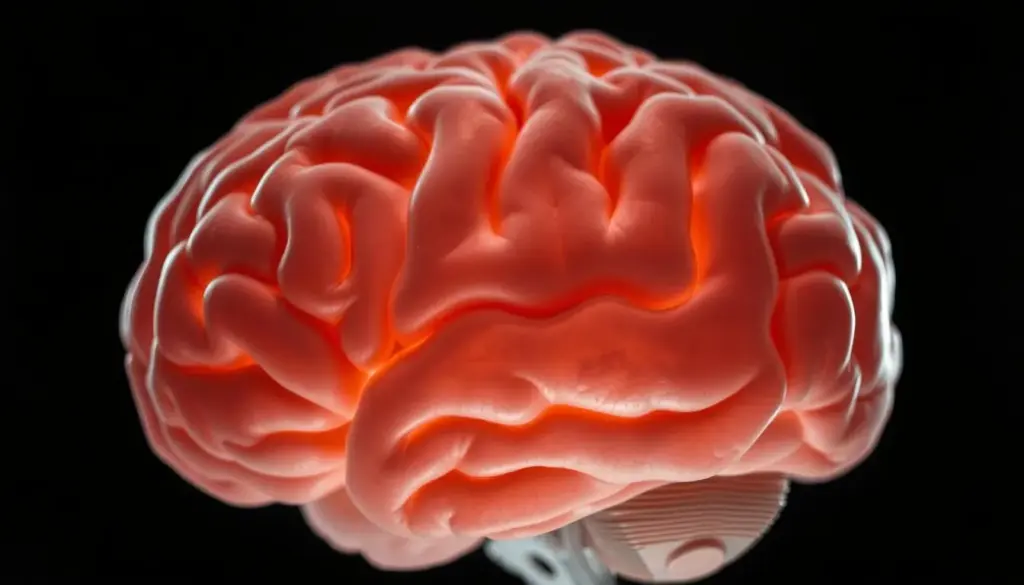
This pressure can result in a range of symptoms that affect a person’s quality of life. Understanding these symptoms is crucial for patients and caregivers to identify potential worsening of the condition.
Key Takeaways
- Brain tumors can cause a variety of symptoms, including headaches and nausea.
- As the tumor grows, symptoms can worsen due to increased pressure on the brain.
- Understanding brain tumor symptoms is crucial for managing the condition.
- Symptoms can affect a person’s quality of life and should be monitored closely.
- Identifying worsening symptoms early can help in adjusting treatment plans.
Brain Tumors: Basic Understanding and Progression
Brain tumors, which can be benign or malignant, originate in the brain cells or nearby tissue, affecting various parts of the brain. Understanding the basics of brain tumors is crucial for recognizing the signs of progression.
What Defines a Brain Tumor
A brain tumor, also known as a neoplasm, is an abnormal growth of cells within the brain or its surrounding tissues. These tumors can be benign, meaning non-cancerous, or malignant, meaning cancerous. The cerebrum and cerebral cortex, critical parts of the brain, can be affected by these tumors.
The definition of a brain tumor encompasses a wide range of growths that can vary significantly in their characteristics and impact on the brain. Factors such as the tumor’s location, size, and whether it is benign or malignant play a crucial role in determining its effects on the brain and overall health.
Common Growth Patterns
Brain tumors can exhibit various growth patterns. Some tumors grow slowly and are less likely to spread to surrounding brain tissue, while others can grow rapidly and invade nearby parts of the brain. Understanding these growth patterns is essential for diagnosing and treating brain tumors effectively.
- Slow-growing tumors: These may not immediately cause severe symptoms but can still impact brain function over time.
- Fast-growing tumors: These can quickly lead to significant symptoms and require prompt medical attention.

Recognizing the type and growth pattern of a brain tumor is vital for determining the best course of treatment and understanding potential outcomes.
General Warning Signs of Worsening Brain Tumors
Recognizing the general warning signs of a worsening brain tumor can help patients seek appropriate care. As the tumor grows, it can exert increasing pressure on the brain, leading to a variety of symptoms.
Increasing Frequency and Severity of Headaches
Headaches are a common symptom of brain tumors, and their frequency and severity can increase as the tumor grows. This is often due to the tumor causing increased intracranial pressure. Frequent and severe headaches can be a significant indicator of tumor progression.
The characteristics of headaches associated with brain tumors can vary. They are often described as dull and pressure-like, but can also be sharp and stabbing. Monitoring the frequency, severity, and characteristics of headaches is crucial for understanding tumor progression.
|
Headache Characteristics |
Possible Indications |
|---|---|
|
Increased Frequency |
Tumor growth and increased intracranial pressure |
|
Severity |
Potential worsening of the tumor condition |
|
Characteristics |
Varied, from dull and pressure-like to sharp and stabbing |
Changes in Neurological Function
Changes in neurological function can also occur as a brain tumor worsens. This can include a range of symptoms such as weakness, numbness, or tingling in various parts of the body. Neurological deficits can significantly impact a patient’s quality of life and are a critical indicator of tumor progression.
These changes are often a result of the tumor’s location and its impact on surrounding brain tissue. Regular neurological examinations are essential for monitoring these changes and understanding the tumor’s progression.
Neurological Symptoms Indicating Tumor Growth
Brain tumor growth can lead to a range of neurological symptoms that are crucial for diagnosis and monitoring. These symptoms can vary significantly among patients, depending on the tumor’s location and size.
Seizures: Changes in Frequency and Intensity
One of the significant neurological symptoms indicating tumor growth is the occurrence of seizures. As the tumor progresses, seizures can become more frequent or intense. This change is a critical indicator that the tumor is affecting the brain’s electrical activity.
Motor Function Deterioration
Deterioration in motor function is another symptom that can indicate brain tumor growth. Patients may experience weakness, numbness, or paralysis in various parts of their body, depending on the tumor’s location. Monitoring these changes is essential for understanding the tumor’s impact on the patient’s motor skills.
Speech and Language Difficulties
Speech and language difficulties can also arise as a result of tumor growth. Patients may struggle with finding the right words, speaking clearly, or understanding language. These changes can be subtle at first but may become more pronounced as the tumor progresses.

|
Symptom |
Description |
Indication |
|---|---|---|
|
Seizures |
Changes in frequency and intensity |
Tumor affecting brain’s electrical activity |
|
Motor Function Deterioration |
Weakness, numbness, paralysis |
Tumor impacting motor skills |
|
Speech and Language Difficulties |
Struggling to find words, speak clearly, understand language |
Tumor affecting language centers in the brain |
Understanding these neurological symptoms is crucial for patients and healthcare providers to monitor the progression of brain tumors effectively. By recognizing these signs early, it’s possible to adjust treatment plans accordingly.
Cognitive Changes as Warning Signs
Recognizing cognitive changes is crucial as they can be early warning signs of a brain tumor’s progression. Cognitive functions include memory, concentration, and personality, among others. When a brain tumor worsens, it can affect these areas, leading to noticeable changes.
Memory Problems and Concentration Issues
One of the common cognitive changes associated with a worsening brain tumor is memory problems. Patients might experience difficulty remembering recent events, learning new information, or recalling familiar words and names. Concentration issues are also prevalent, making it hard to focus on tasks or follow conversations.
Symptoms to watch out for include:
- Forgetting appointments or important dates
- Repeating questions or statements
- Struggling to learn new skills or hobbies
- Difficulty in following instructions or recipes
Confusion and Disorientation
As a brain tumor progresses, it can cause confusion and disorientation. This might manifest as difficulty understanding the time of day, the day of the week, or even the current location. Such confusion can be distressing and impact daily activities.
Examples of confusion and disorientation include:
- Getting lost in familiar places
- Misunderstanding the passage of time
- Having trouble understanding complex situations
Personality and Behavioral Changes
Personality and behavioral changes can also occur as a brain tumor worsens. These changes might be subtle at first but can become more pronounced over time. They can include mood swings, irritability, and apathy.
|
Change Type |
Description |
Examples |
|---|---|---|
|
Mood Swings |
Rapid changes in emotional state |
Becoming easily agitated or upset |
|
Irritability |
Increased sensitivity to stress |
Reacting strongly to minor annoyances |
|
Apathy |
Loss of interest in activities |
Withdrawing from social interactions or hobbies |
Understanding these cognitive changes is vital for patients and their families. Recognizing the signs early can lead to timely medical interventions, potentially improving outcomes.
Visual and Sensory Disturbances
The progression of a brain tumor can lead to various visual and sensory issues, including changes in vision and problems with hearing and balance. As the tumor grows, it can affect different parts of the brain responsible for processing sensory information, leading to a range of disturbances.
Vision Changes and Deterioration
Vision changes are a common symptom of a worsening brain tumor. These changes can include blurred vision, double vision, or loss of peripheral vision. In some cases, individuals may experience visual field defects, where they lose part of their field of vision.
Hearing and Balance Issues
Hearing and balance problems can also arise as a brain tumor progresses. Tinnitus, or ringing in the ears, is a common complaint, along with hearing loss in one or both ears. Balance issues can lead to dizziness or vertigo, making it difficult for individuals to maintain their balance or walk steadily.
It’s essential for individuals experiencing these symptoms to consult with their healthcare provider to monitor the progression of the tumor and adjust treatment plans accordingly.
The Role of the Pineal Gland in Brain Tumors
Located deep within the brain, the pineal gland is responsible for producing melatonin, a hormone that regulates sleep-wake cycles, and tumors in this area can lead to various neurological symptoms.
Function and Location of the Pineal Gland
The pineal gland is a small endocrine gland that plays a crucial role in regulating sleep patterns by secreting melatonin. It is located near the center of the brain, between the two hemispheres, and is attached to the third ventricle. The pineal gland’s primary function is to produce melatonin, which is derived from serotonin and helps control the body’s circadian rhythms.
The gland’s location is significant because it is situated near critical brain structures, and tumors in this area can affect not only the pineal gland but also surrounding neural tissues. Tumors can arise from the pineal gland itself or from the surrounding glial cells, which support and protect neurons.
Specific Symptoms of Pineal Region Tumors
Tumors in the pineal region can cause a variety of symptoms due to their location and the structures they can affect. Some common symptoms include:
- Hydrocephalus (fluid accumulation in the brain) due to obstruction of the aqueduct of Sylvius
- Parinaud’s syndrome, characterized by difficulty moving the eyes upward
- Precocious puberty in children due to the tumor’s effect on hormone regulation
- Sleep disturbances, including insomnia or excessive sleepiness
The specific symptoms can vary depending on the tumor’s size, location, and whether it has spread to other parts of the brain. Understanding these symptoms is crucial for early detection and treatment.
|
Symptom |
Description |
Possible Cause |
|---|---|---|
|
Hydrocephalus |
Fluid accumulation in the brain |
Obstruction of the aqueduct of Sylvius |
|
Parinaud’s Syndrome |
Difficulty moving the eyes upward |
Pressure on the midbrain |
|
Precocious Puberty |
Early onset of puberty in children |
Tumor’s effect on hormone regulation |
How Tumors Affect the Cerebrum and Cerebral Cortex
The cerebrum is divided into different lobes, each with distinct functions, and tumors in these areas can lead to various neurological deficits. The cerebral cortex, the outer layer of the cerebrum, plays a crucial role in processing sensory information, controlling movement, and managing higher-level cognitive functions.
Tumors in the cerebrum can significantly impact an individual’s quality of life, depending on their location and the structures they affect. Understanding the specific roles of different parts of the cerebrum and cerebral cortex is essential for identifying the signs of tumor progression.
Frontal Lobe Deterioration Signs
The frontal lobe is responsible for a range of critical functions, including motor control, decision-making, and language processing. Tumors in this area can lead to noticeable changes in personality, motor function, and cognitive abilities.
- Changes in motor function, such as weakness or paralysis
- Difficulty with speech and language processing
- Alterations in personality, including mood swings
- Impaired judgment and decision-making capabilities
These symptoms can vary widely among individuals, depending on the tumor’s exact location within the frontal lobe.
Temporal Lobe Involvement
The temporal lobe plays a key role in processing auditory information, memory, and language. Tumors in the temporal lobe can cause a range of symptoms, including seizures, memory issues, and difficulties with language comprehension.
Some common signs of temporal lobe involvement include:
- Seizures, which can manifest with auditory or olfactory auras
- Memory disturbances, such as difficulty forming new memories
- Language processing difficulties, including understanding spoken language
Early detection of these symptoms is crucial for effective management and treatment of brain tumors affecting the cerebrum and cerebral cortex.
Parietal Lobe Function Changes and Warning Signs
Changes in the parietal lobe’s function can significantly impact an individual’s ability to process sensory information and navigate their spatial environment. The parietal lobe is crucial for integrating sensory details from various parts of the body, and any disruption due to a tumor can lead to noticeable deficits.
Sensory Processing Difficulties
Tumors in the parietal lobe can cause difficulties with sensory processing. This might manifest as numbness or tingling sensations in different parts of the body. Patients may experience difficulty distinguishing between different textures or temperatures when touching objects.
As noted by a medical expert, “Sensory processing difficulties can significantly affect a person’s daily life, making everyday tasks challenging.” Such difficulties can be an early warning sign of a parietal lobe tumor.
Spatial Awareness Problems
The parietal lobe is also vital for spatial awareness, helping individuals understand their body’s position in space. Tumors can lead to problems with spatial orientation, making it difficult for patients to navigate through familiar or unfamiliar environments.
- Difficulty judging distances
- Trouble with coordinating movements
- Problems with understanding the spatial relationships between objects
These symptoms can be particularly challenging, as they affect not only the individual’s independence but also their overall quality of life. Early detection and medical intervention are crucial.
“Spatial awareness is not just about navigating physical spaces; it’s also about understanding the relationship between different objects and being able to interact with them effectively.”
Monitoring changes in parietal lobe function is essential for individuals suspected of having a brain tumor. Regular medical check-ups and appropriate diagnostic tests can help identify any issues early on.
Occipital Lobe Tumors and Vision Deterioration
The occipital lobe, responsible for processing visual information, is a critical area where tumors can cause significant vision deterioration. Tumors in this region can lead to a variety of visual disturbances, affecting how visual information is processed and interpreted.
Types of Visual Field Defects
One of the primary effects of occipital lobe tumors is the occurrence of visual field defects. These defects can manifest in different ways, depending on the tumor’s location and size within the occipital lobe. Common types of visual field defects include:
- Homonymous hemianopia: Loss of half of the visual field on the same side in both eyes.
- Quadrantanopia: Loss of a quarter of the visual field.
- Cortical blindness: Complete loss of vision due to damage to the occipital cortex.
These visual field defects can significantly impact an individual’s ability to perform daily tasks, navigate spaces, and interact with their environment.
Visual Processing Problems
In addition to visual field defects, occipital lobe tumors can cause various visual processing problems. These issues can include difficulties with:
- Recognizing objects and faces.
- Interpreting visual information, such as understanding written text or recognizing colors.
- Perceiving depth and spatial relationships.
These visual processing problems can be particularly challenging, as they affect not just the clarity of vision but also the brain’s ability to interpret and make sense of visual information.
Early detection and treatment of occipital lobe tumors are crucial to minimizing their impact on vision and overall quality of life. By understanding the potential effects of these tumors, individuals can better navigate their diagnosis and treatment options.
Physical Symptoms of Worsening Brain Tumors
Recognizing the physical symptoms associated with a worsening brain tumor is essential for timely medical intervention. As the tumor grows, it can exert pressure on surrounding brain tissue, leading to a variety of physical manifestations.
Nausea, Vomiting, and Appetite Changes
Nausea and vomiting are common physical symptoms that can occur as a brain tumor progresses. These symptoms can be caused by increased intracranial pressure or the tumor’s effect on areas of the brain that control nausea and vomiting. Additionally, changes in appetite are frequent, which can lead to weight loss and nutritional deficiencies.
Increased intracranial pressure can also cause these symptoms, making it crucial to monitor any changes in nausea, vomiting, and appetite.
Fatigue and Progressive Weakness
Fatigue and progressive weakness are other significant physical symptoms. The tumor can affect motor control and energy levels, making everyday activities challenging. This weakness can be localized to specific parts of the body, depending on the tumor’s location.
It’s essential to differentiate between general fatigue and progressive weakness, as the latter can be a sign of tumor progression affecting motor functions.
Sleep Disturbances as Warning Signs
Sleep disturbances are another critical physical symptom that can indicate a worsening brain tumor. Tumors can affect the brain’s ability to regulate sleep patterns, leading to insomnia or excessive sleepiness. These disturbances can further exacerbate other symptoms like fatigue.
Monitoring sleep patterns and reporting any significant changes to healthcare providers is vital, as sleep disturbances can significantly impact quality of life.
Signs of Increased Intracranial Pressure
When intracranial pressure increases, it can lead to a range of alarming signs that require immediate medical attention. Increased intracranial pressure is a serious condition that can result from various factors, including brain tumors.
Morning Headaches and Projectile Vomiting
One of the earliest signs of increased intracranial pressure is morning headaches that are typically worse upon waking. These headaches can be severe and are often accompanied by projectile vomiting, which is vomiting that occurs without warning and can be quite forceful.
Morning headaches occur because lying down can increase intracranial pressure, and the pressure is typically highest in the morning after a night of lying down.
Papilledema and Other Eye Signs
Another critical sign is papilledema, which is the swelling of the optic disc due to increased pressure. Papilledema can lead to vision problems and even blindness if not addressed. Other eye signs may include double vision or loss of peripheral vision.
Altered Consciousness Levels
Altered consciousness levels can range from mild confusion to coma. As intracranial pressure increases, it can compress or damage brain structures, leading to decreased consciousness. This is a medical emergency requiring immediate intervention.
Monitoring for these signs is crucial, especially in patients with known risk factors such as brain tumors. Early detection and treatment can significantly improve outcomes.
Monitoring Tumor Progression Through Medical Tests
Medical tests play a vital role in understanding the progression of brain tumors. Regular assessments through various medical tests help healthcare providers adjust treatment plans according to the tumor’s behavior.
Imaging Studies: What They Reveal About Progression
Imaging studies, such as MRI and CT scans, are crucial for monitoring tumor size and changes. These tests provide detailed images of the brain, allowing doctors to assess the tumor’s growth or shrinkage.
MRI scans are particularly useful for soft tissue imaging, offering clear pictures of the tumor and surrounding brain tissue. CT scans, on the other hand, are quicker and more sensitive to calcifications and bone changes.
|
Imaging Study |
Primary Use |
Benefits |
|---|---|---|
|
MRI |
Soft tissue imaging |
Detailed images of tumor and surrounding tissue |
|
CT Scan |
Quick assessment, calcifications, and bone changes |
Fast and sensitive to certain tumor characteristics |
Neurological Examinations and Functional Assessments
Neurological examinations assess the patient’s neurological function, including cognitive status, motor skills, and sensory perception. These examinations help identify any changes or deficits caused by tumor progression.
Functional assessments, such as tests of cognitive function and motor skills, provide a comprehensive view of the patient’s neurological status. These assessments are crucial for understanding the impact of the tumor on the patient’s daily life and abilities.
By combining imaging studies with neurological examinations and functional assessments, healthcare providers can gain a comprehensive understanding of tumor progression and make informed decisions about treatment.
Treatment Resistance and Recurrence Signs
Understanding the signs of treatment resistance and recurrence is crucial for managing brain tumors effectively. As medical treatments advance, recognizing when a tumor is no longer responding to therapy or when it recurs is vital for adjusting treatment plans.
When Medications Stop Controlling Symptoms
One of the critical indicators of treatment resistance is when medications cease to manage symptoms effectively. For instance, if a patient experiences an increase in seizure frequency or severity despite being on antiepileptic drugs, it may signal that the tumor is becoming resistant to the medication.
Key signs include:
- Increased frequency or severity of symptoms
- Need for higher doses of medication to manage symptoms
- Emergence of new symptoms
According to a study published in the Journal of Neuro-Oncology, “the development of resistance to chemotherapy is a major obstacle in the treatment of brain tumors”
“The development of resistance to chemotherapy is a major obstacle in the treatment of brain tumors, leading to tumor recurrence and poor patient outcomes.”
Radiation and Chemotherapy Response Changes
Changes in response to radiation and chemotherapy are also significant indicators of treatment resistance. If a tumor shows signs of growth or increased activity on imaging studies despite ongoing treatment, it suggests that the tumor is not responding to therapy.
|
Treatment Modality |
Signs of Resistance |
|---|---|
|
Radiation Therapy |
Tumor growth on imaging studies |
|
Chemotherapy |
Increased tumor marker levels, new lesions |
Signs of Tumor Recurrence After Treatment
Tumor recurrence after treatment is a significant concern. Signs of recurrence can include new neurological deficits, changes in cognitive function, or the return of previous symptoms. Regular follow-up with healthcare providers and monitoring through imaging studies are crucial for early detection of recurrence.
Indicators of recurrence:
- New or worsening neurological symptoms
- Changes in imaging studies indicating tumor growth
- Return of symptoms previously controlled by treatment
Early detection of recurrence allows for timely intervention, potentially improving outcomes. As noted by a clinical expert, “Regular surveillance and a high index of suspicion are key to identifying recurrence early.”
Conclusion: Creating a Monitoring Plan with Your Healthcare Team
Creating a monitoring plan with your healthcare team is crucial for effective brain tumor management. This plan enables you to track changes in your condition, identify potential issues early, and adjust your treatment strategy as needed.
By working closely with your healthcare team, you can develop a personalized plan that addresses your specific needs and concerns. This collaborative approach ensures that you receive comprehensive care and support throughout your treatment journey.
A well-structured monitoring plan helps you stay informed and in control, allowing you to make informed decisions about your care. It also enables your healthcare team to respond promptly to any changes in your condition, improving your overall outcomes and quality of life.
Effective brain tumor management requires a proactive and coordinated approach. By creating a monitoring plan with your healthcare team, you can take a crucial step towards achieving the best possible results and maintaining your overall well-being.
FAQ
What are the common symptoms of a brain tumor?
Common symptoms include headaches, seizures, motor function deterioration, speech and language difficulties, memory problems, confusion, and personality changes.
What is a brain tumor and how does it grow?
A brain tumor is an abnormal growth of cells in the brain or nearby tissue. It can be benign or malignant, and its growth pattern can vary depending on the type and location.
How do brain tumors affect the cerebrum and cerebral cortex?
Tumors can affect the cerebrum and cerebral cortex, leading to signs of frontal lobe deterioration, temporal lobe involvement, and changes in parietal lobe function, including sensory processing difficulties and spatial awareness problems.
What are the signs of increased intracranial pressure due to a brain tumor?
Signs include morning headaches, projectile vomiting, papilledema, and altered consciousness levels.
How do medical tests help monitor tumor progression?
Imaging studies, such as MRI or CT scans, and neurological examinations can reveal changes in tumor size and neurological function, helping to monitor progression.
What are the symptoms of a pineal region tumor?
Specific symptoms can include vision changes, hydrocephalus, and endocrine disturbances due to the pineal gland’s role in regulating hormones.
How do occipital lobe tumors affect vision?
Occipital lobe tumors can cause visual field defects and visual processing problems, leading to difficulties with processing visual information.
What are the signs of treatment resistance and recurrence?
Signs include when medications stop controlling symptoms, changes in response to radiation and chemotherapy, and signs of tumor recurrence after treatment.
What is the role of glial cells in brain tumors?
Glial cells can give rise to gliomas, a type of brain tumor, and play a crucial role in the development and progression of brain tumors.
How do brain tumors affect cognitive function?
Brain tumors can cause cognitive changes, including memory problems, confusion, disorientation, and personality changes, depending on the location and size of the tumor.
National Center for Biotechnology Information. Evidence-Based Medical Insight. Retrieved from https://www.ncbi.nlm.nih.gov/books/NBK13708/