Plastic surgery restores form and function through reconstructive procedures, cosmetic enhancements, and body contouring.
Send us all your questions or requests, and our expert team will assist you.
To understand body aesthetics, one must first understand the biology of adipose tissue. Genetics, hormones, and age primarily determine fat distribution. While weight loss can shrink fat cells, it cannot change the fundamental distribution pattern dictated by an individual’s DNA.
Body contouring procedures target these genetically stubborn pockets. Techniques like liposuction physically remove adipocytes, or fat cells, from specific areas. Once removed, these cells do not regenerate in the exact location, permanently altering the body’s storage capacity in that zone.
However, the remaining fat cells in the body retain the ability to expand. Therefore, body aesthetics is defined not as a weight loss solution but as a shaping procedure. It changes the body’s contour and proportions, provided the patient maintains a relatively stable weight after the procedure.
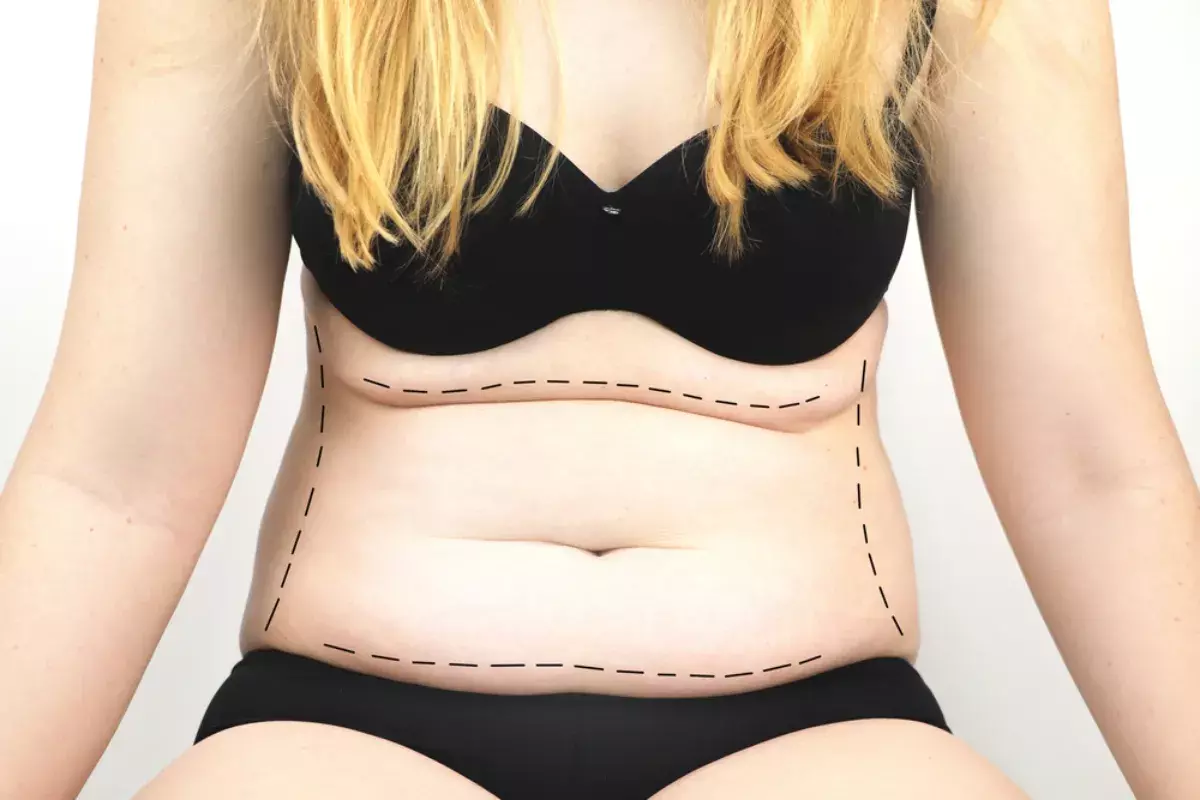
The interaction between fat and the overlying skin is also critical. Simply removing fat without addressing the skin can lead to laxity. Modern definitions of body contouring include the simultaneous management of the skin envelope to ensure it retracts smoothly over the newly sculpted frame.

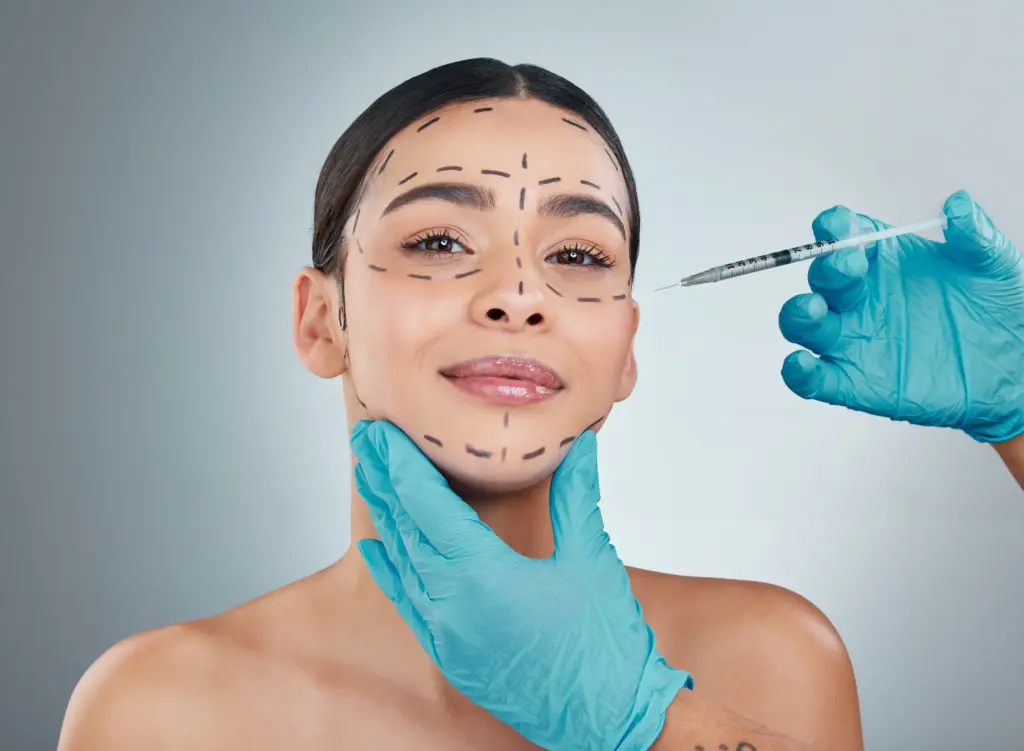
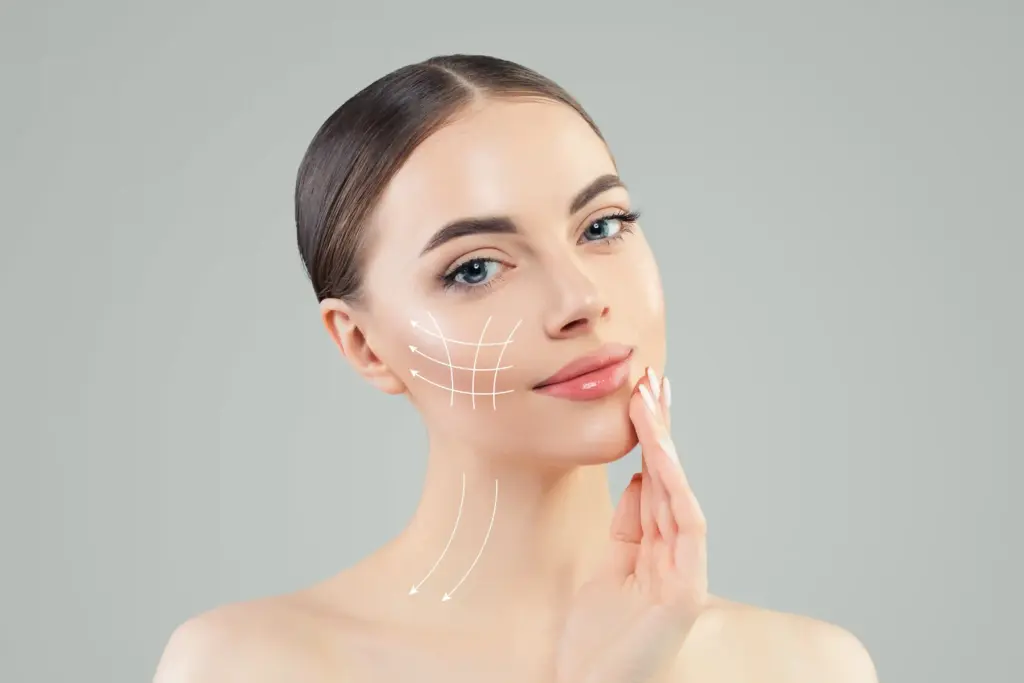
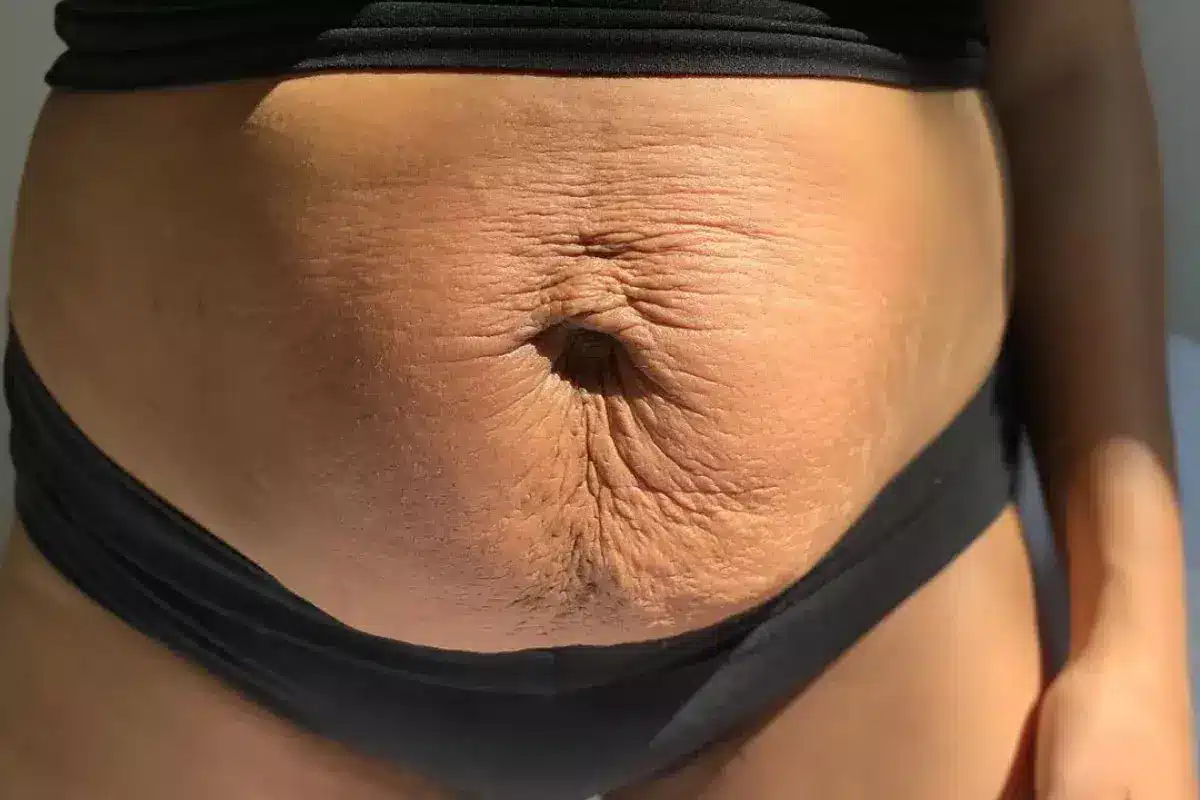
The quality of the skin is the limiting factor in many body contouring outcomes. The dermis contains collagen and elastin fibers that provide structure and recoil. Over time, factors such as aging, sun damage, and rapid weight fluctuation can degrade this matrix, leading to sagging or ptosis.
Body aesthetics definitions include procedures aimed explicitly at excising redundant skin. Once the skin’s elastic limit is exceeded, non-surgical tightening may be insufficient. Surgical excision is necessary to restore a taut, youthful contour.
Surgeons assess the snap test to determine the skin’s ability to retract. This assessment determines whether a patient requires a simple lipoplasty or a more extensive excisional procedure, such as a body lift. The integrity of the dermal matrix guides the surgical plan.
Furthermore, the skin’s health influences healing. Procedures are designed to place incisions in areas of low tension or natural concealment to minimize scarring. The definition of success includes not just a better shape, but the quality of the resulting scars and skin texture.

A significant subset of body aesthetics focuses on the post-massive-weight-loss patient. Following bariatric surgery or significant lifestyle changes, patients are often left with excessive, hanging skin that obscures their weight loss achievement. This skin can cause functional issues such as rashes, mobility restrictions, and hygiene difficulties.
For these patients, body contouring is functional and reconstructive. The definition extends beyond aesthetics to include the restoration of comfort and mobility. Procedures are often more extensive, involving circumferential removal of tissue to address the entire torso or limbs.
The biological state of post-bariatric skin is distinct. It often has damaged elastin and a compromised vascular supply compared to patients who have not experienced massive weight fluctuation. Surgeons must account for these histological differences when planning incisions and predicting healing.
This paradigm requires a staged approach. Because the patient’s safety is paramount, multiple procedures are often spaced over time to address the arms, breasts, abdomen, and thighs safely. A long-term partnership between the patient and the surgical team defines this journey.
The medical definition of an ideal body aesthetics candidate goes beyond physical measurements. While being close to a perfect body weight is crucial, maintaining that weight is even more critical. Fluctuations can negatively impact the results of any contouring procedure.
Candidates must be in good general health to undergo anesthesia and heal properly. Conditions that impair healing, such as diabetes or active smoking, can be contraindications. The patient’s physiological reserve determines the extent of surgery that can be safely performed.
Psychological readiness is equally important. Candidates must have realistic expectations about what surgery can achieve. They must understand that body contouring improves shape but does not result in perfection or solve underlying life problems.
The ideal candidate views the procedure as a way to enhance their current self, not to become someone else. They are committed to the lifestyle changes required to maintain the results, including nutrition and exercise.

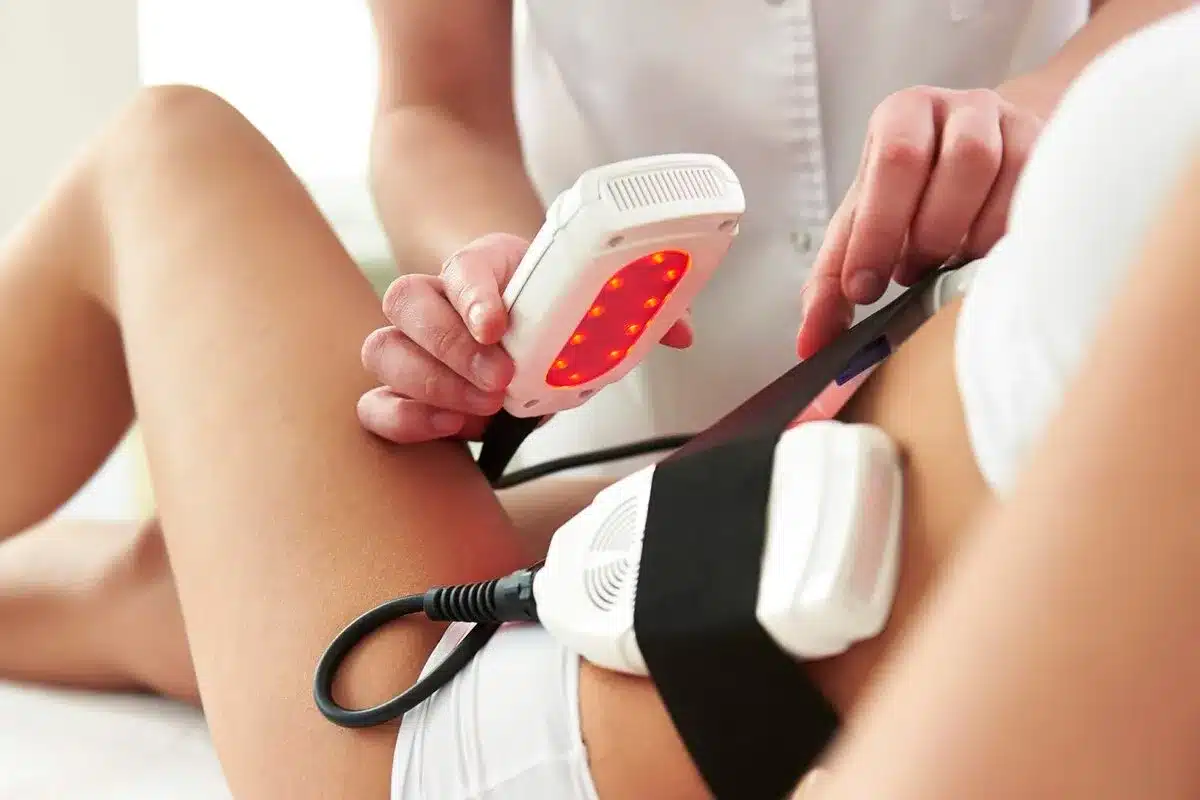
The field of body aesthetics is defined by rapid technological advancement. Energy-based devices, such as lasers, ultrasound, and radiofrequency, have revolutionized both surgical and nonsurgical options. These technologies allow for skin tightening and fat disruption with greater precision and less trauma.
In the surgical suite, technologies such as power-assisted liposuction and harmonic scalpels improve efficiency and reduce recovery times. The definition of modern body contouring includes the utilization of these tools to enhance outcomes and patient safety.
Non-invasive technologies have expanded the definition of body aesthetics to include patients who are not candidates for surgery. Cryolipolysis (fat freezing) and high-intensity focused electromagnetic energy (muscle toning) offer solutions for mild to moderate concerns without downtime.
This spectrum of technology allows practitioners to tailor treatments to the specific anatomical and lifestyle needs of the patient. It moves the field from a one-size-fits-all approach to a highly customized therapeutic regimen.
Body aesthetic procedures, particularly those involving large-volume fat removal or extensive skin excision, carry inherent risks. The definition of modern practice involves rigorous risk stratification. Surgeons evaluate factors such as operative time, fluid management, and thrombosis risk to ensure patient safety.
Combination procedures, such as the Mommy Makeover, are popular but require careful planning to keep anesthesia time within safe limits. The medical community has established guidelines to define safe volumes for liposuction and appropriate durations for combined surgeries.
Safety also extends to the facility. Procedures are performed in accredited surgical centers by board-certified anesthesiologists. The definition of quality care involves a comprehensive safety net that spans from the preoperative workup to the postoperative monitoring period.
Body aesthetic procedures, particularly those involving large-volume fat removal or extensive skin excision, carry inherent risks. The definition of modern practice involves rigorous risk stratification. Surgeons evaluate factors such as operative time, fluid management, and thrombosis risk to ensure patient safety.
Combination procedures, such as the Mommy Makeover, are popular but require careful planning to keep anesthesia time within safe limits. The medical community has established guidelines to define safe volumes for liposuction and appropriate durations for combined surgeries.
Safety also extends to the facility. Procedures are performed in accredited surgical centers by board-certified anesthesiologists. The definition of quality care involves a comprehensive safety net that spans from the preoperative workup to the postoperative monitoring period.

Send us all your questions or requests, and our expert team will assist you.
Weight loss surgery or bariatric surgery is performed on the internal organs to restrict food intake and alter metabolism for massive weight reduction. Body aesthetics involves procedures performed on the skin and fat to reshape the body after weight loss.
The removal of fat cells and excess skin is permanent. However, the remaining fat cells can expand if you gain weight, and the skin can stretch again with age or weight fluctuation. Maintaining a stable weight is crucial for lasting results.
While procedures such as liposuction or skin tightening can improve the appearance of cellulite by smoothing the contour, they are not specific cures for cellulite. Cellulite is caused by fibrous bands under the skin, which require different, targeted treatments.
There is no specific best age. Candidates should be adults with stable weight and realistic expectations. However, skin elasticity tends to be better in younger patients, which can influence the choice of procedure and the quality of the result.
Yes, all surgical body contouring procedures involve incisions that result in scars. Surgeons place these incisions strategically in areas where clothing or natural body folds can hide them. The scars typically fade over time, but are permanent.


Leave your phone number and our medical team will call you back to discuss your healthcare needs and answer all your questions.
Your Comparison List (you must select at least 2 packages)